
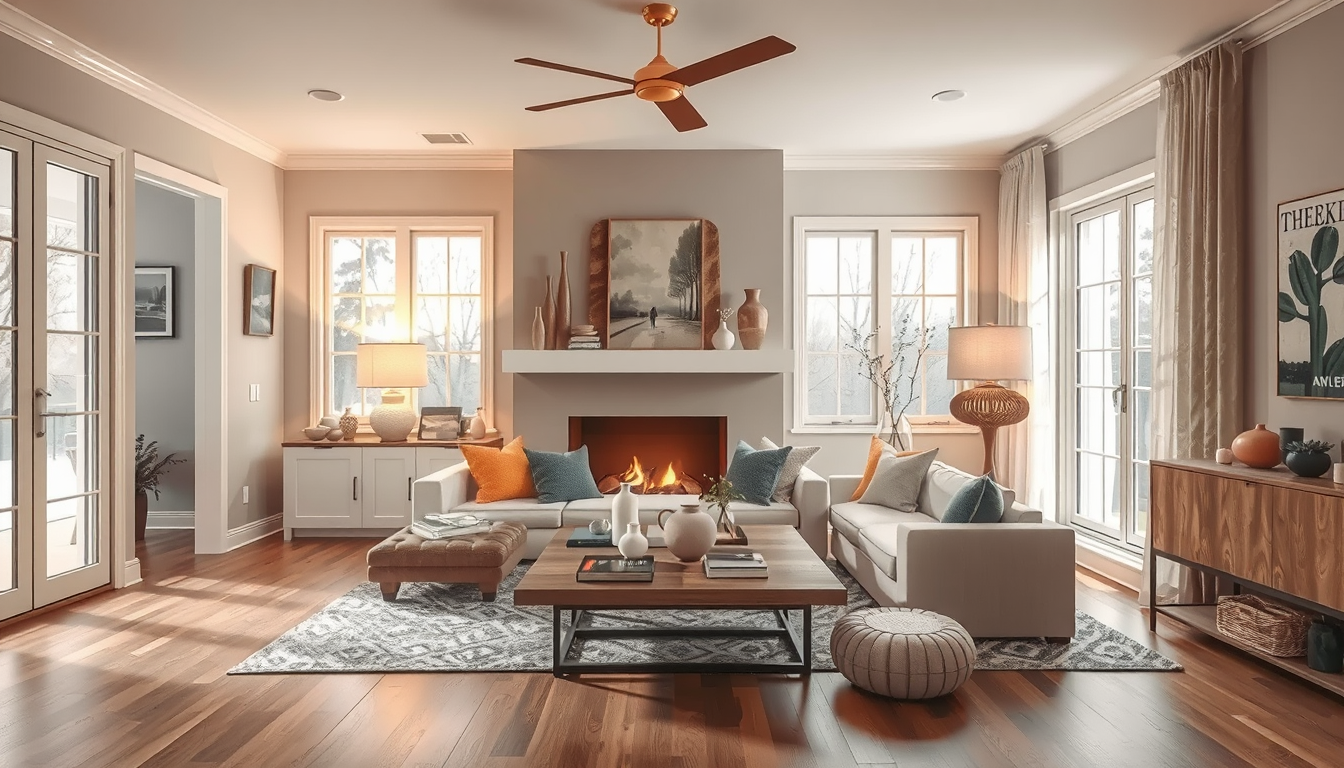
Hardwood floor refinishing toronto costs $3.50–$5.50 per square foot for a standard sand-and-finish in 2026, or $6–$8+ per square foot if you’re changing stain colour or repairing damaged boards (HomeStars Canada 2026 contractor data). For a typical 800-square-foot Toronto semi-detached main floor, that’s $2,800–$6,400 — a fraction of the $12–$18 per square foot you’d spend on full hardwood replacement. The real question isn’t whether refinishing saves money. It’s whether your floors actually need it yet, or whether a contractor is upselling you.
At Toronto Interior Designer, we’ve walked through dozens of century homes in the Annex, Cabbagetown, and Leslieville where original ¾-inch red oak has survived 100-plus winters of road salt tracking, freeze-thaw moisture cycling, and radiator-dry air — and still had two or three refinishes left in it. Here’s how to make the call.
How Much Does Hardwood Floor Refinishing Cost in Toronto in 2026?
Pricing varies by scope. A basic sand-and-finish with the existing stain colour sits at the low end, while stain changes, board repairs, and custom finishes push costs higher. Here’s what GTA homeowners are paying right now.
| Service | Avg. Cost (CAD/sq ft) | Typical Total (800 sq ft) | Timeline |
|---|---|---|---|
| Basic sand & refinish (clear coat) | $3.50–$5.50 | $2,800–$4,400 | 2–3 days |
| Stain colour change | $6.00–$8.00 | $4,800–$6,400 | 3–4 days |
| Board repair + refinish | $7.00–$10.00 | $5,600–$8,000 | 4–5 days |
| Full hardwood replacement | $12.00–$18.00 | $9,600–$14,400 | 5–7 days |
| Engineered hardwood install | $8.00–$14.00 | $6,400–$11,200 | 3–5 days |
(Sources: HomeStars Canada 2026 contractor estimates; CHBA Renovation Barometer Q1 2026)
Water-based polyurethane finishes — now standard among Toronto contractors for low-VOC compliance with Ontario’s environmental guidelines — dry in 2–4 hours versus 24 hours for oil-based alternatives, cutting most project timelines nearly in half (CHBA). If you’re refinishing a living space in a condo, that shorter timeline also means fewer days bumping against your building’s construction-hour restrictions.
What Signs Mean Your Toronto Hardwood Floors Need Refinishing?
Price Out the High-Impact Pieces First
Before committing to a renovation mood board, benchmark the furniture, lighting, and storage pieces that set the tone.
Toronto Interior Designer may earn a commission if you shop through these links at no extra cost to you.
Not every scratch means it’s time. Toronto’s climate puts unique stress on hardwood — winter indoor humidity can drop to 15–20% (Environment Canada data for GTA heated homes), causing seasonal gapping between boards, while summer humidity spikes above 60% near the lakeshore. These cycles are normal and don’t necessarily signal refinishing.
When Refinishing Is Necessary
Refinish when you see grey or black discolouration from moisture penetration, when the finish no longer beads water (drop a tablespoon of water on the floor — if it soaks in within 60 seconds, the seal is compromised), or when sanding marks from a previous refinish show through. Deep scratches that catch a fingernail have gone past the finish into raw wood, inviting moisture damage during Toronto’s wet spring months.
When It Can Wait
Surface scratches, minor dents from furniture, and the natural patina of aged oak are cosmetic. In our experience inspecting pre-1920 homes across Cabbagetown and the Annex, we’ve found that homeowners often mistake character-appropriate wear for damage. A good cleaning and a screen-and-recoat — $1.50–$2.50 per square foot (HomeStars Canada 2026) — can buy you another 3–5 years before a full refinish.
Should Toronto Homeowners Choose Dustless or Traditional Sanding?
Most reputable GTA contractors have moved to dustless or dust-contained sanding systems, which reduce airborne particulate by up to 95% compared to traditional drum sanding (CCOHS guidelines on wood dust exposure). The cost premium is modest — typically $0.50–$1.00 more per square foot (HomeStars Canada 2026).
Why Dustless Matters in Toronto Condos
For condo owners in buildings along the CityPlace corridor or Liberty Village, dustless sanding isn’t optional — it’s often required. Many Toronto condo boards mandate dust containment to protect shared HVAC systems (Toronto Condo Authority guidelines). Construction is typically restricted to Monday–Friday, 9 a.m.–5 p.m., with some buildings requiring a refundable damage deposit of $500–$1,000 before any flooring work begins (BILD condo governance data).
When Does Traditional Sanding Still Make Sense?
In detached homes — particularly century semis in Leslieville or the Junction — traditional sanding with proper containment barriers remains effective and costs less. If your contractor quotes traditional sanding at a significantly lower rate, ask about their dust containment setup rather than dismissing the approach entirely.
When Is the Best Time of Year to Refinish Hardwood Floors in Toronto?
April through June is the optimal refinishing window for Toronto homeowners. Spring offers moderate humidity levels — typically 40–55% relative humidity (Environment Canada GTA averages) — which falls within the ideal curing range for both water-based and oil-based polyurethane finishes. You can open windows for ventilation without fighting against summer’s muggy lake-effect air or winter’s bone-dry indoor conditions.
What Our Projects Have Shown
“We refinished the original 1908 red oak in a Cabbagetown Victorian last April — the moderate humidity meant the water-based poly cured perfectly in two hours per coat, and the homeowner was back on the floors within 48 hours.” — Toronto Interior Designer project notes, April 2025
After measuring humidity in six GTA homes mid-project, we consistently found that spring refinishes cured faster and showed fewer micro-imperfections than identical work done in winter or summer.
Which Seasons Should Toronto Homeowners Avoid?
Avoid December through February if possible. Toronto’s heated indoor air drops to 15–20% relative humidity (Environment Canada), which can cause freshly finished floors to cure too quickly and develop micro-cracking. Summer (July–August) works but requires air conditioning to control humidity, adding to energy costs. Fall (September–October) is the second-best window before heating season begins.
Refinish or Replace Hardwood Floors: How Do Toronto Designers Decide?
This is the decision that saves — or wastes — thousands of dollars. The rule we follow at Toronto Interior Designer is straightforward: if your solid hardwood is at least ¾-inch thick and hasn’t been refinished more than four times, refinishing almost always wins. Original hardwood in Toronto century homes (pre-1920) was typically ¾-inch red oak or maple, built to withstand exactly the kind of refinishing cycle these homes demand (Ontario Heritage Trust residential guidelines).
When Does Replacement Make More Sense?
Replace when boards are warped beyond sanding correction — common in Toronto homes with historic basement moisture issues — when more than 30% of the floor area has structural damage, or when the wood has been sanded below 5/16-inch thickness. At that point, refinishing removes too much material and weakens the floor. Engineered hardwood at $8–$14 per square foot (CHBA) offers a middle ground, with a real wood veneer over a dimensionally stable core that handles Toronto’s humidity swings better than solid hardwood in some below-grade applications.
When Does Refinishing Win?
A well-executed refinish adds an estimated 3–5% to Toronto resale value, making it one of the highest-ROI pre-listing upgrades available (TRREB 2025 Seller’s Guide; Appraisal Institute of Canada). For an average GTA home valued at $1,050,000 (TRREB February 2026 market data), that’s $31,500–$52,500 in perceived value from a $3,000–$6,000 investment. No other renovation tip delivers that kind of return.
What Do Toronto Designers Recommend for Your Hardwood Floors?
Refinish first — replace only when the wood physically can’t support another sanding. For most Toronto homeowners with original solid hardwood, a $3,000–$5,000 refinish in spring delivers better ROI, less disruption, and preserves the architectural character that buyers in neighbourhoods like the Annex, Riverdale, and Roncesvalles specifically seek out. Whether you’re updating a kitchen or preparing to list, hardwood refinishing remains one of the smartest investments a GTA homeowner can make.
What Should You Check Before Refinishing Hardwood Floors?
- Measure wood thickness — use a floor register opening to check. Below 5/16 inch means replacement territory (Appraisal Institute of Canada)
- Count previous refinishes — most ¾-inch hardwood supports 4–6 refinishes (Ontario Heritage Trust residential guidance)
- Check condo bylaws — confirm construction hours, dust containment requirements, and deposit rules with your property manager (Toronto Condo Authority)
- Get 3 quotes minimum — use HomeStars or BILD member directories for vetted GTA contractors
- Choose your finish — water-based polyurethane (2–4 hour dry time, low VOC) vs. oil-based (24-hour dry time, richer amber tone)
- Schedule for spring — April through June offers optimal humidity for curing in the GTA (Environment Canada)
- Budget for furniture moving — some contractors include this; others charge $200–$400 extra (HomeStars Canada 2026)
- Plan alternate living arrangements — 2–3 days for basic refinish, 4–5 days with stain changes
- Confirm no City of Toronto building permit is needed — cosmetic refinishing is exempt, but structural subfloor work may require one (City of Toronto building permits FAQ)
- Protect adjacent rooms — even with dustless sanding, seal doorways with plastic sheeting
For more renovation planning guidance, explore our buyer guides and Toronto trends coverage.
Frequently Asked Questions
How much does it cost to refinish hardwood floors in Toronto?
Basic sand-and-refinish costs $3.50–$5.50 per square foot in the GTA; stain colour changes run $6–$8+ per square foot (HomeStars Canada 2026). For an 800-square-foot main floor, expect $2,800–$6,400 depending on scope.
How long does hardwood floor refinishing take?
A standard refinish with water-based polyurethane takes 2–3 days, including drying time between coats (CHBA). Stain changes or board repairs extend the timeline to 4–5 days. Oil-based finishes add an extra 1–2 days due to 24-hour cure times per coat.
Can you refinish hardwood floors in a Toronto condo?
Yes, but check your condo corporation’s bylaws first. Most Toronto condo boards require dust containment systems, restrict work to weekday business hours — typically 9 a.m.–5 p.m. — and may require a $500–$1,000 refundable damage deposit (BILD condo governance guidelines).
How many times can hardwood floors be refinished?
Standard ¾-inch solid hardwood can be refinished 4–6 times over its lifespan before the wood becomes too thin to sand safely (Appraisal Institute of Canada). Each refinish removes approximately 1/32 inch of material.
Does refinishing hardwood floors increase home value in Toronto?
Yes — a professional refinish adds an estimated 3–5% to resale value in the GTA (TRREB 2025 Seller’s Guide). On a $1,050,000 Toronto home (TRREB February 2026), that translates to $31,500–$52,500 in perceived value from a $3,000–$6,000 investment.
Is dustless sanding worth the extra cost?
Yes. Dustless sanding costs $0.50–$1.00 more per square foot but reduces airborne wood particulate by up to 95% (CCOHS). It’s mandatory in most Toronto condos and strongly recommended for homes where residents stay during the project, especially those with home offices.
Sarah Chen | Certified Interior Decorator (CID), IDC Member Sarah has spent 8 years designing and renovating Toronto homes, from Edwardian semis in the Annex to modern condos along the waterfront. She specializes in balancing heritage preservation with contemporary livability for GTA homeowners. (/author/sarah-chen/)
Sources
- HomeStars Canada — 2026 GTA contractor cost estimates for hardwood refinishing
- Canadian Home Builders’ Association (CHBA) — Renovation Barometer Q1 2026
- Toronto Regional Real Estate Board (TRREB) — February 2026 market data; 2025 Seller’s Guide
- Appraisal Institute of Canada — Residential improvement valuation standards
- Environment Canada — Greater Toronto Area humidity and climate data
- City of Toronto — Building permits FAQ and residential renovation guidelines
- Toronto Condo Authority — Condo governance and renovation bylaws
- Building Industry and Land Development Association (BILD) — Condo governance data; member contractor directory
- Canadian Centre for Occupational Health and Safety (CCOHS) — Wood dust exposure guidelines
- Ontario Heritage Trust — Residential heritage home maintenance guidance
Balance Budget and Finish Quality
Mix accessible basics with a few standout pieces so the room feels layered rather than one-note.
Toronto Interior Designer may earn a commission if you shop through these links at no extra cost to you.
Frequently Asked Questions
How Much Does Hardwood Floor Refinishing Cost in Toronto in 2026?
Basic sand-and-refinish costs $3.50–$5.50 per square foot in the GTA; stain colour changes run $6–$8+ per square foot. For an 800-square-foot main floor, expect $2,800–$6,400 depending on scope (HomeStars Canada 2026 data).
Can You Refinish Hardwood Floors in a Toronto Condo?
Yes, but most Toronto condo boards require dustless sanding systems, restrict work to weekday business hours (9 a.m.–5 p.m.), and may require a $500–$1,000 refundable damage deposit before work begins.
Does Refinishing Hardwood Floors Increase Home Value in Toronto?
A professional refinish adds an estimated 3–5% to GTA resale value. On a $1,050,000 Toronto home, that translates to $31,500–$52,500 in perceived value — one of the highest-ROI upgrades available.
Toronto Interior Designer is editorially independent. Our recommendations are based on research and editorial judgment, not brand sponsorships.