
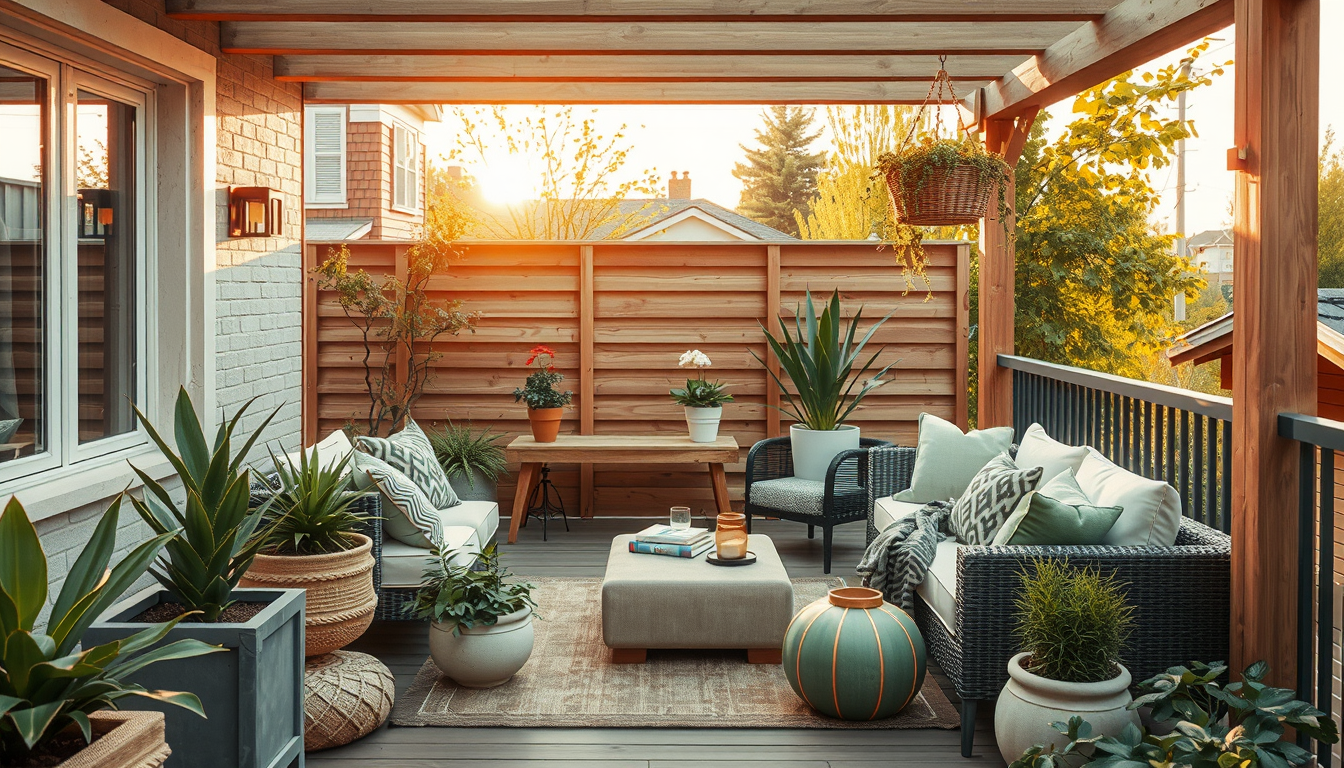
Most pergola ideas Canada homeowners find online are written for climates that never dip below freezing — and that is a problem when your backyard swings from -20°C in January to 35°C in July. A pergola is one of the smartest outdoor investments you can make, but only if the design, materials, and engineering are built for Canadian weather. The average custom pergola runs $5,000–$25,000 CAD, and a poor material choice can mean cracked beams and sagging rafters within three winters. This guide covers the styles, materials, permit rules, and four-season upgrades that actually work north of the border — so your investment lasts decades, not seasons.
Top Pergola Ideas Canada Homeowners Choose for Every Backyard
Canadian backyards tend to be narrower than their American counterparts, especially in Toronto’s urban core where lots average 20–25 feet wide. That constraint shapes which pergola styles make practical sense.
Freestanding pergolas remain the most versatile choice. They can anchor a dining zone, define a lounge area, or frame an outdoor kitchen setup without any structural attachment to the house. Because they stand independently, they often fall below the permit threshold in many Ontario municipalities.
Attached pergolas extend from the home’s exterior wall, creating a natural transition between indoor and outdoor living. They work well on properties where the backyard is too narrow for a freestanding structure. The tradeoff: attachment to the house almost always triggers a building permit requirement.
Louvred-roof pergolas have surged in popularity across Canada. Brands like StruXure and Mirador use adjustable aluminum slats that rotate to block rain or let sunlight through. These systems let homeowners extend their usable outdoor season from April through October — a genuine game-changer in a climate with a short summer window.
Modern minimalist pergolas with clean steel or aluminum frames and no traditional lattice top suit the contemporary architecture common in Toronto’s new builds and condo townhome developments. They pair well with the streamlined aesthetic many homeowners are already bringing to their indoor living spaces.
A pergola is not just shade — it is the architectural skeleton of your outdoor room. Get the bones right, and everything else (lighting, textiles, plants) layers on effortlessly.
Best Pergola Materials Built to Survive Canadian Winters
Shop Balcony and Patio Pieces That Fit
Toronto outdoor spaces are often tight, so look for stackable seating, slim tables, and weather-ready textiles first.
Toronto Interior Designer may earn a commission if you shop through these links at no extra cost to you.
Material selection is where Canadian pergola projects diverge sharply from US advice. Freeze-thaw cycles, ice accumulation, and UV exposure during long summer days all punish inferior materials. Here is how the main options stack up:
| Material | Lifespan (Canada) | Maintenance | Cost Range (CAD) | Best For |
|---|---|---|---|---|
| Western Red Cedar | 15–25 years | Stain every 2–3 years | $8,000–$18,000 | Traditional warmth, natural rot resistance |
| Pressure-Treated SPF | 10–20 years | Stain every 1–2 years | $5,000–$12,000 | Budget-friendly, widely available |
| Powder-Coated Aluminum | 25+ years | Occasional wash | $12,000–$25,000 | Zero maintenance, modern aesthetic |
| Vinyl/PVC | 15–20 years | Minimal | $6,000–$14,000 | Low upkeep, limited style options |
| Untreated Pine or Fir | 5–8 years | Heavy annual maintenance | $3,000–$7,000 | Not recommended for Canadian climates |
Western red cedar and pressure-treated SPF (spruce-pine-fir) are the two most commonly used pergola woods in Canada, sourced directly from Canadian mills. Cedar offers natural oils that resist rot and insects without chemical treatment, while pressure-treated SPF delivers solid performance at a lower price point.
Aluminum is gaining serious ground among homeowners who want a build-it-and-forget-it solution. Powder-coated finishes resist chipping in freeze-thaw conditions, and aluminum frames will never crack, warp, or attract carpenter ants. The premium cost pays back over time through zero maintenance. At Toronto Interior Designer, we consistently recommend against untreated softwoods — they simply cannot handle the moisture cycling that Canadian winters impose.
Ontario Pergola Permit Rules Every Homeowner Should Know
Permits are one of the most frequently asked — and most frequently misunderstood — topics in Canadian outdoor building. In Toronto and most Ontario municipalities, a building permit is typically required for pergolas that are attached to the home or exceed 10 m² (approximately 108 square feet) in footprint, per Ontario Building Code guidelines. That 10 m² threshold is smaller than most people assume — it is roughly a 10-by-10-foot structure.
Here is a quick checklist to determine your permit situation:
- Measure your planned footprint. If it exceeds 10 m², budget for a permit application regardless of style.
- Check if it attaches to your house. Attached pergolas almost always require a permit because they affect the building envelope.
- Confirm your property setbacks. Most Toronto zoning bylaws require structures to sit at least 0.6 m from side and rear lot lines.
- Verify your lot coverage. Adding a pergola increases your total lot coverage, which has maximum thresholds depending on your zoning category.
- Contact your local building department. Rules vary by municipality — what applies in Toronto may differ in Mississauga, Vaughan, or Hamilton.
Permit fees in Toronto typically range from $200–$500 CAD for a simple accessory structure. Skipping the permit to save a few hundred dollars can result in fines, forced removal, or complications when you sell your home.
DIY vs. Professional Pergola Installation: A Canadian Cost Guide
Pergola kit sales have exploded in Canada, with big-box retailers and online suppliers offering pressure-treated wood kits starting around $1,500–$3,000 CAD for a basic 10-by-10-foot structure. The DIY route is appealing, but the decision hinges on more than budget alone.
DIY makes sense when: you are building a small freestanding pergola under the permit threshold, you have experience with post-hole digging and level framing, and you are using a pre-engineered kit with detailed instructions.
Hire a professional when: the pergola attaches to your home, spans more than 12 feet, will carry a solid or retractable roof, or sits on uneven terrain. Snow load is a critical engineering factor — Toronto’s ground snow load is approximately 1.1 kPa (23 psf), meaning rafters must be properly sized to handle winter accumulation. An undersized beam under a heavy snow load is a safety hazard, not just a cosmetic problem.
Professional installation for a mid-size cedar or aluminum pergola typically runs $5,000–$15,000 CAD in the Greater Toronto Area, including footings, assembly, and finishing. Toronto Interior Designer recommends getting at least three quotes and confirming that your contractor pulls the permit on your behalf.
Four-Season Pergola Upgrades That Work in Canadian Climates
The biggest mistake Canadian homeowners make is designing a pergola for July and ignoring the other eleven months. A four-season approach dramatically increases your return on investment.
Spring and fall: Install a retractable canopy or louvred roof system to manage rain and extend comfortable use into shoulder seasons. A quality retractable shade runs $800–$2,500 CAD and mounts directly to pergola beams.
Summer: Layer in shade sails, climbing plants like Virginia creeper or hardy clematis (both thrive in Ontario’s climate zone), and outdoor curtains for privacy and sun control. String lighting transforms a pergola into an evening entertaining space — connect it to your approach to outdoor decor and accents.
Winter: If your pergola has a solid or louvred roof, keep it clear of heavy snow buildup with a telescoping roof rake. For open-rafter pergolas, winter is largely hands-off — just ensure posts are footed below the frost line (48 inches minimum in Toronto) so freeze-thaw does not heave the structure.
Year-round additions: Outdoor heaters, weatherproof speakers, and permanent LED lighting turn a pergola into a true room. The best four-season pergolas we see in Toronto treat the structure as infrastructure — the seasonal accessories simply rotate in and out.
What to Do Next
- Set your budget range. Decide between a $1,500 DIY kit and a $15,000+ professional build before you start shopping materials.
- Measure your footprint and check permit requirements. Contact Toronto’s building department or your local municipality to confirm thresholds.
- Choose your material based on maintenance tolerance. Cedar for warmth, aluminum for zero upkeep, pressure-treated SPF for value.
- Decide on a roof strategy. Open rafters for a classic look, louvred systems for four-season control, or retractable canopies for a middle ground.
- Get three contractor quotes if going the professional route, and confirm each includes permit handling and footing installation.
- Plan your layering. Lighting, textiles, and plantings are what turn a pergola from a structure into a space you actually use.
Whether you are working with a compact Toronto backyard or a sprawling suburban lot, the best pergola ideas Canada homeowners can invest in are the ones engineered for the climate we actually live in. Build for four seasons, choose materials that can take the punishment, and your pergola will anchor your outdoor living for years to come. Toronto Interior Designer covers more outdoor and renovation guidance in our renovation tips archive — start there for your next project.
Layer the Outdoor Room
Lighting, planters, and textiles can stretch a short summer season and make even a small balcony feel intentional.
Toronto Interior Designer may earn a commission if you shop through these links at no extra cost to you.
Frequently Asked Questions
Do you need a permit to build a pergola in Ontario?
In most Ontario municipalities, a building permit is required if the pergola exceeds 10 m² (about 108 sq ft) or attaches to your home. Freestanding pergolas under that threshold may be exempt, but setback and lot coverage rules still apply. Always confirm with your local building department before starting construction.
What is the best pergola material for Canadian winters?
Western red cedar and powder-coated aluminum are the top choices for Canadian climates. Cedar offers natural rot resistance and lasts 15–25 years with regular staining, while aluminum delivers 25+ years of maintenance-free performance through freeze-thaw cycles. Pressure-treated SPF is a solid budget alternative.
How much does a pergola cost in Canada?
A basic DIY pergola kit starts around $1,500–$3,000 CAD, while a professionally installed mid-size cedar or aluminum pergola typically costs $5,000–$25,000 CAD in the Greater Toronto Area, including footings, assembly, and finishing.