
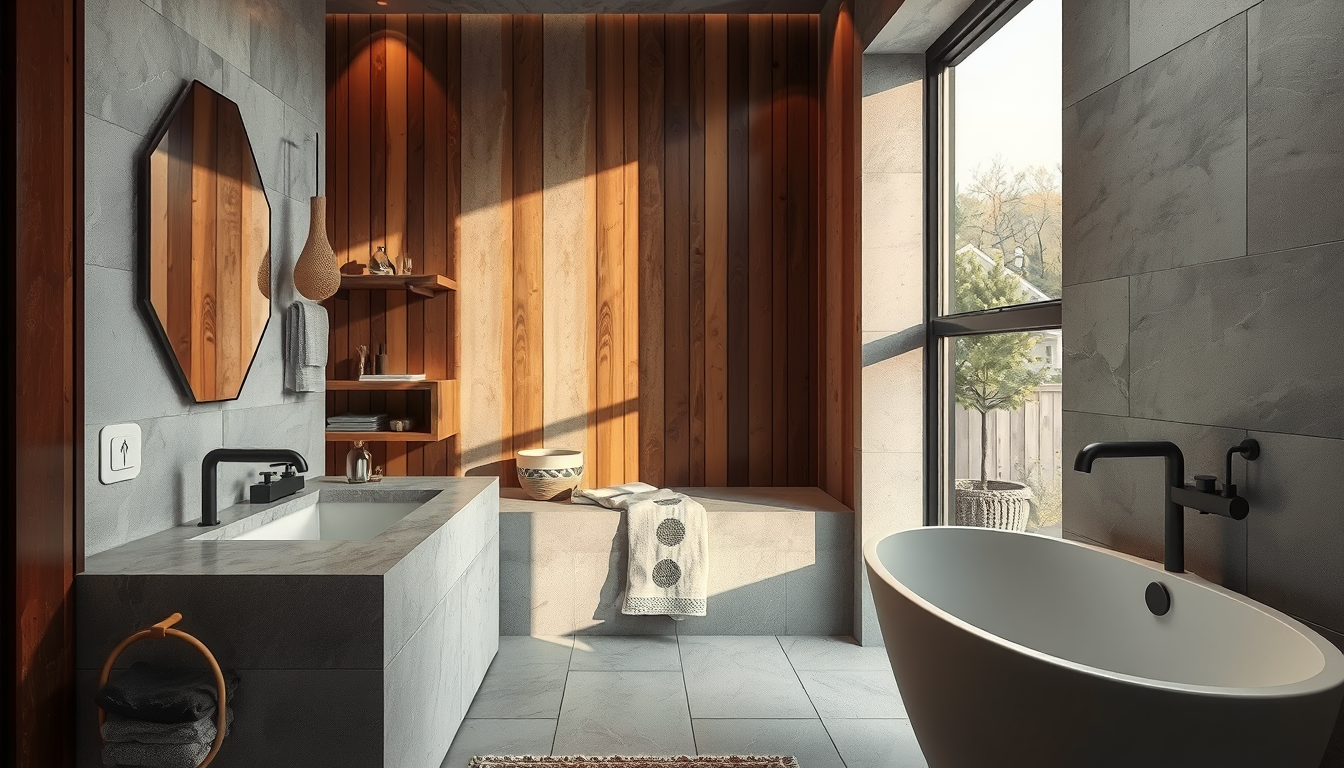
If you’re searching for toronto bathroom renovation ideas that go beyond a fresh coat of paint, the spa bathroom is the renovation worth your attention in 2026. Toronto homeowners are investing in their bathrooms not as afterthoughts but as private retreats — spaces designed around warmth, texture, and daily calm. With average GTA home prices still above $1 million, renovating in place makes more financial sense than moving, and a well-executed bathroom upgrade recovers an estimated 60–70% of its cost at resale . The trend is clear: your bathroom should work as hard for your wellbeing as it does for your home’s value.
Why Toronto Homeowners Are Choosing Spa Bathroom Renovations
The spa-bathroom movement isn’t just an Instagram aesthetic — it’s a practical response to how Torontonians actually live. We endure six months of cold, grey weather. Commutes are long. Condos are tight. A bathroom that feels like a refuge isn’t a luxury; it’s a quality-of-life upgrade that pays dividends every single morning.
Canadian shelter media agrees. House & Home recently dedicated editorial space to bringing spa vibes into bathroom renovations, confirming this is a priority for Canadian homeowners, not just a coastal US trend . Google Trends data for Ontario shows “spa bathroom renovation” searches climbing year-over-year since 2023, with consistent Q1 peaks as homeowners plan spring and summer projects.
What makes this trend stick is that it scales. A full gut-job spa conversion might run $55,000–$75,000+, but meaningful upgrades — heated floors, a rainfall shower head, better lighting — can land well under $25,000. At Toronto Interior Designer, we see readers gravitating toward renovations that layer a few high-impact spa elements rather than chasing a magazine-cover overhaul. The goal isn’t to replicate a Muskoka resort; it’s to make your existing bathroom feel intentional.
Best Spa-Worthy Materials and Fixtures for Toronto Bathrooms
Upgrade the Details That Change Everything
Lighting, mirrors, and matte hardware can make a modest bathroom renovation feel far more custom.
Toronto Interior Designer may earn a commission if you shop through these links at no extra cost to you.
Material selection matters more in Toronto than in milder climates. Temperature swings from –20°C winters to humid summers stress grout, tile adhesion, and metal finishes. Choosing the wrong stone or skimping on waterproofing leads to cracked grout, mildew, and costly repairs within a few years. Here’s what actually performs in GTA bathrooms:
| Element | Recommendation | Budget Range (CAD) | Works Best In |
|---|---|---|---|
| Floor tile | Large-format porcelain (24×24 or larger) — fewer grout lines, easier to waterproof | $8–$22/sq ft installed | Condos, Victorian semis |
| Heated flooring | Electric mat system under porcelain tile | $10–$25/sq ft installed | All Toronto homes (6-month ROI on comfort) |
| Shower head | Rain or dual-function head rated for hard water | $150–$600 | Any bathroom with adequate water pressure |
| Vanity countertop | Quartz or sintered stone (resists humidity better than marble) | $60–$120/sq ft fabricated | Condos with limited ventilation |
| Wall treatment | Large-format porcelain slab or microcement | $25–$50/sq ft installed | Wet rooms, shower surrounds |
| Fixtures/hardware | Brushed nickel or matte black (hides water spots from Toronto’s hard water) | $200–$1,500 per set | Universal |
For shower heads specifically, hard-water performance is non-negotiable in the GTA. Toronto’s municipal supply is among the hardest in Ontario, and calcium buildup clogs spray nozzles fast. We reviewed the top options in our best shower head Canada 2026 guide — it’s worth reading before you commit to a fixture.
“The best spa bathrooms aren’t the biggest — they’re the ones where every material was chosen for how it feels underfoot, under hand, and under Toronto’s water.”
Sourcing locally helps both budget and lead times. Toronto tile suppliers like Ciot, Saltillo, and Stone Tile carry porcelain slabs and natural stone suited to wet-room applications. Visiting showrooms in person lets you test texture and slip resistance — two things you can’t evaluate from a screen.
Small-Bathroom Spa Ideas for Toronto Condos and Victorian Homes
Toronto’s housing stock creates real constraints. Victorian semis often have narrow second-floor bathrooms wedged beside a stairwell. Post-war bungalows may have a single 5×8 main bath. Condo units from the 1970s through 2000s frequently come in at 40–50 square feet with fixed plumbing stacks you can’t easily relocate.
Those constraints actually push design in useful directions. Here are five strategies that deliver spa feeling in tight Toronto footprints:
- Curbless shower with linear drain. Eliminating the tub-shower combo and curb opens the floor visually and physically. Budget $3,000–$7,000 for the floor drain relocation and waterproofing membrane work this requires in most Toronto homes.
- Wall-mounted vanity. Floating the vanity exposes floor tile and makes a 50-square-foot bathroom feel noticeably larger. Pair with a vessel sink to keep the spa aesthetic clean.
- Niche shelving instead of corner caddies. A recessed shower niche is flush, minimal, and holds everything. Build it into the wet wall during tile work — retrofitting later costs triple.
- Warm, layered lighting. Replace the single overhead fixture with dimmable sconces flanking the mirror plus a recessed LED strip at the toe-kick. This single change shifts a bathroom from clinical to calm.
- Heated towel bar. At $300–$800 installed, this is the highest comfort-per-dollar spa upgrade. In Toronto’s long winters, stepping out of a shower to a warm towel is the definition of private retreat.
For broader layout inspiration beyond the bathroom, our renovation tips archive covers approaches for every room in tight Toronto floorplans.
Toronto Bathroom Renovation Permits, Plumbing, and Planning Tips
Once you’ve settled on a design direction, the practical side takes over. Spa upgrades often cross the line from cosmetic refresh into permit territory. Here’s what Toronto homeowners need to watch:
When you need a City of Toronto building permit:
- Moving or adding plumbing (drain relocation for curbless showers, adding a steam shower line)
- Electrical work beyond simple fixture swaps (heated floors, new circuits for towel warmers or steam units)
- Structural changes (removing a wall between bathroom and closet to expand the footprint)
Code requirements that affect spa builds:
- All bathroom receptacles require GFCI protection — relevant if you’re adding outlets for heated mirrors or towel bars.
- Enclosed bathrooms need minimum ventilation of 50 CFM intermittent or 20 CFM continuous. Steam showers push this further; most contractors recommend upgrading to an 80–110 CFM fan.
- Waterproofing membranes for curbless showers must meet current code — insist on a bonded membrane system (like Schluter DITRA or Laticrete Hydro Ban) applied by a certified installer.
Basement bathrooms deserve special mention. Many Toronto homes have below-grade rough-ins with a 3-inch drain and basic stack connection. Converting these into spa-level spaces — think walk-in showers with body jets — often requires an ejector pump upgrade and additional waterproofing. Budget an extra $2,000–$5,000 for below-grade plumbing prep.
Hiring a contractor who has pulled permits in your specific ward before saves time. Toronto’s permit process can run 4–8 weeks depending on the scope, and experienced local contractors know which inspectors cover your area and what documentation to prepare.
What to Do Next
If you’re ready to move from browsing to actually planning your renovation, here’s your checklist:
- Set your scope and budget. Decide if this is a cosmetic refresh ($8,000–$15,000), a mid-range spa upgrade ($25,000–$45,000), or a full gut-and-rebuild ($50,000–$75,000+).
- Measure your bathroom. Record length, width, ceiling height, window placement, and existing plumbing locations. Every designer and contractor will need these.
- Visit one local tile showroom. Ciot, Saltillo, or Stone Tile — touch the materials, test slip resistance, and get a feel for price per square foot in 2026.
- Check permit requirements. If your plans involve moving plumbing or adding electrical, call 311 or visit the City of Toronto’s building permits page to confirm what you need.
- Choose your highest-impact upgrade first. If budget is tight, start with heated floors and a quality shower head — they transform daily experience for under $5,000.
- Browse more ideas. Our bathroom category has additional guides on fixtures, layouts, and sourcing for Toronto homes.
The best bathroom renovations aren’t about copying a resort. They’re about designing a space that makes an ordinary Tuesday morning in Toronto feel a little more intentional — and that’s worth every dollar of the investment.
Keep Small Bathrooms Working Hard
Compact storage, simple shelving, and clean-lined accessories are the fastest way to add polish without crowding the room.
Toronto Interior Designer may earn a commission if you shop through these links at no extra cost to you.
Sources
- Appraisal Institute of Canada — https://www.aicanada.ca
- House & Home — https://houseandhome.com
Frequently Asked Questions
How much does a spa bathroom renovation cost in Toronto?
A cosmetic refresh runs $8,000–$15,000, a mid-range spa upgrade $25,000–$45,000, and a full gut-and-rebuild $50,000–$75,000+. Heated floors and a quality shower head can transform your daily routine for under $5,000.
Do I need a permit for a bathroom renovation in Toronto?
You need a City of Toronto building permit if you are moving or adding plumbing, doing electrical work beyond simple fixture swaps, or making structural changes. Cosmetic updates like painting, new fixtures, and re-tiling typically do not require a permit.
What bathroom materials work best in Toronto’s climate?
Large-format porcelain tile, quartz or sintered stone countertops, and brushed nickel or matte black fixtures perform well against Toronto’s temperature swings and hard water. Heated flooring is especially worthwhile given six months of cold weather.