
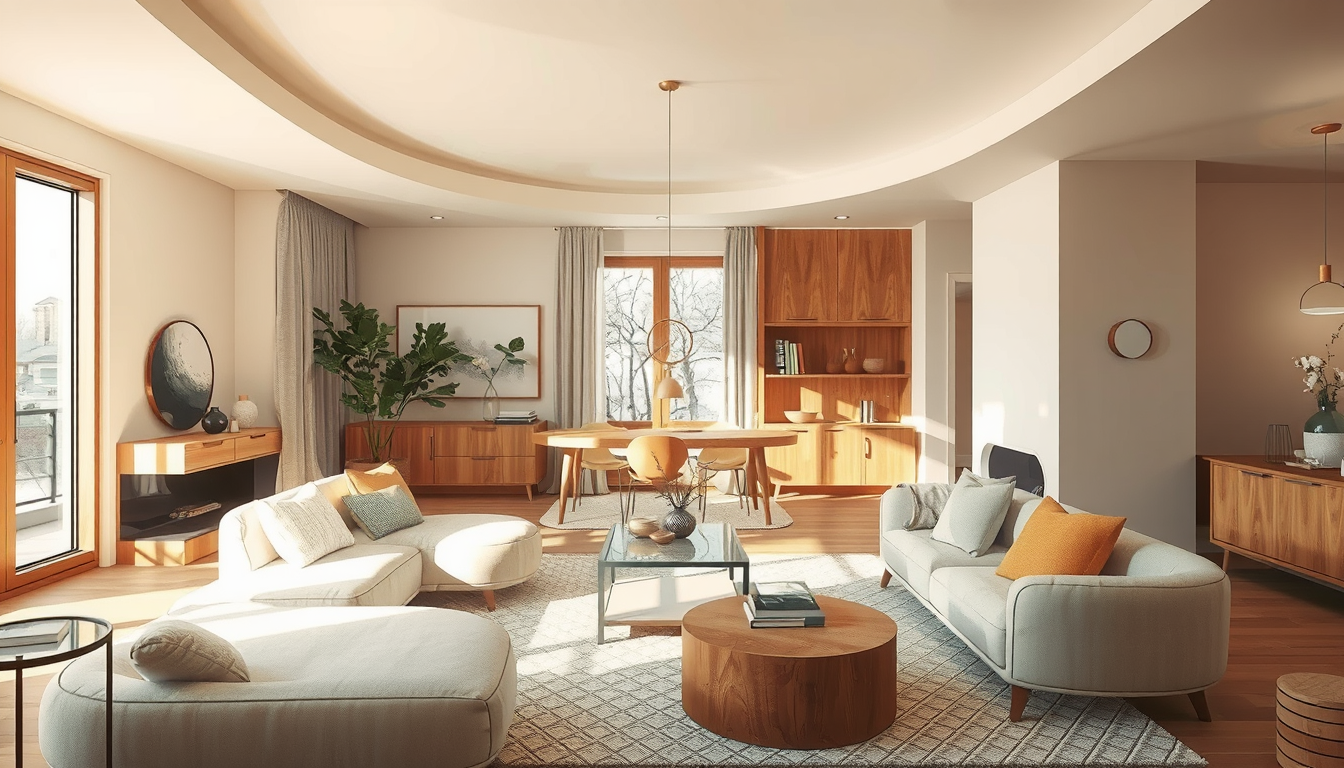
Wellness home design canada is no longer a luxury talking point — it is a survival strategy for anyone living through five months of limited daylight, bone-dry indoor air, and wind chills that make stepping outside feel hostile. Seasonal Affective Disorder affects 2–10% of Canadians, with rates climbing at higher latitudes . Toronto averages roughly 2,066 sunshine hours per year, compared to 3,000-plus in the southern US cities where most design magazines publish their “wellness home” features . Advice built for Phoenix does not work in Parkdale. Canadian homes need wellness systems designed around our specific climate challenges — not imported mood boards from Malibu.
At Toronto Interior Designer, we see this shift in every project brief: clients no longer ask for spa-like bathrooms as a style choice. They ask because their bodies demand it. This article breaks down the practical, room-by-room approach to wellness design that works in Canadian homes — from circadian lighting to in-home hydrotherapy to biophilic strategies that survive a Zone 5 winter.
Why Wellness Home Design in Canada Needs a Climate-First Approach
Most wellness design coverage comes from publications based in temperate or sun-drenched climates. The advice — open floor plans flooded with natural light, indoor-outdoor flow, living walls of tropical plants — assumes conditions Canadian homeowners simply do not have for half the year.
Here is what makes our situation different:
- Daylight scarcity. From November through February, Toronto sees fewer than nine hours of daylight, and much of it arrives filtered through overcast skies.
- Extreme dryness. Indoor humidity in heated Canadian homes can drop below 20% in winter, well under the 30–50% range Health Canada recommends for respiratory and skin health .
- Airtight building envelopes. Canada’s updated National Building Code pushes toward energy-efficient, sealed construction. That benefits heating bills, but it means indoor air quality depends entirely on mechanical ventilation — HRV and ERV systems — rather than passive airflow .
- Thermal shock transitions. Moving from –20°C outdoor air into a heated home stresses the body. Mudrooms and entry zones become wellness infrastructure, not just storage.
These are not aesthetic problems. They are health problems, and they require design solutions rooted in building science.
Circadian Lighting: The Essential Wellness Upgrade for Canadian Winters
See the Pieces Behind the Trend
Translate trend ideas into real products by starting with lighting, occasional furniture, and layered decor.
Toronto Interior Designer may earn a commission if you shop through these links at no extra cost to you.
If you change one thing in your home, make it the lighting. Circadian lighting systems adjust colour temperature throughout the day — cool, bright tones in the morning to suppress melatonin, warm amber tones in the evening to encourage sleep.
Practical options for Canadian homes:
- Tunable LED panels in kitchens and home offices, the rooms where you spend mornings. Budget: $300–$800 per room for retrofit fixtures with tunable white capability.
- Full-spectrum light therapy stations built into kitchen nooks or reading corners, replacing the sad desktop light box with integrated living space design that feels intentional rather than medicinal.
- Smart lighting automation using systems like Lutron Ketra or Philips Hue that follow a programmed daylight curve without manual adjustment.
The key is layering. A single overhead fixture cannot replicate a circadian system. You need task lighting, ambient lighting, and dedicated bright-light zones — all calibrated to the time of day and the season.
“Good lighting design in a Canadian home is not decorative — it is clinical. We are literally replacing the sunlight our clients are not getting for five months of the year.” — Studio-based observation from Toronto wellness renovation projects
Home Saunas and Hydrotherapy in Toronto: Costs and Installation Guide
Post-pandemic, hydrotherapy has moved from resort amenity to residential essential. Kohler’s acquisition of KLAFS — a German sauna manufacturer — and the launch of their retractable residential sauna model signals that the industry expects mainstream home adoption . Toronto Interior Designer project briefs increasingly include dedicated wellness rooms with cold plunge tubs, infrared saunas, and steam showers.
What fits in a Toronto home:
- Infrared sauna panels can retrofit into an existing closet or bathroom renovation as small as 4×5 feet. Budget: $2,500–$6,000 installed.
- Cold plunge tubs range from portable barrel units ($1,500–$3,000) to built-in plunge pools in basement renovations ($8,000–$15,000 including plumbing).
- Steam shower conversions in existing bathrooms require a sealed enclosure, a steam generator, and proper basement waterproofing if located below grade. Budget: $4,000–$10,000.
The critical installation detail most homeowners miss: ventilation. Sauna and steam rooms in tight Canadian homes demand dedicated exhaust and moisture management. Without it, you are trading wellness for mould.
Biophilic Wellness Design That Thrives in Canada’s Zone 5 Climate
Biophilic design — integrating nature into the built environment — is well-proven to reduce cortisol and improve focus . But most biophilic advice assumes year-round growing conditions. In Toronto, you need plants and materials that handle dry indoor air, limited winter light, and dramatic seasonal shifts.
What actually works here:
- Snake plants, ZZ plants, and pothos tolerate low humidity and indirect light through Canadian winters. Skip the fiddle-leaf fig unless you have a south-facing window with consistent exposure.
- Hydroponic herb systems mounted in kitchens provide living greenery, fresh herbs, and grow-light illumination in one unit — a genuine multi-function wellness tool.
- Natural material palettes — white oak, stone, wool, and linen — deliver biophilic texture without living-plant maintenance. These materials also age gracefully in heated, dry interiors where tropical woods tend to crack and warp.
- Water features scaled for condos and small homes (tabletop fountains, recirculating wall features) add humidity and white noise without plumbing modifications.
How to Make Wellness Home Design Timeless in Any Canadian Home
The fastest way to date a renovation is to chase a single trend hard. Wellness design avoids this trap when you anchor it in building performance rather than aesthetics. A properly designed circadian lighting system will never look dated because it is invisible infrastructure. An HRV system does not go out of style. A sauna built with quality materials serves you for decades.
| Trend | Why It Works in Toronto Homes | Budget Impact | Best Room |
|---|---|---|---|
| Circadian lighting systems | Compensates for 5+ months of daylight scarcity; supports sleep and mood | $300–$800/room retrofit | Kitchen, home office |
| In-home infrared sauna | Year-round hydrotherapy without leaving the house in winter | $2,500–$6,000 installed | Basement, bathroom |
| Whole-home humidification | Counteracts sub-20% indoor humidity from forced-air heating | $1,500–$3,500 installed | Whole home (mechanical) |
| HRV/ERV ventilation | Maintains air quality in airtight Canadian builds; recovers heat | $3,000–$7,000 installed | Whole home (mechanical) |
| Biophilic material palette | Delivers nature-connection without relying on live plants through winter | Varies by material | Living room, bedroom |
The through-line: invest in systems that solve a real climate problem. If a wellness feature only works as a photo opportunity, it will feel hollow within a year. If it measurably improves your air, light, or thermal comfort, it becomes part of the house — permanent and invisible.
Your Wellness Home Design Canada Checklist: Where to Start
Wellness design is not a single renovation — it is a sequence of targeted upgrades matched to your home’s specific weaknesses. Here is how to begin:
- Audit your light. Measure how much natural daylight reaches your main living and working spaces in January. If the answer is “not much,” circadian lighting is your first project.
- Check your humidity. A $20 hygrometer will tell you if your winter indoor air drops below 30%. If it does, a whole-home humidifier pays for itself in comfort and health.
- Assess your ventilation. If your home was built or renovated to current energy codes, confirm you have an HRV or ERV system. This is a priority before adding any moisture-generating features like saunas or steam showers.
- Start one hydrotherapy element. Even a quality bathroom upgrade with a rain showerhead and steam capability moves the needle.
- Consult a designer who understands climate. Wellness design requires building science knowledge, not just aesthetic instinct. Toronto Interior Designer connects homeowners with professionals who design for how we actually live through Canadian winters.
Your home should not just look good. It should make you feel better — especially from November to April, when you need it most.
Keep the Trend Livable
Ground any trend with simple, versatile pieces that still work when the room evolves over the next few years.
Toronto Interior Designer may earn a commission if you shop through these links at no extra cost to you.
Sources
- Canadian Mental Health Association — https://cmha.ca/brochure/seasonal-affective-disorder-2/
- Environment and Climate Change Canada — https://climate.weather.gc.ca/
- Health Canada — https://www.canada.ca/en/health-canada/services/air-quality/residential-indoor-air-quality-guidelines.html
- National Research Council Canada — https://nrc.canada.ca/en/certifications-evaluations-standards/codes-canada/codes-canada-publications/national-building-code-canada-2020
- Design Milk — https://design-milk.com/
- Terrapin Bright Green — https://www.terrapinbrightgreen.com/reports/14-patterns/
Frequently Asked Questions
What is wellness home design in Canada?
Wellness home design in Canada uses building science to address our specific climate challenges — circadian lighting for dark winters, whole-home humidification for dry heated air, HRV ventilation for airtight builds, and biophilic materials suited to Zone 5 conditions.
How much do wellness home upgrades cost in Canada?
Costs vary by feature. Circadian lighting retrofits run $300–$800 per room, infrared sauna installations cost $2,500–$6,000, whole-home humidifiers range from $1,500–$3,500, and HRV/ERV systems cost $3,000–$7,000 installed.
What are the best wellness plants for Canadian homes in winter?
Snake plants, ZZ plants, and pothos tolerate low humidity and indirect light through Canadian winters. Hydroponic herb systems with built-in grow lights provide living greenery and fresh herbs year-round, even in homes with limited natural light.