
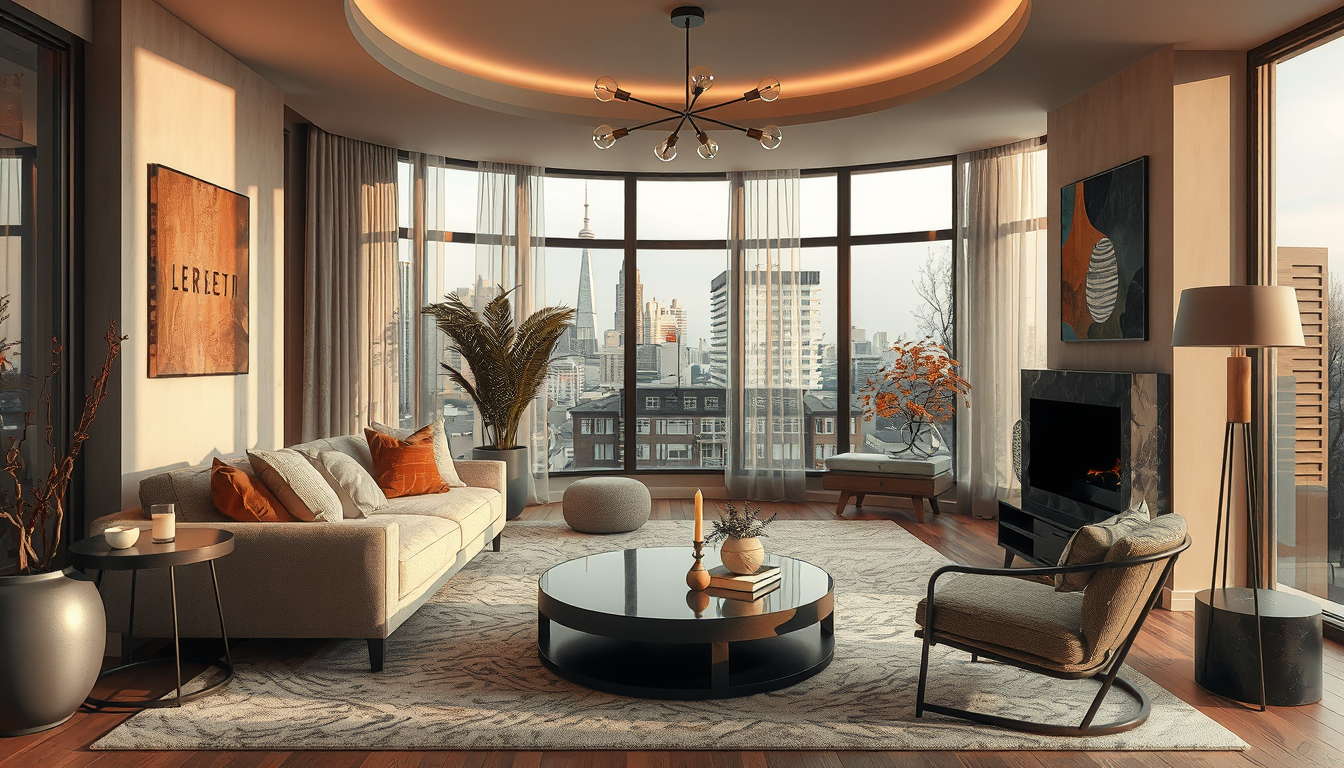
A portable ac renter in Toronto should choose a properly sized dual-hose unit, compare its DOE/SACC capacity and secure written window approval before installation. If the landlord supplies air conditioning, the apartment must remain at or below 26°C from June 1 through September 30 (City of Toronto, Municipal Code Chapter 497).
Last updated: April 1, 2026 Meta description: Choose a portable AC renter setup for Toronto summers with SACC sizing, renter-safe installation, condo rules and Canadian prices. Disclosure: Toronto Interior Designer has no affiliate relationship with the retailers mentioned.
What Should a Portable AC Renter in Toronto Know Before Buying?
Start with the lease, condominium rules and DOE/SACC rating—not the larger advertised ASHRAE capacity. Toronto landlords that provide air conditioning must maintain a maximum indoor temperature of 26°C from June 1 to September 30, but the rule does not require every landlord to install cooling (City of Toronto, Municipal Code Chapter 497).
If the landlord supplies air conditioning, the apartment must remain at or below 26°C from June 1 through September 30 (City of Toronto, Municipal Code Chapter 497).
Before ordering, confirm how the exhaust hose will reach the window, where the appliance will stand and whether the nearest receptacle meets the manufacturer’s electrical requirements (Electrical Safety Authority; manufacturer installation manual).
Check the lease and condominium rules
Obtain written approval before drilling, removing a fixed screen or changing a window assembly. Ontario condominium corporations may regulate exterior appearance, noise, common elements and alterations to windows, which may be corporation property even when accessed from inside the unit (Condominium Authority of Ontario).
Ask the landlord or property manager to approve the proposed model, insert material and installation method. Attach a product image or sketch so the approval covers the visible exterior panel as well as the appliance.
A portable unit with a removable insert is usually easier to reverse than a permanently mounted window appliance. Reversibility does not override lease terms or condominium rules, so written approval remains important (Condominium Authority of Ontario).
Verify electrical certification
Look for a Canadian certification mark such as CSA, cUL or cETL. The Electrical Safety Authority advises consumers to use approved electrical products according to their certification and manufacturer instructions (Electrical Safety Authority).
Plug the air conditioner directly into a suitable receptacle unless its manufacturer expressly permits a correctly rated extension cord. Portable air conditioners can place a substantial load on a circuit, and overloaded or improperly used cords create electrical hazards (Electrical Safety Authority).
Plan for a compact Toronto floor plan
Urbanation reported that the average new GTA condominium launched in 2022 measured 658 square feet, making hose routing, operating clearance and seasonal storage significant planning concerns (Urbanation, 2023).
For this guide, we reviewed SACC labels, dimensions, hose arrangements and listed prices across four Canadian retail catalogues. The recurring layout challenge was the clearance behind the appliance for the hose and its bends—not simply the cabinet width (Home Depot Canada; Canadian Tire; Best Buy Canada; IKEA Canada).
What Should You Budget for Toronto Apartment Cooling?
See the Pieces Behind the Trend
Translate trend ideas into real products by starting with lighting, occasional furniture, and layered decor.
Toronto Interior Designer may earn a commission if you shop through these links at no extra cost to you.
Budget approximately C$600–$1,000 for a compact dual-hose portable air conditioner or C$350–$750 for a single-hose model. These planning ranges reflect listed Canadian prices reviewed in April 2026; promotions, availability and specifications vary by retailer and season (Home Depot Canada; Canadian Tire; Best Buy Canada).
Confirm the final price, DOE/SACC rating, warranty and return policy before ordering. A lower purchase price may not represent better value if the unit is incorrectly sized or cannot connect safely to the available window (U.S. Department of Energy; Electrical Safety Authority).
Toronto cooling cost guide
| Cooling setup | Best Toronto application | Typical price (CAD) | Local planning note |
|---|---|---|---|
| Compact dual-hose portable AC | CityPlace or Liberty Village condo | $600–$1,000 | Reduces the negative-pressure problem associated with single-hose units (U.S. Department of Energy) |
| Single-hose portable AC | Short-term rental or occasional use | $350–$750 | Lower initial cost, but indoor air is used to cool the condenser (U.S. Department of Energy) |
| Window air conditioner | Approved double-hung window | $250–$700 | Check lease and condo exterior-appearance rules (Condominium Authority of Ontario) |
| Removable window insert | Casement or horizontal slider | $80–$220 | Measured acrylic or polycarbonate generally costs more than a fabric kit (Canadian retail listings, April 2026) |
| Fan and cellular shade | Bedroom with existing central cooling | $120–$500 | Provides supplemental comfort without refrigerant-based cooling (ENERGY STAR) |
| Evaporative cooler | Dry outdoor or semi-outdoor area | $100–$400 | Poor primary choice for humid GTA summer conditions (ECCC; CMHC) |
Colour matching, clear inserts and controlled cable routing can make cooling equipment less visually intrusive. Accessories are available from Toronto-area retailers such as CB2 on Queen Street West and EQ3 in Liberty Village, but curtains and decorative screens must not obstruct the manufacturer’s required airflow clearances (CB2; EQ3; manufacturer installation manual).
Which Portable AC Renter Cooling Option Works Best in Toronto?
A dual-hose portable air conditioner is usually the strongest renter-friendly compromise for a room with a casement or sliding window. One hose draws in outdoor air for the condenser while the other exhausts heat, reducing the negative indoor pressure created by a single-hose design (U.S. Department of Energy).
A window unit can be more efficient because its condenser remains outside the room, but it requires a compatible opening and permission under the lease or condominium rules (ENERGY STAR; Condominium Authority of Ontario).
Compare the main cooling options
| Type | Humidity effect | Window impact | Indoor footprint | Best use |
|---|---|---|---|---|
| Dual-hose portable AC | Removes moisture | Removable hose insert | Moderate | Toronto rental with a casement or sliding window |
| Single-hose portable AC | Removes moisture | Removable hose insert | Moderate | Lower budget or occasional operation |
| Window AC | Removes moisture | Mounted in the opening | Minimal | Approved double-hung window |
| Evaporative cooler | Adds moisture | Usually none | Low to moderate | Dry outdoor or semi-outdoor conditions |
| Fan with shade | Does not remove moisture | None | Low | Supporting central or room air conditioning |
Portable and window air conditioners use refrigerated cooling and can remove moisture as they operate (ENERGY STAR; U.S. Department of Energy). Fans improve air movement but do not lower indoor humidity or provide refrigerated cooling (ENERGY STAR).
Why evaporative coolers struggle in Toronto
Evaporative coolers add water vapour to the air rather than removing it. Toronto climate normals show humid summer conditions, while CMHC recommends controlling indoor moisture to reduce condensation and mould risk (Environment and Climate Change Canada; CMHC).
For most GTA apartments, an evaporative cooler is therefore a poor substitute for refrigerated air conditioning. It may be useful in a dry outdoor or semi-outdoor setting, but it should not be marketed as equivalent to a portable AC in a closed Toronto bedroom (ECCC; CMHC).
For more comparisons, browse our buyer guides, living-space design guides and landlord-friendly décor upgrades.
How Should a Portable AC Renter Size a Unit for a Toronto Apartment?
Use the DOE/SACC capacity shown on the Canadian listing or EnergyGuide material. SACC accounts for portable-air-conditioner performance factors such as duct heat transfer and air infiltration, so it is normally lower than the older ASHRAE capacity displayed in larger type (U.S. Department of Energy).
Compare shortlisted portable units using the same rating system. A 12,000-BTU ASHRAE model cannot be compared directly with a unit advertised primarily by its DOE/SACC figure (U.S. Department of Energy).
Measure the room, not the whole apartment
Measure the enclosed room you intend to cool rather than automatically using the apartment’s marketed area. A unit serving a closed 180-square-foot bedroom should be evaluated for that room; cooling several connected rooms requires a broader heat-load assessment (ENERGY STAR; U.S. Department of Energy).
Record the room’s length and width, then multiply them to calculate square footage. Also note ceiling height, glazing, sun exposure, regular occupancy and whether the room opens to a kitchen, as these conditions affect cooling demand (ENERGY STAR).
Preserve a clear path to the door and the operating clearances stated in the manual. Our bedroom guides offer additional planning ideas for compact rooms.
Use capacity charts carefully
ENERGY STAR’s room-air-conditioner guidance recommends approximately 5,000 BTU/h for 100–150 square feet, 6,000 BTU/h for 150–250 square feet and 8,000 BTU/h for 300–350 square feet (ENERGY STAR).
Those figures apply to room air conditioners and provide only orientation for a portable model. Confirm the portable appliance’s DOE/SACC capacity and manufacturer-stated room recommendation before buying (U.S. Department of Energy).
ENERGY STAR recommends reducing capacity by 10% for a heavily shaded room, increasing it by 10% for a very sunny room, adding 600 BTU/h for each regular occupant beyond two and adding 4,000 BTU/h when the appliance serves a kitchen (ENERGY STAR).
Account for Toronto apartment conditions
Floor-to-ceiling glazing in a CityPlace condo can create substantial solar gain, so a sunny room may need more capacity within the manufacturer’s recommended range (ENERGY STAR). In a shaded Junction semi, closing doors and cooling one occupied room may reduce the required load compared with attempting to cool the full dwelling (ENERGY STAR).
These are planning adjustments, not substitutes for a professional heat-load calculation. Seek HVAC advice when one appliance must serve multiple connected rooms, unusually high ceilings or extensive west-facing glazing.
How Can a Portable AC Renter Install a Unit in Casement or Sliding Windows?
Use a removable panel fitted to the opening and approved in writing by the landlord or condominium manager. For an inward-opening casement window, a measured acrylic or polycarbonate insert usually creates a cleaner visual line than a loose fabric zipper kit while remaining removable.
Do not drill into the frame, cut glazing or alter a common element without authorization. Windows may form part of a condominium’s common elements or be governed by corporation-specific maintenance and alteration rules (Condominium Authority of Ontario).
Build a renter-safe installation kit
A practical kit includes a tape measure, removable insert, manufacturer-supplied hose, compressible weather stripping and removable cable clips. Use only components permitted by the appliance manufacturer, because incompatible hose lengths or restricted outlets can reduce performance or create unsafe operating conditions (manufacturer installation manual).
Keep the exhaust hose as short and straight as the manual permits. Do not defeat the window lock, obstruct the room’s exit or allow fabric to cover the exhaust opening (manufacturer installation manual; Ontario Fire Code).
Photograph the window before installation and retain the screen, fasteners and packaging. That record makes it easier to restore the opening at move-out.
Know when to ask Toronto Building
A removable manufacturer-supplied vent kit generally differs from structural work, a new opening or a regulated building-system alteration. Toronto Building advises property owners to confirm permit requirements before undertaking work that changes a building or its systems (City of Toronto, When Is a Building Permit Required?).
Contact Toronto Building before cutting an opening, changing structural framing or undertaking an unusual permanent installation. Condominium and landlord approval may still be required even when a municipal building permit is not (City of Toronto; Condominium Authority of Ontario).
For larger property projects, consult our garden-suite renovation checks and multigenerational garden-suite planning guide.
How Can a Portable AC Renter Make the Unit Look Intentional?
Treat the portable AC as a working appliance rather than an object to conceal completely. Choose a finish that repeats the wall, trim or largest nearby furniture piece, then route the hose and cable along one deliberate visual line.
Never place the appliance inside closed cabinetry. Its intake, exhaust and service clearances must remain open according to the manufacturer’s installation manual (manufacturer installation manual).
Coordinate the window and cable details
A clear removable panel can reduce the visual weight of a casement-window installation. Add compressible weather stripping where permitted to address visible gaps, but do not reduce the vent opening specified by the manufacturer (manufacturer installation manual).
An opaque curtain can soften the interior view of the panel if it remains clear of the intake and exhaust. Removable cable channels can align a cord with a baseboard, but the cord must remain visible enough to inspect and must never run beneath a rug (Electrical Safety Authority).
Adapt the cable-routing principles in our media-wall design guide. Additional ideas appear in Toronto design trends and our home-office guides.
Make seasonal storage easier
A low rolling platform may simplify seasonal removal if it supports the appliance’s full weight and does not compromise stability. Verify that any platform complies with the unit’s installation instructions (manufacturer installation manual).
Store the hose, remote, drain accessories and window components together after the cooling season. Label the fasteners and photograph the assembled insert before disassembly so the setup can be repeated the following summer.
Our recommendation
For most Toronto apartments, choose a correctly sized dual-hose portable AC with a removable clear window insert and written installation approval. Choose a window AC only when the opening, lease and condominium rules allow it; use a fan-and-shade package when the room already receives adequate central cooling (Condominium Authority of Ontario; ENERGY STAR).
Final buying checklist
- Compare DOE/SACC capacity across every shortlisted portable unit.
- Measure the enclosed room and available hose path.
- Confirm the manufacturer’s operating clearances.
- Obtain written landlord or condominium approval.
- Choose a removable insert for casement or sliding windows.
- Add removable weather stripping where permitted.
- Keep curtains and screens outside required clearances.
- Look for a Canadian certification mark such as CSA, cUL or cETL.
- For a bedroom, target no more than 50 dBA on low mode as an editorial comfort benchmark—not a building-code limit.
- Photograph the window before installation.
- Obtain two or three quotes for a custom acrylic or polycarbonate insert.
What Are the Best Portable AC Renter Questions to Ask?
Is a portable AC allowed in a Toronto rental?
Yes, a portable AC is generally possible if the lease, landlord and condominium rules permit the installation. Obtain written approval before altering the window, and remember that Toronto’s 26°C maximum applies from June 1 to September 30 only where the landlord supplies air conditioning (City of Toronto, Municipal Code Chapter 497).
What does SACC mean on a portable air conditioner?
SACC is the seasonally adjusted cooling capacity used under the U.S. Department of Energy test procedure for portable air conditioners. A model advertised as 12,000 ASHRAE BTU/h may show a considerably lower DOE/SACC number, so compare every unit using one rating system (U.S. Department of Energy).
How many BTUs are needed for a 250-square-foot room?
ENERGY STAR recommends approximately 6,000 BTU/h for a conventional room air conditioner serving 150–250 square feet. For a portable AC, treat that number as orientation and confirm the model’s DOE/SACC capacity and manufacturer room-size recommendation (ENERGY STAR; U.S. Department of Energy).
Are evaporative coolers effective in Toronto?
No, evaporative coolers are generally poor primary cooling devices during Toronto’s humid summer periods because they add moisture instead of removing it. A refrigerated dual-hose portable AC provides cooling and dehumidification, while Toronto’s climate normals document humid summer conditions (Environment and Climate Change Canada; U.S. Department of Energy).
How much does a renter-safe casement-window insert cost?
Budget approximately C$80–$220 for a removable casement-window insert, based on Canadian retail and custom-plastics planning ranges reviewed in April 2026. A measured acrylic or polycarbonate panel generally costs more than a universal fabric kit, so obtain at least 2 quotes for custom work (Canadian retail listings, April 2026).
Can a portable AC use an extension cord?
No—use an extension cord only if the appliance manufacturer expressly permits one with the required electrical rating. Portable units should normally plug directly into a suitable receptacle, and ESA identifies overloaded or improperly used cords as electrical hazards (Electrical Safety Authority).
Sources
- City of Toronto, RentSafeTO: Apartment Building Standards, Municipal Code Chapter 497 and When Is a Building Permit Required?
- Condominium Authority of Ontario, guidance on rules, common elements and unit modifications.
- Electrical Safety Authority, recognized certification marks and extension-cord safety.
- ENERGY STAR, Room Air Conditioner Buying Guidance and capacity chart.
- U.S. Department of Energy, portable-air-conditioner test procedure and SACC methodology.
- Environment and Climate Change Canada, Toronto climate normals.
- Canada Mortgage and Housing Corporation, indoor moisture and humidity guidance.
- Urbanation, 2023 GTA condominium market reporting.
- Home Depot Canada, Canadian Tire, Best Buy Canada and IKEA Canada product listings, accessed April 2026.
- Interior Design Show Toronto, residential-design programming.
- CB2 and EQ3, Toronto store directories.
- Manufacturer installation manuals for model-specific clearances and electrical requirements.
Toronto Interior Designer Editorial Team | GTA Residential Design Editors The Toronto Interior Designer editorial team produces practical, source-led guidance for homeowners, condominium residents and renters across the GTA. Its coverage focuses on Toronto housing constraints, Canadian products and reversible small-space design. (/author/toronto-interior-designer-editorial-team/)
Keep the Trend Livable
Ground any trend with simple, versatile pieces that still work when the room evolves over the next few years.
Toronto Interior Designer may earn a commission if you shop through these links at no extra cost to you.
Frequently Asked Questions
Is a portable AC allowed in a Toronto rental?
Generally, yes, but your lease and condominium rules may restrict window alterations, noise or exterior appearance. Get written approval before drilling or changing a window assembly.
How many BTUs does a portable AC renter need?
Size the unit for the enclosed room and compare DOE/SACC ratings, not the larger ASHRAE figure. ENERGY STAR specifies 6,000 BTU/h for a 150–250-square-foot room as general room-AC guidance.
How much does a renter-safe window insert cost?
Budget C$80–$220 for a removable fabric, acrylic or polycarbonate insert. Prices vary by supplier and window dimensions, so obtain at least 2 quotes for custom work.
Toronto Interior Designer is editorially independent. Our recommendations are based on research and editorial judgment, not brand sponsorships.