
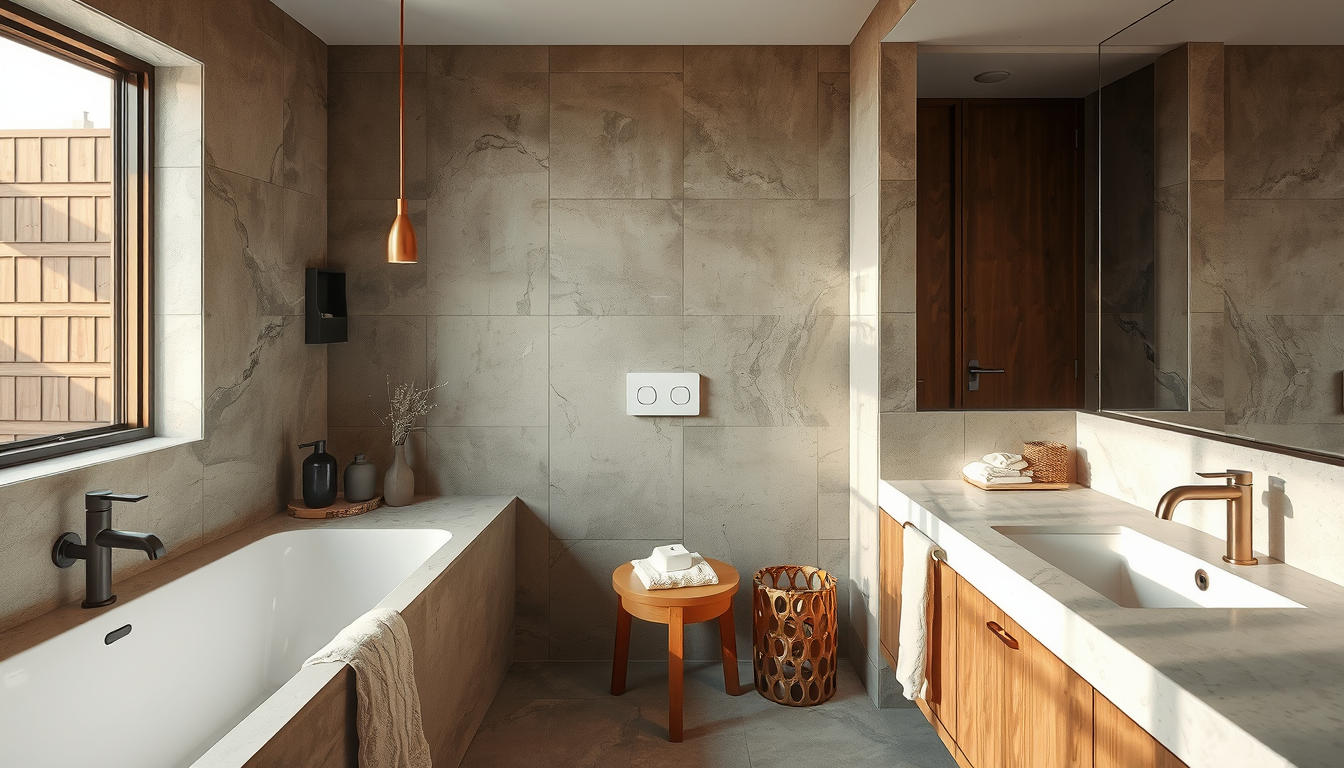
Most toronto bathroom renovation ideas you find online assume you have a sun-drenched California bungalow with endless square footage — not a century-old Victorian semi where the bathroom barely fits a tub and the January wind chill hits -25°C. That disconnect matters. A spa bathroom in Toronto isn’t just about aesthetics; it’s an engineering challenge that demands smart material choices, proper moisture management, and heating solutions that actually work through six months of winter. The good news: Toronto’s renovation trades have adapted. Radiant floors, heat-recovery ventilators, and curbless showers are no longer luxury upgrades — they’re becoming standard in GTA bathroom projects. Here’s how to plan yours.
Why Toronto Bathroom Renovations Need a Climate-First Approach
Coastal design publications love freestanding soaking tubs, floor-to-ceiling glass, and open-air ventilation. Gorgeous in theory. Impractical when your bathroom sits inside a 1920s brick home where indoor humidity plummets to 15–25% in winter, and that same room needs to handle steam from a rainfall shower without rotting the plaster behind the walls.
Toronto’s housing stock creates three specific challenges:
- Size constraints. Pre-1950 Toronto homes often have bathrooms as small as 5×7 feet — roughly half the footprint of a modern spa bathroom standard. Every inch of layout matters, and poor planning means sacrificing storage, clearance, or both.
- Moisture extremes. Our winters dry the air aggressively, but a hot shower creates a tropical microclimate. Without proper ventilation, that swing causes condensation damage, mould behind tile, and peeling finishes within a few years. The problem compounds in older homes with limited air sealing.
- Cold surfaces. Porcelain and natural stone — the most popular spa-bathroom materials — conduct heat away from bare feet. In a Toronto January, stepping onto an unheated tile floor at 6 a.m. is the opposite of a spa experience.
Understanding these realities is where a Toronto Interior Designer adds value over generic online inspiration. The design choices that follow all address these constraints head-on.
5 Spa Features Worth the Investment in Toronto Bathrooms
Upgrade the Details That Change Everything
Lighting, mirrors, and matte hardware can make a modest bathroom renovation feel far more custom.
Toronto Interior Designer may earn a commission if you shop through these links at no extra cost to you.
Not every spa trend translates to our climate. Here’s what works and what to skip.
| Feature | Verdict | Estimated Cost (CAD) | Best Fit |
|---|---|---|---|
| Radiant in-floor heating | Must-have | $8–$15/sq ft installed | All home types |
| Curbless (zero-threshold) shower | Highly recommended | $3,000–$6,000 | Condos, aging-in-place |
| HRV-integrated bathroom exhaust | Must-have | $1,200–$2,500 retrofit | Older homes especially |
| Heated towel rail | Worth it | $400–$1,200 installed | All home types |
| Natural stone accent wall | Worth it with sealing | $1,500–$4,000 | Detached, semis |
| Freestanding soaking tub | Skip in small bathrooms | $2,500–$8,000+ | Only if 60+ sq ft available |
| Floor-to-ceiling frameless glass | Skip in cold climates | $2,000–$4,500 | Causes condensation issues |
| Open-concept wet room | Skip without proper drainage | $5,000–$10,000 | Requires structural assessment |
Radiant floor heating deserves special emphasis. At $8–$15 per square foot installed in the GTA, it keeps tile surfaces above 25°C — transforming the single biggest complaint about tile bathrooms in winter into a genuine comfort feature. Most electric mat systems can be installed beneath tile in a single day and run on a programmable thermostat, adding only $20–$40 per month to your energy bill for a typical bathroom. It’s not a luxury add-on here; it’s a climate-appropriate necessity.
“In Toronto, the best spa bathrooms don’t fight the climate — they use it. Warming materials underfoot and managing moisture properly turns a Canadian winter into the reason you love your bathroom, not the reason you dread it.”
For more ideas on keeping your home comfortable through Canadian winters, see our guide to the best heated blankets in Canada.
Toronto Bathroom Renovation Ideas by Home Type
Your home’s era and structure shape what’s possible. Here’s how spa upgrades break down across Toronto’s most common housing types.
Downtown Condos (500–900 sq ft units)
Condo bathrooms typically range from 35–50 square feet. Focus on:
- Curbless shower with linear drain — eliminates the visual break of a tub surround and makes the room feel larger. This is now the top-requested spa feature among Toronto renovators, and it supports accessibility standards under Ontario building code.
- Wall-mounted vanity — frees up 8–12 inches of visible floor, creating the illusion of more space.
- Large-format tile (24×48″) — fewer grout lines make a small room feel expansive. Porcelain that mimics natural stone gives the spa look without the sealing maintenance.
- Recessed niche shelving — steals depth from the wall cavity instead of protruding into the room.
Note: condo renovations in Toronto require board approval and must comply with building-specific rules on plumbing, noise hours, and material delivery. Budget an extra 4–6 weeks for the approval process.
Victorian and Edwardian Semis
These homes offer more character but come with 5×7 foot bathrooms, plaster-and-lath walls, and sometimes only one bathroom for the entire household. Key upgrades:
- Wet-room conversion — waterproof the entire bathroom floor and remove the tub entirely, replacing it with a fixed rain showerhead and handheld wand. This reclaims the tub footprint for usable shower space.
- HRV ventilation tie-in — older brick homes are especially vulnerable to moisture damage. A Heat Recovery Ventilator pulls humid air out while recovering heat, keeping the bathroom dry without wasting energy .
- Heated mirror or anti-fog panel — a small upgrade ($200–$500) that prevents the constant fog cycle in a small, steam-prone room.
Post-War Detached Homes
These 1950s–70s homes often have the most renovation flexibility: larger bathrooms (sometimes 8×10 feet), accessible crawlspaces for plumbing, and fewer heritage restrictions. This is where you can go bigger — double vanities, a walk-in shower with a bench, and a proper accent wall in natural stone or zellige tile.
For flooring choices beyond the bathroom, browse our renovation tips or read our breakdown of laminate flooring options for Canadian homes.
2026 Permits, Costs, and Budget Planning for Toronto Bathrooms
Any Toronto bathroom renovation involving plumbing relocation or structural changes requires a building permit. Permit fees for residential bathroom work start around $400–$600 through the City of Toronto . Skipping permits risks failed inspections when you sell and potential insurance complications.
Here’s a realistic 2026 budget breakdown:
- Basic refresh (cosmetic only — paint, fixtures, hardware): $5,000–$12,000
- Mid-range renovation (new tile, vanity, shower, lighting): $15,000–$30,000
- Full spa conversion (layout changes, radiant heat, curbless shower, premium finishes): $30,000–$45,000+
Average bathroom renovation costs in Toronto range from $15,000 to $45,000 depending on scope, with spa-level upgrades pushing toward the higher end . A Toronto Interior Designer can help you allocate that budget toward the features that deliver daily comfort rather than just visual impact.
Where to Source Spa Bathroom Finishes in Toronto
Material selection is where spa bathrooms succeed or fail. The right finish elevates the entire room; the wrong one deteriorates within a few Ontario freeze-thaw cycles. Toronto-area showrooms worth visiting:
- Ciot (multiple GTA locations) — natural stone, porcelain, and mosaic tile with one of the largest selections in Ontario.
- Ginger’s (King West) — high-end European fixtures and faucets, strong on matte black and brushed brass hardware.
- TileMax (Vaughan, Scarborough) — solid mid-range porcelain and ceramic with competitive pricing for large-format tiles.
- DERA Design (Castlefield Design District) — custom vanities and cabinetry built locally.
- Taps Bath (Cookstown, north of GTA) — massive showroom for soaking tubs, shower systems, and towel warmers at below-retail pricing.
Sourcing locally matters beyond convenience. Lead times from European suppliers have stabilized since the pandemic but still run 8–14 weeks for specialty items. GTA showrooms stock popular lines for immediate pickup, which keeps your renovation timeline on track.
What to Do Next
If you’re serious about turning your Toronto bathroom into a functional spa retreat, here’s your action checklist:
- Measure your existing bathroom and note the location of the drain stack, window, and any exterior walls — these constrain your layout options.
- Set your budget tier using the ranges above and decide which spa features are non-negotiable versus nice-to-have.
- Check permit requirements with the City of Toronto before committing to any plumbing or structural changes.
- Visit at least two local showrooms to see and touch materials — tile and stone look dramatically different in person than on screen.
- Consult a Toronto Interior Designer who understands cold-climate bathroom design, local trades, and the permit process specific to your neighbourhood.
- Get three contractor quotes and verify each includes a detailed scope of work, not just a lump sum.
The best toronto bathroom renovation ideas aren’t borrowed from a magazine shoot in Malibu. They’re built around how you actually live — through dark January mornings, long soaks after shovelling the driveway, and the simple luxury of warm tile under bare feet when it’s -20°C outside. That’s a spa bathroom worth building.
Keep Small Bathrooms Working Hard
Compact storage, simple shelving, and clean-lined accessories are the fastest way to add polish without crowding the room.
Toronto Interior Designer may earn a commission if you shop through these links at no extra cost to you.
Sources
- Natural Resources Canada — https://natural-resources.canada.ca/energy-efficiency/homes
- City of Toronto Building Permits — https://www.toronto.ca/city-government/planning-development/building-permits/
- HomeStars — https://homestars.com/
Frequently Asked Questions
How much does a bathroom renovation cost in Toronto in 2026?
Toronto bathroom renovations range from $5,000–$12,000 for a basic cosmetic refresh to $30,000–$45,000+ for a full spa conversion with radiant heating, curbless shower, and premium finishes. Mid-range projects with new tile, vanity, and lighting typically cost $15,000–$30,000.
Do I need a permit for a bathroom renovation in Toronto?
Yes, any Toronto bathroom renovation involving plumbing relocation or structural changes requires a building permit. Residential bathroom permit fees start around $400–$600 through the City of Toronto. Skipping permits can cause issues during resale inspections and with insurance.
What spa bathroom features work best in Toronto’s cold climate?
Radiant in-floor heating ($8–$15/sq ft) and HRV-integrated exhaust are must-haves for Toronto bathrooms. Heated towel rails and curbless showers also perform well. Avoid floor-to-ceiling frameless glass and open wet rooms, which cause condensation problems in cold Canadian winters.