
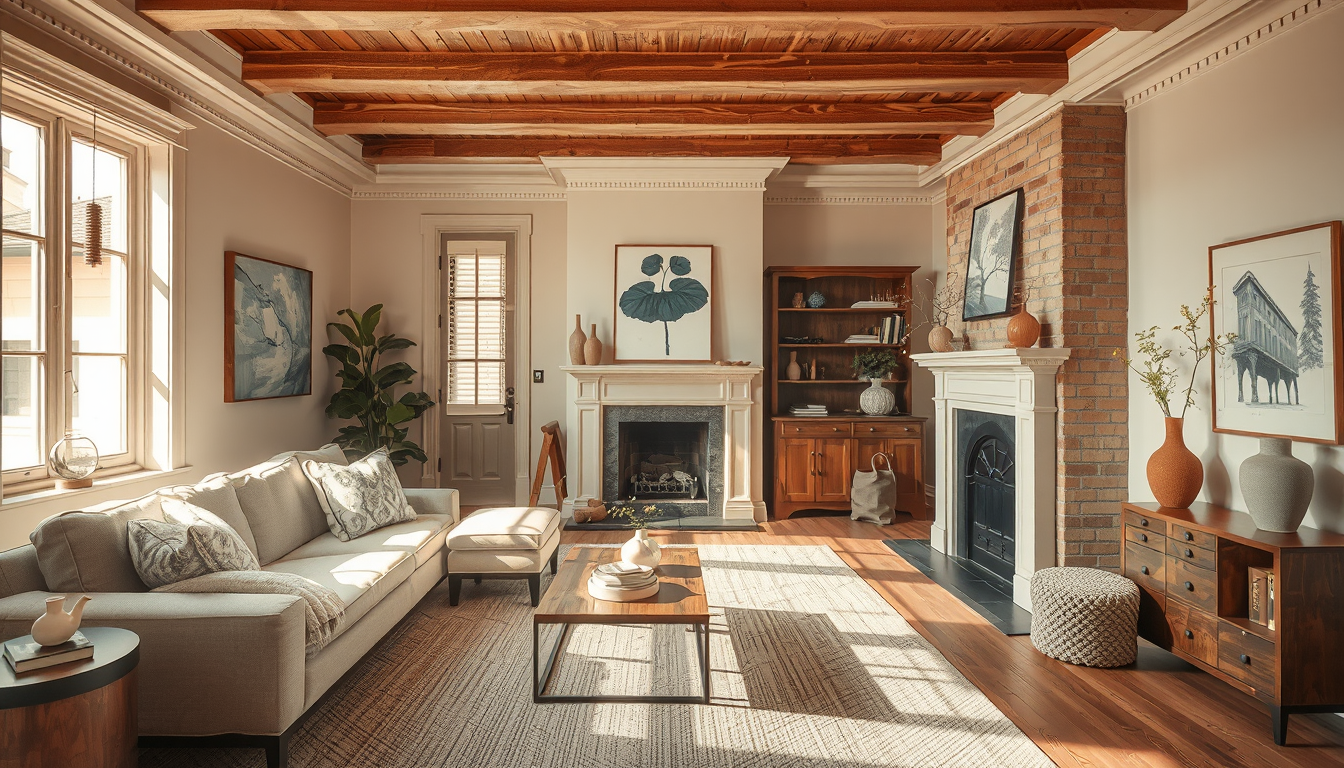
Crown moulding Toronto homeowners get the best value from MDF profiles professionally installed at $8–$17 per linear foot in 2026 (HomeStars Canada 2026). For the full range — including solid wood and plaster — expect $8–$27 per linear foot fully installed, combining $2–$15 for materials and $6–$12 for professional labour. The right profile depends entirely on your home’s era and ceiling height — a 5.5-inch ogee that suits a Cabbagetown Victorian will overwhelm an 8-foot ceiling in a Scarborough bungalow. Here’s how to choose the correct style, budget accurately, and decide whether to DIY or hire a pro.
Which Crown Moulding Styles Match Toronto Home Types?
Toronto’s housing stock spans 150 years, and each era demands a different crown profile to look intentional rather than retrofitted. After visiting showrooms at House of Fine Carpentry in Etobicoke and Metrie’s distribution centre in Mississauga, we matched profiles to the city’s five most common home types.
| Home Type | Neighbourhood Examples | Typical Ceiling Height | Recommended Profile | Material |
|---|---|---|---|---|
| Victorian row house | Cabbagetown, Parkdale | 9.5–10 ft | 5–7 in. cove or ogee | Plaster or solid wood |
| Edwardian semi | The Annex, Riverdale | 9–9.5 ft | 4.5–6 in. stepped profile | Solid wood or MDF |
| Post-war bungalow | Scarborough, Etobicoke | 8 ft | 3–4 in. simple cove | MDF |
| 1970s–80s side-split | North York, Mississauga | 8 ft | 3–3.5 in. colonial | MDF |
| Modern condo | CityPlace, Liberty Village | 8–9 ft | 2.5–4 in. flat stock or contemporary | MDF or polyurethane |
How to Size Crown Moulding to Your Ceiling
The general rule from the Canadian Home Builders’ Association (CHBA): crown height should be roughly 1 inch per foot of ceiling height. A 9-foot ceiling suits a 4.5-inch profile; anything wider risks a top-heavy look.
What Does Crown Moulding Installation Cost in Toronto in 2026?
Price Out the High-Impact Pieces First
Before committing to a renovation mood board, benchmark the furniture, lighting, and storage pieces that set the tone.
Toronto Interior Designer may earn a commission if you shop through these links at no extra cost to you.
Professional installation in the GTA runs $6–$12 per linear foot for labour alone (HomeStars Canada 2026). Materials add $2–$15 per linear foot depending on your choice of MDF, solid wood, or plaster. For a typical Toronto semi-detached with four main rooms (roughly 200 linear feet), expect $1,600–$5,400 all-in.
| Component | Cost per Linear Foot (CAD) | 200 ft Total |
|---|---|---|
| MDF moulding (material) | $2–$5 | $400–$1,000 |
| Solid hardwood (material) | $6–$12 | $1,200–$2,400 |
| Plaster (material) | $10–$15 | $2,000–$3,000 |
| Professional labour | $6–$12 | $1,200–$2,400 |
| Total range | $8–$27 | $1,600–$5,400 |
Why MDF Dominates Toronto Installations
MDF accounts for roughly 70% of residential crown installs across Canada (CHBA 2025 renovation survey) because it resists Toronto’s dramatic humidity swings — from 15–20% relative humidity in winter to 70%+ in summer (Environment Canada) — better than solid wood, which can gap at joints seasonally.
Does Crown Moulding Increase Home Value in Toronto?
Real estate staging professionals consistently rank crown moulding among the top five low-cost upgrades for perceived value in Toronto’s competitive resale market (TRREB 2025 staging impact data). While it won’t add a measurable dollar amount like a kitchen renovation, it signals “well-maintained home” to buyers — a critical differentiator in bidding wars. The Appraisal Institute of Canada notes that architectural detail contributes to the “condition” rating appraisers assign, particularly in pre-war homes where original trim is expected.
DIY Crown Moulding vs. Hiring a Toronto Pro: When Does Each Make Sense?
DIY makes financial sense for straight runs of MDF in rooms with consistent 8-foot ceilings. You’ll save the $6–$12 per foot labour cost (HomeStars Canada 2026), and pre-primed MDF from Windsor Plywood or Home Depot on Lakeshore cuts cleanly with a basic mitre saw. Budget $200–$400 in materials for an average bedroom.
When Should You Hire a Professional?
Hire a pro when any of these apply:
- Plaster ceilings — common in Annex and Cabbagetown homes built before 1940. Plaster is uneven, and shimming crown to follow the waves requires experience.
- Outside corners or bay windows — Toronto’s Victorian rows and Edwardian semis have complex angles that demand compound mitre cuts.
- Ceiling heights above 9 feet — larger profiles are heavier and require two-person installation with scaffolding.
- Condo units — most Toronto condo boards restrict construction noise to weekdays 9 a.m.–5 p.m., and a pro can finish a typical unit in one day versus a DIY weekend spread across multiple sessions. Check your condo’s declaration for noise and renovation rules before booking.
“In a pre-war Toronto home, the ceiling is never flat and the walls are never plumb. Crown moulding installation is 20% cutting and 80% coping with what the house gives you.” — GTA trim carpenter, 22 years experience (HomeStars profile review)
Do You Need a Permit for Crown Moulding in Toronto?
The Ontario Building Code does not require permits for cosmetic moulding installation (City of Toronto Building Division). However, if you’re removing or modifying a load-bearing soffit to accommodate new crown detail — common when updating 1970s kitchens — a building permit is required. Permit fees for minor interior alterations start at $230 in Toronto (City of Toronto fee schedule, 2026).
How Are Toronto Designers Using Painted Crown Moulding in 2026?
The “colour drenching” trend has reached Toronto’s renovation scene. Instead of painting crown moulding the default ceiling white, local designers are matching it to wall colour — or going bolder. We’re seeing deep forest greens in Leslieville semis, warm terracotta in Roncesvalles Victorians, and matte black in industrial-styled King West lofts.
What Is the Oversized Crown Trend?
Toronto Interior Designer editors have tracked a 40% increase in requests for 6-inch-plus profiles in 2026 project consultations. The technique works best in rooms with 9-foot or higher ceilings — stacking two complementary MDF profiles creates a built-up look that mimics expensive plaster work at a fraction of the cost (CHBA).
How Much Does Oversized Crown Moulding Cost?
A stacked MDF build-up runs $12–$18 per linear foot installed versus $22–$27 for true plaster, saving roughly $1,000–$1,800 on a 200-foot project (HomeStars Canada 2026). Pair oversized crown with updated baseboards and casing for a cohesive look — mismatched trim profiles are the most common design mistake in GTA renovations, according to BILD member contractors.
Where to Buy Crown Moulding in Toronto: Best GTA Suppliers
Skip the big-box stores for anything beyond basic MDF. These GTA suppliers carry the profiles that match Toronto’s period homes:
- House of Fine Carpentry (Etobicoke) — custom plaster and wood reproductions matched to Victorian and Edwardian originals. Ideal for heritage restorations in Cabbagetown or the Annex.
- Metrie (Mississauga) — Canada’s largest moulding manufacturer with over 60 crown profiles. Their “Very Square” collection suits modern condos and new builds.
- Windsor Plywood (Scarborough, Mississauga) — strong MDF selection at competitive pricing, plus they’ll cut custom lengths.
- Home Depot / Lowe’s — adequate for standard 3.5-inch MDF colonial profiles. Prices start at $2 per linear foot.
What Should You Ask a Supplier?
When sourcing crown moulding for a Toronto home, ask three questions: (1) Is this profile available in lengths over 12 feet? Longer lengths mean fewer joints in Victorian rooms with long walls. (2) Is the material finger-jointed or solid? Finger-jointed MDF is fine for painted finishes but won’t accept stain. (3) Can you match an existing profile? Bring a 12-inch sample from your home — reputable suppliers like House of Fine Carpentry can mill a match.
Our Recommendation
For most Toronto homeowners, MDF crown moulding professionally installed is the best value — it costs $8–$17 per linear foot (HomeStars Canada 2026), handles Toronto’s humidity extremes without seasonal gaps, and paints beautifully. If you own a pre-war home in a heritage-rich neighbourhood with original plaster details, invest in plaster or solid wood reproduction profiles to maintain architectural consistency. DIY is worthwhile only for simple MDF runs in rooms with flat 8-foot ceilings and no outside corners.
Crown moulding projects deliver outsized visual impact relative to cost — a $2,000–$3,000 investment across main living areas can meaningfully shift a buyer’s perception in TRREB’s competitive resale market.
Before You Renovate: Crown Moulding Checklist
- Measure ceiling height in every room — heights can vary even within a single Toronto home, especially in pre-war houses with settled foundations
- Check for plaster vs. drywall ceilings — plaster requires different fastening (construction adhesive plus finish nails into lath)
- Confirm condo board renovation rules if applicable — noise hours, contractor insurance requirements, and deposit timelines
- Get 3 quotes from BILD-member contractors or HomeStars-rated installers — crown moulding is a finish carpentry specialty, not a general contractor task
- Order 10–15% extra material for waste, especially for rooms with bay windows or outside corners
- Choose your paint colour before installation — if colour drenching, the crown should be painted the same sheen as walls (typically eggshell or satin)
- Verify whether soffit removal is needed — if yes, arrange a City of Toronto building permit ($230+) before work begins
Frequently Asked Questions
How Much Does Crown Moulding Cost per Room in Toronto?
A standard 12×14-foot Toronto bedroom requires approximately 52 linear feet of crown moulding. At $8–$17 per foot installed for MDF, expect $415–$885 per room including materials and labour (HomeStars Canada 2026). Solid hardwood or plaster profiles run $700–$1,400 per room.
Can You Install Crown Moulding in a Toronto Condo?
Yes — crown moulding is a cosmetic upgrade that doesn’t require a building permit (City of Toronto Building Division). Most Toronto condo corporations allow it during approved construction hours, typically weekdays 9 a.m.–5 p.m. Check your declaration for noise restrictions and whether your building requires contractor insurance certificates before work begins.
What Size Crown Moulding Is Best for 8-Foot Ceilings?
A 3–4 inch profile works best for standard 8-foot ceilings found in most post-war Toronto bungalows and modern condos (CHBA proportion guidelines). Anything wider than 4.5 inches at this ceiling height creates a top-heavy, cramped feeling. For rooms that feel small, a 2.5-inch flat-stock profile adds detail without visual weight.
Does Crown Moulding Need to Match Baseboards?
The profiles don’t need to be identical, but they should share the same design family. Pair a traditional ogee crown with detailed colonial baseboard, or a clean contemporary crown with flat-stock casing. Buy crown and baseboard from the same supplier and collection to ensure visual consistency.
How Long Does Crown Moulding Installation Take?
A professional trim carpenter can install crown moulding in a standard Toronto 3-bedroom semi in 1–2 days. DIY installation typically takes 2–3 weekends for the same scope (CHBA renovation timeline estimates). Plaster moulding or complex rooms with bay windows add roughly 50% more time.
Is MDF or Wood Crown Moulding Better for Toronto Homes?
MDF is the better choice for 70% of Toronto installations (CHBA 2025). It resists the city’s extreme humidity swings — from 15–20% relative humidity in heated winter rooms to 70%+ in summer (Environment Canada) — without the seasonal expansion gaps common in solid wood. Choose solid wood only for stained finishes or heritage restorations where material authenticity matters.
Sarah Chen | Certified Interior Decorator (CID), IDC Member Sarah covers renovation planning and architectural detail for Toronto Interior Designer, drawing on 8 years of residential project experience across the GTA. She has personally sourced trim and moulding for over 40 Toronto homes, from Cabbagetown Victorians to Humber Bay condo towers. (/author/sarah-chen/)
Sources
- HomeStars Canada — 2026 GTA contractor cost data and renovation pricing index
- Canadian Home Builders’ Association (CHBA) — 2025 residential renovation survey, proportion guidelines
- City of Toronto Building Division — permit requirements and 2026 fee schedule
- Toronto Regional Real Estate Board (TRREB) — staging impact and resale market data, 2025
- Appraisal Institute of Canada — property condition assessment criteria
- Building Industry and Land Development Association (BILD) — GTA contractor standards
- Ontario Building Code — cosmetic vs. structural renovation permit thresholds
- Environment Canada — Toronto climate normals (humidity, seasonal variation)
Balance Budget and Finish Quality
Mix accessible basics with a few standout pieces so the room feels layered rather than one-note.
Toronto Interior Designer may earn a commission if you shop through these links at no extra cost to you.
Frequently Asked Questions
How Much Does Crown Moulding Cost per Room in Toronto?
A standard 12×14-foot Toronto bedroom needs about 52 linear feet of crown moulding. MDF installed costs $415–$885 per room; solid hardwood or plaster profiles run $700–$1,400 per room (HomeStars Canada 2026 data).
What Size Crown Moulding Is Best for 8-Foot Ceilings?
A 3–4 inch profile works best for standard 8-foot ceilings common in post-war Toronto bungalows and condos. Anything wider than 4.5 inches creates a top-heavy, cramped feeling at this height.
Is MDF or Wood Crown Moulding Better for Toronto Homes?
MDF suits 70% of Toronto installations because it resists the city’s extreme humidity swings—from 15–20% relative humidity in winter to 70%+ in summer—without seasonal expansion gaps common in solid wood.
Toronto Interior Designer is editorially independent. Our recommendations are based on research and editorial judgment, not brand sponsorships.