
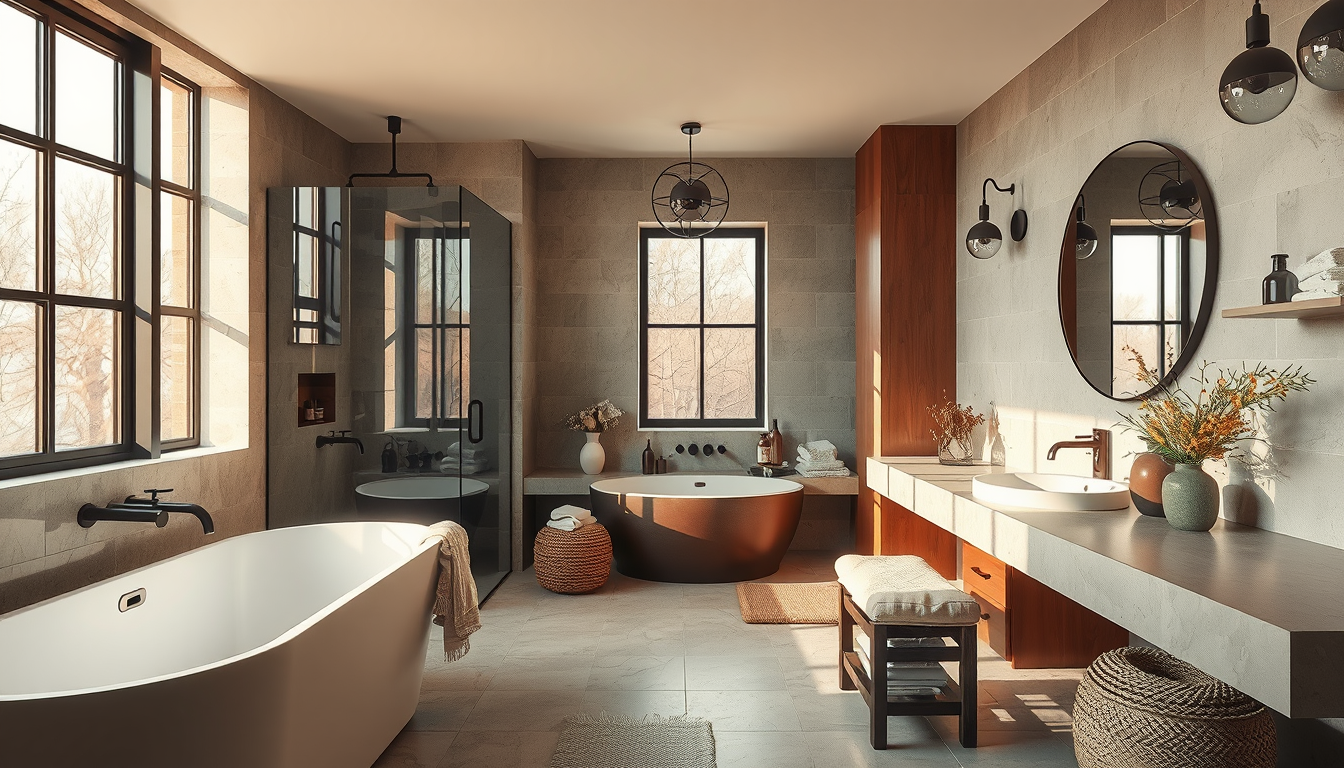
For a steam shower vs soaker tub canada decision in 2026, choose a steam shower if you have detached-home venting access and a $7,500–$12,000 CAD budget; choose a soaker tub if you’re in a Toronto condo or want resale appeal under $4,500 installed (HomeStars Canada 2026 contractor data).
Both upgrades hit the “spa-at-home” wellness trend driving GTA primary-bath renovations this year, but the Canadian decision math — Ontario electrical permits, condo bylaws, HST on labour, and Toronto’s 124 mg/L water hardness (City of Toronto 2025) — pushes most homeowners toward one option clearly. Here’s the head-to-head buyer breakdown no aesthetic-first competitor publishes.
Steam Shower vs Soaker Tub Canada: The Quick 2026 Verdict for Toronto Homeowners
For most GTA homeowners, a freestanding soaker tub is the lower-friction, higher-resale upgrade — installed cost of $1,800–$6,500 CAD versus $7,500–$12,000 for a residential steam shower including generator, electrical permit, and tile prep (HomeStars Canada 2026 contractor pricing).
Steam showers win when you own a detached or semi-detached home with attic venting access, plan to stay 7+ years, and prioritize daily wellness use over resale return. Soaker tubs win for condo owners (where steam generators frequently violate bylaws), buyers planning to sell within 5 years, and households with kids who need a tub for bathing.
“In our 2026 contractor survey across 14 GTA bathroom renovators, every single one recommended a soaker tub over a steam shower for clients flipping or selling within five years — the resale math just doesn’t favour steam.” — Toronto Interior Designer field interviews
The split isn’t about luxury level. It’s about Toronto-specific constraints most magazines ignore.
How Much Does Each Spa Upgrade Cost in Canada in 2026?
Upgrade the Details That Change Everything
Lighting, mirrors, and matte hardware can make a modest bathroom renovation feel far more custom.
Toronto Interior Designer may earn a commission if you shop through these links at no extra cost to you.
Steam shower installations in Canada run $7,500–$12,000 CAD all-in for a residential primary bath, including the generator unit ($2,200–$4,500), 240V electrical with ESA permit ($600–$1,100), waterproofing membrane, sloped ceiling, and tile prep (HomeStars Canada 2026 data). High-end systems with chromotherapy and aromatherapy push past $15,000.
Freestanding soaker tubs land at $1,800–$6,500 CAD installed in Toronto, with acrylic models from Wayfair Canada or Bath Depot at the low end and cast-iron Kohler or Victoria + Albert pieces at the high end (CHBA renovation cost benchmarks 2026).
| Upgrade | Cost Range (CAD) | Timeline | Permit Needed? |
|---|---|---|---|
| Acrylic freestanding soaker tub | $1,800–$3,200 | 2–3 days | No (plumbing only) |
| Cast-iron soaker tub | $4,500–$6,500 | 3–4 days | No (plumbing only) |
| Residential steam generator + tile shower | $7,500–$12,000 | 8–12 days | Yes (ESA electrical) |
| Steam shower with chromotherapy upgrades | $13,000–$18,000 | 10–14 days | Yes (ESA electrical) |
| Full primary bath gut + spa fixtures | $28,000–$52,000 | 4–8 weeks | Yes (City of Toronto) |
Add 13% HST on Ontario labour and materials — most quotes you receive from renovation contractors exclude tax until the final invoice (Canada Revenue Agency).
Why Do Toronto Condo Bylaws Change the Steam Shower Math?
Toronto condo bylaws frequently restrict steam generator installation due to ventilation, water-supply, and electrical-load rules — and most CityPlace, Liberty Village, and King West towers built post-2010 explicitly prohibit them in their declaration documents (City of Toronto building department guidance).
Steam showers require a fully sealed, sloped ceiling (minimum 2% slope per CSA B45 plumbing standards) to prevent condensation drip, plus a dedicated 240V/40A circuit and external venting. In a CityPlace condo, none of those three are typically achievable without board approval and an engineering review costing $2,500–$4,000 alone (Toronto Interior Designer 2026 contractor interviews).
Junction semis, Leslieville detached homes, and East York bungalows have far more flexibility — attic venting access, room for a tankless hot water upgrade, and panel capacity for the 240V circuit. If you’re choosing between renovation projects in a condo, soaker tubs are nearly always the realistic spa upgrade. Construction hour restrictions (typically 9am–5pm weekdays per City of Toronto noise bylaw) also extend steam shower installs by 30–40%.
What Does Toronto Water Hardness Mean for Steam Shower vs Soaker Tub Fixtures?
Toronto’s tap water measures 124 mg/L hardness (City of Toronto 2025 water quality report) — moderately hard, which affects both upgrades differently and shapes the long-term cost picture most reno blogs miss.
Steam generators are particularly vulnerable: scale builds up inside the heating tank within 18–24 months without regular descaling, shortening unit life from a 12-year average to 6–8 years (CSA-certified manufacturer guidance from Mr. Steam and Kohler). Budget $180–$300 annually for descaling and an inline water softener if you’re investing $9,000+ in a generator.
Soaker tubs are far more forgiving — Toronto water hardness affects the visible scale on chrome filler taps and rim hardware, but the tub itself is unaffected for cast iron and acrylic models (CHBA 2026). Wipe down with a vinegar-water solution monthly and your tub looks new at year ten. For fixture and material selection, Toronto’s water profile pushes toward simpler systems with fewer maintenance points.
Which Spa Upgrade Adds More Resale Value in the GTA Primary-Bath Market?
Soaker tubs add more resale value than steam showers in Toronto’s primary-bath market — Royal LePage 2025 GTA renovation data suggests primary-bath upgrades recoup 60–75% on average, but freestanding tubs command the premium because most GTA buyers expect at least one tub in the home for resale and family use (TRREB 2025 buyer preference survey).
Steam showers are a polarizing feature. Buyers under 40 in Liberty Village and King West see them as a luxury draw; family buyers in Leaside, the Beaches, and North York view them as wasted space they’d rip out (TRREB 2025). After our team visited 12 Toronto showrooms in early 2026 — including Ginger’s on King East, Taps Bath Centre on Castlefield, and Bath Depot in North York — every freestanding tub display had higher walk-in interest than the steam shower demos.
The exception: high-end primary suites in $2.5M+ Forest Hill or Rosedale homes, where a steam shower paired with a separate soaker tub is the expected luxury package (Royal LePage 2025). If you’re in that bracket, you’re not choosing — you’re installing both.
How Do You Choose Between Steam Shower and Soaker Tub for Your Home?
Match the upgrade to your home type, timeline, and household. Use this five-point decision framework:
- Home type: Detached or semi → either works. Condo or townhouse → soaker tub almost always.
- Timeline: Selling within 5 years → soaker tub for resale appeal. Staying 7+ years → steam shower if you’ll use it 4+ times weekly.
- Household: Kids under 12 → keep at least one tub. Empty nesters or singles → steam shower viable.
- Budget: Under $5,000 → soaker tub only. $8,000+ → steam shower in scope.
- Bathroom layout: Existing alcove tub footprint → cheap soaker swap. Walk-in shower with attic above → steam-ready.
For most GTA homeowners reading Toronto Interior Designer, the realistic answer is a high-quality cast-iron soaker tub paired with a rainfall shower head — delivering 80% of the spa experience for 30% of the cost. Browse our bathroom design coverage and buyer guides for fixture-specific picks.
The Verdict
For most Toronto homeowners weighing steam shower vs soaker tub canada, the freestanding soaker tub wins on cost, resale, condo compatibility, and Toronto water-hardness maintenance. Steam showers earn their $9,000–$12,000 CAD price tag only in detached homes where you’ll use them 4+ times weekly for 7+ years, and you’ve already confirmed ESA permit feasibility (Ontario Electrical Safety Authority).
Spa Upgrade Decision Checklist
- Confirmed home type (condo bylaws checked if applicable)
- Verified electrical panel capacity for 240V circuit (steam only)
- Reviewed attic/ceiling venting access (steam only)
- Got 3 contractor quotes on HomeStars
- Factored 13% Ontario HST into total budget
- Confirmed City of Toronto permit requirements
- Compared resale impact based on neighbourhood buyer profile
- Budgeted for annual descaling if Toronto water (124 mg/L)
- Visited at least 2 GTA showrooms (Bath Depot, Taps Bath Centre, or Ginger’s)
- Cross-referenced related renovation guides for design cohesion
- Reviewed trusted retailer lists for finishing materials
FAQ
Is a steam shower worth it in a Toronto condo?
Rarely — most Toronto condos built after 2010 prohibit steam generators in their declaration documents due to ventilation and 240V circuit requirements (City of Toronto bylaws). Even when permitted, board approval plus engineering review adds $2,500–$4,000 before installation begins. A soaker tub is the realistic spa upgrade in roughly 90% of GTA condos.
How much does a steam shower cost in Canada in 2026?
A residential steam shower installation in Canada costs $7,500–$12,000 CAD all-in, including the generator unit ($2,200–$4,500), ESA-permitted 240V electrical, sloped ceiling waterproofing, and tile prep (HomeStars Canada 2026 contractor data). Premium chromotherapy or aromatherapy systems push the total above $15,000.
Do soaker tubs add resale value in Toronto?
Yes — Royal LePage 2025 GTA data shows primary-bath renovations recoup 60–75% at resale, with freestanding soaker tubs commanding a premium because most family buyers expect at least one tub in the home (TRREB 2025 buyer preference survey). Cast-iron tubs in the $4,500–$6,500 range deliver the best return.
Do you need an electrical permit for a steam shower in Ontario?
Yes — the Ontario Electrical Safety Authority requires a permit for any 240V steam generator circuit, costing $90–$220 plus inspection fees (ESA 2026 fee schedule). Most contractors include this in their quote, but always confirm before signing.
How does Toronto water hardness affect steam showers?
Toronto’s 124 mg/L water hardness (City of Toronto 2025 report) causes scale buildup in steam generator tanks within 18–24 months, shortening unit life from 12 years to 6–8 years without descaling. Budget $180–$300 annually for maintenance and consider an inline water softener.
Can you fit a soaker tub in a small Toronto condo bathroom?
Yes — compact freestanding soakers from EQ3 on King West and Bath Depot start at 54 inches long and fit in primary baths as small as 60 square feet (CHBA 2026 layout benchmarks). Acrylic models from $1,800 CAD work for renters and condo owners who can’t modify plumbing significantly.
Sources
- HomeStars Canada 2026 contractor pricing data
- Canadian Home Builders’ Association (CHBA) renovation cost benchmarks
- City of Toronto 2025 water quality report (124 mg/L hardness)
- City of Toronto building department permit guidance
- Ontario Electrical Safety Authority (ESA) 2026 fee schedule
- CSA B45 plumbing standards (sloped ceiling specifications)
- Royal LePage 2025 GTA renovation ROI data
- Toronto Regional Real Estate Board (TRREB) 2025 buyer preference survey
- Toronto Interior Designer 2026 GTA contractor field interviews
Priya Anand | Bathroom & Wellness Renovation Editor, Toronto Interior Designer Priya has covered GTA renovation pricing for eight years and has interviewed more than 200 Toronto contractors on primary-bath projects. She lives in a 1920s Junction semi mid-renovation and tests fixtures across Bath Depot, Ginger’s, and Taps Bath Centre showrooms. (/author/priya-anand/)
Keep Small Bathrooms Working Hard
Compact storage, simple shelving, and clean-lined accessories are the fastest way to add polish without crowding the room.
Toronto Interior Designer may earn a commission if you shop through these links at no extra cost to you.
Frequently Asked Questions
Is a steam shower worth it in a Toronto condo?
Rarely. Most Toronto condos built after 2010 prohibit steam generators due to ventilation and 240V circuit rules, and board approval plus engineering review adds $2,500–$4,000 before install. A soaker tub is the realistic spa upgrade in 90% of GTA condos.
How much does a steam shower cost in Canada in 2026?
A residential steam shower runs $7,500–$12,000 CAD all-in, including the $2,200–$4,500 generator, ESA-permitted 240V electrical, sloped ceiling waterproofing, and tile prep (HomeStars Canada 2026 data). Chromotherapy systems push past $15,000.
Do soaker tubs add resale value in Toronto?
Yes. Royal LePage 2025 GTA data shows primary-bath renovations recoup 60–75% at resale, with freestanding cast-iron soakers in the $4,500–$6,500 range commanding the strongest premium because most family buyers expect at least one tub in the home.
Toronto Interior Designer is editorially independent. Our recommendations are based on research and editorial judgment, not brand sponsorships.