
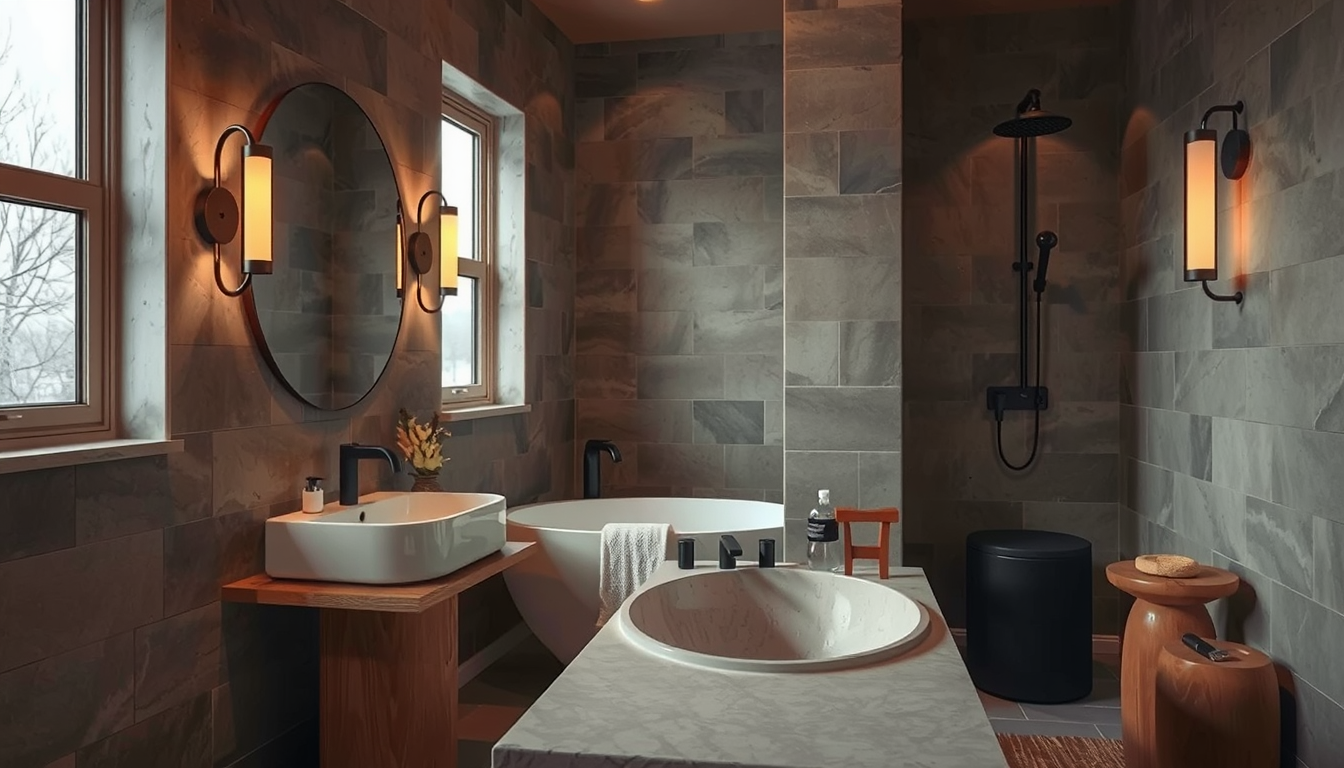
If you’re searching for a bathroom faucet buying guide canada homeowners can trust, here’s the thesis: the faucet you choose matters more than almost any other single fixture in your bathroom — and most buyers get it wrong by picking on looks alone. A faucet lives at the intersection of daily ergonomics, water efficiency, finish durability, and style. In Toronto condos and GTA homes especially, where moderately hard municipal water punishes the wrong finish within months, this decision has real consequences. This guide covers the styles worth considering, the finishes that actually hold up, the Canadian-specific certifications you need, and the brands that offer proper domestic warranty support.
How to Choose the Best Bathroom Faucet Style in Canada
Before you fall for a finish, nail down the configuration that fits your sink and counter. The three most common bathroom faucet styles in Canada each solve different problems — and choosing the wrong one means return trips, re-drilling, or costly plumbing modifications.
Single-handle faucets are the workhorse of condo bathrooms. One hole, one lever, easy temperature control. They suit tight vanity tops (common in Toronto’s 500–700 sq ft units) and keep the counter clear for storage. Most models fit a standard single-hole or 4-inch centerset deck.
Widespread faucets use three separate pieces — two handles and a spout — mounted 8 inches apart. They look more substantial and suit larger vanities in houses or master ensuites. The trade-off: more holes to drill, more connections under the sink, and a higher price point.
Wall-mount faucets free up the entire counter surface and pair well with vessel sinks or floating vanities. They require in-wall rough-in during construction or renovation, so retrofitting is expensive. If you’re planning a bathroom renovation, spec these early.
| Style | Best For | Hole Count | Typical Price Range (CAD) | Installation Complexity |
|---|---|---|---|---|
| Single-handle | Condos, small vanities | 1 | $150–$350 | Low — DIY-friendly |
| Centerset | Standard 4″ spread sinks | 3 (one base) | $120–$300 | Low |
| Widespread | Large vanities, ensuites | 3 (separate) | $250–$600 | Medium |
| Wall-mount | Vessel sinks, floating vanities | 0 (wall) | $300–$700+ | High — requires in-wall plumbing |
Most Durable Faucet Finishes for Canadian Hard Water in 2026
Upgrade the Details That Change Everything
Lighting, mirrors, and matte hardware can make a modest bathroom renovation feel far more custom.
Toronto Interior Designer may earn a commission if you shop through these links at no extra cost to you.
Finish trends shift fast, but durability doesn’t follow fashion. Matte black dominated Canadian search interest with a roughly 47% increase between 2023 and 2025, but brushed gold and champagne bronze are now the fastest-growing category . Here at Toronto Interior Designer, we see this play out in client projects weekly: the matte black wave has crested, and warmer metallics are taking over.
Here’s what you need to know about durability, because a finish that looks great in a showroom can fall apart at home:
- Polished chrome — Affordable and classic, but shows every water spot and fingerprint. Toronto’s moderately hard water (averaging 124 mg/L) leaves visible mineral deposits fast .
- Brushed nickel — Hides water spots well. A reliable mid-range choice that works in almost any style, from transitional to contemporary.
- Matte black — Dramatic, but mineral scale shows as white residue on dark surfaces. Requires frequent wiping in hard-water areas.
- PVD-coated finishes (brushed gold, champagne bronze, gunmetal) — Physical Vapor Deposition bonds the colour at a molecular level. PVD coatings last three to five times longer than electroplated finishes in hard-water conditions, resisting scratches and tarnishing.
- Unlacquered brass — A living finish that develops patina over time. Beautiful in the right context, but requires acceptance of (or enthusiasm for) natural aging.
If you live in the GTA and want a finish you won’t have to baby, PVD-coated brushed gold or brushed nickel should be at the top of your list. Toronto’s water chemistry is the silent decision-maker most buyers ignore.
Canadian Water Efficiency Standards and WaterSense Certification
Beyond style and finish, every Canadian faucet purchase needs to clear two regulatory hurdles. In Canada, the WaterSense label isn’t just a nice-to-have — it’s increasingly tied to building code compliance and rebate eligibility. WaterSense-labelled bathroom faucets use a maximum of 5.7 litres per minute (1.5 GPM), reducing water consumption by over 30% compared to conventional fixtures . Ontario has periodically offered rebate programs for water-efficient fixtures, so check your municipality’s current incentive listings before purchasing.
Every faucet sold in Canada must also carry CSA certification (Canadian Standards Association). This isn’t optional — it’s a legal requirement. Imported fixtures from European brands that skip CSA testing can’t legally be installed by a licensed plumber in Ontario. Always confirm the CSA mark before buying, especially when ordering directly from overseas retailers.
Best Bathroom Faucet Brands in Canada: Budget to Luxury Picks
Not all brands offer equal warranty support in Canada. Here are the tiers Toronto Interior Designer recommends based on product quality, local availability, and after-sale service:
Budget-friendly ($100–$250 CAD): Moen, Delta, and Pfister. All three manufacture within CUSMA countries (US, Canada, Mexico), which means no import duties — typically 6–8% on European-manufactured goods. Warranty claims are handled domestically, and replacement cartridges are stocked at every Canadian hardware chain. Moen’s limited lifetime warranty and Delta’s Diamond Seal valve technology make both especially strong at this price point.
Mid-range ($250–$500 CAD): Riobel deserves special attention. Headquartered in Montréal, Riobel (now part of Fortune Brands) designs and engineers in Canada with full CSA certification and domestic warranty infrastructure. Their contemporary lines rival European aesthetics at a better price point for Canadian buyers. Also worth considering: American Standard and Grohe’s CUSMA-manufactured lines.
Luxury ($500+ CAD): Brizo (Delta’s premium division), Dornbracht, and Fantini. Expect European-level design and materials, but confirm manufacturing origin. A Grohe faucet made in Germany carries import duty; the same brand’s North American-made models do not. For renovation tips on budgeting for premium fixtures, it pays to factor in this distinction early.
Professional installation in the GTA currently runs $150–$300 on top of the fixture cost, depending on complexity and whether your plumber needs to modify existing supply lines.
How Toronto Hard Water Affects Your Faucet Finish and Durability
Toronto’s tap water sits at roughly 124 mg/L of hardness — classified as moderately hard. That’s enough calcium and magnesium to leave visible buildup on fixtures within weeks if you choose the wrong finish. Understanding this single local factor can save you hundreds of dollars in premature replacements.
The practical takeaway is straightforward:
- Avoid polished chrome in high-splash zones unless you’re committed to daily wiping.
- Avoid matte black on the main bathroom faucet — scale residue is white and conspicuous against dark surfaces.
- Choose PVD-coated finishes for the best balance of trend and durability. Brushed gold, satin brass, and champagne bronze all hide water marks far better.
- Install a water softener or faucet-mounted filter if you want to run polished or matte finishes without constant maintenance.
- Check the manufacturer’s hard-water warranty exclusions — some brands void finish warranties if water hardness exceeds a stated threshold.
This is the kind of region-specific guidance you won’t find in a generic buying guide, and it’s exactly why a bathroom faucet buying guide canada readers can rely on needs to account for local water chemistry.
What to Do Next
This bathroom faucet buying guide canada homeowners actually need comes down to six action steps:
- Measure your sink deck — confirm hole count and spacing before shopping.
- Check CSA and WaterSense labels on every faucet you’re considering.
- Match finish to your water hardness — in the GTA, that means prioritizing PVD coatings or brushed nickel.
- Compare CUSMA vs. imported pricing — factor in the 6–8% duty on non-CUSMA European fixtures.
- Get three installation quotes from licensed GTA plumbers, especially for wall-mount styles.
- Browse our buyer guides for more product-level recommendations across every room in your home.
A faucet is one of the few fixtures you touch multiple times every day. Spend the time choosing well, and it will reward you for years.
Keep Small Bathrooms Working Hard
Compact storage, simple shelving, and clean-lined accessories are the fastest way to add polish without crowding the room.
Toronto Interior Designer may earn a commission if you shop through these links at no extra cost to you.
Sources
- Google Trends Canada — https://trends.google.com/trends/
- City of Toronto Water Quality — https://www.toronto.ca/services-payments/water-environment/tap-water-in-toronto/
- U.S. EPA WaterSense — https://www.epa.gov/watersense
Frequently Asked Questions
What is the best faucet finish for Toronto’s hard water?
PVD-coated finishes like brushed gold and champagne bronze perform best in Toronto’s moderately hard water (124 mg/L). They resist mineral buildup, scratches, and tarnishing far longer than chrome or matte black options.
Do bathroom faucets in Canada need CSA certification?
Yes. Every faucet legally installed in Canada must carry CSA certification. Licensed plumbers in Ontario cannot install uncertified fixtures, so always confirm the CSA mark before purchasing — especially when ordering from overseas retailers.
How much does bathroom faucet installation cost in the GTA?
Professional faucet installation in the Greater Toronto Area typically costs $150–$300 CAD on top of the fixture price, depending on complexity and whether existing supply lines need modification.