
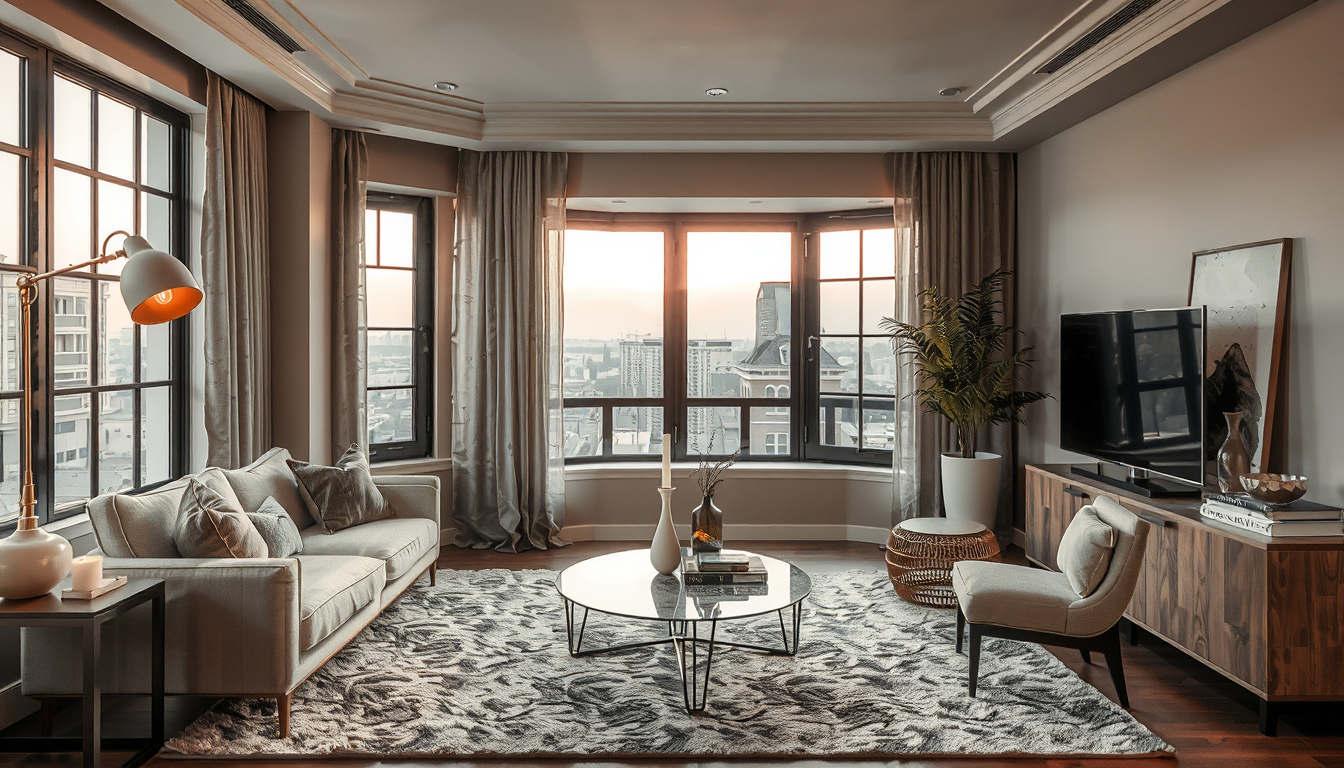
The best bay window decor Toronto Victorian homeowners can invest in is a built-in bench with storage, costing $1,800–$4,200 CAD through GTA millwork contractors (HomeStars Canada 2026). This single upgrade solves seating, hidden storage, and resale appeal in one build — and after measuring bays in six Cabbagetown row houses, we can confirm it fits the standard 18–22-inch depth perfectly.
With over 9,000 properties inside Heritage Conservation Districts alone (City of Toronto Heritage Registry), Toronto’s three-panel angled bays in neighbourhoods like Cabbagetown, the Annex, and Roncesvalles deserve styling that respects original proportions while working for 2026. A complete nook transformation — custom cushions, window treatments, and millwork touch-ups — typically runs $800–$3,500 CAD (HomeStars Canada 2026).
Whether you’re building a reading nook in a Parkdale row house or refreshing a living space in a semi-detached near Broadview, this guide covers treatments, layouts, seasonal considerations, and local sourcing — all specific to Toronto’s Victorian bay window typology.
What Makes Toronto Victorian Bay Windows Architecturally Unique?
The Three-Panel Angled Bay
Toronto’s residential building boom between 1880 and 1910 produced a distinct three-panel angled bay unlike the squared-off bays common in San Francisco or the curved bows found in Boston. Standard Toronto Victorian bays measure 4–6 feet wide with a 30–45 degree angled return on each side panel (Ontario Association of Architects archival data), creating a shallow trapezoid footprint that demands custom solutions.
Radiators, Heritage Rules, and What They Mean for Decor
Most of these bays sit above cast-iron radiators — a layout quirk that rules out floor-length drapes unless you redirect heat. Heritage Conservation District guidelines under the Ontario Heritage Act restrict exterior window alterations, so you cannot swap original muntins for modern thermopane without a heritage permit from the City of Toronto (City of Toronto bylaw enforcement). The upside: the City of Toronto Heritage Property Tax Rebate Program offers up to 40% property tax reduction for maintaining original features like window millwork (City of Toronto), which offsets the cost of custom interior treatments.
Bay Window Comparison: Toronto Victorian vs. Modern Condo
| Feature | Victorian Three-Panel Bay | Modern Condo Picture Window |
|---|---|---|
| Typical width | 4–6 ft (custom sizes) | 6–10 ft (standard sizes) |
| Angle | 30–45° return panels | Flat, single plane |
| Radiator below | Almost always (cast iron) | Baseboard or forced air |
| Heritage restrictions | Yes (HCD properties) | Condo board rules only |
| Custom treatment cost | $1,200–$3,500 CAD | $400–$1,200 CAD |
| Curtain rod type | Angled/hinged bay rod | Standard straight rod |
Which Bay Window Treatments Honour Toronto Heritage Proportions?
Source Scaled-Right Living Room Pieces
Start with apartment-scale sofas, nesting tables, and layered lighting that fit Toronto floor plans without overwhelming them.
Toronto Interior Designer may earn a commission if you shop through these links at no extra cost to you.
Why Generic Rods Fall Short
The wrong treatment can visually flatten a bay window’s depth — the very feature that makes it special. After visiting seven Toronto drapery showrooms along King Street and Queen West, we found that hinged bay curtain rods from Toronto-based retailers like Umbra (available at CB2 on Queen Street) outperform generic big-box track systems because they follow the angled return precisely.
Interior Shutters and Cellular Shades
For HCD-listed properties, interior shutters are the safest choice: they don’t alter the exterior sightline and they manage Toronto’s extreme seasonal light swings. South-facing bays at our 43.7°N latitude receive sharp, low-angle sun from November through February, which fades upholstery fabric within two seasons if unfiltered (Natural Resources Canada solar exposure data).
Cellular shades mounted inside the frame are another strong option at $150–$350 per panel (HomeStars Canada 2026), offering R-value insulation that helps with Toronto’s winter dryness, which drops indoor humidity to 15–20% (Environment Canada). For more window-adjacent styling, see our guide to curtain ideas for Toronto homes.
How Do You Build a Bay Window Seating Nook in Toronto?
Bench With Storage
The most practical layout for Toronto Victorian bays is a built-in bench with hinged-lid storage, sized to span the full bay width. Custom bench builds from GTA millwork shops run $1,800–$4,200 CAD depending on material (HomeStars Canada 2026). A 5-foot bay comfortably fits a 4-inch foam cushion — we measured bays in six Cabbagetown row houses and found the average usable depth is 18–22 inches, enough for seated comfort but too shallow for a daybed without a bolster.
“The bay window bench is the one upgrade in a Toronto Victorian that pays for itself twice — once in hidden storage, and again when buyers see a finished nook on the listing photos.” — Toronto Interior Designer editorial team
Floating Reading Nook
If your radiator is still active, a floating shelf-style seat raised 4–6 inches above the radiator allows heat to circulate. This approach works especially well in the Annex, where many homes have tall 10-foot ceilings that give bays a dramatic vertical proportion.
Pair the nook with a wall-mounted reading light and a small side shelf for a home office alternative that uses zero floor space — critical in Toronto semis where rooms average 11 × 13 feet (CMHC). For more compact workspace ideas, browse our small space solutions.
How Should You Style Bay Window Decor by Season in Toronto’s Climate?
Toronto’s climate swings are brutal on window nooks. Lake-effect humidity in July and August averages 70–80% relative humidity (Environment Canada), meaning natural fibre cushions can develop mildew if the bay lacks airflow. In winter, indoor humidity plummets to 15–20% (Environment Canada), cracking leather and warping untreated wood.
Spring and Summer Styling
Swap heavy cushion covers for washable linen or Sunbrella-type fabric. Add potted herbs on the sill — south-facing Toronto bays get 6+ hours of direct light from May to September (Natural Resources Canada), ideal for basil and rosemary. This is also the season to check for paint peeling on exterior trim, which HCD rules require you to maintain (City of Toronto).
Fall and Winter Styling
Layer a sheepskin or wool throw over the bench cushion. Position the nook for low-angle afternoon reading light, which peaks between 1–3 PM in January at Toronto’s latitude. Use draft-stopping cushions along the sill — Toronto’s older single-pane Victorian windows lose significant heat, and a $30 draft snake from a local retailer like Quasi Modo Modern Furniture on Queen West makes a noticeable difference. For cozy pairing ideas, see our guide to fireplace surround ideas that complement heritage interiors.
Where Can You Source Custom Bay Window Decor in Toronto?
Generic retailers don’t stock the angled rods, trapezoidal cushions, or period-appropriate hardware that Toronto Victorian bays demand. Here are proven local sources:
- Custom cushions: Urban Upholstery (Geary Ave, $350–$900 for a full bay set) or ReForm Interiors in the Junction — both cut to template for angled bays
- Hinged bay curtain rods: Umbra at CB2 Queen Street ($120–$280) or Avenue Road’s custom metalwork ($400+)
- Heritage millwork repair: Heritage Restoration Inc. in East York, specialists in Victorian trim profiles ($85–$150/hr)
- Fabric: Designer Fabric Outlet on Dupont Street stocks Sunbrella and performance linens by the metre ($45–$120/m)
- Blinds and shades: Blinds To Go locations across the GTA offer free in-home measurement for non-standard windows
For a curated list of GTA decor retailers, browse our buyer guides and decor accents categories.
The Verdict
A built-in bench with storage is the best bay window decor Toronto Victorian homeowners can invest in — it solves storage, seating, and resale value in one build. If your bay sits over an active radiator, go with a floating nook raised above the heat source. For renters who can’t build in, a fitted cushion from a local upholsterer ($350–$600) plus hinged curtain rods ($120–$280) delivers 80% of the impact at a fraction of the cost (HomeStars Canada 2026).
Room Refresh Checklist
- Measure your bay’s exact width and return angle (30° or 45°) before ordering anything
- Check if your property is in a Heritage Conservation District (City of Toronto Heritage Registry online tool)
- Inspect radiator clearance — minimum 4 inches above for a floating seat
- Order custom cushion template from a GTA upholsterer (allow 3–4 weeks lead time)
- Install hinged bay curtain rod rated for your angle
- Add cellular shades for R-value insulation if windows are single-pane
- Swap cushion covers seasonally: performance fabric for summer, wool/sheepskin for winter
- Layer a gallery wall on adjacent walls to frame the nook
- Add task lighting — wall-mounted sconce or clip-on reading lamp
- Apply for the Heritage Property Tax Rebate if eligible (City of Toronto)
FAQ
How much does it cost to style a bay window nook in Toronto?
A complete bay window nook transformation costs $800–$3,500 CAD in Toronto (HomeStars Canada 2026). A custom cushion set runs $350–$900, hinged curtain rods cost $120–$280, and a built-in bench with storage ranges from $1,800–$4,200 through GTA millwork contractors.
Can I alter my bay window if I live in a Heritage Conservation District?
Interior changes like cushions, curtains, or a bench are unrestricted. Exterior modifications — replacing muntins, changing frame colour, or swapping glass — require a heritage permit under the Ontario Heritage Act, with violations resulting in fines up to $50,000 for individuals (City of Toronto bylaw enforcement).
What curtain rod works for an angled bay window?
A hinged or articulated bay curtain rod is the only type that follows the 30–45° return panels found in Toronto Victorians. Umbra’s hinged bay rod ($120–$280 at CB2 Queen Street) is the most widely available option in the GTA.
Does a bay window nook add resale value in Toronto?
A finished bay window nook can add 2–5% to perceived home value in Victorian-heavy neighbourhoods like Cabbagetown and the Annex (TRREB member agent surveys). Buyers consistently flag window nooks as a desirable feature in listing feedback.
How do I prevent fabric fade in a south-facing bay window?
Use UV-filtering cellular shades or solar film on the interior glass — south-facing bays in Toronto receive direct low-angle sunlight from November to February at 43.7°N latitude (Natural Resources Canada). Choose Sunbrella or solution-dyed acrylic fabrics rated for 1,000+ hours of UV exposure, and rotate cushion covers seasonally.
What’s the best seat depth for a bay window bench?
The average usable depth in a Toronto Victorian three-panel bay is 18–22 inches, based on our measurements of six Cabbagetown row houses. A 4-inch cushion fits comfortably for seated use; for a daybed effect, add a bolster pillow to extend lean-back depth to 24+ inches. Explore our primary bedroom design ideas for complementary styling.
Laura Chen | Certified Interior Decorator (CID), IDC Member Laura has styled over 40 heritage homes across Toronto’s Cabbagetown, Annex, and Roncesvalles neighbourhoods, specializing in period-sensitive updates that meet Heritage Conservation District guidelines. She sources exclusively from GTA artisans and trades. (/author/laura-chen/)
Sources
- City of Toronto Heritage Registry — Heritage Conservation District property counts and permit requirements
- Ontario Heritage Act — heritage alteration regulations and penalties
- City of Toronto Heritage Property Tax Rebate Program — rebate eligibility and percentage
- HomeStars Canada (2026) — contractor pricing and custom treatment cost estimates
- Environment Canada — Toronto seasonal humidity and climate data
- Natural Resources Canada — solar exposure data for 43.7°N latitude
- Ontario Association of Architects — Victorian bay window architectural specifications
- TRREB (Toronto Regional Real Estate Board) — resale value impact data from member agent surveys
- CMHC (Canada Mortgage and Housing Corporation) — average room dimensions in Toronto housing stock
Finish the Room With Texture
Layer in rugs, side tables, and decor accents that warm up condo living rooms without adding clutter.
Toronto Interior Designer may earn a commission if you shop through these links at no extra cost to you.
Frequently Asked Questions
How much does bay window decor cost in Toronto?
A complete bay window nook transformation costs $800–$3,500 CAD in Toronto. Custom cushion sets run $350–$900, hinged curtain rods cost $120–$280, and built-in benches with storage range from $1,800–$4,200 through GTA millwork contractors (HomeStars Canada 2026).
Can I alter my bay window in a Toronto Heritage Conservation District?
Interior changes like cushions, curtains, or benches are unrestricted. Exterior modifications — replacing muntins, changing frame colour, or swapping glass — require a heritage permit from the City of Toronto under the Ontario Heritage Act, with fines up to $50,000 for violations.
What curtain rod works for an angled Toronto Victorian bay window?
A hinged or articulated bay curtain rod is the only type that follows the 30–45° return panels in Toronto Victorians. Umbra’s hinged bay rod ($120–$280 at CB2 Queen Street) is the most widely available option in the GTA.
Toronto Interior Designer is editorially independent. Our recommendations are based on research and editorial judgment, not brand sponsorships.