
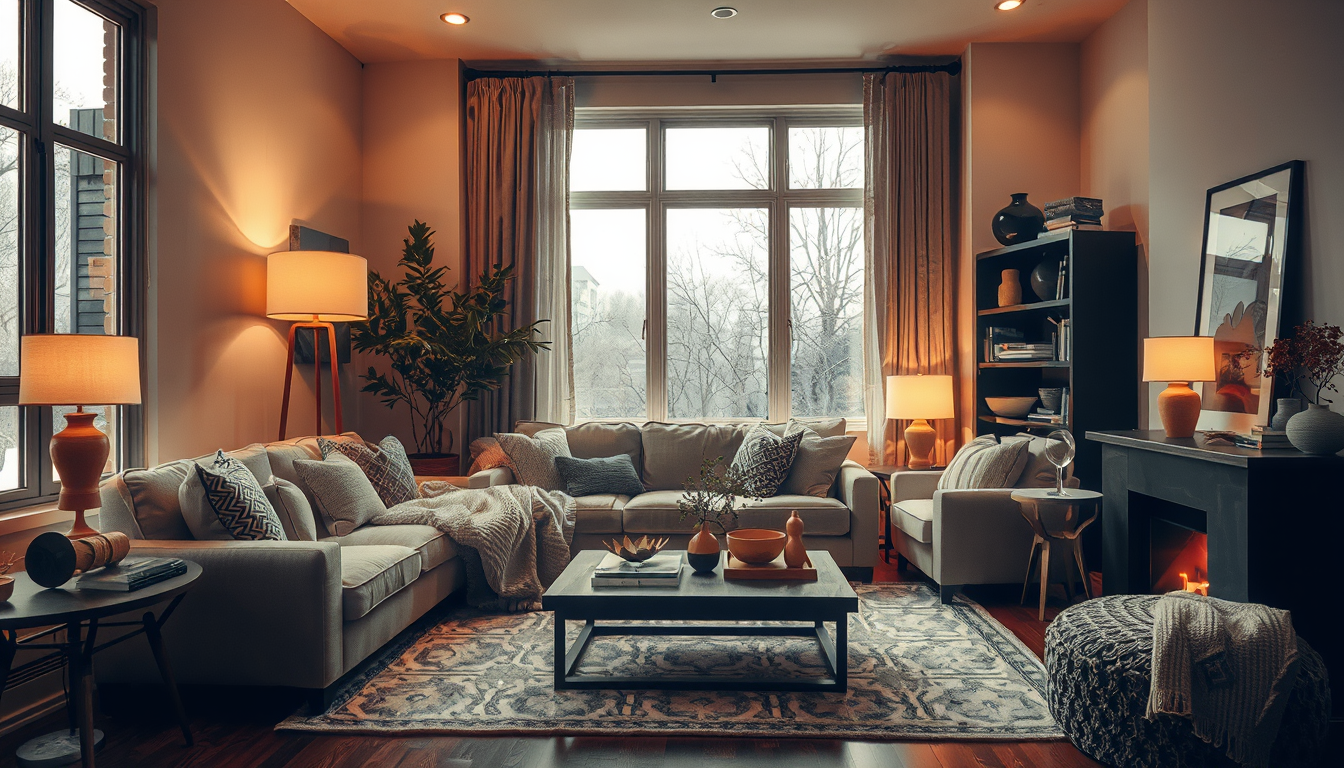
If you’re searching for the best led strip lights canada has to offer, the answer depends less on wattage and more on where you plan to put them. LED strips have evolved from cheap novelty tape into a legitimate design tool — one that Toronto designers now reach for as often as a table lamp or pendant fixture. In compact Canadian condos, where recessed lighting isn’t always an option and drilling into rental walls is off the table, a well-placed LED strip can reshape a room’s entire mood for under $80. This guide covers what to look for, which products hold up in Canadian homes, and exactly how to install them without losing your damage deposit.
What to Look for in the Best LED Strip Lights Sold in Canada
Before you compare colour options or app features, check the certification label. Any electrical product sold in Canada should carry a CSA or cUL mark — confirmation it meets Canadian safety standards. Not every LED strip on Amazon.ca carries one, especially budget imports shipped from overseas warehouses. The Electrical Safety Authority of Ontario enforces these requirements, and uncertified products can void your home insurance if something goes wrong .
Beyond certification, four specs matter most:
Colour temperature. Strips rated at 2700K–3000K produce the warm amber glow that feels right during Canada’s long winter evenings. Anything above 4000K skews clinical — fine for a task light under kitchen cabinets, but harsh as accent lighting in a bedroom or living room. The Lighting Research Center recommends warmer colour temperatures in residential settings for evening use .
Lumens per metre. For accent and bias lighting, 300–800 lumens per metre is the sweet spot. You want a glow, not a floodlight. Task lighting under cabinets can push higher, but anything above 1,000 lm/m in a small condo room will overwhelm the space.
Adhesive quality. This is where Canadian climate matters. Temperature swings — especially in poorly insulated older Toronto homes and condos near exterior walls — weaken standard 3M VHB tape. Look for strips that specify high-bond adhesive or plan to reinforce with mounting clips.
Smart connectivity. If your home already runs on Google Home, Alexa, or Apple HomeKit, choose a strip with native integration. Govee and Philips Hue both offer Canadian-supported apps with no workarounds needed.
Best LED Strip Lights Canada: Top 5 Picks Compared
Compare the Retailers Mentioned Here
Use the same shortlist from the article and compare scale, finish options, and delivery fit before you buy.
Toronto Interior Designer may earn a commission if you shop through these links at no extra cost to you.
With those specs in mind, here are five strips widely available through Canadian retailers — Best Buy Canada, Amazon.ca, and Home Depot Canada — all with confirmed CSA or cUL markings.
| Product / Brand | Price Range (CAD) | Best For | Design Style |
|---|---|---|---|
| Philips Hue Lightstrip Plus (2 m) | $100–$130 | Whole-home smart ecosystems | Minimalist, invisible integration |
| Govee RGBIC Pro (5 m) | $45–$65 | Media walls and gaming setups | Bold colour, segmented effects |
| LIFX Lightstrip (2 m) | $90–$110 | HomeKit-first households | Clean, no-hub simplicity |
| Govee COB Strip Light (3 m) | $30–$45 | Under-cabinet task lighting | Dot-free, even warm white |
| NOMA LED Strip (5 m, Canadian Tire) | $25–$35 | Budget accent lighting | Basic warm white, no smart features |
“I tell every condo client the same thing: start with one strip behind the media console or under the kitchen uppers. Live with it for a week. You’ll never go back to that single overhead dome light.” — Toronto Interior Designer editorial team
Who Should Buy What
- Philips Hue Lightstrip Plus: You already own Hue bulbs and want seamless zone control across rooms.
- Govee RGBIC Pro: You want colour-changing effects for a media wall or entertainment space without the Hue price tag.
- LIFX Lightstrip: You use Apple HomeKit and refuse to add another hub to your router.
- Govee COB Strip: You need clean, dot-free under-cabinet lighting in a galley kitchen on a budget.
- NOMA LED Strip: You want a quick, affordable warm glow — no app required — from a Canadian retailer you can visit in person.
Best LED Strip Lights for TV Bias Lighting in Canadian Homes
Bias lighting — the soft glow behind a TV screen — isn’t just aesthetic. It reduces the contrast ratio between a bright display and a dark wall, which can lower perceived eye strain during long viewing sessions . For a Toronto condo where the living room doubles as a home theatre, this is a low-cost upgrade with real comfort benefits.
For bias lighting, stick to 6500K (daylight white) strips. This matches the D65 colour standard used in most displays and keeps on-screen colours accurate. The Govee RGBIC Pro is the most popular choice here because its segmented LED zones can sync colours with on-screen content via a camera module — a feature that actually works well for sports and movie nights.
Placement tip: Run the strip around all four edges of the TV’s back panel, keeping it 5–8 cm from the edge so the light diffuses against the wall rather than peeking out. Pair a media wall strip with a decorative mirror on an adjacent wall to bounce that ambient light further into the room.
LED strips draw just 4–14 watts per metre, making them dramatically more efficient than the halogen puck lights (~20 W each) that used to dominate accent lighting in Canadian homes.
How Toronto Designers Use LED Strips to Transform Small Condos
Over half of Toronto’s housing stock is multi-unit residential — condos and apartments where square footage is limited and permanent electrical modifications require strata approval . That constraint is exactly why LED strips have become a staple in Toronto Interior Designer project specs. They deliver high visual impact without a single permit application.
Here’s where the editorial team installs them most often:
Under floating shelves in living rooms. A 3000K strip beneath a shelf creates a wash of light that makes the wall feel taller. This works especially well in north-facing units that lose natural light by 4 p.m. in December. For more living space ideas, browse our full gallery.
Inside glass-front kitchen uppers. Illuminating the interior of display cabinets highlights dishes and glassware while adding a second layer of light that eliminates the cave effect in galley kitchens.
Along pre-war baseboards. In older Toronto homes with deep baseboards, a strip mounted along the top edge casts light upward, emphasizing crown moulding and adding warmth without a single ceiling fixture.
Behind headboards. A warm strip behind a padded headboard replaces the need for bedside sconces — useful in condos where the electrical box is on the wrong wall.
LED Strip Light Installation Tips for Canadian Renters and Condo Owners
The fastest way to ruin a good LED strip is to rush the install. Follow these steps and you won’t leave marks, void your lease, or end up with drooping tape at 3 a.m.
- Clean the surface with isopropyl alcohol first. Dust and kitchen grease are the top reasons adhesive fails within a month.
- Warm the adhesive. In Canadian winters, indoor surfaces near exterior walls can be cool enough to weaken tape. Use a hair dryer on low for 10 seconds along the mounting surface before pressing the strip down.
- Use mounting clips as backup. Command-brand adhesive clips (3M) hold strips on textured drywall where the built-in tape won’t. They peel off cleanly at move-out.
- Hide the power adapter. Route the cord behind furniture or through a cable channel. A visible white adapter brick kills the effect.
- Don’t daisy-chain beyond the rated length. Most strips max out at 5–10 metres per power supply. Exceeding that causes dimming at the far end and can overheat the driver.
What to Do Next
Finding the best LED strip lights that Canadian retailers carry is only step one. Placement and colour temperature make or break the result. Here’s your action checklist:
- Verify CSA or cUL certification on any strip before purchasing — check the product listing or the physical label on the box.
- Choose 2700K–3000K for accent lighting and 6500K for bias lighting behind screens.
- Start with one zone — a media wall, kitchen cabinet, or headboard — and live with it before committing to a full-room install.
- Use mounting clips on textured walls and warm the adhesive before applying in cooler months.
- Check your condo bylaws for any restrictions on modifications to electrical outlets or switches before hardwiring anything.
- Browse our buyer guides for more product picks tailored to Canadian homes.
Shop Elevated Alternatives
If you want a step up in materials or silhouette, compare mid-range brands before locking into the first affordable option.
Toronto Interior Designer may earn a commission if you shop through these links at no extra cost to you.
Sources
- ESA Ontario — https://www.esasafe.com
- Lighting Research Center, Rensselaer — https://www.lrc.rpi.edu
- American Academy of Ophthalmology — https://www.aao.org
- Statistics Canada, 2021 Census of Population — https://www.statcan.gc.ca
Frequently Asked Questions
Do LED strip lights need CSA certification in Canada?
Yes. Any electrical product sold in Canada should carry a CSA or cUL mark to meet Canadian safety standards. Uncertified LED strips can void your home insurance, and the Electrical Safety Authority of Ontario actively enforces these requirements.
What colour temperature is best for LED strip accent lighting?
For accent lighting in Canadian homes, choose strips rated 2700K–3000K for a warm, comfortable glow. Use 6500K daylight white only for TV bias lighting, where it matches display colour standards and keeps on-screen colours accurate.
Can renters install LED strip lights without damaging walls?
Yes. Clean the surface with isopropyl alcohol, warm the adhesive with a hair dryer in cooler months, and use Command-brand mounting clips on textured drywall. These clips peel off cleanly at move-out, protecting your damage deposit.