
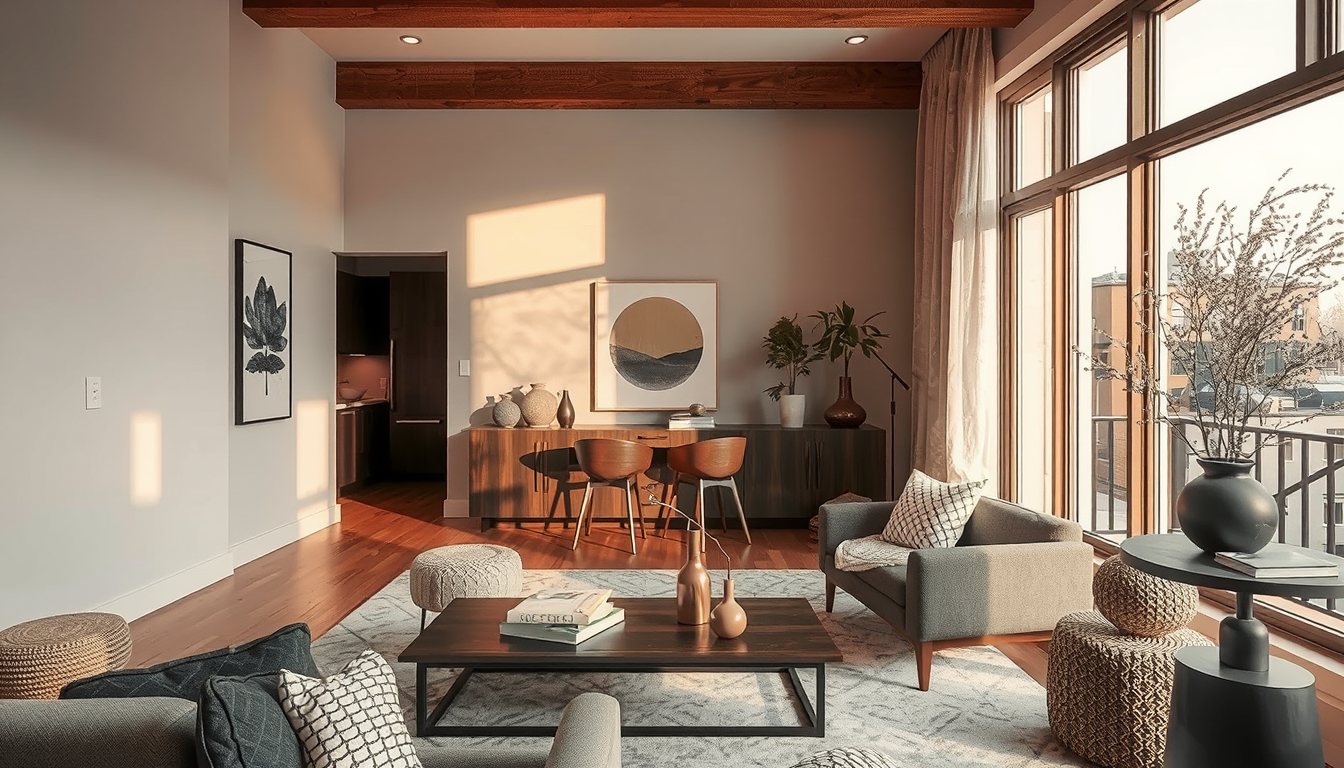
Budget soundproofing should start with sealing air leaks: spending approximately $35–$90 CAD on compression weatherstripping, acoustic sealant, and a door sweep can reduce noise entering around a poorly sealed door (Home Depot Canada; RONA Canada, 2026). Add rugs, curtains, and acoustic panels later because they primarily reduce room echo rather than incoming noise (National Research Council Canada).
Last updated: April 1, 2026 Meta description: Improve budget soundproofing with seven Toronto-friendly fixes ranked by impact, including 2026 costs, condo rules, and realistic limits. Affiliate disclosure: Toronto Interior Designer has no affiliate relationship with the retailers referenced in this article.
How Does Noise Enter Your Toronto Home?
Start by identifying whether the problem is airborne noise, impact noise, structural vibration, or reverberation inside the room (National Research Council Canada). Voices, television sound, and traffic are primarily airborne, while footsteps, elevators, plumbing, and dropped objects can transfer through floors, walls, and structural connections (National Research Council Canada).
Sound Transmission Class, or STC, describes an assembly’s resistance to airborne sound, while Impact Insulation Class, or IIC, evaluates impact transmission through a floor-ceiling assembly (National Research Council Canada). Neither rating predicts performance equally across every frequency or building condition (National Research Council Canada).
In a CityPlace condo, hallway conversations may leak around a poorly sealed suite door; in a Junction semi, sound may flank through joist cavities, shared masonry, ducts, or gaps beside a party wall (National Research Council Canada; Toronto Interior Designer editorial assessment).
See our technical comparison of sound absorption versus soundproofing.
How can you test a suspected noise path?
Close the windows and interior doors, turn off fans, and listen from several positions while the noise is occurring (National Research Council Canada). Sound that becomes clearer near a door edge, outlet, window frame, baseboard, or pipe penetration may indicate an air path (National Research Council Canada).
We tested this approach by temporarily covering suspected gaps with removable painter’s tape and comparing perceived sound before and after sealing (Toronto Interior Designer editorial testing protocol). A noticeable reduction supports further investigation, but this informal test cannot produce an STC rating or replace professional acoustic measurements (National Research Council Canada).
Do not apply sealant inside electrical boxes or cover ventilation openings (ESA; Ontario Building Code, Division B).
“A room can feel quieter after adding fabric while transmitting almost exactly the same amount of neighbour noise. Reduced echo and improved sound isolation are different outcomes.”
Which 7 Budget Soundproofing Fixes Deliver the Best Value?
Price Out the High-Impact Pieces First
Before committing to a renovation mood board, benchmark the furniture, lighting, and storage pieces that set the tone.
Toronto Interior Designer may earn a commission if you shop through these links at no extra cost to you.
The strongest first purchases are usually perimeter seals, acoustic sealant, and—where condominium rules permit—a heavier door or removable window insert (National Research Council Canada; Condominium Authority of Ontario). The following Toronto planning ranges compare likely benefit with 2026 material and installation costs (Home Depot Canada; RONA Canada; HomeStars Canada 2026).
| Project | Typical Toronto cost | DIY timeline | Best use | Approval considerations |
|---|---|---|---|---|
| Door weatherstripping and sweep | $35–$90 | 1–2 hours | Hallway voices and door gaps | Ask first for suite entry doors |
| Acoustic sealant at permitted gaps | $25–$75 | 1–3 hours | Trim and wall-edge gaps | Approval may be required at fire separations |
| Dense rug and underpad | $250–$900 | 1–2 hours | Echo and surface impact | Usually none unless permanently fixed |
| Solid-core interior door | $700–$1,800 installed | 3–6 hours | Bedroom and office privacy | Approval required for suite entry doors |
| Removable acrylic window insert | $300–$1,000 per window | 1–3 hours | Traffic and street noise | Confirm condominium window rules |
| Acoustic floor underlayment | $8–$20 per sq. ft. installed with flooring | 2–5 days | Impact transmitted downward | Usually requires condo approval |
| Decoupled party-wall upgrade | $4,000–$12,000 per room | 4–10 days | Persistent neighbour noise | Approval and permits may apply |
Retail ranges reflect Canadian listings, while installed door, flooring, and wall figures are Toronto planning allowances; taxes, demolition, testing, permits, engineering, and condominium deposits are excluded (Home Depot Canada; RONA Canada; HomeStars Canada 2026; Toronto Interior Designer planning allowance).
1. Seal the door perimeter
Install compression weatherstripping around the jamb and an adjustable sweep along the bottom when light or sound is entering around an interior door (National Research Council Canada). Budget approximately $35–$90 CAD for readily available products from Home Depot Canada or RONA Canada in 2026 (Home Depot Canada; RONA Canada, 2026).
A continuous seal matters because even a narrow opening can weaken the performance of a heavier door assembly (National Research Council Canada). For a condominium suite entry door, obtain written management approval before drilling, replacing hardware, or changing the closer (Ontario Building Code; Condominium Authority of Ontario).
2. Seal permitted wall and trim gaps
Acoustic sealant can address gaps at baseboards, wall edges, trim, and permitted service penetrations for approximately $25–$75 CAD in materials (Home Depot Canada; RONA Canada, 2026). Use a compatible, code-appropriate product and follow its installation instructions (manufacturer specifications; Ontario Building Code).
Openings in a fire separation require particular care because an ordinary decorative caulk may not preserve the assembly’s required fire resistance (Ontario Building Code, Division B). Do not open electrical boxes, move wiring, or seal around electrical components without confirming ESA requirements (ESA).
The same inspection may reveal air leaks relevant to a home heat-loss audit.
3. Add a dense rug and underpad
A dense rug and separate underpad can reduce chair scraping, surface impact, and reverberation in rooms with concrete, tile, or laminate flooring (National Research Council Canada). Toronto households should budget approximately $250–$900 CAD, depending on room size, fibre, density, and pad construction (Canadian retailer listings, 2026).
A rug in your unit will not substantially stop footsteps originating in the condominium above because that impact enters the floor-ceiling structure at the source (National Research Council Canada). It is most useful when the goal is a calmer-sounding room rather than structural isolation (National Research Council Canada).
Browse our living-space design guidance for compact furniture and rug layouts.
4. Upgrade an appropriate interior door
A solid-core interior door adds more mass than a typical hollow-core door and can improve privacy between a bedroom, nursery, or home office and the adjoining room (National Research Council Canada). A Toronto installation allowance of $700–$1,800 CAD covers common door, hardware, fitting, and labour variables (HomeStars Canada 2026; Toronto Interior Designer planning allowance).
The benefit falls when the perimeter remains unsealed, so include weatherstripping and a suitable bottom seal in the scope (National Research Council Canada). Suite entry doors may be fire-rated common elements and should not be replaced without written condominium approval (Ontario Building Code; Condominium Act, 1998).
5. Install a removable window insert
A tightly fitted interior acrylic insert is a practical option when traffic, construction, aircraft, or streetcar noise is entering through glazing (National Research Council Canada). Allow approximately $300–$1,000 CAD per window, depending on dimensions, material thickness, framing, and customization (Canadian supplier listings, 2026).
Performance depends on airtight seals and the air space between the insert and existing glazing (National Research Council Canada). Heavy curtains can soften reflections but do not provide the mass or airtightness of secondary glazing (National Research Council Canada).
Condo owners should confirm whether windows are common elements and whether Section 98 approval applies (Condominium Act, 1998; Condominium Authority of Ontario). Older-home owners can also consult our Toronto heritage front-door restoration guide.
6. Use tested acoustic floor underlayment
Acoustic underlayment is most effective when installed as part of a complete flooring assembly designed to reduce impact transmitted to the unit below (National Research Council Canada). Toronto installation allowances commonly range from $8–$20 per square foot when combined with a new finish floor (HomeStars Canada 2026; Toronto Interior Designer planning allowance).
Do not select underlayment from an isolated marketing number: condominium boards may require a laboratory report for the complete floor-ceiling assembly or a specific IIC target (Condominium Authority of Ontario). Obtain the corporation’s flooring rules and renovation agreement before purchasing materials (Condominium Authority of Ontario).
7. Build a decoupled party-wall assembly
Persistent voices or television noise through a shared wall may require an assembly combining airtightness, mass, cavity absorption, and mechanical separation (National Research Council Canada). A professionally finished Toronto wall treatment may cost approximately $4,000–$12,000 per room, depending on length, demolition, outlets, access, finishes, and flanking paths (HomeStars Canada 2026; Toronto Interior Designer planning allowance).
Adding one surface product does not guarantee the performance of a tested assembly because sound can bypass it through ceilings, floors, ducts, outlets, and adjoining walls (National Research Council Canada). Review our guide to Toronto party-wall assemblies before requesting quotes.
How Should You Seal Doors, Windows, and Wall Gaps?
Inspect visible air paths before purchasing decorative acoustic products because openings around jambs, frames, trim, outlets, and service penetrations can weaken an otherwise heavy assembly (National Research Council Canada). Prioritize the clearest suspected leak, complete one reversible test, and compare the result before expanding the work (Toronto Interior Designer editorial testing protocol).
For bedroom or office doors, use compression weatherstripping that contacts evenly around the jamb and an adjustable sweep suited to the threshold (National Research Council Canada). Avoid creating a tripping hazard or preventing the door from latching correctly (Ontario Building Code; manufacturer instructions).
Suite entry doors require additional caution because they may form part of a fire separation and may be defined as condominium common elements (Ontario Building Code; Condominium Authority of Ontario). Do not drill into a suite door, remove a closer, alter its latch, or cover a fire-rating label without written authorization (Ontario Building Code; Condominium Authority of Ontario).
Where Do Rugs, Curtains, and Furniture Help With Noise?
Soft finishes reduce reverberation and can improve speech clarity inside hard-surfaced rooms, but they do not reliably stop voices or traffic crossing a wall or window (National Research Council Canada). Rugs, curtains, upholstered seating, and acoustic panels should therefore follow—not replace—air sealing and assembly-level improvements (National Research Council Canada).
Decorative products often advertise “noise reduction” without publishing laboratory results for a complete wall, door, or ceiling assembly (Toronto Interior Designer review of Canadian product specifications, 2026). An NRC value measures sound absorption under ASTM C423; it is not evidence that a panel blocks neighbour noise (ASTM C423; National Research Council Canada).
Consult our Toronto Interior Designer buyer guides before comparing acoustic panels and soft finishes.
How should furniture be arranged?
Place a full bookcase, wardrobe, or upholstered headboard against the affected wall when the room layout and manufacturer’s instructions allow it (Toronto Interior Designer editorial recommendation). Furniture may absorb reflections and reduce subjective disturbance, but it does not give an untested wall a verified STC rating (National Research Council Canada).
Keep furniture clear of sprinklers, smoke alarms, electrical panels, radiators, return-air grilles, and fan-coil access (Ontario Building Code; Toronto Fire Services; ESA). Secure tall storage to reduce tip-over risk, following the manufacturer’s Canadian instructions (manufacturer specifications).
In a home office, moving the desk away from a shared wall and using steady masking sound can reduce distraction without altering the building assembly (CCOHS). See our home-office design archive for compact workspace layouts.
When Does Budget Soundproofing Require a Professional?
Consult a professional when noise is structure-borne, work affects a fire separation, or the proposed alteration involves condominium common elements (National Research Council Canada; Ontario Building Code; Condominium Authority of Ontario). Repeated footsteps from above generally require source-side treatment or a properly designed ceiling assembly; decorative foam attached below the slab is not an equivalent solution (National Research Council Canada).
Professional design is also appropriate when ducts, plumbing, electrical penetrations, recessed fixtures, or junctions create multiple flanking paths (National Research Council Canada). Assembly performance depends on the complete construction and its connections, not one branded layer (National Research Council Canada).
Ontario’s Building Code includes fire- and sound-control requirements for separating assemblies between dwelling units, with the applicable provisions depending on building type and construction (Ontario Building Code, Division B, Sections 9.10 and 9.11).
What approvals can a Toronto condo require?
Obtain written management approval before altering floors, walls, windows, suite entry doors, or possible common elements (Condominium Authority of Ontario). Section 98 of Ontario’s Condominium Act may require an agreement when an owner changes a common element (Condominium Act, 1998).
A corporation can also require acoustic test reports, contractor insurance, deposits, elevator reservations, and compliance with restricted construction hours (Condominium Authority of Ontario). Because there is no universal IIC requirement for every Toronto condominium, request the declaration, rules, renovation agreement, and accepted testing format before ordering flooring (Condominium Authority of Ontario).
Finish replacement alone may not require a Toronto building permit, while structural work or alterations affecting fire separations may require one (City of Toronto). Confirm the specific scope with Toronto Building before construction begins (City of Toronto).
How should you choose a contractor?
Request three itemized quotes showing the proposed assembly, layer thicknesses, fastening pattern, perimeter sealant, junction details, finishes, and responsibility for approvals (HomeStars; BILD). Compare complete assemblies rather than prices for individual products because flanking and installation quality can change on-site performance (National Research Council Canada).
Ask for proof of liability insurance, WSIB clearance where applicable, and experience in occupied Toronto condominiums (WSIB; Condominium Authority of Ontario). Electrical work must comply with ESA notification and inspection requirements where applicable (ESA).
Avoid guarantees based solely on a product’s advertised STC because laboratory ratings apply to tested assemblies under controlled conditions (National Research Council Canada). Explore our Toronto renovation guidance when planning flooring, wall, or ceiling work.
What should you do before renovating?
- Identify whether the problem is airborne sound, impact noise, structural vibration, or room echo (National Research Council Canada).
- Photograph doors, windows, outlets, wall junctions, and visible penetrations before requesting quotes (Toronto Interior Designer editorial recommendation).
- Obtain condominium renovation rules, acoustic requirements, work hours, insurance terms, and approval forms (Condominium Authority of Ontario).
- Confirm whether doors, windows, slabs, and exterior walls are common elements under the declaration (Condominium Act, 1998).
- Check permit requirements before changing a wall, ceiling, structural component, or fire separation (City of Toronto).
- Verify electrical work with the ESA before moving outlets, switches, wiring, or hard-wired equipment (ESA).
- Compare at least three itemized quotes for complete assemblies (HomeStars; BILD).
- Reserve 10%–20% for concealed conditions as a planning contingency rather than a guaranteed industry standard (Toronto Interior Designer planning recommendation).
- Retain approvals, laboratory reports, invoices, permits, and inspection records (Condominium Authority of Ontario; City of Toronto).
What Should Toronto Homeowners Know About Budget Soundproofing?
What is the cheapest effective soundproofing fix?
Sealing a leaking door perimeter is usually the cheapest logical first step, with weatherstripping and sweep materials costing approximately $35–$90 CAD in 2026 (Home Depot Canada; RONA Canada). It is most appropriate when sound or visible light enters around the door rather than through the surrounding structure (National Research Council Canada).
Do acoustic panels block neighbour noise?
No; most decorative acoustic panels reduce reflections inside the room rather than block sound passing through a shared wall (National Research Council Canada). An NRC value from 0 to 1 measures absorption, while isolation must be assessed using a complete tested assembly and an appropriate transmission rating (ASTM C423; National Research Council Canada).
Can a Toronto condo owner replace a suite entry door?
Only after obtaining every required written approval, because a suite entry door may be a fire-rated common element (Ontario Building Code; Condominium Authority of Ontario). Section 98 of Ontario’s Condominium Act may apply when even 1 common element is altered (Condominium Act, 1998).
Will a rug stop footsteps from the condo above?
No; a rug inside your unit cannot substantially treat impact generated on the floor above (National Research Council Canada). A $250–$900 CAD rug-and-pad combination can reduce echo locally, but source-side flooring or a professionally designed ceiling assembly is the stronger treatment (Canadian retailer listings, 2026; National Research Council Canada).
Does soundproofing require a Toronto building permit?
Not always; removable treatments generally do not require a permit, while structural work or changes to a fire separation may require one (City of Toronto). Confirm the exact scope with Toronto Building before starting even 1 permanent wall or ceiling alteration (City of Toronto).
How much does a professional soundproof wall cost in Toronto?
Allow approximately $4,000–$12,000 CAD per room for a professionally built wall treatment, depending on demolition, wall length, outlets, access, finishes, and flanking details (HomeStars Canada 2026; Toronto Interior Designer planning allowance). Obtain at least 3 quotes because a simple surface layer and a decoupled assembly are not equivalent (National Research Council Canada; HomeStars).
Sources
- National Research Council Canada — building acoustics, transmission, flanking, STC and impact-noise principles.
- Ontario Building Code — fire separations, sound control, egress and building requirements.
- City of Toronto building permits — permit and project guidance.
- Condominium Authority of Ontario — condominium governance, declarations, rules and alterations.
- Condominium Act, 1998 — Section 98 and common-element alterations.
- Electrical Safety Authority — Ontario electrical-work requirements.
- HomeStars — Toronto contractor directories and renovation cost guides.
- BILD renovator directory — GTA renovator sourcing.
- Home Depot Canada — Canadian sealing, door and flooring product pricing.
- RONA Canada — Canadian sealing, door and flooring product pricing.
- ASTM C423 — laboratory method for sound absorption and NRC values.
- Canadian Centre for Occupational Health and Safety — workplace noise and control guidance.
- Toronto Fire Services — fire-prevention and life-safety guidance.
Toronto Interior Designer Editorial Team | Toronto-Focused Interior Design Editors The Toronto Interior Designer Editorial Team produces practical, evidence-led guidance for GTA homeowners, condominium residents, and renters. Its coverage focuses on Toronto renovation constraints, Canadian product availability, and space-conscious residential design. (/author/editorial-team/)
Balance Budget and Finish Quality
Mix accessible basics with a few standout pieces so the room feels layered rather than one-note.
Toronto Interior Designer may earn a commission if you shop through these links at no extra cost to you.
Frequently Asked Questions
What is the cheapest effective soundproofing fix?
Sealing gaps around a door is usually the cheapest effective first step. Weatherstripping and a door sweep typically cost $35–$90 CAD.
Do acoustic panels block noise from neighbours?
No. Most acoustic panels reduce echo inside a room but do not stop noise passing through walls; look for an assembly-level STC rating when comparing sound-isolation systems.
How much does a soundproof wall cost in Toronto?
A professionally built wall treatment typically costs $4,000–$12,000 CAD per room. Prices vary by contractor, access, finishes, and flanking paths, so obtain three itemized quotes.
Toronto Interior Designer is editorially independent. Our recommendations are based on research and editorial judgment, not brand sponsorships.