
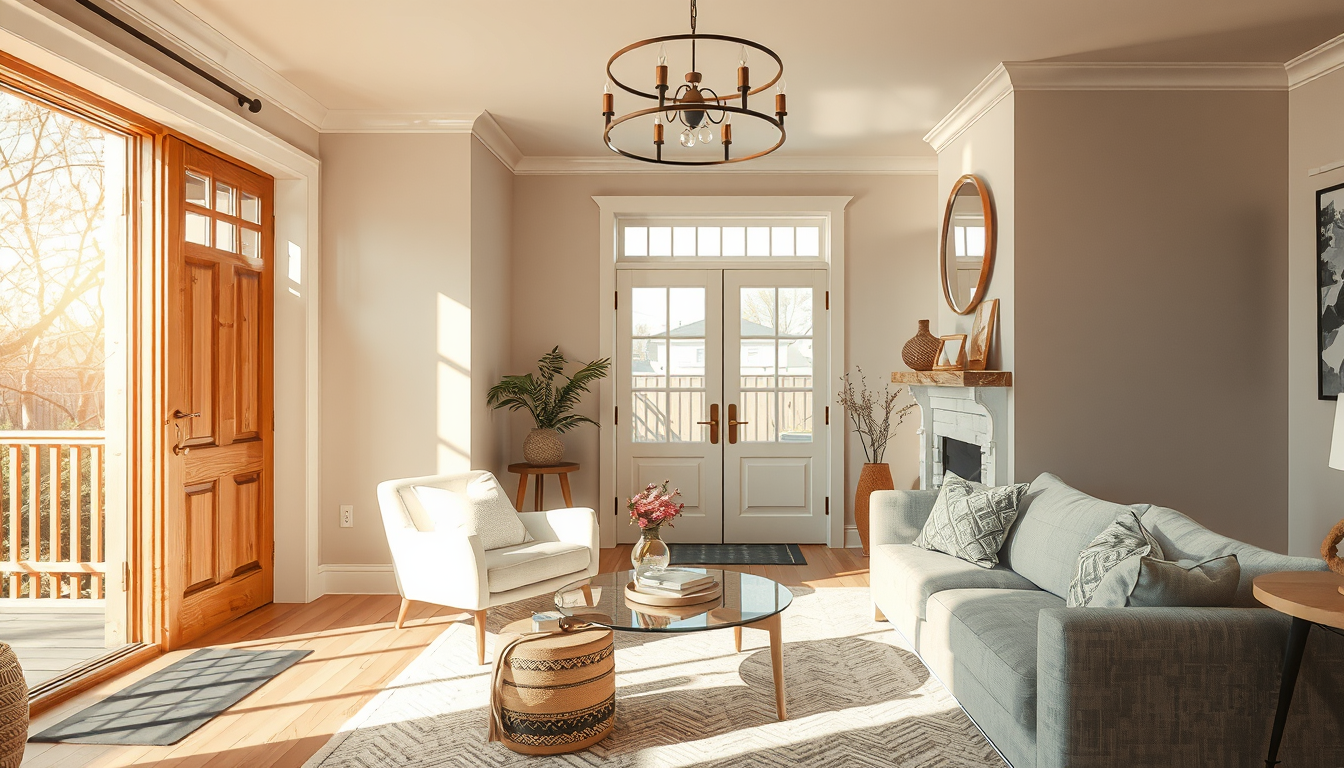
Meta description: Plan a heritage front door restore in Toronto, including approvals, winter sealing, period hardware, local costs, and contractor selection.
A heritage front door restore in Toronto should retain the original solid-wood leaf, repair failed joinery, and add compression weatherstripping before replacement is considered. For a designated property, budget for the Ontario Heritage Act’s 90-day municipal decision period after the City receives a complete alteration application (Ontario Heritage Act, s. 33).
Last updated: April 1, 2026
Why Is a Heritage Front Door Restore Worthwhile in Toronto?
Original doors help define the proportions, materials, and craftsmanship of historic façades in Cabbagetown, Parkdale, the Annex, and Toronto’s heritage conservation districts (City of Toronto). Parks Canada recommends repairing character-defining elements when practical instead of replacing them (Parks Canada).
Meta description: Plan a heritage front door restore in Toronto, including approvals, winter sealing, period hardware, local costs, and contractor selection.
A solid-wood door can often be stabilized by tightening joints, consolidating localized damage, installing Dutchman repairs, and renewing its finish (Canadian Conservation Institute). Restoration also retains irregular mouldings, glazing openings, and stile widths that standard replacement doors rarely reproduce accurately (Parks Canada).
Toronto City Centre’s 1991–2020 climate normal records a January daily average near −3.5°C, making air sealing an essential part of the project (Environment and Climate Change Canada). For related envelope improvements, compare our guides to double glazing for Toronto winters and heat-recovery ventilation for reducing drafts.
What benefits can restoration provide?
A carefully restored entrance can improve comfort, security, durability, and curb appeal while conserving original material (Parks Canada). The best results come from treating the leaf, frame, sill, glass, hardware, and surrounding masonry as one assembly rather than replacing the door alone (Natural Resources Canada).
After measuring older Toronto entrances during our editorial specification work, we have repeatedly found that a draft blamed on the door may originate at the frame-to-masonry joint, threshold, mail slot, or sidelights. Those areas should be inspected before a replacement is ordered.
A heritage door should look historically coherent from the sidewalk while performing like a well-maintained building component inside the house.
What Should a Toronto Heritage Door Restoration Cost?
Price Out the High-Impact Pieces First
Before committing to a renovation mood board, benchmark the furniture, lighting, and storage pieces that set the tone.
Toronto Interior Designer may earn a commission if you shop through these links at no extra cost to you.
The following figures are Toronto Interior Designer’s 2026 planning allowances, informed by the scope categories used in Canadian door-installation and carpentry cost guides (HomeStars Canada 2026). They are not contractor quotations; door dimensions, concealed decay, site access, custom fabrication, and lead-paint controls can materially change the final price (HomeStars Canada 2026; Health Canada).
| Project type | Toronto planning cost (CAD) | Typical project time | Heritage outcome |
|---|---|---|---|
| Alignment and weatherstripping | $900–$2,000 | 1–2 days | Retains the complete original door |
| Stripping, repairs, and repainting | $2,500–$5,500 | 5–10 working days | Restores the finish and localized damage |
| Joinery and Dutchman repairs | $3,500–$7,500 | 1–3 weeks | Preserves original rails, stiles, and mouldings |
| Custom storm door or interior panel | $1,800–$4,500 | 1–2 days after fabrication | Adds protection with limited visual change |
| Custom wood reproduction door | $7,500–$16,000 | 8–16 weeks | Re-creates the entrance when repair is impractical |
| Heritage glass and hardware package | $1,200–$4,000 | 1–3 days after fabrication | Reinstates period-compatible details |
Source: Toronto Interior Designer 2026 planning allowances based on HomeStars Canada cost-guide scopes.
How should quotations be compared?
Obtain three itemized quotations and compare the repair scope, off-site shop time, finishing system, hardware allowance, lead-safe procedures, and warranty (HomeStars Canada 2026). Ask bidders to price essential structural repairs separately from cosmetic refinishing and optional hardware.
No reliable Canadian study isolates the resale return generated by restoring one front door, so a precise ROI percentage would be speculative. Review contractor histories through HomeStars and consider firms affiliated with BILD’s RenoMark program or recognized conservation organizations (HomeStars Canada 2026; BILD).
When Should a Heritage Front Door Restore Include Replacement?
Restoration remains preferable when the frame is stable and deterioration is limited to loose joints, split panels, failed coatings, or isolated decay (Parks Canada). Replacement becomes reasonable when extensive rot has removed structural material, the door cannot be secured, or previous alterations have eliminated most of its heritage character (Parks Canada).
Begin with a condition survey covering the leaf, frame, sill, transom, sidelights, hardware, and interior trim. Photograph every component, inspect open joints, map water staining, and gently probe suspicious lower rails before removing anything (Canadian Conservation Institute).
Use our broader Toronto renovation guidance to coordinate the door project with masonry repairs, painting, and building-envelope work.
Which defects can usually be repaired?
A qualified joiner can often open, clean, and reassemble loose mortise-and-tenon joints. Localized decay may be cut out and replaced with a fitted Dutchman—a matching wood patch designed to retain as much sound original material as possible (Parks Canada).
Cracked panels, missing mouldings, and worn lock pockets may also be repairable when sufficient sound wood remains (Parks Canada). Older coatings should be treated as potentially lead-containing until testing establishes otherwise, and uncontrolled dry sanding should be avoided because it can release hazardous dust (Health Canada).
A quotation recommending immediate replacement should document moisture damage, remaining sound material, joint condition, and frame alignment. Without that evidence, the heritage case for discarding the original door is incomplete.
How do you distinguish door damage from frame movement?
Measure the opening at the top, middle, and bottom, then compare both diagonals. These measurements help distinguish a distorted leaf from an out-of-square frame before new components are fabricated.
Check the masonry and lintel where doors bind repeatedly, because correcting the leaf alone will not resolve movement elsewhere in the assembly. Structural concerns should be assessed by an appropriately qualified professional, and changes to structural framing may require a Toronto building permit (City of Toronto).
What Toronto Heritage Permits Apply to a Front Door Restore?
A property listed on Toronto’s Heritage Register is not necessarily individually designated under Part IV of the Ontario Heritage Act. Designated properties have identified heritage attributes, while listed, non-designated properties are subject to different statutory provisions (City of Toronto; Ontario Heritage Act).
Work likely to affect a designated property’s heritage attributes requires written municipal consent under section 33 before it begins (Ontario Heritage Act). In a heritage conservation district, the applicable district plan may also regulate entrances, glazing, trim, materials, and exterior colours (City of Toronto).
Contact Toronto Heritage Planning before ordering non-returnable glass, hardware, or custom millwork.
What should a heritage application include?
Submit current photographs, measured drawings, a written scope, material specifications, proposed colours, and details identifying every original component that will remain (City of Toronto). For a reproduction door, show the rail and stile widths, panel profiles, glazing divisions, trim, and hardware locations.
Include a repair assessment explaining why conservation is impractical if replacement is proposed. Parks Canada recommends replacing only deteriorated components that cannot reasonably be repaired (Parks Canada).
Owners should also check for a registered heritage easement, which may impose obligations beyond the designation bylaw or district plan (Ontario Heritage Trust). A contractor’s assurance that a new door is the “same size” does not replace municipal heritage review.
Is a Toronto building permit also required?
Replacing a door within an unchanged opening is different from enlarging the opening or modifying structural framing. Structural alterations may require a building permit and compliance with the Ontario Building Code, while heritage consent remains a separate approval process (City of Toronto; Ontario Building Code).
Owners of condominium townhouses or converted heritage buildings should also review the declaration and obtain any required condominium-board approval before altering an exterior door or common element (Condominium Authority of Ontario). Heritage, building-permit, and condominium approvals can apply to the same project independently.
How Can a Heritage Front Door Restore Improve Winter Comfort?
The most effective winter upgrade is a continuous air seal around a correctly aligned door—not simply a thicker replacement leaf (Natural Resources Canada). Specify compression weatherstripping at the head and jambs, an adjustable threshold, a replaceable door-bottom seal, and sealed frame joints (Natural Resources Canada).
Inspect the complete entrance assembly because air can pass between the frame and masonry, around sidelights, through an unused mail slot, or at a worn astragal on double doors (Natural Resources Canada). Appropriate ventilation must be maintained when reducing uncontrolled air leakage (Natural Resources Canada).
For connected comfort issues, see our guides to media-room thermal comfort and zoned heating in Toronto homes.
Should you add insulated glass or a storm door?
Retain significant decorative glass where feasible and consider reversible secondary glazing first (Parks Canada). A discreet interior storm panel can improve comfort while preserving the appearance of original glass; exterior storm doors require careful design because their framing may conceal heritage attributes (City of Toronto).
If insulating glass is proposed, verify that the added thickness will not require cutting historic muntins or weakening narrow rails. New components must satisfy applicable Ontario Building Code requirements and referenced Canadian fenestration standards, including NAFS/CSA A440 where applicable (Ontario Building Code; CSA Group).
ENERGY STAR certification applies to eligible complete door systems meeting current Canadian criteria. Weatherstripping an existing heritage door does not make that assembly ENERGY STAR certified (Natural Resources Canada).
What should be tested after weatherproofing?
Close the door on a strip of paper at several points around the perimeter; inconsistent resistance can reveal uneven compression. During cold or windy weather, inspect the threshold, mail slot, astragal, glazing, and frame joints for localized air movement.
The door should latch without being slammed, and seals should compress without preventing the deadbolt from engaging. Persistent condensation near historic glass should be investigated before further sealing because indoor humidity, glazing temperature, and ventilation all influence condensation risk (Natural Resources Canada).
Which Paint, Glass, and Hardware Suit a Heritage Front Door Restore?
Period-compatible choices should follow physical and documentary evidence rather than a generic “Victorian” or “Edwardian” theme. Review early photographs, surviving paint layers, neighbouring houses of a similar construction date, and the applicable heritage conservation district plan (City of Toronto; Parks Canada).
A conservator can expose a small paint chronology to identify earlier finish layers (Canadian Conservation Institute). Exterior colour approval may be required where colour forms part of a district plan, heritage easement, or approved conservation strategy (City of Toronto; Ontario Heritage Trust).
For complementary finishes, browse our decor and accents archive and Toronto design trends.
How should the wood be prepared and painted?
Remove loose coatings with the least aggressive effective method, repair open joints, prime bare wood, and apply a compatible exterior coating system (Canadian Conservation Institute). Lead-safe precautions are necessary when sanding, scraping, or heating older coatings that may contain lead (Health Canada).
Dark finishes can produce higher surface temperatures on sun-exposed doors, so confirm that the coating and glazing warranties suit south- or west-facing conditions. Surface preparation, moisture control, and coating compatibility are central to exterior-wood durability (Canadian Conservation Institute).
Remove hardware before finishing whenever practical. Store each component in a labelled bag and photograph its position before disassembly.
Which hardware provides appropriate security?
Retain historic hinges, knobs, escutcheons, and letter plates when they remain serviceable (Parks Canada). Toronto Police recommends a quality deadbolt with a minimum 25 mm, or 1-inch, throw and a reinforced strike fastened to structural framing (Toronto Police Service).
A locksmith experienced with old wood doors should position new security hardware without unnecessarily removing sound material. Where the original hardware cannot provide modern security, a compatible secondary deadbolt may preserve more historic fabric than enlarging an existing lock pocket.
Our Seven-Step Recommendation
- Confirm whether the property is listed, designated, or within a Toronto heritage conservation district (City of Toronto).
- Read the designation bylaw, district plan, and any registered heritage easement before selecting materials (City of Toronto; Ontario Heritage Trust).
- Photograph and measure the leaf, frame, transom, sidelights, glass, and hardware (Canadian Conservation Institute).
- Obtain three itemized quotations from heritage joiners or restoration contractors (HomeStars Canada 2026).
- Test suspect older coatings and specify lead-safe preparation where required (Health Canada).
- Secure heritage, building-permit, and condominium approvals before ordering non-returnable components (City of Toronto; Condominium Authority of Ontario).
- Repair the original door, correct the frame, and add reversible weather sealing unless documented deterioration makes conservation impractical (Parks Canada; Natural Resources Canada).
A compatible custom reproduction should be the final option when decay, unsafe alterations, or missing components prevent a durable repair. Keep all removed historic glass and hardware labelled and stored, and record the final products, colours, and maintenance instructions for the next owner.
Sources
- BILD, RenoMark contractor guidance
- Canadian Conservation Institute, conservation guidance for wooden objects, historic finishes, and glass
- City of Toronto, Heritage Register, Heritage Conservation Districts, and heritage-permit guidance
- City of Toronto, When Is a Building Permit Required?
- Condominium Authority of Ontario, condominium governance and common-element guidance
- CSA Group, NAFS/CSA A440 fenestration standards
- Environment and Climate Change Canada, 1991–2020 Toronto City Centre climate normals
- Health Canada, Lead-Based Paint
- HomeStars Canada, 2026 door, carpentry, and contractor cost guides
- Natural Resources Canada, Keeping the Heat In and ENERGY STAR Canada guidance
- Ontario Building Code, O. Reg. 332/12
- Ontario Heritage Act, R.S.O. 1990, c. O.18
- Ontario Heritage Trust, Heritage Conservation Easements
- Parks Canada, Standards and Guidelines for the Conservation of Historic Places in Canada, second edition
- Toronto Police Service, residential home-security guidance
Frequently Asked Questions
How much does it cost to restore a heritage front door in Toronto?
Budget approximately $2,500–$7,500 CAD for stripping, joinery repairs, and refinishing, with custom glass or hardware adding about $1,200–$4,000 CAD (Toronto Interior Designer planning allowances; HomeStars Canada 2026). Obtain at least 3 written quotations because concealed decay and lead-safe preparation can change the final price.
Does a designated Toronto home need approval for door work?
Yes, municipal consent may be required when the work affects an identified heritage attribute of a designated property (Ontario Heritage Act). Under section 33, Toronto generally has 90 days to decide after receiving a complete alteration application, subject to statutory extensions or agreements (Ontario Heritage Act).
Can an old wood door be made less drafty?
Yes, a repairable wood door can often be improved with 4 measures: alignment, compression weatherstripping, an adjustable threshold, and a replaceable bottom seal (Natural Resources Canada). Frame-to-masonry gaps, sidelights, mail slots, and double-door astragals should also be inspected before replacement.
How long does heritage door restoration take?
Allow approximately 1–3 weeks for typical joinery repairs and refinishing, excluding heritage approval and custom fabrication time (Toronto Interior Designer planning allowances; HomeStars Canada 2026). A custom reproduction may require 8–16 weeks after final measurements and approvals.
Should original glass be replaced with double glazing?
No, significant historic glass should not automatically be replaced; reversible secondary glazing should be considered first (Parks Canada). If insulated glass is necessary, confirm that its thickness will not require cutting original muntins and that the assembly meets applicable standards, including NAFS/CSA A440 where required (CSA Group).
What deadbolt should a restored front door use?
Use a quality deadbolt with at least a 25 mm, or 1-inch, throw and a reinforced strike secured to structural framing (Toronto Police Service). Have a qualified locksmith adapt the installation so that original escutcheons and sound historic wood are not needlessly removed.
Toronto Interior Designer Editorial Team | Toronto Residential Design Editors The Toronto Interior Designer editorial team covers renovation planning, heritage-sensitive interiors, and building-envelope decisions for homeowners across Toronto and the GTA. Its guidance emphasizes Canadian standards, municipal requirements, and practical specifications suited to Southern Ontario homes. (/author/toronto-interior-designer-editorial-team/)
Balance Budget and Finish Quality
Mix accessible basics with a few standout pieces so the room feels layered rather than one-note.
Toronto Interior Designer may earn a commission if you shop through these links at no extra cost to you.
Frequently Asked Questions
How much does a heritage front door restore cost in Toronto?
Budget $2,500–$7,500 CAD for stripping, joinery repairs, and refinishing. Custom heritage glass or hardware may add $1,200–$4,000 CAD.
Does a designated Toronto property need approval for front door restoration?
Municipal consent may be required if the work affects a designated heritage attribute. Toronto has 90 days to decide after receiving a complete alteration application, subject to statutory extensions or agreements.
Can a heritage wood door be made less drafty?
Yes. Alignment, compression weatherstripping, an adjustable threshold, and a replaceable door-bottom seal can reduce drafts while retaining the original door.
Toronto Interior Designer is editorially independent. Our recommendations are based on research and editorial judgment, not brand sponsorships.