
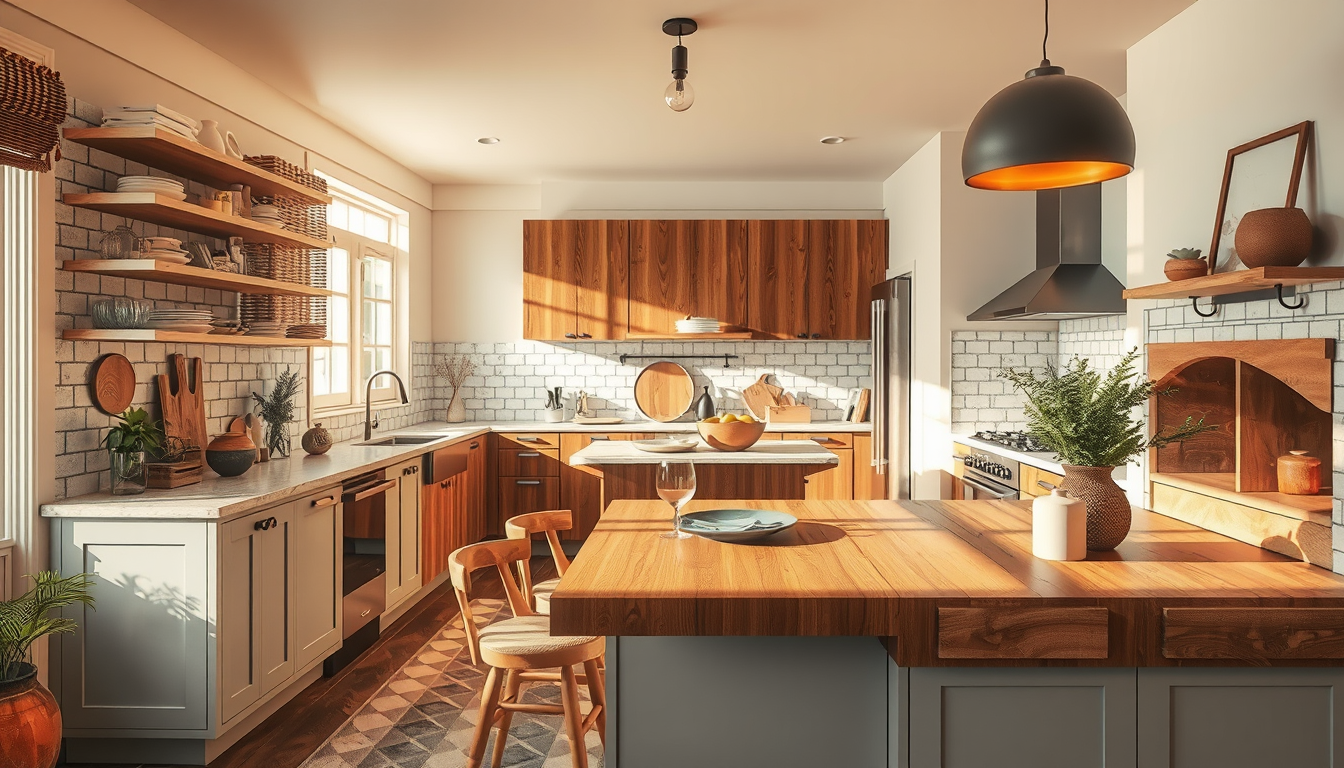
If you are researching a butcher block countertop Canada shoppers can actually source locally, you are part of a growing wave. Nearly one in five Canadian kitchen renovators now choose wood or butcher block as a secondary countertop surface — up from roughly 11 percent just a few years ago . The appeal is real: warmth, repairability, and a natural texture that cold-to-the-touch quartz simply cannot replicate. But Canadian climates punish wood harder than most, and the wrong species or maintenance routine will leave you with a cracked, warped surface by March. This guide covers every practical detail — species, pricing, sourcing, and a seasonal care schedule built for the way Canadian homes actually heat and breathe.
Why Butcher Block Countertop Canada Demand Is Surging in 2026
The all-white, all-quartz kitchen had a long run. Designers are now layering natural materials back in — think open-grain wood islands paired with porcelain perimeter counters — and butcher block is the most accessible entry point. The material-honesty movement, championed by outlets like Dwell and Domino, prizes surfaces that age visibly and can be restored rather than replaced .
For Toronto condos and older semi-detached homes where kitchens sit under 120 square feet, butcher block does something quartz cannot: it makes a compact room feel warmer and less clinical. At Toronto Interior Designer, we regularly spec a butcher block island top against darker cabinetry to break up visual weight without adding cost. It is also one of the few countertop materials a confident homeowner can install as a weekend project, which matters when renovation timelines in Canada already stretch longer than most people expect.
Butcher Block Countertop Pros and Cons for Canadian Climates
Shop Dining Pieces for Narrow Layouts
Extendable tables, slim dining chairs, and compact pendants make a bigger impact than oversized statement pieces.
Toronto Interior Designer may earn a commission if you shop through these links at no extra cost to you.
Canadian homes face a humidity swing that most US-focused care guides ignore entirely. In winter, forced-air heating can drop indoor relative humidity below 25 percent. In July, that number climbs past 60 percent in many GTA homes without central air. Wood expands and contracts with every swing, and butcher block — with its glued-up edge-grain or end-grain construction — is especially sensitive at the seams. Understanding these trade-offs upfront helps you decide whether butcher block suits your kitchen and your willingness to maintain it.
| Factor | Butcher Block | Quartz | Laminate |
|---|---|---|---|
| Price per sq ft (CAD, installed) | $40–$120 | $60–$150+ | $20–$50 |
| Repairability | Sand and re-oil at home | Professional chip repair | Replace full sheet |
| Heat resistance | Moderate (use trivets) | High | Low |
| Humidity sensitivity | High — seasonal oiling critical | None | Low |
| Sustainability | High (domestic hardwood, refinishable) | Low (engineered resin) | Low (plastic laminate) |
| Best use in kitchen | Island, prep zone, coffee bar | Perimeter, around sink | Budget full kitchen |
The honest takeaway: butcher block is not a set-and-forget surface. If you want zero maintenance, choose quartz. If you value warmth, character, and the ability to sand out damage yourself, butcher block rewards the effort — especially when paired with the seasonal schedule below.
“Wood countertops tell a story that stone never will. Every knife mark and oil patina is a record of meals made and seasons passed — and in a Toronto kitchen, that story changes visibly with every winter and summer.”
5 Best Wood Species for Butcher Block Countertops in Canada
Not all butcher block is created equal, and Canadians have a sourcing advantage: some of the hardest, most food-safe species grow within a few hundred kilometres of Toronto. Choosing the right wood for your use case is the single biggest decision after committing to butcher block.
- Hard maple (sugar maple) — The gold standard. Scores 1,450 on the Janka hardness scale, tight grain resists bacteria, and it is milled extensively in Ontario and Quebec. Best all-around choice for a working kitchen surface .
- White oak — Scores around 1,360 Janka. More visible grain character than maple, and naturally resistant to moisture thanks to tyloses in the wood cells. Excellent island material.
- Black walnut — The premium pick at roughly 1,010 Janka. Softer, so better suited to a coffee bar or dining counter than a heavy-prep zone. Canadian walnut from Ontario mills is available but commands top dollar.
- Birch — The budget option. IKEA Canada’s HAMMARP countertop is solid birch and starts under $200 for a standard slab. Decent hardness at 1,260 Janka, but more prone to denting than maple.
- Ash — Underrated at 1,320 Janka with a dramatic, open grain. Harder to find as a stock butcher block option, but local millwork shops in the Junction or along the Danforth can custom-fabricate it.
For anyone exploring the wabi-sabi design philosophy that celebrates natural imperfection, a live-edge walnut or character-grade maple slab delivers that aesthetic immediately.
Butcher Block Countertop Care: Seasonal Schedule for Canadian Homes
This is where most owners fail, and where most online guides fall short — they do not account for Canadian heating cycles. Below is the maintenance schedule Toronto Interior Designer recommends to clients.
Fall (October–November): Apply a heavy coat of food-safe mineral oil or a hardwax oil blend such as Rubio Monocoat before the furnace kicks on full time. This pre-winter saturation is the single most important step. Let it soak overnight, then buff off the excess.
Winter (December–March): Oil every four to six weeks. Run a hygrometer in your kitchen — if humidity drops below 30 percent, increase the frequency or add a portable humidifier near the island. Cracking almost always happens during this window.
Spring (April–May): Inspect seams for any hairline cracks. Light sanding with 220-grit and a fresh oil coat will address minor surface damage from the dry months.
Summer (June–September): Humidity is your friend now. Oil every six to eight weeks. Focus on wiping up standing water quickly — pooled moisture near the sink can cause localized swelling and dark stains.
Full re-sand: Plan to sand the entire surface back to bare wood and re-oil every three to five years, depending on use intensity. End-grain tops can go longer between full refinishes because the exposed fibres absorb oil more deeply.
Where to Buy Butcher Block Countertop in Canada (Pricing Guide)
Prices vary widely depending on species, construction method, and whether you buy stock or custom. The table below compares the most common options available to Canadian buyers in 2026.
| Supplier | Type | Price Range (CAD/sq ft) | Notes |
|---|---|---|---|
| IKEA Canada (KARLBY) | Walnut veneer over particleboard | $15–$30 | Not true butcher block — veneer cannot be sanded. Good for light-use areas. |
| IKEA Canada (HAMMARP) | Solid birch | $25–$40 | Genuine solid wood. Entry-level but functional. |
| Burroughs (Toronto) | Custom solid end-grain or edge-grain | $80–$120+ | Local maker, premium quality, Canadian hardwoods. |
| The Hardwood Lumber Company | Custom maple, walnut, oak slabs | $60–$100 | Ships across Ontario, mill-direct pricing. |
| Home Depot / Lowe’s Canada | Stock edge-grain maple or acacia | $35–$70 | Convenient, mid-quality. Inspect for warping in-store. |
For more sourcing guidance across your full renovation, browse our buyer guides for Canadian-specific product comparisons.
What to Do Next
- Measure your countertop area and calculate square footage — most suppliers quote per square foot, not per slab.
- Choose your species based on use: hard maple for prep zones, walnut or oak for islands and coffee bars where aesthetics matter most.
- Buy a hygrometer (under $20 at Canadian Tire) and baseline your kitchen’s humidity before installation.
- Stock up on food-safe mineral oil — you will use more than you expect, especially in the first winter.
- Get three quotes from at least one local millwork shop and one big-box retailer to compare quality and lead times.
- Schedule your install for spring or early fall when humidity is moderate — this gives the wood time to acclimate before extreme seasonal shifts.
A butcher block countertop Canada homeowners maintain properly will last decades, develop rich patina, and cost less than most stone alternatives. It is not the lowest-maintenance choice, but for kitchens that need warmth, character, and a surface you can genuinely repair at home, nothing else comes close. At Toronto Interior Designer, we believe the best kitchen surfaces are the ones that get better with use — and butcher block delivers exactly that.
Start With Functional Basics
For budget-friendly kitchen and dining updates, focus on stools, storage, and lighting before decorative extras.
Toronto Interior Designer may earn a commission if you shop through these links at no extra cost to you.
Sources
- NKBA kitchen trends survey — https://nkba.org/research
- Dwell sustainable materials coverage — https://www.dwell.com/collection/sustainable-materials
- Wood Database hardness ratings — https://www.wood-database.com/hard-maple/
Frequently Asked Questions
How often should you oil a butcher block countertop in Canada?
In Canadian homes, oil your butcher block every 4–6 weeks during winter when forced-air heating drops humidity below 30 percent. In summer, every 6–8 weeks is sufficient. Apply a heavy pre-winter coat of food-safe mineral oil in October before the furnace runs full time — this is the single most important maintenance step.
What is the best wood for a butcher block countertop in Canada?
Hard maple (sugar maple) is the best all-around choice, scoring 1,450 on the Janka hardness scale with a tight grain that resists bacteria. It is milled extensively in Ontario and Quebec, making it affordable and easy to source locally. White oak and black walnut are strong alternatives for island or coffee-bar use.
How much does a butcher block countertop cost in Canada?
Prices range from $25–$40 CAD per square foot for solid birch entry-level slabs to $80–$120+ per square foot for custom end-grain maple or walnut from local makers like Burroughs in Toronto. Big-box retailers carry mid-range stock options at $35–$70 per square foot installed.