
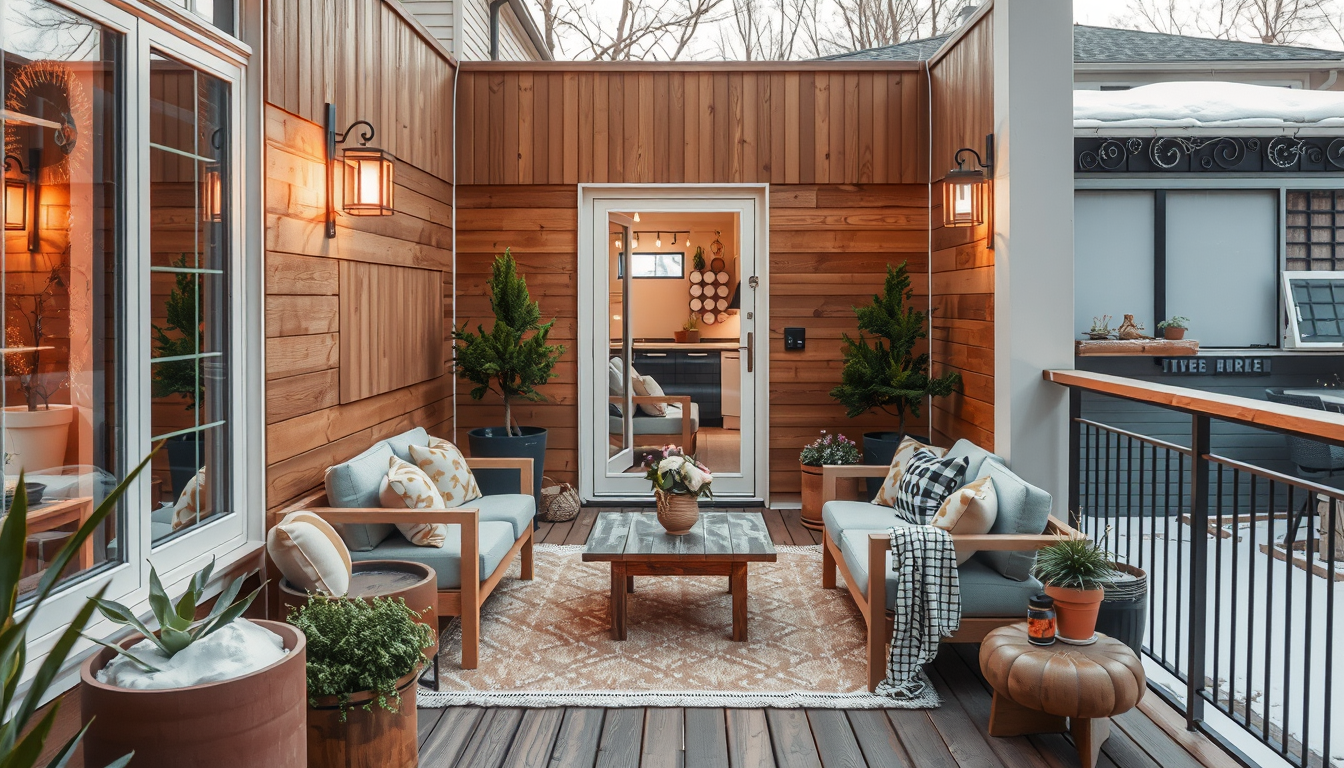
If you’re searching for cedar deck ideas Canada homeowners can actually build with confidence, you’ve likely noticed that most online advice ignores the single factor that matters most here: our freeze-thaw cycle. Toronto alone sees 40 to 50 freeze-thaw cycles every winter — more than most US cities experience in a decade. That relentless expansion and contraction cracks boards, lifts finishes, and sends homeowners back to the hardware store every spring. Cedar, when specified and maintained correctly for our climate, handles this punishment better than almost any other natural decking material. This guide covers species selection, design layouts, maintenance timing, and real costs — all through a Canadian lens.
Why Cedar Deck Ideas Beat Composite for Canadian Homeowners in 2026
The wellness-driven design movement has reached the backyard. Architects and designers — including our team at Toronto Interior Designer — are fielding more requests for natural, non-toxic outdoor materials than at any point in the past five years. Cedar fits that brief perfectly.
Western Red Cedar contains natural thujaplicins, fungicidal compounds that resist rot and insect damage without chemical pressure treatment . That means fewer volatile compounds off-gassing on your deck in July heat, and a material that weathers into a silver-grey patina rather than fading into the chalky surface composite boards develop after prolonged UV exposure.
Cost plays a role too. Cedar decking in Canada currently runs between $35 and $65 per square foot installed, while premium composite sits at $50 to $90 or more . The gap narrows over 20 years when you factor in cedar’s maintenance needs, but the upfront savings give homeowners room to invest in better footings, railings, or built-in seating — the details that actually elevate a deck’s usability.
A cedar deck isn’t a maintenance-free choice — it’s a maintenance-worthy one. The annual ritual of cleaning, inspecting, and refinishing connects you to your outdoor space the way no composite ever will.
British Columbia produces over 80 percent of Canada’s Western Red Cedar supply, giving Canadian builders a sourcing and pricing advantage that US homeowners simply don’t have .
Western Red Cedar vs Eastern White Cedar: Best Species for Canadian Decks
Shop Balcony and Patio Pieces That Fit
Toronto outdoor spaces are often tight, so look for stackable seating, slim tables, and weather-ready textiles first.
Toronto Interior Designer may earn a commission if you shop through these links at no extra cost to you.
Not all cedar is equal, and this is where most generic advice falls apart. Here’s how the two main Canadian species compare for deck use in Ontario’s Zone 5b/6a climate:
| Factor | Western Red Cedar | Eastern White Cedar |
|---|---|---|
| Rot Resistance | High — natural thujaplicins | Moderate — less fungicidal oil content |
| Hardness (Janka) | 350 lbf | 320 lbf |
| Board Width Availability | Up to 12″ nominal | Typically 6″ nominal |
| Best Use | Deck boards, fascia, stair treads | Railings, privacy screens, pergola beams |
| Typical Cost (CAD/lin. ft) | $3.50–$6.00 | $2.00–$4.00 |
| Sourcing | BC mills, widely stocked | Ontario/Quebec mills, local yards |
| Freeze-Thaw Performance | Strong with proper finishing | Good for vertical applications only |
Use Western Red Cedar for any horizontal surface that collects moisture and faces direct freeze-thaw stress. Use Eastern White Cedar for vertical and structural elements where cost savings make sense and water pooling is not a concern. Mixing the two species is a smart, budget-conscious strategy that many Toronto contractors already employ.
7 Cedar Deck Layouts Built for Canadian Backyards
Canadian lots — especially in Toronto’s urban core — demand layouts that maximize usable square footage. These seven approaches work across property types:
- The Multi-Level Step-Down — Ideal for sloped backyards common in midtown Toronto. Two or three platforms connected by wide cedar steps create distinct zones for dining, lounging, and grilling without excavation costs.
- The Urban Rooftop Platform — Lightweight cedar decking on adjustable pedestals suits flat-roof townhouses. Confirm load capacity with a structural engineer and check your municipality’s rooftop deck bylaw requirements.
- The Wraparound With Built-In Bench — A continuous deck that hugs two walls of the house, with a cedar bench along the perimeter doubling as hidden storage for cushions and seasonal items.
- The Floating Island Deck — A freestanding platform placed in the yard, disconnected from the house. This avoids ledger-board flashing issues entirely and works well for outdoor entertaining spaces.
- The Cottage Dock-Style Deck — Extended narrow boards running perpendicular to the house, mimicking a dock feel. Popular in Muskoka-adjacent properties and pairs beautifully with natural stone steps.
- The Screened Three-Season Room Base — Cedar decking as the floor of a screened porch, giving you usable outdoor space from April through November — a major win for homeowners who lose half the year to bugs and cold.
- The Minimalist Ground-Level Platform — Sits just above grade with no railing required (under 24 inches per Ontario Building Code). Clean, modern, and budget-friendly. Works beautifully alongside a cozy outdoor seating area with layered textiles.
Canada’s National Building Code requires deck joists spaced no more than 16 inches on centre for standard 5/4-inch cedar boards, with frost footing depth requirements varying by province — in Ontario, that means footings below the 48-inch frost line .
4-Season Cedar Deck Maintenance Calendar for Toronto Homeowners
Cedar’s biggest knock is maintenance — but the real problem isn’t the work itself, it’s doing it at the wrong time. Here’s the schedule Toronto Interior Designer recommends for Southern Ontario:
- Early April (Post-Thaw Inspection) — Walk every board. Look for popped screws, cupped edges, and hairline cracks from freeze-thaw cycling. Replace any board that flexes underfoot or shows soft spots. Sweep debris from joist bays.
- Mid-May (Deep Clean) — Use an oxygen-bleach deck cleaner (not chlorine) and a stiff brush. Power washing is fine at 1,200 PSI max — higher pressure damages cedar’s soft grain. Let the deck dry for 48 to 72 hours.
- Late May or Early June (Seal or Stain) — Apply a penetrating oil-based finish with UV inhibitors. Film-forming stains peel in freeze-thaw climates. One coat, applied thin, following the grain. This is the single most important maintenance task of the year.
- Mid-October (Pre-Winter Prep) — Move planters off the deck to prevent moisture trapping. Clean leaves from board gaps. Apply a light maintenance coat of finish to high-traffic areas if the spring coat has worn thin.
- December Through March (Snow Management) — Use a plastic shovel only. Never use ice melt products containing calcium chloride on cedar — they accelerate greying and cause surface erosion. Sand for traction is safe.
A properly maintained cedar deck in Southern Ontario can last 25 to 30 years, compared to 10 to 15 for untreated pine or spruce .
Cedar Deck Costs Canada: Full Budget Breakdown for 2026
Budget planning for a cedar deck should account for more than just lumber. Here’s a realistic breakdown for a 300-square-foot deck in the Greater Toronto Area:
| Component | Estimated Cost (CAD) | Notes |
|---|---|---|
| Western Red Cedar decking | $4,500–$7,500 | 5/4 x 6 boards, select or better grade |
| Framing lumber (PT spruce) | $1,500–$2,500 | Joists, beams, ledger board |
| Concrete footings (frost depth) | $1,200–$2,000 | Sonotubes to 48″ with post brackets |
| Fasteners (stainless steel) | $300–$500 | Never use galvanized on cedar — tannin staining |
| Railing system | $1,500–$3,500 | Cedar post with aluminum/cable infill |
| Labour (GTA rates) | $4,000–$7,000 | Licensed contractor, permit-ready |
| Total Installed | $13,000–$23,000 | Before design fees or built-in features |
Add 10 to 15 percent for permit costs, engineering if required, and a contingency buffer. Toronto Interior Designer always recommends getting three quotes from contractors who specifically reference cedar experience — composite installers often over-space cedar boards, leading to premature cupping.
What to Do Next
Turning cedar deck ideas into a finished build starts with understanding your specific lot, climate zone, and budget. Here’s your action checklist:
- Measure your space and confirm property line setbacks with your municipality before sketching any layout.
- Request cedar samples from at least two Canadian suppliers — compare Western Red and Eastern White grades in person.
- Check your frost line depth requirement with your local building department (48 inches in most of the GTA).
- Get three contractor quotes that include material specs, joist spacing, and footing details — not just a lump-sum price.
- Plan your first finish application before the deck is even built, so you can seal within two weeks of installation.
- Browse more renovation tips and outdoor project guides for additional planning resources.
Cedar rewards homeowners who plan carefully and maintain consistently. In a climate as demanding as ours, that intention is what separates a deck that lasts five years from one that lasts thirty.
Layer the Outdoor Room
Lighting, planters, and textiles can stretch a short summer season and make even a small balcony feel intentional.
Toronto Interior Designer may earn a commission if you shop through these links at no extra cost to you.
Sources
- Canadian Wood Council — https://cwc.ca
- HomeStars contractor estimates — https://homestars.com
- BC Council of Forest Industries — https://cofi.org
- Ontario Building Code — https://ontario.ca/page/ontarios-building-code
Frequently Asked Questions
How long does a cedar deck last in Canada?
A properly maintained Western Red Cedar deck in Southern Ontario can last 25 to 30 years. The key is following a 4-season maintenance calendar that includes post-thaw inspection, oxygen-bleach cleaning in May, penetrating oil finish in early June, and plastic-shovel-only snow removal in winter.
How much does a cedar deck cost in Canada in 2026?
A 300-square-foot cedar deck in the Greater Toronto Area typically costs between $13,000 and $23,000 CAD installed. This includes Western Red Cedar decking, pressure-treated framing, frost-depth footings, stainless steel fasteners, railings, and licensed contractor labour.
Should I choose Western Red Cedar or Eastern White Cedar for my deck?
Use Western Red Cedar for horizontal deck boards and stair treads because its natural thujaplicins offer superior rot resistance and freeze-thaw performance. Eastern White Cedar works well for vertical elements like railings, privacy screens, and pergola beams where water pooling is not a concern and cost savings matter.