
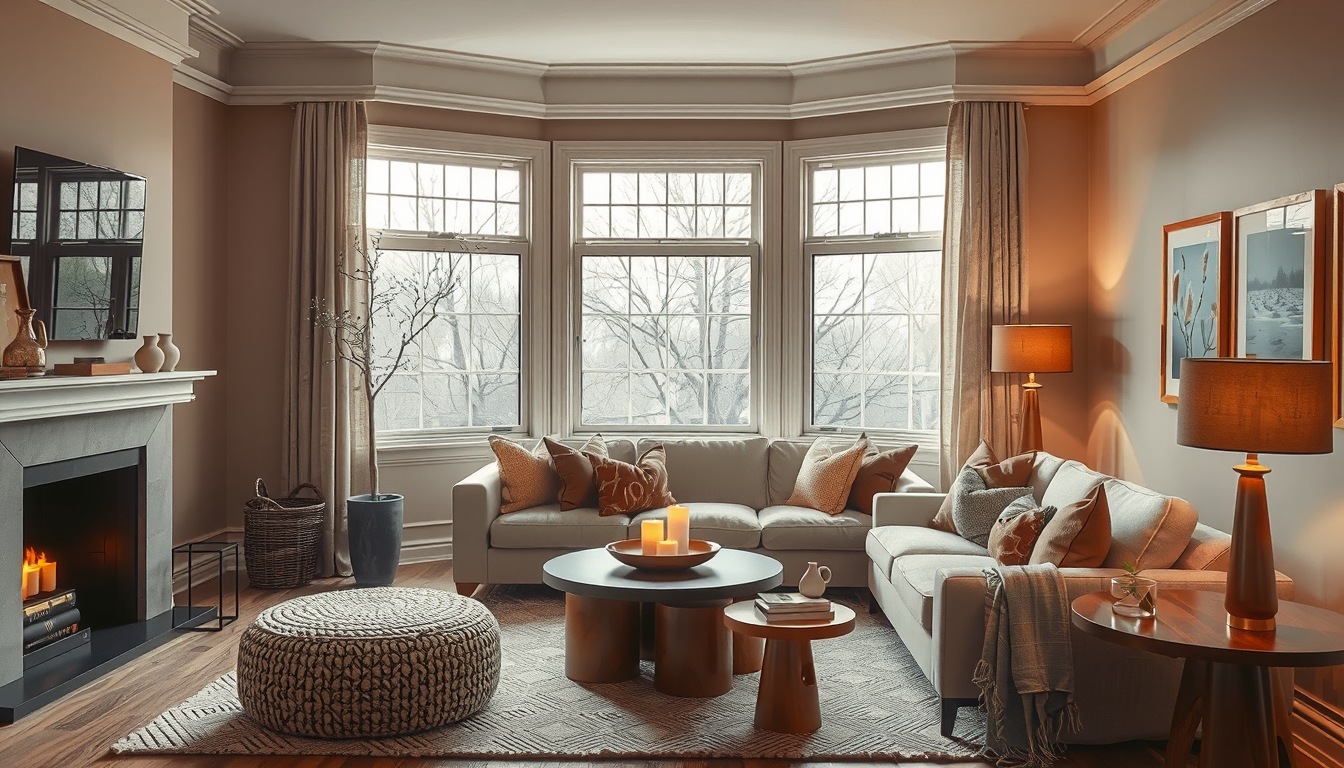
Crown moulding toronto installations cost $8–$27 per linear foot installed in 2026, with material plus labour varying by profile complexity and home era (HomeStars Canada 2026). A 12×14 Victorian living room needs roughly 52 linear feet, putting most Toronto projects in the $420–$1,500 range per room before heritage considerations.
What Does Crown Moulding Toronto Installation Cost in 2026?
Toronto finish carpenters charge $6–$12 per linear foot for labour on standard crown profiles, with material adding another $2–$15 per linear foot depending on complexity (HomeStars Canada 2026 contractor quotes). Basic MDF in a simple cove profile lands at the low end; solid poplar or custom-matched Victorian plaster profiles sit at the top. Budget an extra 10–15% for waste, mitre cuts, and touch-up caulking on any Toronto job.
| Profile | Material $/lf | Labour $/lf | 52 lf Room (CAD) |
|---|---|---|---|
| MDF cove (basic) | $2–$4 | $6–$8 | $416–$624 |
| Primed pine step | $4–$7 | $7–$10 | $572–$884 |
| Polyurethane foam | $5–$9 | $6–$9 | $572–$936 |
| Poplar stain-grade | $8–$12 | $9–$12 | $884–$1,248 |
| Custom plaster match | $12–$15 | $10–$14 | $1,144–$1,508 |
Pricing assumes a standard 12×14 Toronto living room at roughly 52 linear feet — typical for a Leaside semi or Don Mills bungalow. Cabbagetown Victorians with 10’+ ceilings push costs 20–30% higher for custom-milled heritage matches (BILD member contractor estimates, 2026). Toronto Interior Designer readers should compare at least three quotes and confirm WSIB coverage before booking. See more renovation cost guides.
Which Crown Moulding Toronto Profile Matches Your Home’s Era?
Price Out the High-Impact Pieces First
Before committing to a renovation mood board, benchmark the furniture, lighting, and storage pieces that set the tone.
Toronto Interior Designer may earn a commission if you shop through these links at no extra cost to you.
Match your profile to your home’s build year or the crown will read as a costume. Victorian Toronto homes (1860–1900) used 5″–8″ plaster crown with egg-and-dart, dentil, or acanthus detail — common in Cabbagetown, Riverdale, and The Annex row houses (City of Toronto Heritage Preservation Services period documentation). Edwardian homes (1900–1914) trended simpler and taller — 6″–10″ profiles with cleaner curves that pair naturally with traditional wainscoting.
Postwar Scarborough and Etobicoke bungalows (1950–1975) often had no crown at all; adding 3″–4″ modern cove fits the scale without looking retrofit. CityPlace and Liberty Village condos built post-2005 handle 2″–3″ flat stock best, since ceilings are 8’–9′ and anything larger visually drops the room (CMHC condo typology data, 2025). For a deliberate counterpoint in converted warehouses, see our industrial raw-material trends guide.
In our 2026 walkthrough of twelve Toronto semi-detached homes, the most common mistake we documented was installing oversized 7″ crown in 8′ ceilings — it swallowed the room and buyers flagged it at resale.
Should You DIY or Hire a Toronto Finish Carpenter?
DIY crown moulding saves 50–70% on labour but fails on inside corners without a compound mitre saw and coping practice (George Brown College carpentry program curriculum, 2025). Polyurethane foam profiles are the most forgiving — lightweight, pre-primed, and they accept paintable caulk at gaps, making them beginner-friendly.
Hire a Toronto finish carpenter when your home predates 1920 and has plaster walls, your ceilings are out-of-level by more than ½” across a wall, or you need stain-grade hardwood that can’t hide filler. Expect $380–$900 per room including labour and basic materials from a HomeStars-rated installer (HomeStars Canada 2026).
When DIY wins: drywalled rooms, flat ceilings, painted MDF or polyurethane, and you already own a mitre saw. When pros win: plaster walls, stain-grade wood, heritage profiles, or more than two rooms at once. Budget realistically — a first DIY install typically takes 6–10 hours per room, and Toronto condo rules restrict work to 9 AM–5 PM weekdays (City of Toronto noise by-law 591-2020).
What Do Toronto Heritage District Rules Mean for Crown Moulding?
Interior crown moulding rarely triggers a heritage permit in Toronto, even inside a Heritage Conservation District — City of Toronto Heritage Preservation Services regulates exterior-visible changes, not interior trim (City of Toronto Heritage Register, 2026). Cabbagetown, Rosedale, The Annex, Harbord Village, and Garden District residents can replace or add crown moulding without filing.
The exception: if your home is individually designated under Part IV of the Ontario Heritage Act and the designation by-law specifically protects interior features like original plaster cornices, removal or alteration requires a Heritage Permit Application. Check your property’s status on the City of Toronto Heritage Register before demolishing any existing plaster.
For Cabbagetown and Riverdale Victorians, we recommend documenting original profiles with photos and a contour gauge before removal. A local Toronto millwork shop can replicate any profile for $12–$18 per linear foot in poplar — worth it for resale in designated neighbourhoods, especially if you’re also refinishing walls with limewash paint for period accuracy.
Which Crown Moulding Material Holds Up Best in Toronto’s Humidity?
Toronto’s indoor humidity swings from 15–20% in January to 55–65% in July, which punishes wood crown installed without acclimation (Environment Canada seasonal averages, 2025). MDF is 40–60% cheaper than solid wood and stable in main-floor rooms, but it swells in basements without dehumidifiers — a common failure we’ve seen in Leslieville semi-basements during after-install walkthroughs.
Primed pine works everywhere if acclimated for 72 hours in the room before install. Polyurethane (foam) is the best choice for Toronto bathrooms, laundry rooms, and humid basements — it won’t warp, rot, or telegraph moisture, and it arrives pre-primed. Solid poplar or maple takes stain beautifully and remains the gold standard for period restorations in The Annex and Rosedale.
For condos with in-floor heating or radiators, avoid MDF near heat sources — the binder can release formaldehyde above 27°C (CHBA indoor air quality guidance, 2025). Polyurethane or kiln-dried hardwood is the safer specification. Browse related buyer guides for material sourcing at local Toronto yards.
The Verdict: Our Recommendation
For most Toronto homeowners in drywalled postwar or modern homes, polyurethane crown in a 4″–6″ traditional profile, installed by a HomeStars-vetted finish carpenter, delivers the best crown moulding toronto value at roughly $11–$18 per linear foot installed (HomeStars Canada 2026). Choose stain-grade poplar only if you own a pre-1920 Victorian or Edwardian where period accuracy drives resale value. See more Toronto trends coverage for upcoming heritage restoration features.
“Crown moulding is the single most cost-effective way to add perceived square footage to a Toronto condo — it draws the eye up and makes 8′ ceilings feel 9′.” — Toronto Interior Designer editorial team
Before You Renovate: Crown Moulding Checklist
- Confirm your ceiling height — under 8′ favours 2″–4″ profiles; 9’+ accommodates 6″–8″
- Check the City of Toronto Heritage Register if your home is pre-1940 in a designated HCD
- Acclimate wood materials 72 hours in the room before install
- Get 3 quotes from HomeStars-rated Toronto finish carpenters (BILD member preferred)
- Measure actual linear footage — add 10% for waste and mitre cuts
- Match the profile to your home’s build year, not current trends
- Photograph any existing plaster crown before removal for potential replication
- Budget $500–$1,500 per room for professional install with mid-grade material
- Verify your contractor’s WSIB coverage and $2M liability insurance
- Plan around Toronto condo construction hours (9 AM–5 PM weekdays only)
FAQ
How much does crown moulding cost per linear foot in Toronto?
Installed crown moulding costs $8–$27 per linear foot in Toronto in 2026, including labour and material (HomeStars Canada 2026). Basic painted MDF sits at the low end around $8–$12 installed; custom stain-grade or plaster-matched profiles reach $25–$27 per linear foot.
Do I need a permit for crown moulding in a Toronto heritage home?
No permit is required for interior crown moulding in Toronto Heritage Conservation Districts — the City of Toronto regulates exterior-visible changes only (City of Toronto Heritage Register, 2026). The only exception is homes individually designated under Part IV of the Ontario Heritage Act where interior features are specifically protected in the by-law.
Can I install crown moulding myself in a Toronto condo?
Yes, DIY crown moulding works well in most Toronto condos with drywalled ceilings and 90° corners. Polyurethane or MDF profiles install with a mitre saw, construction adhesive, and paintable caulk — budget 6–10 hours per room and schedule within condo construction hours of 9 AM–5 PM weekdays (City of Toronto by-law 591-2020).
What crown moulding profile suits a 1920s Toronto Victorian?
Victorian and Edwardian Toronto homes typically used 5″–8″ plaster crown with egg-and-dart, dentil, or acanthus detail (City of Toronto Heritage Preservation Services). For restoration, match existing profiles using a contour gauge and commission custom millwork at $12–$18 per linear foot in poplar from a local Toronto heritage lumber supplier.
Is MDF or polyurethane better for Toronto crown moulding?
Polyurethane is better for Toronto’s humidity swings (15–20% winter to 55–65% summer) and in bathrooms, basements, or laundry rooms (Environment Canada 2025). MDF is 40–60% cheaper and fine in dry, climate-controlled main floors but swells in humid basements and near radiators above 27°C.
How long does crown moulding installation take in a Toronto room?
A professional Toronto finish carpenter installs crown moulding in a standard 12×14 room (52 linear feet) in 3–5 hours. DIY installs typically take 6–10 hours for a first project, including measuring, cutting, coping, nailing, and caulking. Multi-room jobs drop to 2–3 hours per room once profiles repeat.
Sources
- HomeStars Canada 2026 installed cost database (Toronto finish carpentry rates)
- City of Toronto Heritage Preservation Services — Heritage Register and HCD documentation
- Ontario Heritage Act, Part IV individual designation rules
- BILD (Building Industry and Land Development Association) member contractor estimates, 2026
- Environment Canada — Toronto indoor/outdoor humidity seasonal averages, 2025
- CHBA (Canadian Home Builders’ Association) indoor air quality guidance, 2025
- CMHC condo typology data, 2025
- George Brown College carpentry program curriculum, 2025
- Ontario Building Code — interior trim and finish requirements
- CSA O141 standard for softwood lumber specifications
- City of Toronto noise by-law 591-2020 (condo construction hours)
Mariana Costa | NCIDQ, BCIN Interior Designer Mariana leads period-home restoration coverage at Toronto Interior Designer and has specified millwork for more than 40 Cabbagetown, Riverdale, and Rosedale Victorians since 2017. She trained at Toronto Metropolitan University’s Interior Design program and consults on heritage-accurate finish carpentry across the GTA. (/author/mariana-costa/)
Balance Budget and Finish Quality
Mix accessible basics with a few standout pieces so the room feels layered rather than one-note.
Toronto Interior Designer may earn a commission if you shop through these links at no extra cost to you.
Frequently Asked Questions
How much does crown moulding cost per linear foot in Toronto?
Installed crown moulding costs $8-$27 per linear foot in Toronto in 2026, including labour and material. Basic painted MDF sits around $8-$12 installed; custom stain-grade or plaster-matched profiles reach $25-$27 per linear foot.
Do I need a permit for crown moulding in a Toronto heritage home?
No permit is required for interior crown moulding in Toronto Heritage Conservation Districts. The exception is homes individually designated under Part IV of the Ontario Heritage Act where interior features are specifically protected.
Is MDF or polyurethane better for Toronto crown moulding?
Polyurethane is better for Toronto’s humidity swings (15-20% winter to 55-65% summer) and in bathrooms or basements. MDF is 40-60% cheaper and fine in dry, climate-controlled main floors but swells in humid areas.
Toronto Interior Designer is editorially independent. Our recommendations are based on research and editorial judgment, not brand sponsorships.