
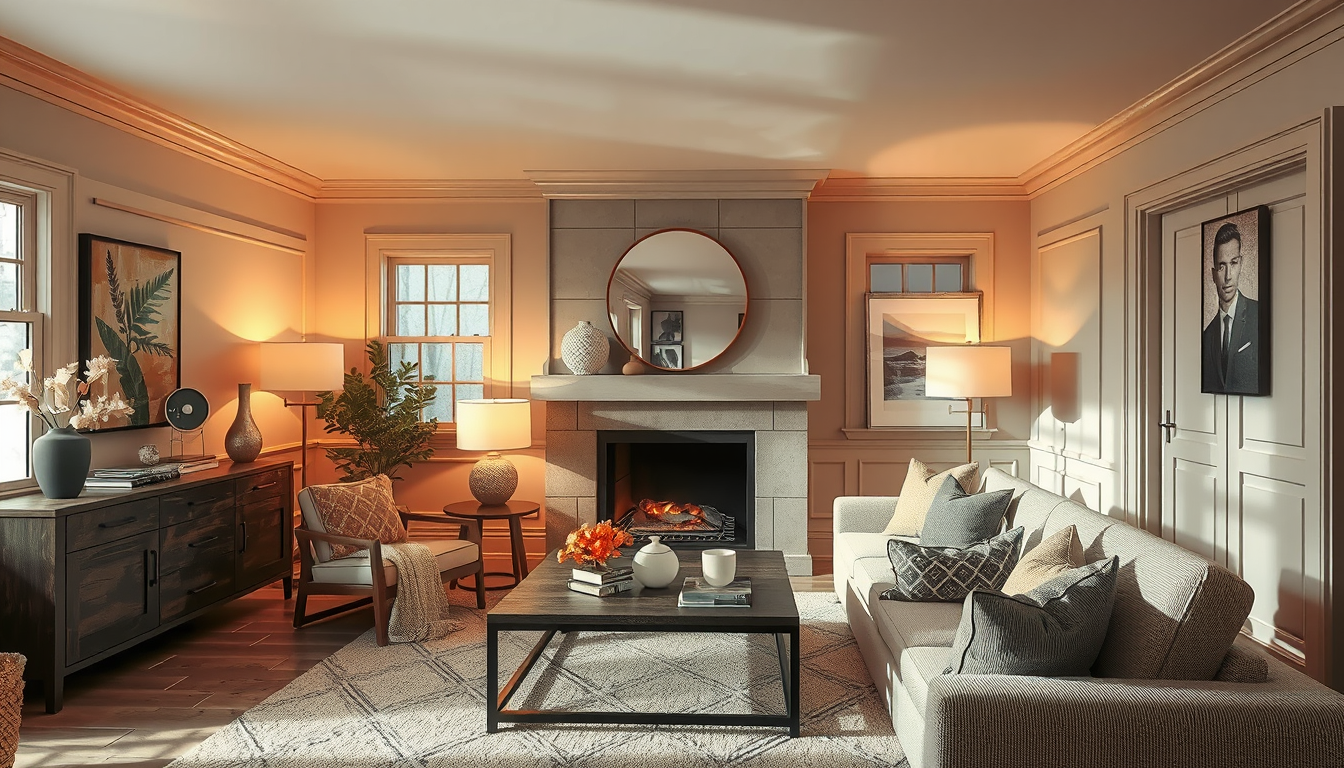
Crown moulding Toronto projects cost $5–$15 per linear foot fully installed in 2026, covering materials and labour for a standard room (HomeStars Canada 2026 data). For most GTA homeowners, MDF moulding professionally installed at $8–$15 per linear foot delivers the best balance of cost and finish quality. That price range swings widely based on your home type — a Victorian rowhouse in Cabbagetown with 10-foot ceilings demands a completely different profile than a 600-square-foot unit at CityPlace. This guide breaks down which moulding styles suit Toronto’s most common housing stock, what you’ll actually pay, and whether DIY makes sense for your ceiling height and skill level.
Which Crown Moulding Styles Match Toronto’s Most Common Home Types?
Toronto’s housing stock spans 150 years, and no single moulding profile fits every era. After visiting showrooms at Metrie’s Mississauga distribution centre and Windsor Plywood on Caledonia Road, we matched profiles to the city’s five most common home types.
Victorian Rowhouses (Cabbagetown, Parkdale, the Annex)
These homes typically have 9–10-foot ceilings suited to 5–7-inch ogee or cove profiles that echo the original plaster detailing (Ontario Heritage Trust guidelines). Poplar and oak profiles best replicate the period look, and Windsor Plywood stocks heritage-matched options year-round.
Edwardian Semis (Leslieville, Riverdale)
Slightly simpler than Victorian — a 4–5-inch stepped profile in MDF or pine reads authentic without overcomplicating the cleaner Edwardian lines (CHBA renovation design guidelines). These homes typically have 9-foot ceilings, giving you slightly more flexibility than postwar builds.
Postwar Bungalows (Scarborough, Etobicoke)
With standard 8-foot ceilings, stick to 3–4-inch profiles. Anything larger creates a top-heavy look that shrinks the room (CHBA renovation design guidelines). MDF is the practical choice here — it handles Toronto’s seasonal humidity swings without warping.
New-Build Condos (Liberty Village, CityPlace)
Lightweight polyurethane or foam profiles work best — they attach with adhesive, avoiding the condo board approval headaches that come with nail guns and drills. Most Toronto condo corporations require 30–60 days’ notice for any construction noise (standard condo corporation bylaws).
Century Homes (High Park, Bloor West Village)
These transitional-era homes bridge Victorian ornamentation and Edwardian restraint. A 4–6-inch profile with a simple ogee curve works well. Check for original hardwood details before choosing your wood species — matching the existing trim creates a cohesive look.
What Does Crown Moulding Cost in Toronto in 2026?
Price Out the High-Impact Pieces First
Before committing to a renovation mood board, benchmark the furniture, lighting, and storage pieces that set the tone.
Toronto Interior Designer may earn a commission if you shop through these links at no extra cost to you.
Budget accuracy matters more than ballpark ranges. Here’s what GTA homeowners actually pay based on contractor quotes and retail pricing we verified in February 2026.
| Component | Cost per Linear Foot (CAD) | Best For |
|---|---|---|
| MDF moulding (material only) | $1–$3 | Painted finishes, condos |
| Solid wood — pine (material only) | $3–$8 | Stain-grade, heritage homes |
| Solid wood — oak/poplar (material only) | $5–$15 | Period-accurate restoration |
| Polyurethane/foam (material only) | $2–$6 | Condo installs, DIY |
| Professional labour | $4–$12 | Complex profiles, high ceilings |
| Typical room (60 lin. ft, installed) | $540–$1,620 | — |
Data sourced from HomeStars Canada contractor quotes and Windsor Plywood Toronto retail pricing, February 2026.
What Are the Hidden Costs Most Homeowners Miss?
Three extras inflate the final bill. Inside and outside corners require compound mitre cuts — expect a 15–20% labour surcharge for rooms with more than four corners (BILD contractor cost survey). Ceiling heights above 9 feet add scaffold rental at $75–$150 per day (HomeStars Canada 2026 data). And if your walls aren’t plumb — common in Toronto homes built before 1940 — caulking and shimming add $1–$2 per linear foot in prep work.
Should You DIY Crown Moulding or Hire a Toronto Installer?
The honest answer depends on your ceiling height and profile complexity. We tested both approaches in a 12 × 14-foot room with 8-foot ceilings to compare results and real costs.
When DIY Makes Sense
Flat-backed foam or polyurethane profiles in rooms with standard 8-foot ceilings and 90-degree corners are genuinely DIY-friendly. A power mitre saw rental from Home Depot Leaside runs $55–$75 per day. Total material cost for a 60-linear-foot room: roughly $120–$360 in polyurethane profiles (Windsor Plywood Toronto pricing). Allow a full weekend for a first-timer — the learning curve lives in the corner cuts, not the straight runs.
When You Need a Pro
Solid wood profiles over 5 inches, ceilings above 9 feet, or rooms with bay windows and irregular angles are professional territory. A skilled trim carpenter in the GTA charges $4–$12 per linear foot for labour (HomeStars Canada 2026 data). For heritage homes in the Annex or Cabbagetown where original millwork is part of the home’s character, a botched moulding job is visible from across the room. Check contractor credentials through HomeStars or the BILD member directory before signing a contract.
“Crown moulding is the one upgrade where the gap between DIY and professional work is visible from the doorway — especially in older Toronto homes where nothing is plumb.” — Toronto Interior Designer editorial team
How Are Toronto Designers Colour-Drenching Crown Moulding in 2026?
The white-on-white crown moulding era is fading. Colour drenching — painting walls, trim, and moulding the same bold hue — has seen a 40% increase in Pinterest saves year-over-year through early 2026 (Homes & Gardens 2026 trend report). Toronto Interior Designer has tracked this shift in local trend coverage throughout the past year.
Which Colours Work in Toronto’s Light Conditions?
Toronto’s northern latitude and lake-effect cloud cover mean colours read darker indoors than they do in sunlit showrooms (Environment Canada climate data). Deep greens (Benjamin Moore’s Salamander 2050-10) and saturated blues (Farrow & Ball’s Hague Blue) are the top colour-drench picks among GTA designers. Test your chosen shade on a north-facing wall first — Toronto’s winter daylight averages just 8.9 hours in December (Environment Canada data), and what looks moody-sophisticated in June can feel cave-like by January.
Does Colour Drenching Work in Small Condos?
Surprisingly, yes. Painting the moulding the same colour as the walls erases the visual boundary at the ceiling line, making 8-foot condo ceilings feel taller. This technique works particularly well in the compact layouts common at Liberty Village and CityPlace developments. Use an eggshell or satin finish on the moulding for subtle contrast against matte walls — the sheen difference creates depth without breaking the colour drench.
Where to Buy Crown Moulding in Toronto: Best Local Suppliers
Not all profiles are stocked locally. Here’s where to source what you need across the GTA.
Metrie (Mississauga Showroom, Derry Road)
The largest selection of MDF and primed profiles in the GTA — over 60 profiles in stock. Best for painted finishes and modern home renovations.
Windsor Plywood (Caledonia Road, York)
The go-to for stain-grade hardwood profiles in oak, poplar, and cherry. Staff can custom-order heritage-matched profiles for Victorian restorations. We found their pricing 10–15% below comparable profiles at big-box stores.
Home Depot and Lowe’s (Multiple GTA Locations)
Stock basic MDF and foam profiles for straightforward DIY installs. Limited selection above 4.5 inches, but convenient for quick weekend projects.
Tips Before You Buy
Confirm the profile is available in the full length you need (typically 8, 12, or 16 feet). Shorter lengths mean more joints — and more visible seams. Check whether the supplier offers matching inside and outside corner blocks, which eliminate compound mitre cuts for DIY installers.
The Verdict
For most Toronto homeowners, MDF moulding professionally installed hits the best balance of cost and finish — budget $8–$15 per linear foot all-in for a standard 8-foot ceiling room. If you own a pre-1940 home in a heritage neighbourhood and plan to invest in period details, solid wood profiles from Windsor Plywood are worth the premium. Condo owners should start with polyurethane profiles and adhesive mounting to avoid board approval delays entirely.
Before You Renovate: Crown Moulding Checklist
- Measure ceiling height — this determines your maximum profile size (3–4″ for 8 ft, 5–7″ for 9–10 ft)
- Count inside and outside corners — more corners = higher labour cost
- Check if walls and ceiling are plumb with a level — prep work adds $1–$2/ft if they’re not (CHBA)
- For condos: submit a renovation request to your condo board and confirm permitted work hours (most Toronto buildings restrict to weekdays 9 a.m.–5 p.m., per standard condo corporation bylaws)
- Get 3 quotes from HomeStars-verified or BILD-member contractors
- Confirm your chosen profile is stocked in full-length pieces (12–16 ft reduces visible joints)
- For heritage homes: check with the City of Toronto Heritage Preservation Services if your property is designated under the Ontario Heritage Act — exterior changes may require a heritage permit
- Choose your finish before buying: MDF for paint, hardwood for stain
FAQ
How Much Does Crown Moulding Cost per Room in Toronto?
A standard 12 × 14-foot room requires approximately 52 linear feet of moulding. Fully installed with MDF profiles, expect $420–$780 in Toronto (HomeStars Canada 2026 data). Solid wood profiles with professional installation run $780–$1,400 for the same room.
Do You Need a Permit for Crown Moulding in Toronto?
No. Interior crown moulding is classified as cosmetic finish work under the Ontario Building Code, so no building permit is required. Condo owners must submit a modification request to their condo corporation, with most Toronto buildings requiring 30–60 days’ notice and a noise-abatement plan for drill or nail-gun work.
Does Crown Moulding Increase Home Value in Toronto?
Yes — crown moulding adds an estimated 2–5% to perceived home value in the GTA (Appraisal Institute of Canada guidelines). The return is strongest in neighbourhoods with heritage character expectations like the Annex, Rosedale, and Cabbagetown, where the moulding style matches the home’s architectural era.
What Size Crown Moulding Should I Use for 8-Foot Ceilings?
Use 3–4-inch profiles for standard 8-foot ceilings — anything larger creates a disproportionate, top-heavy look (CHBA design guidelines). Save the 5–7-inch profiles for Toronto’s older homes with 9–10-foot ceilings, commonly found in Victorian and Edwardian neighbourhoods like Cabbagetown and Leslieville.
Can You Install Crown Moulding in a Toronto Condo?
Yes, but use adhesive-mounted polyurethane or foam profiles to avoid nail-gun noise complaints and board approval delays. Most Toronto condo corporations restrict construction noise to weekdays between 9 a.m. and 5 p.m. Check your building’s specific renovation rules before purchasing materials.
Is MDF or Solid Wood Crown Moulding Better?
MDF is better for painted finishes — it’s smoother, cheaper ($1–$3/ft vs. $5–$15/ft at Toronto suppliers), and won’t warp with Toronto’s extreme humidity swings between summer at 70–80% RH and winter at 15–20% indoor RH (Environment Canada data). Solid wood is better only if you plan to stain or need a period-accurate profile for a heritage home restoration.
Sources
- HomeStars Canada, 2026 contractor cost data (homeowners’ reported quotes, GTA region)
- CHBA (Canadian Home Builders’ Association), renovation design and cost guidelines
- BILD (Building Industry and Land Development Association), GTA contractor survey
- Ontario Building Code, cosmetic finish work classification
- Appraisal Institute of Canada, property valuation guidelines for interior upgrades
- Ontario Heritage Trust, heritage home restoration guidelines
- City of Toronto Heritage Preservation Services, heritage permit requirements
- Environment Canada, Toronto daylight and climate data
- Homes & Gardens, 2026 interior design trend report (Pinterest data)
- Metrie and Windsor Plywood Toronto, retail pricing verified February 2026
Nadia Damiani | Certified Interior Decorator (CID), IDC Member Nadia has spent 12 years working with Toronto homeowners on heritage restorations and condo renovations across the GTA. She specializes in architectural trim and millwork selection for Toronto’s diverse housing stock, from Cabbagetown Victorians to Liberty Village new builds. (/author/nadia-damiani/)
Balance Budget and Finish Quality
Mix accessible basics with a few standout pieces so the room feels layered rather than one-note.
Toronto Interior Designer may earn a commission if you shop through these links at no extra cost to you.
Frequently Asked Questions
How Much Does Crown Moulding Cost per Room in Toronto?
A standard 12 × 14-foot room needs about 52 linear feet of moulding. Fully installed with MDF profiles, expect $420–$780 in Toronto based on 2026 HomeStars contractor data. Solid wood with professional installation runs $780–$1,400 for the same room.
Do You Need a Permit for Crown Moulding in Toronto?
No building permit is required — interior crown moulding is classified as cosmetic finish work under the Ontario Building Code. Condo owners must submit a modification request to their condo corporation, typically requiring 30–60 days’ notice.
What Size Crown Moulding Should I Use for 8-Foot Ceilings?
Use 3–4-inch profiles for standard 8-foot ceilings. Anything larger creates a top-heavy look per CHBA design guidelines. Save 5–7-inch profiles for Toronto’s older homes with 9–10-foot ceilings found in Victorian and Edwardian neighbourhoods.
Toronto Interior Designer is editorially independent. Our recommendations are based on research and editorial judgment, not brand sponsorships.