
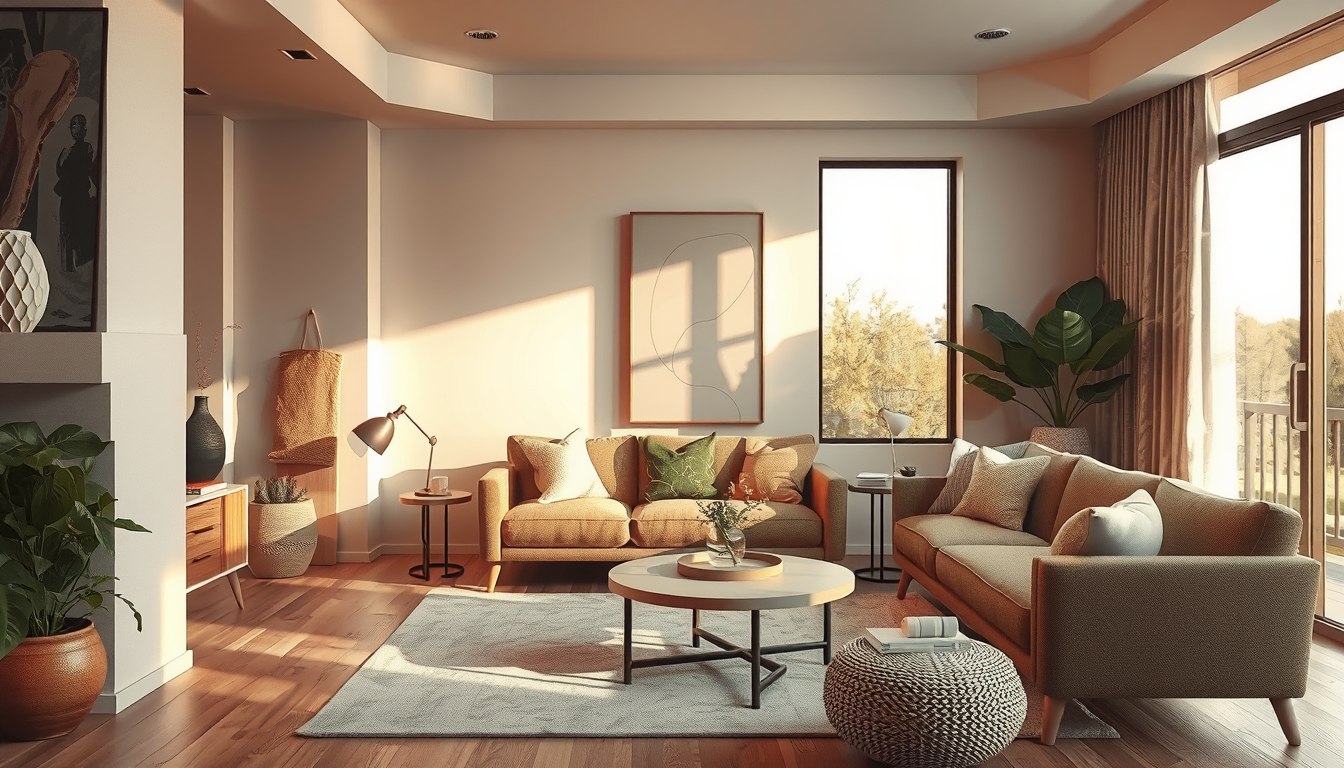
If you’re searching for home staging tips Toronto sellers actually use to close deals faster, here’s the thesis: in a market sitting on four-plus months of condo inventory, design isn’t decoration — it’s a pricing strategy. Staged homes sell up to 73% faster than empty or cluttered listings . With the average Toronto home price hovering near $1.05 million , even a modest 1% bump from staging puts an extra $10,000 in your pocket. The catch? Generic staging advice written for open-concept Dallas McMansions doesn’t translate to a 14-foot-wide Leslieville semi or a 550-square-foot Cityplace condo. Toronto properties demand a local playbook.
Why Home Staging Outperforms in Toronto’s 2026 Buyer Market
Toronto’s resale market has shifted. Condos in the 416 and 905 are sitting longer, and detached homes outside the core face pricing pressure from rising inventory. In that environment, first impressions carry outsized weight. According to the National Association of Realtors, 82% of buyers’ agents say staging helps clients picture themselves living in a space .
The math is straightforward. Professional staging for a typical Toronto property runs $2,000 to $6,000, and the Real Estate Staging Association reports ROI commonly exceeding five to ten times that cost . On a million-dollar listing, that’s the best return-per-dollar you’ll spend before closing day.
But staging isn’t just about renting a velvet sofa. Toronto’s housing stock — Victorian semis with narrow footprints, post-war bungalows with choppy layouts, and compact high-rise condos — requires strategies built around our specific constraints: tight floor plans, seasonal light shifts, and buyers who know exactly what 600 square feet feels like.
Room-by-Room Home Staging Tips: Toronto Condo and House Checklist
See the Pieces Behind the Trend
Translate trend ideas into real products by starting with lighting, occasional furniture, and layered decor.
Toronto Interior Designer may earn a commission if you shop through these links at no extra cost to you.
Every Toronto property type has predictable weak spots. Here’s where to focus your effort.
Condos (500–750 sq ft):
- Entry: Remove the shoe pile. Add a wall-mounted shelf with a decorative mirror to create depth right at the door.
- Living/dining combo: Use a round dining table instead of rectangular — it saves sightlines in narrow layouts. Float the sofa away from the wall to define zones.
- Kitchen: Clear counters completely except for one styled vignette (cutting board, olive oil, a single plant). If your kitchen layout is a galley, remove upper-cabinet clutter to make it feel taller.
- Bedroom: Queen bed maximum. If you’re staging a den-as-bedroom, use a daybed with bolsters to signal flexibility.
- Balcony: Stage it. Even a small bistro set and planter signals usable outdoor square footage — a premium in Toronto’s condo market.
Houses (semis, rows, bungalows):
- Front porch/entrance: Power wash, repaint the door, add a seasonal planter. This is the listing photo.
- Living room: Remove one-third of your furniture. Victorian semis read bigger when you can see floor space.
- Basement: If it’s finished, stage it as a functional room — home office, media lounge, or family zone. If it’s unfinished, declutter and add bright lighting. Buyers mentally discount dark basements.
- Backyard: Mow, edge, and stage one seating area. For more outdoor inspiration, even a small fire pit setup signals entertaining potential.
Staging a Toronto home isn’t about making it look like a magazine — it’s about removing every reason a buyer might hesitate and adding every reason they’d write an offer.
2026 Design Trends Toronto Home Buyers Actually Want
This is where staging gets strategic. Aligning your home with current design trends gives buyers the feeling of moving into something fresh without needing renovation. House & Home’s 2026 colour forecast and Architectural Digest’s Neo Deco trend coverage both confirm that warmth, texture, and intentional colour define what the market responds to right now .
At Toronto Interior Designer, we track which of these trends actually land in our local market versus what reads well in a Manhattan penthouse spread:
| Trend | Why It Works in Toronto | Budget | Best Room |
|---|---|---|---|
| Warm white paint (ochre-tinted whites) | Counteracts grey winter light through north-facing windows | $200–$500/room | Living room, bedroom |
| Sage green accents | Reads fresh against Toronto’s red-brick exteriors and warm wood floors | $50–$300 | Kitchen, bathroom |
| Layered textures (linen, bouclé, wood) | Makes compact condos feel collected, not sterile | $300–$800 | Living room, bedroom |
| Neo Deco curves (arched mirrors, fluted details) | Softens boxy layouts of 2010s-era condo builds | $150–$600 | Entry, living room |
| Picture ledge displays | Avoids wall-patching on plaster in older homes; easy to remove post-sale | $50–$150/ledge | Hallway, living room |
Make trends feel timeless, not trendy. The staging mistake is going all-in on one aesthetic. Instead, treat trends as seasoning: a sage-green throw on a neutral sofa, one arched mirror in the entryway, warm-toned bulbs in every fixture. The foundation should be quiet luxury — clean lines, quality materials, restrained palette. That way the home photographs well, appeals to a broad buyer pool, and doesn’t feel dated before the ink on the offer dries.
Budget-Friendly Home Staging Swaps With the Biggest Impact
You don’t need $6,000 and a staging company to move the needle. These five swaps cost under $500 total and address the issues our editors see most often in Toronto listings:
- Swap overhead lighting for layered lamps ($100–$200). Toronto condos rely heavily on potlights, which flatten a room. Add a floor lamp and table lamp to create depth, especially for evening showings during our early-sunset months.
- Replace builder-grade cabinet hardware ($60–$120). Matte black or brushed brass pulls on a basic white kitchen instantly signal an upgrade buyers can see in listing photos.
- Add one oversized plant ($40–$80). A fiddle-leaf fig or snake plant fills empty corners and adds life. Skip the small cluster of succulents — they don’t register on camera.
- Upgrade bathroom textiles ($50–$100). White, hotel-weight towels folded neatly, a new shower curtain in a neutral tone, and a matching soap dispenser. This ten-minute fix removes the “someone else’s bathroom” feeling.
- Repaint the front door ($30–$50). A fresh coat in charcoal, navy, or forest green is the highest-ROI exterior move for a semi or rowhouse.
Common Home Staging Mistakes Toronto Sellers Must Avoid
Over-personalizing. Family photos, kids’ artwork on the fridge, sports memorabilia — all of it makes buyers feel like guests instead of future owners. Pack it up before the photographer arrives.
Ignoring scale. A sectional that fit your lifestyle doesn’t fit a showing. In a narrow Victorian living room, replace it with a loveseat and two accent chairs to open sightlines to the back of the house.
Skipping the smell test. Toronto homes with pets, cooking odours from open-concept kitchens, or basement mustiness need more than a candle. Deep-clean textiles, run an air purifier for 48 hours before showings, and skip the plug-in air fresheners — buyers notice those and assume you’re masking something.
Leaving the condo locker and parking unstaged. Buyers touring a condo will see your storage locker. If it’s jammed floor-to-ceiling, they’ll assume the unit lacks storage. Organize it so it looks half-empty.
Your Toronto Home Staging Action Plan
These home staging tips work because they’re built for Toronto’s housing stock, climate, and current market conditions. Here’s your action checklist:
- Walk your home with fresh eyes — or ask a friend who hasn’t visited in six months to point out what they notice first.
- Pick three swaps from the budget list above and execute them this weekend.
- Paint-test a warm white on your living room wall. Compare it under morning and evening light before committing.
- Photograph every room on your phone and review them as if you found the listing online. What would make you click away?
- Consult a Toronto Interior Designer professional if you’re listing above $800K — at that price point, professional staging pays for itself.
- Declutter ruthlessly. If you haven’t used it in a year, box it and move it to off-site storage before your first showing.
Smart staging isn’t about spending the most — it’s about spending in the right places, on the details that Toronto buyers actually notice.
Keep the Trend Livable
Ground any trend with simple, versatile pieces that still work when the room evolves over the next few years.
Toronto Interior Designer may earn a commission if you shop through these links at no extra cost to you.
Sources
- NAR 2024 Profile of Home Staging — https://www.nar.realtor/research-and-statistics/research-reports/profile-of-home-staging
- TRREB Monthly Market Watch — https://trreb.ca/index.php/market-news/market-watch
- Real Estate Staging Association — https://www.realestatestagingassociation.com/
- House & Home 2026 Trends — https://houseandhome.com/
- AD Neo Deco Trend — https://www.architecturaldigest.com/
Frequently Asked Questions
How much does home staging cost in Toronto?
Professional home staging in Toronto typically costs $2,000 to $6,000 depending on property size and scope. Budget DIY staging swaps can achieve strong results for under $500, making staging accessible at every price point.
Do staged homes sell faster in Toronto?
Yes. Staged homes sell up to 73% faster than unstaged properties according to the National Association of Realtors, and the Real Estate Staging Association reports ROI of five to ten times the staging investment on Toronto listings.
What are the best rooms to stage in a Toronto condo?
Focus on the living and dining area first since open-concept layouts make this the hero shot in listing photos. Next prioritize the kitchen, primary bedroom, and balcony — staged outdoor space is a premium selling feature in Toronto’s condo market.