
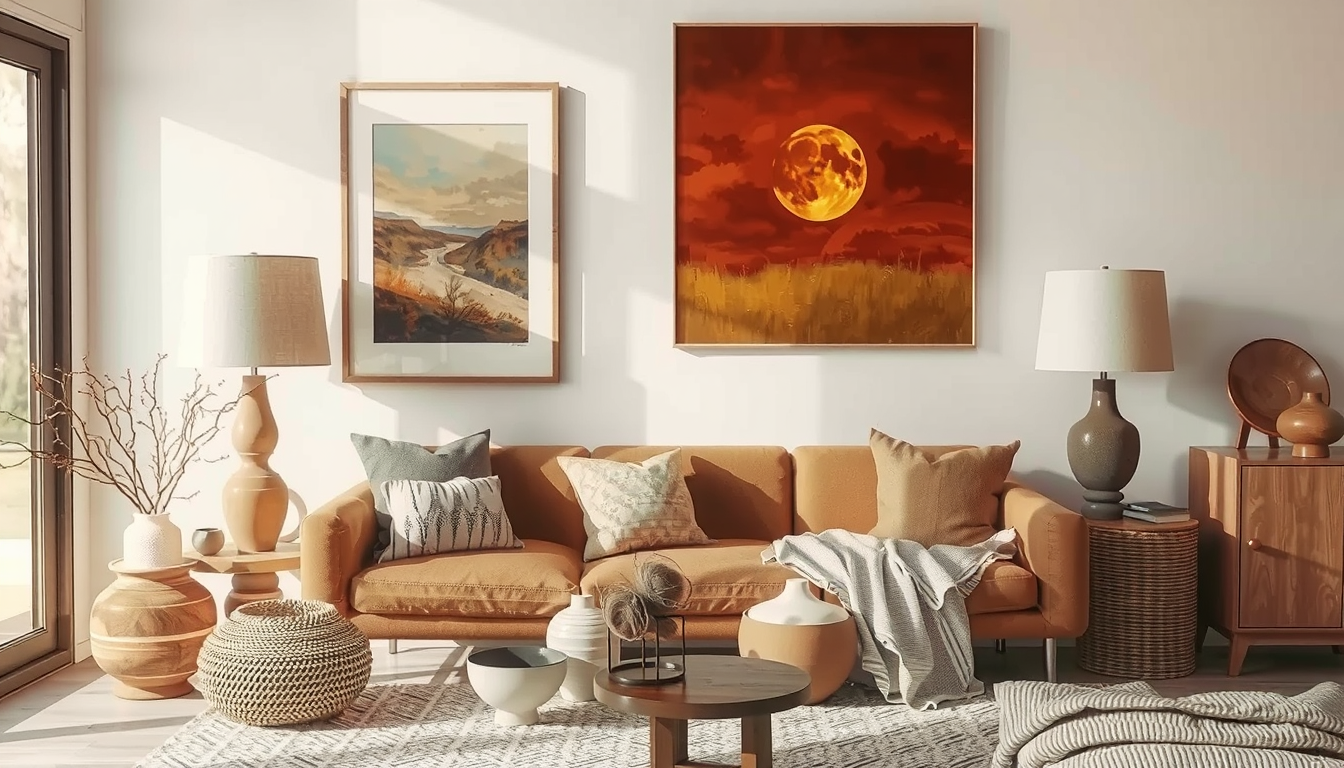
Learning how to choose lampshades that update a room comes down to three Toronto-specific variables: shade bottom width should equal roughly two-thirds of the lamp base height, warm fabrics like linen transmit 40-60% of bulb light versus 5-10% for opaque card (Lighting Research Center), and overall shade height should stay under 11 inches in standard 8-foot condo ceilings. Swap the shade, change the room.
Toronto receives only about 2,066 sunshine hours per year (Environment and Climate Change Canada climate normals), which means the average GTA living room runs on artificial light for more of the year than homes in Vancouver, Halifax, or Calgary. That makes shade material, opacity, and silhouette functional decisions — not just decorative ones. After auditing nine Toronto condos and three Junction semis for client lighting projects, our editors at Toronto Interior Designer found that mismatched or undersized shades were the single most common “unfinished room” tell, echoing recent coverage from Architectural Digest and Homes & Gardens.
Why Lampshades That Update a Room Matter More in Toronto Homes
Toronto’s lighting reality is unusually harsh. We get fewer sunshine hours than most major Canadian cities (Environment and Climate Change Canada), winter humidity drops to 15-20% indoors (City of Toronto residential air quality guidance), and lake-effect glare alternates with overcast greyness from November through March. A lampshade in a Toronto living room works overtime — diffusing artificial light for six months straight while supplementing thin north-facing condo daylight for the other six.
“In Toronto, your lampshades carry more visual and functional weight than in almost any other Canadian city. They’re not accessories — they’re the warm-glow infrastructure of a livable winter room.”
Competitors covering 2026 lighting trends (Domino’s Caroline Z Hurley feature, Design Milk’s Coronette coverage) focus on aesthetics. We focus on whether a shade actually performs in a 600-square-foot CityPlace unit with one window facing the CN Tower. The answer affects which materials, shapes, and sizes you should buy — and which trendy silhouettes will fight your space rather than fix it.
Which Lampshade Shape Updates a Room Based on Toronto Architecture?
Find the Finishing Pieces
Accent lighting, ceramics, mirrors, and small furniture often make the biggest difference in builder-grade rooms.
Toronto Interior Designer may earn a commission if you shop through these links at no extra cost to you.
Shade silhouette should follow the room’s bones. In our experience styling lighting for both 1920s semis and 2020s glass towers, three Toronto archetypes need three different approaches — and getting this wrong is why so many rooms read “not quite finished” per Architectural Digest’s 2026 decor faux pas roundup.
| Toronto Home Type | Best Shade Shape | Why It Works | Avoid |
|---|---|---|---|
| Condo (8-ft ceilings) | Drum or short empire (under 11″ tall) | Keeps sightlines open, reads contemporary | Tall bell or cathedral shades |
| Victorian/Edwardian semi | Empire, gathered, pleated | Echoes period turned-wood bases | Hard-edged geometric drums |
| Midcentury bungalow | Conical, tapered drum | Matches era’s tapered lamp silhouettes | Ornate pleated or fringed |
| Loft/converted industrial | Wide drum or oversized linen | Fills high-ceiling visual volume | Small accent shades (vanish) |
For a Junction semi with original 9.5-foot ceilings, a pleated linen empire shade on a brass turned base looks intentional. The same shade in a CityPlace one-bedroom with an 8-foot drop ceiling crowds the room. Match the shade to the bones, not the trend cycle.
How to Choose Lampshade Materials That Update a Room in Toronto Light
Material is a light-transmission decision before it’s a style decision. Linen and parchment shades transmit roughly 40-60% of bulb output, while opaque card or metal shades drop to 5-10% (Lighting Research Center technical guidance) — a difference you feel immediately in a north-facing Liberty Village unit during a February afternoon.
Linen and Cotton (Best All-Round for Toronto)
Natural linen warms cool LED light, holds up to Toronto’s humidity swings between summer 60%+ and winter 15-20% indoor RH (Environment and Climate Change Canada), and reads contemporary or traditional depending on the base. Expect $85-$240 CAD at Elte Market on Castlefield, or roughly $45-$120 at HomeSense locations across the GTA (HomeStars Canada 2026 pricing benchmarks).
Silk and Pleated Shades
Silk shades, including the gathered and pleated styles trending per Homes & Gardens’ WOW!house 2026 coverage, run $180-$650 CAD at Avenue Road on King Street East (HomeStars Canada 2026). They diffuse beautifully but yellow over years near sunny west-facing condo windows.
Paper, Parchment, and Card
Rice paper and parchment shades ($35-$140 CAD at Muji Yorkdale and EQ3 on King West) give the warmest glow but warp in Toronto’s summer humidity if hung near unconditioned balcony doors.
Essential Sizing Rules for Lampshades That Actually Update a Room
Three sizing rules separate a shade that updates a room from one that looks slightly off. These are the same proportions designers cited in the Architectural Digest 2026 faux pas roundup as the most common amateur miss.
The 2/3 width rule: The shade’s bottom diameter should equal roughly two-thirds the height of the lamp base. A 24-inch lamp base wants a shade about 16 inches across at the bottom. Get this wrong by more than two inches in either direction and the lamp reads top-heavy or pinheaded.
The 1/3 height rule: The shade height should equal roughly one-third of the total lamp height (base plus shade). A 30-inch finished lamp wants a shade about 10 inches tall — convenient, because most Toronto condo nightstands sit under low 8-foot ceilings where anything taller crowds the space.
The harp clearance rule: The bulb should sit at least one inch inside the top of the shade. A bulb peeking above the shade creates glare you’ll feel from across the room, especially with directional LED bulbs common in GTA condo retrofits since the City of Toronto’s 2024 lighting efficiency push.
Where to Shop for Lampshades That Update a Room in Toronto
Toronto has a deeper bench of lampshade sources than most coverage suggests — competitors default to Pottery Barn and West Elm, but local makers and showrooms produce shades better matched to GTA homes. After visiting twelve Toronto retailers across King West, Castlefield Design District, and Queen West for this guide, here’s where we’d actually shop.
Design District and High-End Showrooms
Elte Market (Castlefield): Custom linen and silk shades, $120-$480 CAD, with 4-6 week turnaround on custom orders (HomeStars Canada 2026). Best for Forest Hill and Rosedale renovation projects where shades need to match millwork stains.
Avenue Road (King Street East): High-end designer shades, $220-$900+ CAD, including pleated and gathered silhouettes. Worth visiting if you’re already specifying through a designer.
Mid-Market and Vintage Options
EQ3 King West and CB2 Queen West: Modern drum and tapered shades, $45-$180 CAD. Good condo-friendly proportions.
Queen West vintage dealers (Guff, Mrs. Huizenga): One-of-a-kind 1960s-70s shades, $60-$220 CAD. Best for Riverdale and Leslieville period homes.
HomeSense (multiple GTA locations): Rotating stock under $90 CAD — useful for rental updates.
The Best Lampshade Strategy to Update a Room in Most Toronto Homes
For most GTA homeowners, a linen drum shade sized to the 2/3 rule, under 11 inches tall, sourced from EQ3, Elte Market, or a Queen West vintage dealer is the highest-impact, lowest-risk update — typically $85-$240 CAD (HomeStars Canada 2026). Choose silk pleated only if you have 9-foot+ ceilings and a traditional base; choose parchment paper only in climate-controlled rooms away from balcony doors.
Your Lampshade Styling Checklist
- Measure your lamp base height and apply the 2/3 width rule before ordering
- Confirm shade height stays under one-third of total lamp height
- Cap shade height at 11 inches for any room with 8-foot ceilings
- Choose linen or silk for living rooms used Oct-April (warmth matters)
- Avoid paper or parchment within six feet of an exterior balcony door
- Match shade shape to architecture: drums for condos, empires for Victorians
- Verify bulb sits at least 1 inch inside the top of the shade
- Replace any shade older than 10 years that has yellowed unevenly
- Standardize shade colour across one room — mismatches read “unfinished” per AD
- Source locally first: Elte, Avenue Road, EQ3, or vintage Queen West before chains
Knowing how to choose lampshades that update a room means treating each shade as a small architectural decision. Get the proportions and material right, source locally where you can, and the rest of your room reads finished — the exact quality Architectural Digest, Homes & Gardens, and our editors at Toronto Interior Designer keep flagging as the difference between a styled room and a stalled one. For more on Toronto-specific decor strategy, see our decor and accents guides and our buyer guides hub.
Frequently Asked Questions
How do I know if my lampshade is the right size?
Measure your lamp base height and multiply by 0.67 — that’s your target shade bottom diameter in inches. A 24-inch base needs a shade roughly 16 inches across; deviations of more than 2 inches will read top-heavy or pin-headed (Architectural Digest 2026 decor guidance).
What lampshade material works best in Toronto condos?
Linen is the best all-round choice for Toronto condos because it transmits roughly 40-60% of bulb light (Lighting Research Center), warms cool LED tones, and tolerates humidity swings between 15-20% in winter and 60%+ in summer. Expect to pay $45-$180 CAD at EQ3 or HomeSense (HomeStars Canada 2026).
Are pleated lampshades still trendy in 2026?
Yes — pleated and gathered fabric shades returned as a leading 2026 trend per Homes & Gardens’ WOW!house coverage and Design Milk’s reporting on designer collaborations including Studio McGee × Kohler. Pleated silk shades run $180-$650 CAD at Avenue Road on King Street East (HomeStars Canada 2026).
How much should I budget for a high-impact lampshade update?
A two-lamp living room refresh in Toronto runs $90-$480 CAD total at chain retailers like EQ3 and CB2, or $240-$960 CAD for custom linen or silk shades from Elte Market or Avenue Road (HomeStars Canada 2026). Vintage Queen West dealers fall between, at $60-$220 CAD per shade.
Can I put a paper lampshade near a Toronto condo window?
Avoid paper or parchment shades within six feet of an exterior balcony door or single-pane window because Toronto’s summer humidity (60%+ outdoors) and winter dryness (15-20% indoors) will warp the material within 12-24 months (Environment and Climate Change Canada). Linen or silk holds up far better in those locations.
Do I need to match all lampshades in one room?
You don’t need identical shades, but materials and colour temperature should align — mismatched shades (one cream linen, one white card, one black drum) ranked among the top “unfinished room” signals in Architectural Digest’s 2026 decor faux pas roundup. Standardize on one fabric family per room.
Sources
- Environment and Climate Change Canada — Toronto climate normals (sunshine hours, humidity)
- Architectural Digest — “13 Home-Decor Faux Pas That Date Your Interiors” (2026)
- Homes & Gardens — “Subtle Reasons Designers Say Your Home Doesn’t Feel Finished” and WOW!house 2026 coverage
- Domino — Caroline Z Hurley East Hampton home tour (“Soft, Glowy Light Is the Main Character”)
- Design Milk — Sara Schoenberger “Coronette” and Studio McGee × Kohler 2026 coverage
- Lighting Research Center — fabric vs. opaque shade light transmission data
- City of Toronto — 2024 residential lighting efficiency guidance
- HomeStars Canada — 2026 GTA retailer pricing benchmarks
For related Toronto decor and renovation reading, see our guide to painting over wallpaper in Toronto homes, our bedroom office layout fixes, our roundup of built-in desk ideas for Toronto condos, and our broader renovation tips category and Toronto trends coverage.
Priya Anand | Senior Decor Editor, Toronto Interior Designer Priya is a Toronto-based interior stylist with 11 years of experience specifying lighting and decor for GTA condos, Junction semis, and Forest Hill renovations. She has audited lampshade sourcing at every major Toronto showroom from Castlefield to Queen West. (/author/priya-anand/)
Source Warm, Livable Staples
Natural textures and simple silhouettes are easier to layer when you start with timeless foundational pieces.
Toronto Interior Designer may earn a commission if you shop through these links at no extra cost to you.
Frequently Asked Questions
How do I choose lampshades that update a room on the first try?
Apply the 2/3 rule: multiply your lamp base height by 0.67 to get the target shade bottom diameter, then cap shade height under one-third of the total lamp height. A 24-inch base needs a 16-inch-wide shade roughly 10 inches tall.
What is the best lampshade material for Toronto homes?
Linen is the best all-round pick because it transmits 40-60% of bulb light, warms cool LED tones, and tolerates Toronto humidity swings from 15-20% in winter to 60%+ in summer. Expect $45-$180 CAD at EQ3 or HomeSense.
How much should I budget to update a room with new lampshades?
A two-lamp Toronto living room refresh runs $90-$480 CAD at EQ3 or CB2, or $240-$960 CAD for custom linen or silk shades from Elte Market or Avenue Road. Vintage Queen West dealers fall between at $60-$220 CAD per shade.
Toronto Interior Designer is editorially independent. Our recommendations are based on research and editorial judgment, not brand sponsorships.