
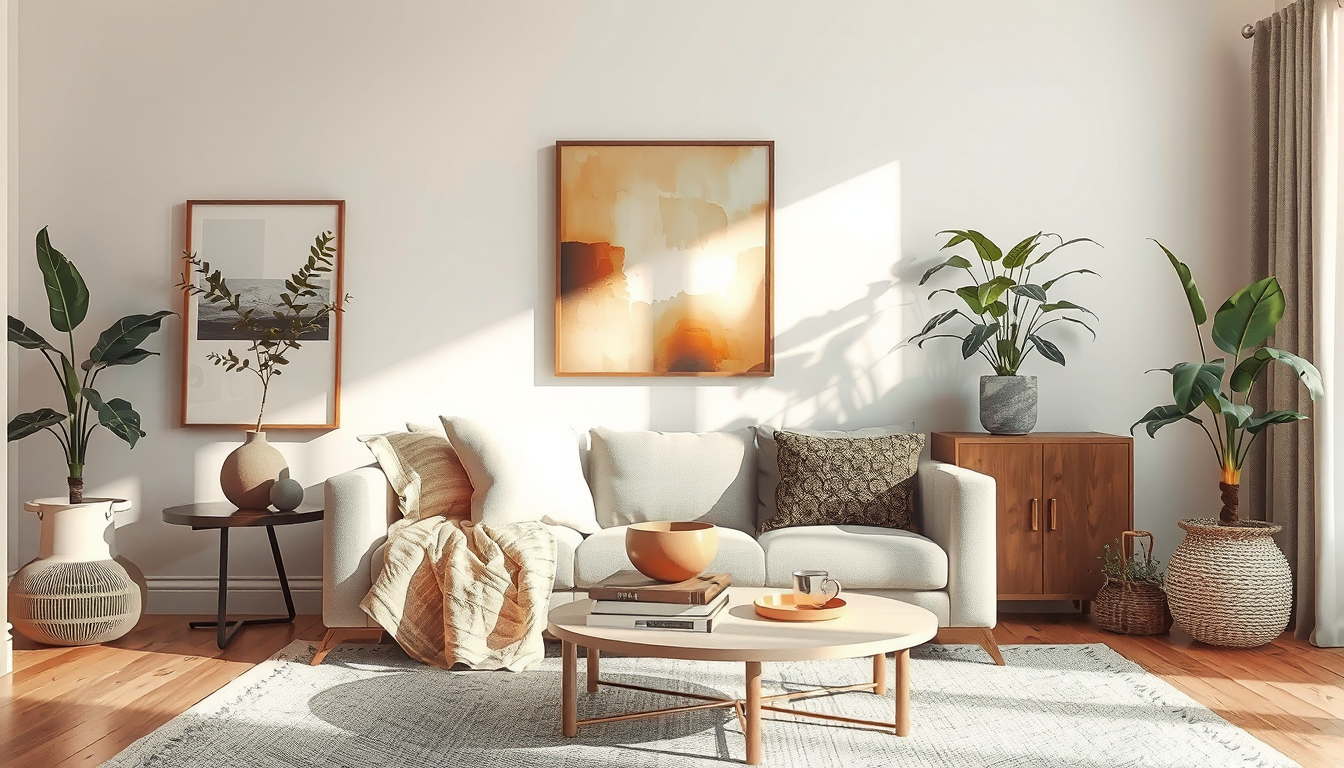
Indoor plant decor canada looks nothing like what you see on most design blogs — and that’s because most advice is written for homes with year-round sunshine and mild humidity. Here in Toronto and across the country, we face a different reality: five months of short, grey days, forced-air heating that strips moisture from every room, and compact condos where floor space is already spoken for. The right plants can transform a Canadian home, but only if you choose species that actually survive our conditions and style them for the spaces we live in. This is your room-by-room guide to making indoor greenery work — no dead fiddle-leaf figs by February.
Why Indoor Plant Decor in Canada Demands a Different Strategy
The biggest mistake Canadian plant owners make is following American or British care guides without adjusting for our climate. Toronto gets roughly 8.5 hours of daylight in December compared to over 15 hours in June . That seasonal swing is dramatic, and it means a plant thriving on your windowsill in July may be struggling by November.
Then there’s the humidity problem. Forced-air heating — the standard in most Canadian homes — can drop indoor humidity to 15–25% during winter months . Most popular tropical houseplants need 40–60% humidity to look their best. Without intervention, you’ll see brown leaf tips, drooping, and slow die-offs right when you need that greenery most.
At Toronto Interior Designer, we recommend starting with plants proven to handle low light and dry air, then layering in a few statement species where conditions allow. Think of it as designing a plant palette the same way you’d choose a paint scheme — intentional, coordinated, and suited to the room.
“The best indoor plant collection isn’t the biggest — it’s the one that still looks good in March, after four months of Canadian winter.”
Best Low-Light Indoor Plants for Canadian Winters
Find the Finishing Pieces
Accent lighting, ceramics, mirrors, and small furniture often make the biggest difference in builder-grade rooms.
Toronto Interior Designer may earn a commission if you shop through these links at no extra cost to you.
Not every trendy houseplant belongs in a Canadian home. Here are the species that consistently perform well in our conditions, along with where they work best:
| Plant | Light Needs | Humidity Tolerance | Best Room | Budget Range (CAD) |
|---|---|---|---|---|
| Snake Plant (Sansevieria) | Low to bright indirect | Handles dry air well | Bedroom, hallway | $15–$45 |
| Pothos (Epipremnum) | Low to moderate | Tolerates low humidity | Kitchen, bathroom shelf | $10–$30 |
| ZZ Plant (Zamioculcas) | Very low | Excellent in dry air | Home office, entryway | $20–$50 |
| Cast Iron Plant (Aspidistra) | Low | Very tolerant | North-facing rooms | $25–$60 |
| Spider Plant (Chlorophytum) | Moderate indirect | Moderate tolerance | Living room, hanging planter | $8–$20 |
| Chinese Evergreen (Aglaonema) | Low to moderate | Handles dry air | Condo living room | $15–$40 |
Snake plants, pothos, and ZZ plants are consistently rated top performers for low-light, dry-air interiors by Canadian horticultural sources. If you’re building your first indoor collection, start with these three and branch out from there.
For anyone dealing with dark rooms or moody aesthetics, deep green foliage like ZZ plants and cast iron plants complement darker colour palettes beautifully without demanding a south-facing window.
Room-by-Room Plant Styling Guide for Canadian Homes
With the right species selected, the next step is placing them where they’ll thrive and look intentional.
Entryway: This is your first impression, but it’s usually the darkest spot in the house. A single tall snake plant in a matte ceramic planter makes a clean statement without needing natural light. In Victorian semis with narrow hallways, wall-mounted planters keep the floor clear while adding a welcome touch of green at eye level.
Living Room: This is where you can go bigger — a medium-sized planter with a Chinese evergreen or a trailing pothos on a bookshelf adds life without eating into your seating area. If you have a south- or west-facing window, this is the one room where a fiddle-leaf fig or bird of paradise might actually survive a full winter. For more living room inspiration, think about grouping two or three plants at different heights — floor, shelf, and tabletop — to create a layered, designed look.
Kitchen: Humidity from cooking helps tropical species here more than anywhere else in the house. Herbs on the windowsill — basil, mint, rosemary — pull double duty as decor and ingredients. A small pothos on top of the fridge or trailing from an upper cabinet adds green without taking counter space.
Bedroom: Keep it calming and low-maintenance. One snake plant on a nightstand or dresser purifies air and tolerates the lower light of a curtained room. Avoid anything that needs frequent watering — nobody wants a dripping planter next to their bed.
Home Office: A ZZ plant on the desk or a small peace lily on a shelf brings focus and freshness to your workspace. Both tolerate the fluorescent or LED lighting common in home offices and need watering only every couple of weeks.
Indoor Plant Decor Canada: Small-Space Solutions for Condos
In a 500–700 square foot Toronto condo, floor space is currency. Every plant needs to earn its spot. Here’s how to bring greenery into compact spaces without the clutter:
- Go vertical. Wall-mounted planters, hanging pots from ceiling hooks, and tall narrow planters use height instead of floor area. A macramé hanger with a trailing pothos takes zero floor space.
- Use windowsills deliberately. Line a kitchen or bathroom sill with three to five small pots in a consistent style — matching terracotta or white ceramic keeps it looking intentional, not chaotic.
- Follow the one-statement-plant rule. Pick five total plants for your entire unit, one anchor per room, and resist the urge to overcollect. A single well-chosen plant always outperforms a cluttered shelf.
- Double up on function. Herb gardens in the kitchen, a lavender plant in the bedroom for sleep, an aloe vera in the bathroom for skin — every plant should do something beyond looking nice.
- Invest in a compact grow light. A small clip-on LED grow light ($25–$50 CAD) can keep a north-facing windowsill productive all winter long, and the newer models are sleek enough to blend with modern decor.
Toronto Interior Designer regularly sees condo clients transform a sterile space with just three or four well-placed plants. The key is restraint — a curated arrangement always looks better than a jungle crammed into a corner.
Where to Buy Indoor Plants Across Canada
Skip the big-box garden centres where plants have been sitting under fluorescent lights for weeks. These Canadian sources offer healthier stock and better variety.
In Toronto: Crown Flora Studio on Dundas West is one of the city’s most recognized plant shops, known for curated selections and designer-friendly vessels. Plant & Curio in the east end carries a strong mix of tropicals and ceramics. For weekend browsing, the Toronto Flower Market at Stackt runs seasonally.
Online (shipping nationwide): Plantsome, based in Vancouver, ships across Canada with solid packaging for cold-weather delivery. Terre Botanicals and Wild Interiors also offer nationwide shipping with winter heat packs — essential for ordering between November and March. If you’re also thinking about outdoor cold-hardy plants for spring, many of these retailers carry options that transition between indoor and outdoor seasons.
Local nurseries: In any Canadian city, independently owned greenhouses tend to carry hardier, better-acclimated stock than chains. Ask staff what’s been growing in their greenhouse longest — those plants adjust to home conditions faster.
Your Indoor Plant Decor Canada Action Plan
- Audit your light. Stand in each room at noon on a cloudy day and note whether you can read a book comfortably without a lamp. That’s your baseline for plant placement.
- Start with three plants. One snake plant, one pothos, one ZZ plant — the Canadian starter trio. Place them in your living room, bedroom, and office.
- Add a hygrometer. A $15 digital humidity monitor tells you exactly what your plants are dealing with in winter. If it reads below 30%, add a small humidifier nearby.
- Pick up a grow light before October. Don’t wait until your plants start dropping leaves. A clip-on LED grow light from a Canadian retailer runs $25–$50 and makes a real difference.
- Visit a local nursery in person. Touch the leaves, check for pests, and talk to staff — this beats online guesswork every time.
Getting indoor plant decor right in Canada isn’t about filling every surface with greenery. It’s about choosing the right species for our climate, placing them where they’ll actually thrive, and styling them so they enhance your space instead of cluttering it. Start small, invest in the proven performers, and let your collection grow with your confidence. At Toronto Interior Designer, we believe every Canadian home — from a 500-square-foot condo to a century-old semi — deserves living greenery that lasts well past winter.
Source Warm, Livable Staples
Natural textures and simple silhouettes are easier to layer when you start with timeless foundational pieces.
Toronto Interior Designer may earn a commission if you shop through these links at no extra cost to you.
Sources
- Environment Canada — https://climate.weather.gc.ca/
- Canada Mortgage and Housing Corporation — https://www.cmhc-schl.gc.ca/
Frequently Asked Questions
What are the best indoor plants for Canadian winters?
Snake plants, pothos, and ZZ plants are the top three picks for Canadian homes. They tolerate the low light and dry air caused by forced-air heating that drops indoor humidity to 15–25% during winter. These species thrive with minimal care from November through March, making them ideal for Toronto condos and homes across Canada.
How do you keep houseplants alive in a dark Canadian condo?
Choose proven low-light species like ZZ plants and cast iron plants, add a clip-on LED grow light ($25–$50 CAD) before October, and use a digital hygrometer to monitor humidity. If readings drop below 30%, place a small humidifier near your plants. Going vertical with wall-mounted planters and hanging pots also maximizes greenery without sacrificing floor space.
Where can I buy healthy indoor plants in Canada?
In Toronto, Crown Flora Studio and Plant & Curio offer curated selections of healthy stock. For nationwide shipping, Plantsome, Terre Botanicals, and Wild Interiors deliver with winter heat packs between November and March. Locally owned greenhouses in any Canadian city typically carry hardier, better-acclimated plants than big-box stores.