
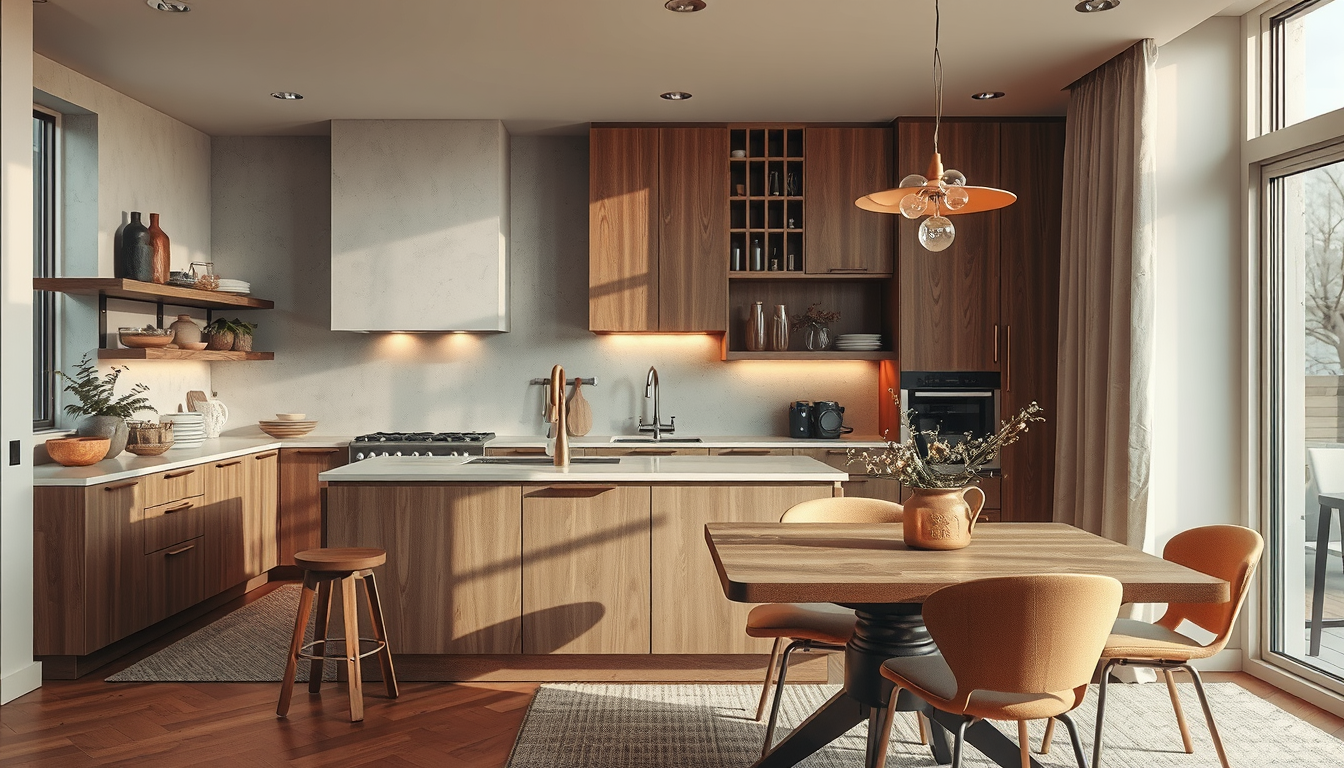
If you’re searching for kitchen countertop ideas Canada homeowners actually trust, here’s the thesis most design blogs won’t give you: the best countertop isn’t the prettiest slab in the showroom — it’s the one that survives your climate, fits your budget, and won’t off-gas into the air your family breathes. Toronto kitchens face a unique trifecta of challenges. Our freeze-thaw cycles punish outdoor extensions, our humid summers test every seal, and our 2026 material costs look nothing like the American price lists most articles quote. This guide covers what Canadian homeowners actually pay, what performs in our conditions, and which surfaces align with the non-toxic home movement gaining serious traction this year.
Quartz vs. Granite vs. Marble: Kitchen Countertop Ideas Canada Homeowners Compare
These three dominate the GTA market, but they behave very differently once installed.
Engineered quartz holds roughly 40% of the Canadian countertop market, with Caesarstone and Silestone leading sales through GTA distributors . Its appeal is straightforward: non-porous surface, no annual sealing, and near-zero VOC emissions post-installation. For Toronto condos where kitchen ventilation is often limited, that low-emission profile matters more than aesthetics. Quartz handles temperature swings indoors without issue, though it’s not rated for direct outdoor use — UV exposure can cause discolouration over time.
Granite remains the workhorse for homeowners who want natural stone without the anxiety. Canadian-quarried options like Caledonia (from Ontario) and Laurentian (from Quebec) can cost 15–25% less than imported slabs because you’re cutting out overseas shipping. Granite handles heat better than quartz — you can set a hot pan down without a trivet — and its freeze-thaw durability makes it the strongest choice for covered outdoor kitchen extensions, a growing request in Toronto’s renovation market.
Marble is the emotional choice. Calacatta and Carrara remain the most requested finishes at Toronto Interior Designer consultations, but they demand honesty: honed marble requires resealing every 6–12 months in high-use kitchens, and Canada’s humidity fluctuations can accelerate etching if maintenance lapses. If you cook daily and have kids, marble works best as a feature — a pastry station or island accent — rather than a full-perimeter surface.
The smartest kitchen countertop decision isn’t choosing the most expensive material. It’s matching the material to how your household actually uses the kitchen — every single day, through every Canadian season.
Budget-Friendly Kitchen Countertop Ideas: Butcher Block, Concrete, and Porcelain
Shop Dining Pieces for Narrow Layouts
Extendable tables, slim dining chairs, and compact pendants make a bigger impact than oversized statement pieces.
Toronto Interior Designer may earn a commission if you shop through these links at no extra cost to you.
Not every kitchen needs stone. These three alternatives solve real problems for Toronto homeowners working within tighter budgets or smaller footprints, and each brings a distinct character that stone simply can’t replicate.
Butcher block (maple, walnut, or white oak) typically runs $40–$90 per square foot installed in the GTA, making it the most affordable natural-surface option. It brings warmth to kitchens that skew cool — think white cabinetry in a north-facing Toronto semi. The trade-off is maintenance: oil quarterly, sand out stains as needed, and keep standing water off the surface. If you’re already exploring warm material pairings like terracotta, butcher block complements that earthy palette naturally.
Concrete countertops offer industrial edge and full customization — integral sinks, custom colours, and embedded aggregates are all possible with a skilled fabricator. Expect $80–$140 per square foot from GTA shops. Sealing is critical: unsealed concrete stains permanently. But a properly maintained concrete counter can last decades while developing a patina that manufactured surfaces can’t imitate.
Porcelain slabs (Dekton, Neolith) are gaining fast in Toronto condos. Their ultra-thin profile — as slim as 12mm — saves visual weight in compact kitchens, and they resist heat, scratches, and UV. Installed cost sits between $70–$130 per square foot, depending on pattern complexity.
2026 Kitchen Countertop Prices in Canada: Full Cost Comparison
Price is where most generic guides fail Canadian readers. Here’s what GTA fabricators are actually quoting in 2026, including template, fabrication, and installation:
| Material | Price Range (CAD/sq ft, installed) | Sealing Required | Best For |
|---|---|---|---|
| Engineered Quartz | $75–$150 | No | Low-maintenance family kitchens |
| Canadian Granite | $65–$130 | Annually | Heat-heavy cooking, outdoor extensions |
| Imported Granite | $80–$160 | Annually | Specific colour/veining preferences |
| Marble (honed) | $100–$200+ | Every 6–12 months | Feature islands, pastry stations |
| Butcher Block | $40–$90 | Quarterly oiling | Budget-friendly warmth |
| Concrete | $80–$140 | Every 1–2 years | Custom shapes, industrial style |
| Porcelain Slab | $70–$130 | No | Condos, modern minimalist kitchens |
These ranges reflect mid-to-high-quality material from established GTA fabricators. Entry-level quartz from big-box stores can dip lower, but fabrication quality and edge profiles vary significantly. If you’re planning a full kitchen overhaul, our kitchen renovation timeline guide breaks down the phases so countertop selection lands at the right stage — not too early, not too late.
Non-Toxic and Sustainable Kitchen Countertop Ideas for Canadian Homes
The 2026 design conversation has shifted. Publications like Architectural Digest are investing heavily in “longevity home” coverage, and the non-toxic lens now extends well beyond paint to every surface you touch daily . For kitchen countertops, here’s what that means practically:
- Engineered quartz emits near-zero VOCs after installation, making it the safest high-performance option for families sensitive to indoor air quality.
- Natural stone (granite, marble, soapstone) contains no synthetic resins and is inherently non-toxic, though sealers vary — ask your fabricator for food-safe, low-VOC sealants specifically.
- Recycled glass countertops (IceStone, Vetrazzo) use post-consumer glass bound with cement rather than petroleum-based resins. Limited GTA availability, but worth sourcing for eco-focused renovations.
- Butcher block from FSC-certified wood ensures responsible forestry. Canadian maple is an excellent local option that reduces transportation emissions.
- Porcelain slabs are fired clay — chemically inert, recyclable, and free of off-gassing concerns.
At Toronto Interior Designer, we’re seeing more clients lead their material conversations with health questions before aesthetic ones. That’s a meaningful shift, and the industry is responding with better product transparency.
How to Choose the Best Kitchen Countertop for Canadian Climates
Material selection should follow a decision sequence, not a mood board. Here’s the framework we use with every client:
Start with use pattern. A household that cooks daily with kids needs something forgiving — quartz or granite. A couple who entertains occasionally has more room for marble or concrete.
Factor in climate exposure. If your kitchen extends to a three-season outdoor space (increasingly common in Toronto renovations), granite is your safest natural stone. Quartz and marble are indoor-only surfaces in our freeze-thaw range of –20°C to +35°C.
Set your maintenance tolerance honestly. Marble and butcher block are beautiful but demanding. If you won’t reseal or re-oil on schedule, choose a material that forgives neglect — quartz or porcelain.
Lock your budget before visiting showrooms. Fabricators upsell edge profiles, backsplash integration, and premium veining. Know your per-square-foot ceiling and total project cap before you fall for a $200/sq ft slab you didn’t plan for.
What to Do Next
Your kitchen countertop ideas Canada search ends with action. Here’s your checklist:
- Measure your countertop area (length × depth for each run) to calculate total square footage before requesting quotes.
- Get three GTA fabricator quotes — pricing varies widely, and template visits are typically free.
- Request material samples and live with them for a week: spill coffee, set a hot mug down, scratch with a key. Test performance, not just appearance.
- Ask every fabricator about sealant VOC content — especially if indoor air quality matters to your household.
- Align countertop selection with your renovation timeline so fabrication lead times (typically 2–4 weeks in the GTA) don’t stall your project.
- Browse more kitchen and dining inspiration to see how countertop choices play into full room design.
The right countertop is the one that works for your kitchen, your budget, and your climate — not the one trending on social media. Use this guide as your starting framework, and let the material earn its place in your home.
Start With Functional Basics
For budget-friendly kitchen and dining updates, focus on stools, storage, and lighting before decorative extras.
Toronto Interior Designer may earn a commission if you shop through these links at no extra cost to you.
Sources
- Caesarstone market data — https://www.caesarstone.ca
- Architectural Digest Longevity Home series — https://www.architecturaldigest.com
Frequently Asked Questions
What is the most durable kitchen countertop for Canadian homes?
Granite is the most durable countertop for Canadian homes. It handles heat, resists scratches, and withstands freeze-thaw cycles, making it ideal for kitchens with outdoor extensions. Canadian-quarried granite from Ontario or Quebec also costs 15–25% less than imported stone.
How much do kitchen countertops cost in Canada in 2026?
In 2026, installed kitchen countertop prices in the GTA range from $40–$90 per square foot for butcher block to $100–$200+ for marble. Engineered quartz runs $75–$150, Canadian granite $65–$130, and porcelain slabs $70–$130 per square foot including fabrication and installation.
Are quartz countertops non-toxic and safe for families?
Yes, engineered quartz emits near-zero VOCs after installation, making it one of the safest high-performance countertop options for families concerned about indoor air quality. Its non-porous surface also resists bacteria growth without chemical sealants.