
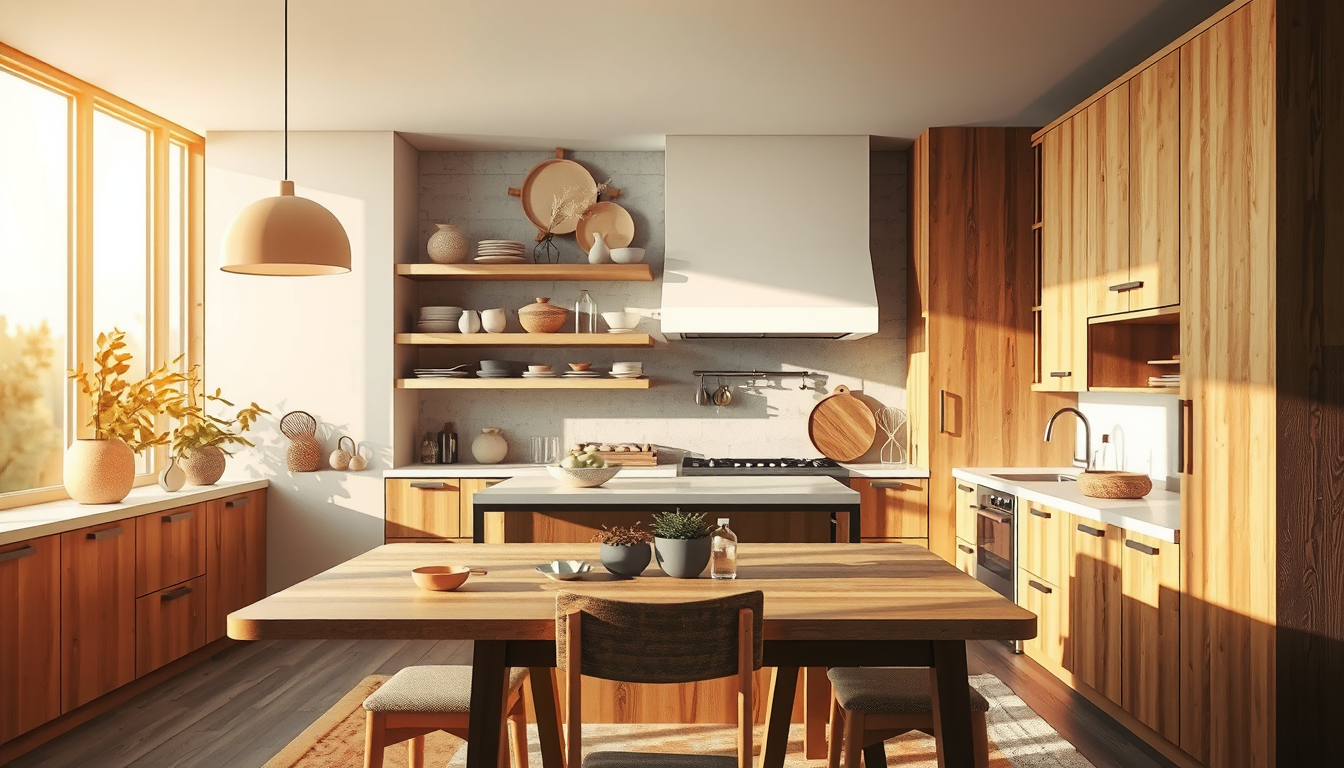
The open shelving vs upper cabinets kitchen debate looks completely different when your entire home is 660 square feet. Most design advice on this topic comes from US publications showing open shelving in sprawling farmhouse kitchens — beautiful, but useless if you’re renovating an 8-foot galley in a Toronto condo tower. Here’s the truth: in a city where over 55% of new housing is high-rise, upper cabinets aren’t just an aesthetic preference — they’re functional survival. This guide breaks down the real trade-offs for Toronto homeowners, with actual numbers, humidity considerations, and resale data that generic North American coverage ignores entirely.
Why Open Shelving vs Upper Cabinets Hits Different in Toronto Kitchens
Toronto’s condo-dominated housing stock creates constraints that most design magazines never address. The average condo in the city sits at roughly 660 square feet , and kitchens in these units typically run 8 to 10 linear feet of wall space. That’s not a lot of room for error.
When you’re working with a galley or L-shaped kitchen in a 500–700 square foot unit, every inch of vertical storage matters. Upper cabinets deliver approximately three times the concealed storage per linear foot compared to open shelving. In a kitchen where you might have only 12 to 15 linear feet of total wall, that difference is the gap between fitting all your dishes and stacking cereal boxes on top of the fridge.
There are also structural realities unique to condo renovations. Concrete columns, ventilation chases, and bulkheads limit where you can mount anything. Many condo boards require engineering approvals for wall-mounted cabinetry on load-bearing or party walls, and some buildings restrict drilling into concrete ceilings altogether. Before you fall in love with a floating shelf layout from Pinterest, confirm what your building actually allows. For a broader look at layout strategies that work within these constraints, see our guide to Toronto kitchen renovation ideas.
Open Shelving Performance in Toronto’s Four-Season Climate
Shop Dining Pieces for Narrow Layouts
Extendable tables, slim dining chairs, and compact pendants make a bigger impact than oversized statement pieces.
Toronto Interior Designer may earn a commission if you shop through these links at no extra cost to you.
Open shelving can work in Toronto — but it demands more maintenance than most advocates admit, and the city’s climate is the main reason why.
Toronto summers regularly push the humidex above 35°C, and winter heating dries indoor air to desert levels. This seasonal swing accelerates dust accumulation and grease film on exposed items. If your shelves sit within four feet of a cooktop, expect to wipe down dishes weekly — not the low-maintenance lifestyle the trend promises. Grease-laden cooking steam is especially persistent in compact kitchens with limited ventilation, which describes most Toronto condos built before 2015.
That said, open shelving earns its place in specific scenarios:
- Display zones away from cooking — a short run of shelves on the wall opposite the stove, holding curated ceramics or cookbooks.
- Above the sink — where items get used and washed frequently enough that dust isn’t an issue.
- In larger kitchens with surplus storage — if you already have a pantry or sufficient lowers, shelving becomes accent rather than infrastructure.
“Open shelving works best in Toronto kitchens when it’s treated as a design moment, not a storage solution. The clients who love it long-term are the ones who kept their upper cabinets too.” — Toronto Interior Designer editorial team
The honest takeaway: if you’re choosing open shelving as your primary upper storage in a compact Toronto kitchen, you’re trading function for aesthetics. That’s a valid choice — just make it with eyes open.
Open Shelving vs Upper Cabinets Kitchen Storage Math for Condos
Let’s put real numbers on it. A standard 30-inch upper cabinet offers roughly 15 cubic feet of enclosed storage. A floating shelf of equivalent width holds about 3–5 cubic feet, and everything on it is exposed. In a typical Toronto condo kitchen with room for four upper units, that’s the difference between 60 cubic feet of hidden storage and 15 cubic feet of open display.
Kitchen renovations in the GTA currently average $25,000 to $75,000 depending on scope, with cabinetry accounting for 30–40% of total cost . Here’s how the options compare:
| Element | Upper Cabinets | Open Shelving | Hybrid Approach |
|---|---|---|---|
| Cost per linear foot (CAD) | $300–$800 installed | $80–$250 installed | $250–$600 average |
| Storage capacity | ~15 cu ft per 30″ unit | ~4 cu ft per 30″ shelf | Varies by configuration |
| Maintenance | Wipe exteriors monthly | Wipe items + shelves weekly | Moderate |
| Dust/grease protection | Full — doors seal contents | None | Partial |
| Best for | Compact condos, families | Display-focused kitchens | Most Toronto renovations |
| Resale appeal (GTA) | Strong — buyers expect them | Mixed — polarizing | Strong — modern yet practical |
Houzz Kitchen Trends data shows that homeowner preference for closed upper storage has rebounded since open shelving’s peak around 2019–2021, with over 70% of renovators now choosing upper cabinets . The numbers tell a clear story, but the best solution for most Toronto kitchens borrows from both columns.
Best Hybrid Kitchen Layouts Toronto Designers Recommend
The hybrid approach has become the most-requested configuration in 2025–26 — and with good reason. It resolves the tension between wanting a modern, airy kitchen and needing every cubic foot of storage a condo allows.
The most common hybrid layout: open shelving flanking the range hood, with closed uppers everywhere else. This creates a visual focal point at the cooking zone while preserving the bulk of your concealed storage. It photographs well, functions well, and doesn’t force you to keep your mismatched Tupperware collection camera-ready.
A few practical hybrid configurations that work in Toronto kitchens:
- Two open shelves beside the hood + closed cabinets on remaining walls — the most popular spec right now.
- Glass-front uppers mixed with solid doors — gives the open feel without the dust.
- One feature wall of open shelving + a separate pantry cabinet — works in L-shaped or U-shaped layouts with enough total linear footage.
- Floating shelves above a coffee station + full uppers near the sink and stove — zoning by function.
- Open shelves at window walls (where uppers would block light) + closed cabinets on interior walls — uses the architecture to make the decision for you.
If your renovation extends beyond the kitchen, many of the same space-maximizing principles apply in small condo living rooms and compact home offices.
How Open Shelving vs Upper Cabinets Affects GTA Resale Value
Real estate agents in the GTA consistently report that kitchens with full upper cabinetry photograph and appraise better than open-shelving kitchens, particularly in the sub-$800K condo segment where buyers prioritize functional storage over design trends. Open shelving can read as “less kitchen” in listing photos — a perception problem in a market where square footage is already tight.
That doesn’t mean open shelving kills your resale value. A well-executed hybrid approach signals that the kitchen was designed with intention, which buyers respond to positively. The risk sits with all-open upper configurations in small kitchens, where prospective buyers immediately start calculating where they’d put things.
What to Do Next
The open shelving vs upper cabinets decision comes down to your specific unit, your storage reality, and how much weekly maintenance you’re willing to accept. For most Toronto condos, the hybrid approach wins — but here’s how to move forward:
- Measure your kitchen’s linear footage — count every inch of available wall space above the counter, noting obstructions like bulkheads and chases.
- Audit your current storage — pull everything out of your uppers and honestly assess volume; if it fills more than two boxes per cabinet, you need closed doors.
- Check your condo’s renovation bylaws — confirm what requires board approval before committing to a layout.
- Get three contractor quotes — compare pricing for full uppers, full open, and hybrid configurations specific to your layout.
- Prioritize the range-hood wall — if you want open shelving, start and stop it here for maximum visual impact with minimum storage loss.
- Browse our kitchen and dining category for more Toronto-specific renovation guidance.
Your kitchen has to work every single day in a city with real winters, humid summers, and limited square footage. Design for your actual life first — the aesthetic will follow.
Start With Functional Basics
For budget-friendly kitchen and dining updates, focus on stools, storage, and lighting before decorative extras.
Toronto Interior Designer may earn a commission if you shop through these links at no extra cost to you.
Sources
- Urbanation Condo Market Survey — https://www.urbanation.ca/news
- NKBA Kitchen Trends Report — https://nkba.org/market-research
- Houzz Kitchen Trends Study — https://www.houzz.com/magazine/kitchen-trends
Frequently Asked Questions
Is open shelving practical in a small Toronto condo kitchen?
Open shelving can work in Toronto condos but only as an accent, not primary storage. With average units at 660 square feet, upper cabinets deliver roughly three times the concealed storage per linear foot, making them essential for compact kitchens where every inch counts.
How much do open shelving vs upper cabinets cost in Toronto?
Upper cabinets cost $300–$800 per linear foot installed in the GTA, while open shelving runs $80–$250. A hybrid approach averages $250–$600. Kitchen renovations in Toronto typically range from $25,000 to $75,000 total, with cabinetry accounting for 30–40% of the budget.
Does open shelving hurt resale value in the GTA?
All-open shelving configurations can reduce perceived kitchen value in GTA listings, especially in condos under $800K where buyers prioritize storage. However, a well-designed hybrid layout with some open shelving alongside closed uppers signals intentional design and appeals to most buyers.