
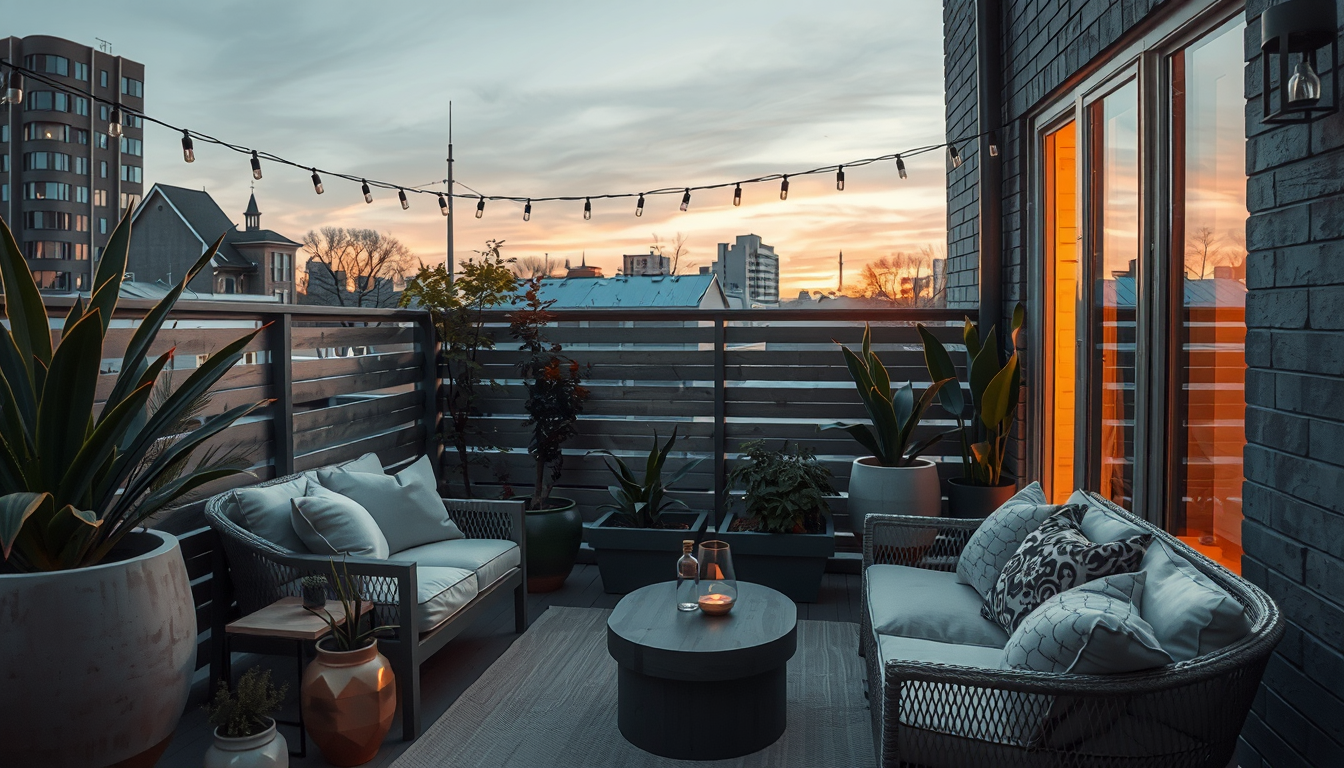
Most raised garden bed ideas Canada gardeners find online are written for climates nothing like ours. They assume long summers, deep backyards, and soil that never freezes solid for four months straight. Toronto sits in Zone 6a (USDA) — or 5b under Canada’s own plant hardiness system — with roughly 145 to 155 frost-free days between mid-May and early October . That narrow window demands smarter design, tougher materials, and layouts built for the 25-foot-wide lots most of us actually have. Here at Toronto Interior Designer, we treat raised beds the same way we treat a kitchen island: they should earn their square footage and look good doing it.
Why Raised Garden Beds Outperform In-Ground Gardens in Canadian Climates
The single biggest advantage of a raised bed in Canada is heat. Elevated soil warms two to three weeks faster than ground-level beds in spring because air circulates around the frame and dark-coloured sides absorb sunlight . A 12-inch-tall bed can reach plantable temperature by late April while neighbouring in-ground plots remain waterlogged and cold. Pair that with a simple cold frame or floating row cover and you can extend your season by up to a month on either end — turning 150 usable days into closer to 190.
Drainage matters just as much. Toronto’s clay-heavy soil compacts over winter and holds water well into May, suffocating early root growth. A raised bed filled with a custom mix of triple-mix, compost, and perlite drains freely from day one. You control the pH, the organic matter, and the depth — no rototilling required. For anyone gardening on a condo terrace or rooftop, raised beds are often the only option, and they keep weight concentrated in planned zones rather than spread across a membrane you cannot afford to puncture.
“A raised bed isn’t just a planter — it’s a micro-climate you engineer yourself. In a city with our freeze-thaw swings, that control is everything.”
Best Materials for Raised Garden Beds That Survive Canadian Winters
Shop Balcony and Patio Pieces That Fit
Toronto outdoor spaces are often tight, so look for stackable seating, slim tables, and weather-ready textiles first.
Toronto Interior Designer may earn a commission if you shop through these links at no extra cost to you.
Material choice separates a bed that lasts two seasons from one that lasts twenty. Toronto’s winters cycle between freeze and thaw dozens of times per year, cracking concrete, warping cheap lumber, and corroding untreated metal. Here is how the main options compare:
| Material | Lifespan (Approx.) | Freeze-Thaw Resistance | Budget Range (CAD) | Best For |
|---|---|---|---|---|
| Western red cedar (BC-sourced) | 15–20 years untreated | Excellent — natural rot resistance | $150–$350 per 4×8 bed | Standard backyards, design-forward builds |
| Galvanized corrugated steel | 20+ years | Excellent — no cracking | $200–$500 per 4×8 bed | Modern/industrial aesthetics, rooftops |
| Composite lumber (recycled plastic) | 25+ years | Excellent — no rot, no splitting | $300–$600 per 4×8 bed | Low-maintenance, condo terraces |
| Pressure-treated pine (ACQ) | 10–15 years | Good — may warp over time | $80–$180 per 4×8 bed | Budget builds, utility gardens |
| Natural stone or stacked block | 30+ years | Variable — needs proper footings | $500–$1,500+ per bed | Permanent landscape features |
Western red cedar remains the go-to for most Toronto designers because it is sourced domestically from British Columbia, weathers to a silver-grey that complements almost any exterior palette, and needs zero chemical treatment . If budget is tight, ACQ pressure-treated pine is safe for food-growing beds under current Canadian standards, but expect to replace boards within a decade as moisture works its way into end-grain cuts.
For a polished outdoor living space, corrugated steel beds with a cedar cap rail strike the right balance between durability and curb appeal. They pair especially well with the dark-framed pergolas and matte-black planters trending in Toronto backyard renovations right now.
Small-Space Raised Garden Bed Ideas for Toronto Condos and Urban Lots
The average Toronto residential lot is 25 feet wide by 120 feet deep, leaving roughly 20 to 25 feet of usable backyard once you subtract the house footprint and setbacks . That is not much room. Condo balconies shrink the equation further — often down to 60 to 80 square feet total. The key is choosing a layout that maximizes growing area without sacrificing the circulation space you need to actually enjoy your outdoor room.
Five layouts that make the most of tight Toronto footprints:
- L-shaped corner beds — Tuck a 4×8 and a 4×4 bed into a rear corner to free up central patio space for dining. Total growing area: 48 sq ft.
- Tiered step beds — Stack three progressively shorter frames (12″, 18″, 24″ high) against a fence. You gain vertical growing room and built-in seating on the lowest tier.
- Balcony rail planters with a floor bed — Mount shallow 6″-deep cedar boxes on the railing for herbs, then place one 2×4 bed on the deck for tomatoes and peppers. Keep total weight under 15 lbs per square foot for most condo balconies — confirm your building’s structural limits with management before building.
- Keyhole garden — A circular bed with a centre compost basket and a wedge-shaped path for access. Fits in a 6-foot diameter circle and produces as much as a traditional 4×8 rectangle.
- Vertical trellis-backed bed — A single 2×6 bed with a 6-foot cedar trellis bolted to the back. Grow cucumbers, pole beans, and peas upward instead of outward, tripling your yield per square foot of ground.
Toronto’s zoning bylaw permits garden structures under 1.2 metres in height in residential rear yards without a building permit, so most standard raised beds are code-compliant out of the box .
If you are converting a she shed or backyard studio into a year-round workspace, flanking the entrance with matching raised beds adds structure and greenery without eating into your interior square footage.
How Toronto Designers Style Raised Garden Beds as Outdoor Features
The biggest shift we see at Toronto Interior Designer is clients treating raised beds as furniture, not infrastructure. That means matching the bed frame material to the deck or fence finish, integrating LED strip lighting along the base for evening ambiance, and capping beds with wide cedar or composite ledges that double as casual seating.
A few styling moves gaining traction in 2026:
- Monochrome black steel beds against light-toned fence panels — a high-contrast look that photographs well and suits the modern farmhouse trend still dominating Toronto’s west-end renovations.
- Built-in herb beds flanking outdoor kitchens — cedar frames at counter height (36 inches) so you can clip rosemary and basil mid-cook without leaving the prep area.
- Corten steel beds with intentional rust patina, paired with ornamental grasses and edibles in the same frame for a mixed planting that reads as landscape design rather than vegetable patch.
Statistics Canada reported that 61 percent of Canadian households participated in some form of gardening, with vegetable gardening seeing sustained growth since the pandemic . That demand is pushing raised beds out of the utility corner and into the sightline of every outdoor living layout we design.
What to Do Next
If you are planning raised beds for the upcoming growing season, here is your action checklist:
- Measure your actual space — backyard depth, balcony square footage, and any setback or condo weight-load restrictions.
- Choose your material based on the comparison table above — cedar for most backyards, galvanized steel or composite for balconies and rooftops.
- Plan your layout before buying lumber — sketch bed placement, path widths (minimum 24 inches for a wheelbarrow), and sun exposure (six or more hours of direct light for vegetables).
- Fill beds with the right mix — one-third topsoil, one-third compost, one-third coarse vermiculite or perlite for drainage.
- Start seeds indoors in April and transplant after Victoria Day to squeeze every day out of the season.
- Add a cold frame or row cover to push your first planting two to three weeks earlier and protect fall crops into November.
The best raised garden bed ideas Canada gardeners can follow are the ones built for how we actually live — short seasons, tight lots, and winters that test every joint and fastener. Get the bones right and your beds will reward you for years.
Layer the Outdoor Room
Lighting, planters, and textiles can stretch a short summer season and make even a small balcony feel intentional.
Toronto Interior Designer may earn a commission if you shop through these links at no extra cost to you.
Sources
- Natural Resources Canada Plant Hardiness Zones — https://natural-resources.canada.ca/
- University of Guelph Horticulture Research — https://www.uoguelph.ca/plant/
- Canadian Wood Council — https://cwc.ca/
- City of Toronto Zoning Bylaw 569-2013 — https://www.toronto.ca/city-government/planning-development/zoning-by-law-preliminary-zoning-reviews/zoning-by-law-569-2013-2/
- Statistics Canada Survey of Household Spending — https://www.statcan.gc.ca/
Frequently Asked Questions
What is the best material for raised garden beds in Canada?
Western red cedar sourced from British Columbia is the top choice for most Canadian gardeners. It resists rot naturally without chemical treatment, lasts 15 to 20 years, and weathers to an attractive silver-grey finish that suits any backyard design.
Do you need a permit for a raised garden bed in Toronto?
No. Toronto’s zoning bylaw permits garden structures under 1.2 metres in height in residential rear yards without a building permit, so most standard raised beds are code-compliant. Condo balconies may have weight-load restrictions you should confirm with building management.
How do you extend the growing season with raised beds in Canada?
Raised beds warm two to three weeks faster than ground-level soil in spring. Adding a cold frame or floating row cover can extend your season by up to a month on each end, turning roughly 150 frost-free days into closer to 190 usable growing days.