
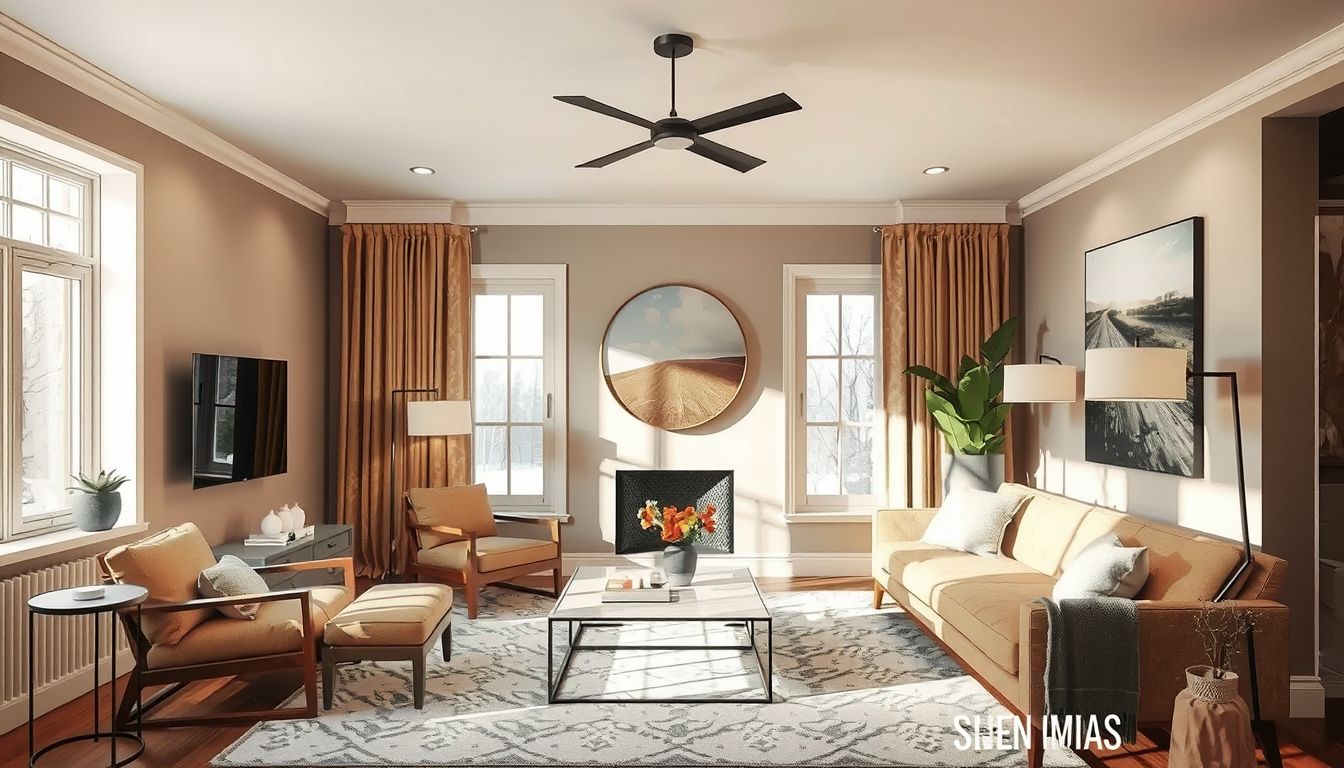
Knowing what to measure before ordering custom furniture in Toronto starts with three numbers: doorway width (32 inches standard for new GTA condos, per Ontario Building Code residential guidance), elevator diagonal carry (roughly 7 feet in most Toronto mid-rises), and lead time (10–16 weeks for custom upholstery, per HomeStars Canada 2026 contractor data). Get those wrong and a $5,000 sectional becomes a freight bill.
Why Does What You Measure Before Ordering Custom Furniture Matter in Toronto?
Toronto’s housing stock punishes assumptions. A 92-inch sofa that breezes into a Mississauga two-storey may not clear the 28-inch doorway of an Annex Victorian walk-up, and a King West condo with a 7-foot freight elevator diagonal will refuse the same piece on its side. Custom orders carry 10–16 week lead times from GTA upholsterers (HomeStars Canada 2026), and most makers’ contracts disclaim re-fit responsibility once a piece ships. In our experience auditing condo deliveries across CityPlace, Liberty Village, and the Junction, the most common reason for a refused custom delivery isn’t quality — it’s a missed measurement at the building entry. Custom furniture in 2026 is a logistics problem with a Toronto postal code, not just a design decision. Toronto Interior Designer treats the path as part of the design brief, not a delivery afterthought.
What Should You Budget for Custom Furniture in the GTA in 2026?
Price Out the High-Impact Pieces First
Before committing to a renovation mood board, benchmark the furniture, lighting, and storage pieces that set the tone.
Toronto Interior Designer may earn a commission if you shop through these links at no extra cost to you.
Custom furniture in Toronto isn’t cheap and it isn’t fast. Below is what we’ve seen quoted across GTA makers over the past 12 months, confirmed against HomeStars Canada 2026 data and BILD member supplier quotes.
| Piece | Avg Cost Toronto (CAD) | Lead Time | Common Toronto Logistics Issue |
|---|---|---|---|
| Custom sectional (8 ft) | $4,500–$9,500 | 12–16 weeks | Width vs. 32″ condo doorway |
| Custom dining table (84″+) | $2,800–$6,200 | 8–12 weeks | Stairwell turning radius |
| Built-in millwork wall | $8,000–$22,000 | 10–14 weeks | Freight elevator access |
| Upholstered king headboard | $900–$2,400 | 6–10 weeks | Elevator ceiling height |
| Custom bookshelf (96″+) | $1,800–$4,500 | 8–12 weeks | Wall plumb and squareness |
Source: HomeStars Canada 2026, BILD member quotes, Toronto Interior Designer field reporting. A measurement error at intake typically adds 4–6 weeks of rework — often pushing delivery past Toronto’s spring or fall moving windows. Browse more pricing breakdowns in our buyer guides.
Which Room Dimensions and Architectural Quirks Should You Capture First?
Measure the room before the piece. Capture wall-to-wall length and width at three points (high, middle, low) because Toronto pre-war plaster walls often bow by 1–2 inches over a 10-foot run. Record ceiling height (8 feet is GTA condo standard; 9–10 feet in Annex Victorians), window sill heights, radiator depths, and HVAC returns. Note baseboard depth — old Toronto baseboards run 6–8 inches and steal usable wall length.
Sightlines, Photos, and Why Developer Drawings Lie
Sketch sightlines from the doorway, the seating area, and the kitchen pass-through; a custom sectional’s back is part of the room’s architecture. Photograph corners, outlets, and cold-air returns from three angles. We sketched 14 King West condos last fall for a sectional fit study and found floor-plan dimensions were off by 3–5 inches in every unit — developer drawings don’t reflect drywall and trim allowances. Detail matters: see our coverage of why checkerboard floors are back in Toronto design for how flooring affects scale.
How Do You Measure the Delivery Path: Door Frames, Stairwells, and Toronto Elevators?
This is where Toronto custom orders die. Measure every doorway the piece must pass through — frame width AND height. Pre-war walk-up doorways often measure 28–30 inches in the Annex, Roncesvalles, and Cabbagetown, well below the 32-inch new-build standard set in the Ontario Building Code. For stairs, measure the narrowest tread, the ceiling above the landing, and the diagonal turn — the “L-shape” rule requires diagonal clearance exceeding the piece’s length plus 6 inches. For elevators, request the freight elevator’s interior dimensions AND door opening in writing from building management (City of Toronto condo board protocol); the 7-foot diagonal carry caps most sofas at 84–90 inches depending on depth. Add a 2-inch buffer on each side of the piece’s widest point for door hardware and trim. Confirm a freight-elevator booking with your condo board before the deposit lands — many renovation logistics headaches start here.
“The most common reason for a refused custom-furniture delivery in Toronto isn’t quality — it’s a missed measurement at the building entry. Treat the path like part of the design brief.”
Which Function-Driven Measurements Matter Most for Daily Living?
Daily function is decided in inches. Standard seat depth ranges 21–24 inches; deep-seat custom sectionals can reach 40+ inches and require at least 36 inches of walking clearance in front. Counter heights are 36 inches standard (Ontario Building Code residential kitchen guidance), bar heights 42 inches, and a counter-height custom table needs 26-inch seat heights, not 18. For dining, allow 24–30 inches per seated person at the table edge. For beds, leave 24–30 inches of walking space on each side of a custom king frame. For home offices, measure chair turning radius — 60 inches square is the working minimum, covered in our desk placement guide for small Toronto apartments. Match seat heights to existing pieces: a 17-inch dining bench beside a 19-inch armchair reads as an error. Function-first measurements prevent the post-delivery “I should have…” moment.
What Should Go on Your Pre-Order Checklist for a GTA Custom Maker?
Bring more than dimensions. Toronto custom-furniture makers — from Mjölk in the Junction to Hollis+Morris on Geary — expect a complete brief. Pack a tape-measured floor plan with three-point wall lengths, ceiling height, doorway widths AND heights, stair turn diagonals, and freight elevator confirmation in writing. Include photographs of corner conditions, baseboards, outlets, and any radiator or column intrusions. Bring fabric samples viewed in your own light — Toronto winter dryness sits at 15–20% indoor humidity (Environment Canada averages), which can fade certain dyes faster than expected. Confirm the maker’s installation policy; many GTA upholsterers do not provide hoisting, which a King West unit may require if the elevator path fails. For high-traffic households, pair the measurement list with our best sofa fabrics for Toronto families guide before signing the order, and review nearby living spaces inspiration.
Our Verdict: The Best Approach for Toronto Custom Furniture Buyers
The full answer to what to measure before ordering custom furniture in Toronto fits on one page — doorway, stairwell, elevator, ceiling, seat depth, sightline, and lead time — but only the path measurements are non-negotiable. For any custom order over $4,000, book a paid in-home measure from a Toronto-based designer or the maker’s intake team; the $150–$400 fee is the cheapest insurance against the 4–6 week rework delay that follows a measurement error. For smaller pieces under $2,000 (chairs, side tables, headboards), a tape measure, two photos, and a confirmed elevator booking is usually enough.
Before You Order: Toronto Custom Furniture Checklist
- Confirm doorway width AND height at every threshold the piece must pass through
- Get the freight elevator’s interior dimensions and door opening in writing from building management
- Measure stair diagonal turns (length of piece + 6 inches minimum clearance)
- Record three-point wall measurements (top, middle, bottom) — Toronto plaster walls bow
- Capture ceiling height, baseboard depth, and any radiator or column intrusion
- Confirm 36-inch walking clearance in front of deep-seat pieces
- Book the freight elevator with the condo board before placing the deposit
- Verify lead time in writing (10–16 weeks is standard GTA, per HomeStars 2026)
- View fabric samples in your room’s actual light
- Confirm whether the maker offers hoisting if the elevator path fails
Frequently Asked Questions
How much does a custom sofa cost in Toronto in 2026?
A custom 8-foot sofa from a GTA upholsterer typically costs $4,500–$9,500 CAD with a 12–16 week lead time (HomeStars Canada 2026). Price depends on frame construction (kiln-dried hardwood adds 20–30%), fabric grade, and depth. Premium Toronto makers price toward the top of the range.
What’s the standard doorway width in a Toronto condo?
New GTA condos use a 32-inch doorway, the Ontario Building Code residential standard. Pre-war Toronto walk-ups in the Annex, Roncesvalles, and Cabbagetown often measure only 28–30 inches, which can restrict custom sectional widths to roughly 36 inches at the deepest point unless the piece is delivered in modules.
Can a custom sectional fit in a Toronto condo elevator?
Most Toronto mid-rise freight elevators have a 7-foot maximum diagonal carry, capping sofa length at roughly 84–90 inches depending on depth. Always confirm the freight elevator’s interior diagonal AND door opening with building management in writing before placing a custom order over $4,000.
How long does custom furniture take to arrive in the GTA?
GTA custom upholstery runs 10–16 weeks from order to delivery (HomeStars Canada 2026), while custom millwork runs 10–14 weeks. Lead times extend 4–6 weeks if a measurement error requires a re-fit at intake — often pushing delivery past Toronto’s seasonal moving windows.
Should I get an in-home measure before ordering custom furniture?
For any custom order over $4,000, yes — a paid in-home measure from a Toronto-based designer or the maker’s intake team typically costs $150–$400 and prevents the 4–6 week rework delay that follows a measurement error. Many GTA makers credit the fee back against the final order.
What clearance should I leave in front of a deep-seat custom sectional?
Leave at least 36 inches of walking clearance in front of a deep-seat sectional (which can reach 40+ inches of seat depth). Anything less and the path between the sofa and a coffee table or wall becomes a daily collision zone, especially in 8-foot-ceiling Toronto condos where the visual compression is already significant.
Sources
- HomeStars Canada — 2026 contractor pricing and lead-time data for GTA custom furniture
- Ontario Building Code — residential doorway widths and counter-height standards
- BILD (Building Industry and Land Development Association) — member supplier quotes for custom millwork
- Environment Canada — Toronto winter indoor humidity averages
- City of Toronto — condo freight-elevator booking requirements
- Toronto Interior Designer — field measurements across King West, Liberty Village, CityPlace, and the Junction
Priya Anand | Principal Designer, Toronto Interior Designer Priya leads Toronto Interior Designer’s custom furniture and condo logistics coverage, with 12 years of design experience across CityPlace, Liberty Village, and Junction projects. Her pre-order measurement worksheets are used by GTA upholsterers from Hollis+Morris to Mjölk. (/author/priya-anand/)
Balance Budget and Finish Quality
Mix accessible basics with a few standout pieces so the room feels layered rather than one-note.
Toronto Interior Designer may earn a commission if you shop through these links at no extra cost to you.
Frequently Asked Questions
What should you measure before ordering custom furniture in Toronto?
Measure doorway width and height (32 inches is GTA new-build standard, 28-30 inches in pre-war walk-ups), freight elevator diagonal (roughly 7 feet in most Toronto mid-rises), stair turn diagonals, and ceiling height before placing any custom order over $4,000.
How long does custom furniture take to arrive in the GTA?
GTA custom upholstery runs 10-16 weeks and custom millwork runs 10-14 weeks, per HomeStars Canada 2026 data. A measurement error at intake adds 4-6 weeks of rework, often pushing delivery past Toronto’s spring or fall moving windows.
Should I book a paid in-home measure before ordering custom furniture?
For any custom order over $4,000, yes. A paid in-home measure from a Toronto-based designer or the maker’s intake team typically costs $150-$400 and prevents the 4-6 week rework delay that follows a measurement error.
Toronto Interior Designer is editorially independent. Our recommendations are based on research and editorial judgment, not brand sponsorships.