
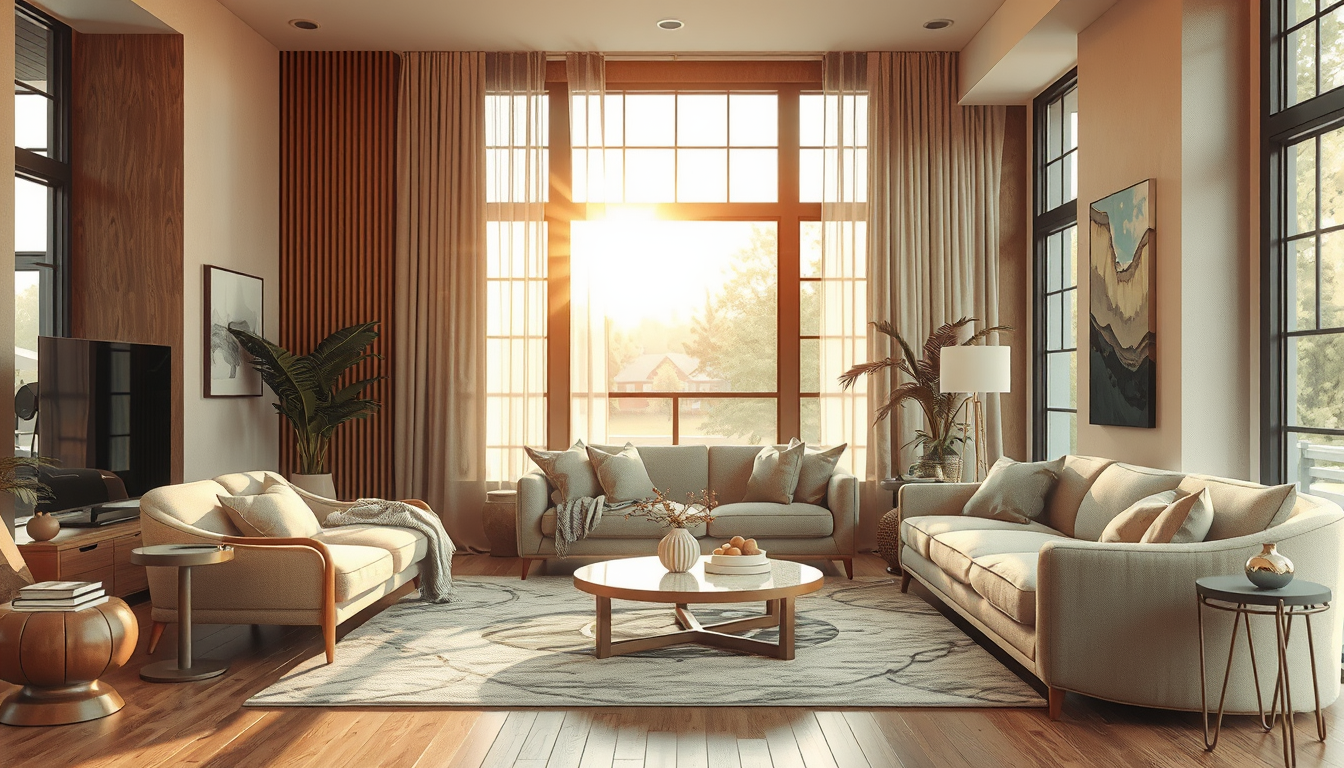
Finding the best furniture stores toronto 2026 has to offer starts with understanding the city’s distinct design neighbourhoods — each one catering to a different style, budget, and space constraint. Toronto’s furniture scene has matured well beyond the big-box default. From the showroom-packed blocks of Castlefield to the artisan-driven storefronts along Ossington, local retailers now rival anything you’d find in New York or London. The difference? Many of these stores actually design for Canadian living — think condo-scaled proportions, Canadian-made frames, and finishes that hold up through four brutal seasons. Here is your neighbourhood-by-neighbourhood guide to shopping smarter this year.
Best Furniture Stores Toronto 2026: The Castlefield Design District
If you’re furnishing a living room or dining room from scratch, Castlefield should be your first stop. This cluster of 40-plus showrooms along Caledonia Road houses everything from mid-century reproductions to full Neo Deco collections — the ornamental, geometric-heavy style that Architectural Digest named the defining trend of 2026 .
Stores like Elte, Kiosk, and Decorium carry brands such as Gubi, Audo (formerly Menu), and Apparatus — the exact names showing up in AD-featured designer projects this year. Expect to find velvet-upholstered dining chairs with brass-tipped legs, fluted sideboards, and sculptural lighting — all pieces that bring drama without overwhelming a Toronto-sized room. Elte’s ground-floor showroom alone spans over 50,000 square feet and rotates seasonal vignettes that double as genuine design education for first-time buyers.
“The smartest furniture investment isn’t the trendiest piece — it’s the one that fits your floor plan and still looks intentional five years from now.”
For more ideas on pulling a room together around a statement piece, browse our living spaces inspiration.
Practical tip: Most Castlefield showrooms are trade-focused but open to the public. Visit on weekdays for the best sales attention and ask about floor-model pricing — markdowns of 20–30 percent are common on outgoing displays.
Queen West and Ossington: Top Artisan and Vintage Furniture Stores
See the Pieces Behind the Trend
Translate trend ideas into real products by starting with lighting, occasional furniture, and layered decor.
Toronto Interior Designer may earn a commission if you shop through these links at no extra cost to you.
Moving south from Castlefield, the stretch from Queen West through to Ossington is where Toronto’s craft-forward furniture scene thrives. This is the neighbourhood for shoppers who value provenance — handmade ceramic table lamps, reclaimed-wood benches, one-off vintage finds from the 1970s Danish golden era.
Mjolk, tucked into the Junction nearby, has earned international press from Wallpaper* and Monocle for its Japanese-Scandinavian curation. Their selection of handcrafted ceramics, turned-wood objects, and limited-run furniture bridges the gap between art and function. Pieces here carry higher price tags, but you’re paying for genuine craftsmanship and editions small enough that your neighbour won’t own the same shelf.
Along Ossington itself, shops like Smash Salvage and various rotating pop-ups cater to the vintage crowd. If you’re after a mid-century credenza or a set of Ercol dining chairs, this corridor delivers — often at prices well below what you’d pay through online vintage marketplaces. Budget roughly $800–$2,500 for a quality teak sideboard here versus $3,000-plus on Chairish or 1stDibs.
At Toronto Interior Designer, we consistently recommend this neighbourhood to clients chasing that layered, collected-over-time look that photographs beautifully and actually feels personal.
Best Furniture Stores Toronto 2026 for Condo-Sized Living
With the average Toronto one-bedroom condo sitting at roughly 550 square feet , furniture that multitasks isn’t optional — it’s survival. Several local stores have built their entire model around this reality.
EQ3 — Winnipeg-founded with multiple Toronto locations — manufactures over 70 percent of its upholstered pieces in Canada and designs specifically for compact layouts. Their modular sofas, nesting tables, and wall-mounted shelving systems are priced in the mid-range and hold up well. The Reverie sofa line, for example, starts at 72 inches wide — roughly a foot shorter than a standard three-seater — without sacrificing seat depth.
CB2 on Queen West caters to the design-aware condo buyer with apartment-scaled sectionals and dining tables that seat four without dominating the room.
Article has a Vancouver showroom and ships quickly to Toronto. Their pieces skew Scandinavian-minimal, which works beautifully in tight spaces where visual weight matters as much as physical dimensions.
If you’re renovating a small kitchen alongside your furniture refresh, our guide to small condo kitchen ideas covers layout tricks that pair perfectly with compact dining furniture.
Canadian-Made Furniture Brands Toronto Designers Recommend in 2026
Beyond the condo-specialist retailers, buying Canadian-made furniture in Toronto shortens lead times, reduces shipping damage, and supports domestic manufacturing. Here are the brands Toronto Interior Designer recommends in 2026:
- EQ3: Mid-range pricing, strong sofa and bed frame selection, Canadian manufacturing for upholstery.
- Avenue Road: Founded in Toronto in 2007, now with showrooms in New York. High-end, artisan-focused — this is where AD-featured designers source locally . Their pieces lean into rich materials and handcrafted detail.
- Bensen: Vancouver-based, available through Toronto retailers. Clean-lined seating and tables designed for modern Canadian interiors.
- Rove Concepts: Canadian-founded, offering well-priced mid-century and contemporary pieces with white-glove delivery to Toronto.
2026 Toronto Furniture Trends: What to Buy and What to Skip
Not every trend deserves a spot in your home. The table below maps this year’s dominant directions to Toronto living and flags how each one hits your budget.
| Trend | Why It Works in Toronto Homes | Budget Impact | Best Room |
|---|---|---|---|
| Neo Deco (fluted details, brass, geometric forms) | Adds visual richness to neutral condo palettes without major renovation | $$–$$$ | Living room, dining room |
| Craft-forward and artisan pieces | Creates a collected, layered look in open-concept layouts | $$$ | Any focal-point area |
| Warm wood tones (walnut, oak) | Counteracts Toronto’s long grey winters; pairs well with warm neutral paint colours | $–$$ | Bedroom, home office |
| Modular and multifunctional furniture | Essential for 500–600 sq ft condos; reconfigures as needs change | $–$$ | Living room, bedroom |
| Curved silhouettes (rounded sofas, arched mirrors) | Softens the hard angles common in new-build Toronto condos | $$–$$$ | Living room, entryway |
Making it timeless: The trick to adopting any 2026 trend without regretting it in 2028 is layering. Invest in structurally simple, neutral-toned large pieces — your sofa, bed frame, dining table — and express trends through accent chairs, lighting, textiles, and art. A fluted brass side table is a $400 commitment you can swap out; a fully Neo Deco sectional is a $4,000 gamble. Toronto Interior Designer’s rule of thumb: if the piece relies entirely on a trend for its appeal, buy it small or buy it vintage.
What to Do Next
The best furniture stores in Toronto aren’t hiding — they’re organized by neighbourhood, waiting for you to walk in with a plan. Skip the endless online scroll, visit the districts that match your style, and build a home that works for the way you actually live in this city.
- Map your route. Pick one neighbourhood — Castlefield for statement pieces, Ossington for artisan finds, or your nearest EQ3 for condo-friendly basics — and spend a full afternoon there.
- Measure everything first. Bring a tape measure and your floor plan. Toronto condos punish oversized furniture with blocked walkways and unusable corners.
- Set a budget split. Allocate 60 percent to anchor pieces (sofa, bed, dining table), 30 percent to accent and storage, and 10 percent to lighting and accessories.
- Mix your sources. Pair one high-quality Canadian-made anchor piece with vintage or budget-friendly accents for a layered, collected look.
- Check lead times. Canadian-made brands like EQ3 often deliver in four to six weeks; imported pieces from European brands can take 12 to 16 weeks. Plan accordingly.
Keep the Trend Livable
Ground any trend with simple, versatile pieces that still work when the room evolves over the next few years.
Toronto Interior Designer may earn a commission if you shop through these links at no extra cost to you.
Sources
- Architectural Digest — https://www.architecturaldigest.com/story/neo-deco-trend-2026
- Urbanation condo market data — https://www.urbanation.ca
- Avenue Road — https://www.avenue-road.com
Frequently Asked Questions
Where are the best furniture stores in Toronto in 2026?
The best furniture stores Toronto 2026 shoppers should visit are concentrated in three key areas: the Castlefield Design District for statement and luxury pieces, the Queen West–Ossington corridor for artisan and vintage finds, and locations like EQ3 and CB2 for condo-scaled essentials.
Which Toronto furniture stores sell Canadian-made pieces?
EQ3 manufactures over 70 percent of its upholstered furniture in Canada, while Avenue Road and Bensen offer high-end Canadian-designed collections available through Toronto showrooms. Rove Concepts also ships Canadian-founded designs with white-glove delivery to Toronto.
What furniture works best for small Toronto condos?
For the average 550-square-foot Toronto condo, look for modular sofas, nesting tables, and wall-mounted shelving from retailers like EQ3, CB2 on Queen West, and Article. Multifunctional furniture that reconfigures as your needs change is essential in compact layouts.