
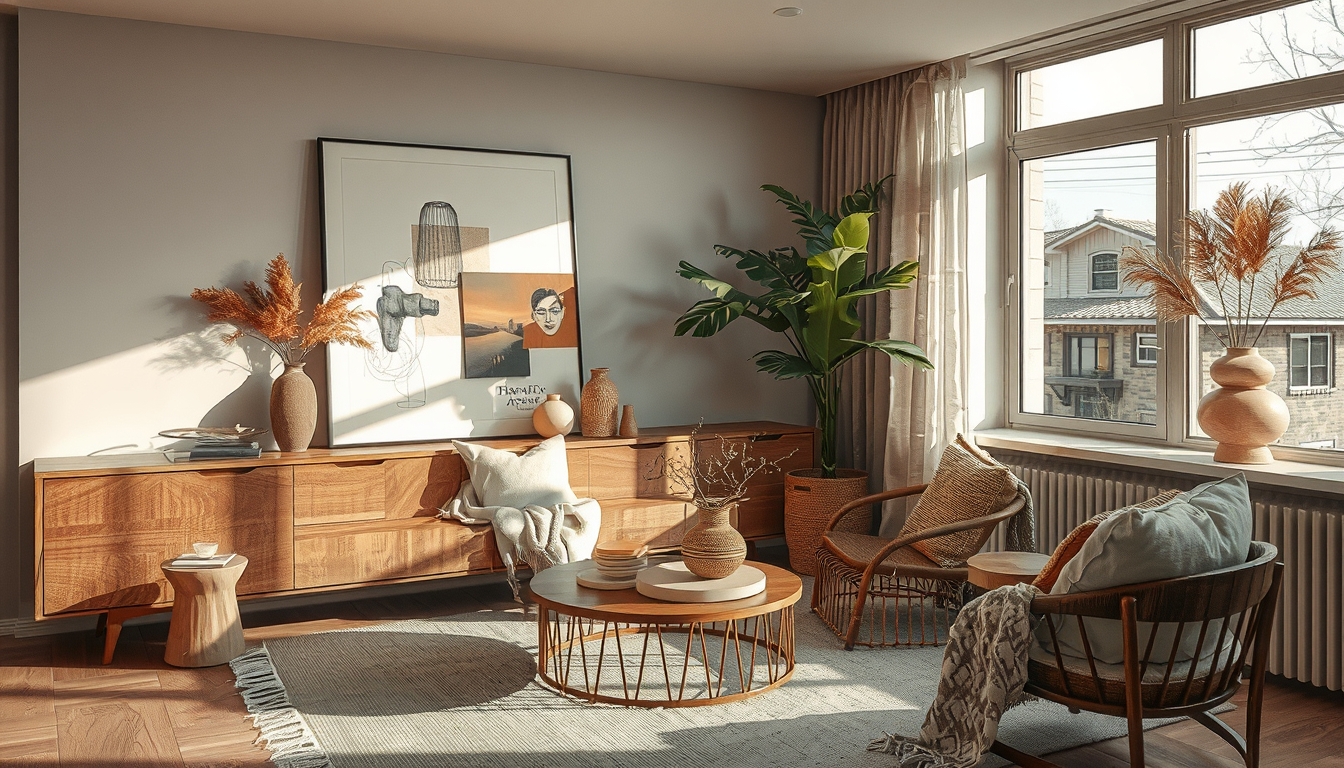
If you’re searching for picture ledge ideas Canada has a unique reason to pay attention: roughly one in three Canadian households rents rather than owns , and countless condo owners face bylaws that restrict drilling into shared walls. That means millions of Canadians need a way to display art, photos, and objects without punching holes they’ll pay to repair later. Picture ledges solve that problem elegantly — they turn a bare wall into a flexible, layered display you can rearrange by season, mood, or impulse, all while keeping your damage deposit intact. Here at Toronto Interior Designer, we consider them one of the most underrated tools in small-space Canadian design.
Why Picture Ledges Are Essential for Canadian Renters and Condo Owners
Ontario’s Residential Tenancies Act allows landlords to deduct repair costs for damage beyond “reasonable wear and tear” . A cluster of nail holes from a traditional gallery wall can cross that line fast — especially in a freshly painted unit. Toronto condo boards add another layer: many declarations in concrete high-rises restrict drilling altogether, since improper anchoring in poured concrete can compromise moisture barriers.
Picture ledges sidestep both problems. Mounted with adhesive strips, French cleats secured to a single stud, or tension-rod systems, they let you display a rotating collection without touching drywall at all — or with minimal, easily patched contact. That’s not a compromise; it’s a design advantage. A ledge display is inherently flexible: swap a print for a plant, lean a new find against the wall, shift the whole arrangement in five minutes. Traditional frames nailed in a grid can’t offer that kind of freedom, and in a 500-square-foot condo where every surface counts, that flexibility is everything.
A picture ledge doesn’t just hold art — it gives you permission to change your mind every weekend without a single trip to the hardware store.
7 Best Picture Ledge Layouts for Canadian Rooms
Find the Finishing Pieces
Accent lighting, ceramics, mirrors, and small furniture often make the biggest difference in builder-grade rooms.
Toronto Interior Designer may earn a commission if you shop through these links at no extra cost to you.
Picture ledges adapt to virtually any wall, but the best results come from matching the layout to the room’s proportions and purpose. Here are seven arrangements we recommend at Toronto Interior Designer, sized for the compact footprints common in Toronto condos and Canadian apartments.
- The Single Statement Ledge. One 115 cm ledge at eye level in an entry hallway. Lean two to three pieces of varying height — a framed print, a small canvas, and a postcard — for an instant “welcome” moment that sets the tone before guests reach the living room.
- The Stacked Duo. Two ledges spaced 40–50 cm apart on a living room wall. Place larger art on the lower ledge and smaller objects on top. This works beautifully above a sofa where you’d normally hang a single oversized piece. For more living-space inspiration, browse our layout guides.
- The Kitchen Spice-and-Art Shelf. A narrow ledge above the backsplash holding a cookbook, a small herb pot, and one piece of art. It keeps the counter clear while adding personality to the room you spend the most time in.
- The Bedroom Headboard Alternative. A single ledge mounted 15 cm above the pillow line replaces a traditional headboard. Layer a long horizontal print with a trailing pothos and a small lamp for a cozy, layered look that pairs perfectly with textured textiles.
- The Home Office Focus Wall. A ledge above the monitor holding inspiration prints, a small clock, and a framed goal list. It keeps the desk clutter-free and the motivation visible — a principle we explore further in our gender-neutral home office guide.
- The Kids’ Room Rotation. Two low ledges at child height so little ones can swap their own artwork and books. Encourages independence, keeps fragile frames out of tiny hands, and makes cleanup part of the fun.
- The Bathroom Ledge. A sealed or painted wood ledge above the toilet holding a small plant, a candle, and one print in a humidity-resistant frame. Instant spa energy in the smallest room of the house.
Top Picture Ledges Available in Canada (2026 Comparison)
Not every ledge is built the same, and shipping costs can vary widely across the country. Here’s a comparison of the most accessible options for Canadian buyers, from budget to investment-grade.
| Product | Material | Length | Approx. Price (CAD) | Best For |
|---|---|---|---|---|
| IKEA MOSSLANDA | Painted particleboard | 55 cm / 115 cm | $12.99–$17.99 | Budget-friendly starter setups |
| Structube NOTO | Solid oak veneer | 60 cm / 90 cm | $29–$45 | Mid-range, warm-toned interiors |
| EQ3 Float Shelf (slim) | Walnut or white oak | 91 cm | $89–$120 | Design-forward living rooms |
| Canadian Tire Canvas floating ledge | MDF with laminate | 60 cm | $19.99 | Quick, affordable bathroom or hallway use |
| Etsy Canada handmade (various makers) | Reclaimed barn wood | Custom | $50–$150+ | One-of-a-kind, rustic or eclectic spaces |
IKEA’s MOSSLANDA remains the go-to entry point — it’s light enough for adhesive mounting and available at every Canadian location. For a warmer, more substantial look, Structube and EQ3 offer solid-wood options that ship nationwide. If you want something truly unique, Etsy Canada sellers craft ledges from reclaimed Ontario barn wood that double as conversation starters.
How to Install a Picture Ledge Without Nails: Step-by-Step
The whole point is avoiding wall damage, so your mounting method matters as much as the ledge itself. Follow this checklist for a secure, damage-free install.
- Weigh your loaded ledge. Place the ledge on a kitchen scale with everything you plan to display. This total is your target hold weight.
- Choose your mounting method. 3M Command strips rated for up to 7.2 kg per set work for most MOSSLANDA-weight ledges with two to four framed prints . For heavier solid-wood ledges, use adhesive-backed French cleats or a rail system.
- Clean the wall surface. Wipe with isopropyl alcohol and let it dry for 60 seconds. Adhesive bonds fail on dusty or oily surfaces — skip this step and you’ll find your ledge on the floor by morning.
- Mark your line with painter’s tape. Use a level and tape a horizontal guide. This avoids pencil marks and gives you a visual preview before committing.
- Apply strips and wait. Press each strip firmly for 30 seconds, then wait one full hour before hanging the ledge. Rushing this step is the number-one cause of adhesive failure.
- Load gradually. Start with the heaviest item centred on the ledge, then add lighter pieces outward. Check after 24 hours — if nothing has shifted, the bond is solid.
For renters: when you move out, pull Command strips straight down along the wall (never outward) for a clean release with zero paint damage.
Styling Your Picture Ledge Like a Toronto Designer
The difference between a ledge that looks intentional and one that looks like a shelf of clutter comes down to three rules.
Vary height. Mix tall frames, short postcards, and three-dimensional objects like a ceramic vase or a small plant. The eye needs peaks and valleys to stay engaged, so aim for at least three distinct height levels across the ledge.
Limit your palette. Pick two to three frame colours — black, natural wood, and white is a classic Toronto-condo combination — and stick with them. The art inside the frames can be as eclectic as you like; the consistent framing ties everything together.
Layer, don’t line up. Overlap frames slightly so the arrangement feels curated, not rigid. This “anti-polished” approach is one of the strongest decor trends heading through 2026: casual layering that looks collected over time, not purchased in a single trip.
What to Do Next
- Measure your wall. Identify one wall in your home where a ledge could replace a blank space or a cluttered shelf.
- Pick your price point. Start with IKEA MOSSLANDA if you want to experiment, or invest in a solid-wood option from Structube or EQ3 for a permanent-feeling piece.
- Gather your display. Pull together five to seven items of varying height — prints, a plant, a small object — before you mount anything.
- Test the layout on the floor. Arrange items in a row on the ground to preview proportions before committing to the wall.
- Mount, load, and live with it for a week. Rearrange freely — that’s the entire point.
Picture ledge ideas Canada homeowners and renters can actually execute don’t require a renovation budget or a landlord’s permission. They require a level, a pack of adhesive strips, and a willingness to treat your walls as a living, changing gallery. That’s design that works with Canadian life — compact spaces, strict leases, long winters spent staring at your walls — instead of against it. Toronto Interior Designer will keep covering the display solutions that make the most of every square foot.
Source Warm, Livable Staples
Natural textures and simple silhouettes are easier to layer when you start with timeless foundational pieces.
Toronto Interior Designer may earn a commission if you shop through these links at no extra cost to you.
Sources
- Statistics Canada, 2021 Census — https://www12.statcan.gc.ca/census-recensement/2021/dp-pd/prof/index.cfm
- Ontario RTA, Section 89 — https://www.ontario.ca/laws/statute/06r17
- 3M Command product specifications — https://www.command.com/3M/en_CA/
Frequently Asked Questions
How do you hang a picture ledge without nails in a Canadian rental?
Use 3M Command strips rated for your loaded weight, clean the wall with isopropyl alcohol first, and wait one full hour before placing items on the ledge. When moving out, pull strips straight down along the wall for zero paint damage.
What is the best picture ledge to buy in Canada?
IKEA MOSSLANDA is the most popular budget option available at every Canadian location starting at $12.99 CAD. For a higher-end look, Structube NOTO and EQ3 Float Shelf offer solid-wood options that ship nationwide.
Are picture ledges allowed in Toronto condos?
Yes. Many Toronto condo declarations restrict drilling into concrete walls, but adhesive-mounted picture ledges avoid this issue entirely. They require no holes, making them compliant with most condo bylaws and rental agreements under Ontario’s Residential Tenancies Act.