
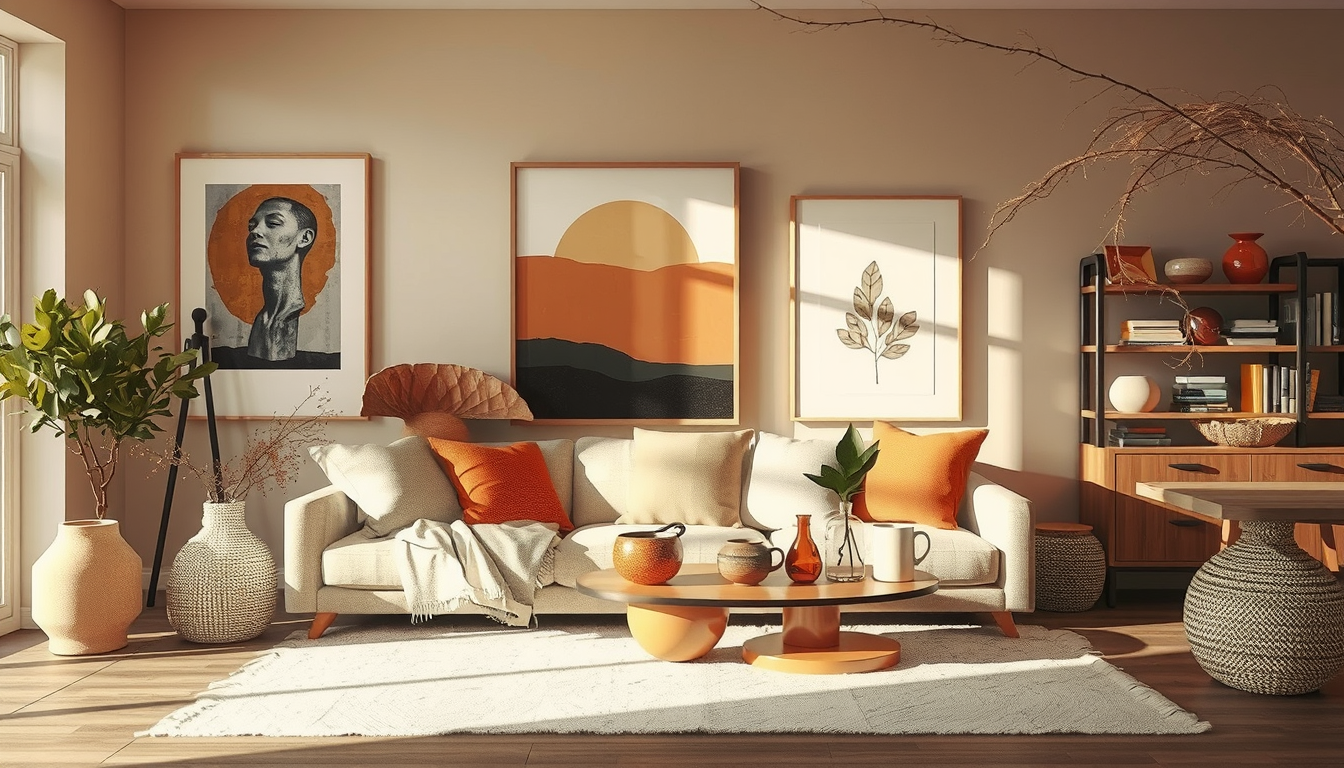
If you’ve been searching for terracotta decor ideas Canada designers are actually using right now, the answer is everywhere — from kitchen backsplashes in Toronto condos to handmade vases on Halifax mantels. Terracotta, literally “baked earth” in Italian, has surged back into Canadian interiors because it solves a problem cool greys never could: making a home feel genuinely warm when it’s minus twenty outside. This isn’t a passing fad. The material sits at the intersection of three forces shaping 2026 design — craft-forward textures, warm saturated colour palettes replacing cool neutrals, and a growing demand for non-toxic natural materials . Here at Toronto Interior Designer, we’ve watched terracotta move from accent to anchor in project after project this year.
Why Terracotta Decor Ideas Are Dominating Canadian Homes in 2026
The shift toward earthy warmth has been building for years. Benjamin Moore’s 2025 Colour of the Year, Cinnamon Slate, pushed terracotta-adjacent hues into mainstream Canadian retail, and Sherwin-Williams followed with warm-tone-forward palettes that made burnt sienna and clay feel accessible rather than rustic . Google Trends data confirms that searches for “terracotta decor” in Canada have climbed steadily since 2023, peaking each fall and early winter — exactly when Canadians crave warmth most.
There’s a practical reason beyond aesthetics. Research in colour psychology suggests warm tones like terracotta can increase perceived room temperature by several degrees, which matters when you’re staring down six months of grey skies. Pair that with the biophilic design movement — bringing natural materials indoors to improve wellbeing — and terracotta becomes more than a look. It’s a strategy.
Terracotta is also a genuinely sustainable choice. Clay-based and fully recyclable, it requires lower firing temperatures than porcelain, which means fewer carbon emissions in production. For homeowners trying to make greener choices without sacrificing style, that matters.
Room-by-Room Terracotta Decor Ideas Canada Designers Love
Find the Finishing Pieces
Accent lighting, ceramics, mirrors, and small furniture often make the biggest difference in builder-grade rooms.
Toronto Interior Designer may earn a commission if you shop through these links at no extra cost to you.
The beauty of terracotta is its range. A single material works across every room in your home — the difference is how you dose it. Here’s what we recommend at Toronto Interior Designer based on budget, impact, and how each space is actually used through Canadian seasons.
| Element | Recommendation | Budget Range (CAD) | Works Best In |
|---|---|---|---|
| Terracotta floor tile (natural matte) | 12×12 or hexagonal format; seal for kitchens and baths | $8–$18 per sq ft installed | Entryways, kitchens, bathrooms |
| Handmade terracotta vases | Group in odd numbers on shelves or mantels | $40–$250 each | Living rooms, bedrooms, hallways |
| Terracotta paint accent wall | Benjamin Moore Cinnamon Slate or similar clay tone | $150–$400 per room (DIY) | Bedrooms, dining rooms, home offices |
| Terracotta linen textiles | Cushion covers, throws, and table runners | $30–$120 per piece | Any room, swap seasonally |
| Clay pendant light fixture | Handmade or artisan-style dome pendant | $200–$800 | Dining rooms, kitchen islands |
| Terracotta planters (indoor) | Unglazed for herbs; glazed for statement plants | $15–$90 each | Kitchens, living rooms, bathrooms |
Start small if you’re unsure. A pair of terracotta cushions and a single handmade vase will shift the warmth of a room without committing to tile or paint. Once you see how the colour plays with your existing furniture, you can layer in bolder moves like an accent wall or clay pendants.
How to Style Terracotta Decor for Canada’s Four Seasons
One of terracotta’s biggest advantages in Canadian homes is its adaptability across our dramatic seasonal swings. The same pieces look completely different depending on what you pair them with — and that versatility makes terracotta one of the best investments per dollar in Canadian decorating.
- Winter (November–March): Layer terracotta with heavy cream wool throws, deep forest greens, and warm brass accents. Unglazed terracotta vases filled with dried eucalyptus or wheat stalks add texture without needing fresh flowers. This is terracotta at its most powerful — counteracting the cold light that floods north-facing Canadian windows.
- Spring (April–May): Lighten the palette. Swap heavy textiles for linen in soft white or sage. Terracotta planters with fresh herbs or forced bulbs bring the season indoors while the ground outside is still thawing.
- Summer (June–August): Move terracotta outdoors. Unglazed pots on a balcony or patio connect indoor and outdoor living. Inside, pair terracotta with crisp cotton and natural jute to keep things airy.
- Fall (September–October): This is terracotta’s peak season. Add burnt orange and ochre accents alongside your terracotta pieces. A single terracotta bowl filled with foraged branches or pinecones becomes a zero-cost centrepiece.
- Year-round foundation: Keep your largest terracotta investments — tile, paint, or light fixtures — as permanent anchors. Rotate smaller textiles and accessories to match the season.
Terracotta is the one material that looks better in a Canadian winter than a catalogue shoot. Grey light from a snow-covered street makes the warmth of raw clay almost glow — you can’t get that effect with beige.
Canadian-Made Terracotta: Best Local Artisans and Shops
You don’t need to import terracotta from Tuscany. Ontario and Quebec are home to a growing community of ceramic artists producing handmade terracotta pieces that carry real provenance. Prince Edward County and the Haliburton Highlands both have active pottery studios producing everything from dinnerware to large-format planters. Shopping local means lower shipping emissions, shorter lead times, and pieces with the slight irregularity that makes handmade work feel alive.
For tighter budgets, Canadian retailers like EQ3, Bouclair, and select HomeSense locations carry machine-made terracotta accessories that still deliver the colour and texture at accessible price points. Toronto’s Stackt Market and the Distillery District also host seasonal makers’ markets where you can buy directly from ceramicists.
A sourcing tip from our team: When buying unglazed terracotta for kitchens or bathrooms, always ask about sealing. Raw clay is porous and will stain without a food-safe sealant — a five-minute step that saves years of frustration.
Pairing Terracotta Decor With Popular Canadian Design Styles
Terracotta isn’t limited to one aesthetic. Here’s how it works across the styles we see most often in Canadian homes:
- Modern minimal: One oversized terracotta vessel on a white oak console. Let negative space do the work. The contrast between raw clay and clean lines is striking.
- West Coast organic: Terracotta tile floors paired with live-edge wood, linen, and matte black hardware. This palette feels at home in both Vancouver lofts and Ontario cottages.
- Scandi-Canadian: Terracotta as an accent against warm whites and pale birch. Think one terracotta accent wall in a bedroom with otherwise neutral bedding — a move that adds warmth without bulk, especially useful in smaller Toronto condos.
- Farmhouse modern: Terracotta is a natural here. Open shelving with terracotta crocks, a clay backsplash behind an apron-front sink, and vintage-inspired lighting all lean into the handmade ethos without tipping into cliché.
What to Do Next
Terracotta decor ideas Canada homeowners can act on don’t require a renovation — they start with a single intentional piece and build from there. Whether you’re refreshing a condo living room or planning a full kitchen reno, this is one of the most forgiving and rewarding materials to work with.
- Pick one room to introduce terracotta and choose your entry point: paint, textiles, or a single handmade object.
- Shop local first. Check Ontario pottery studios, makers’ markets, or Canadian retailers before ordering imports.
- Layer seasonally. Buy your anchor pieces (tile, paint, fixtures) once, then rotate textiles and accessories four times a year.
- Test before committing. Order paint samples and live with them for a full week — terracotta reads differently under morning light versus evening lamplight.
- Seal any unglazed terracotta used near water or food prep areas.
- Browse more room-specific ideas on Toronto Interior Designer to see how terracotta fits into living spaces, kitchens, bedrooms, and beyond.
Source Warm, Livable Staples
Natural textures and simple silhouettes are easier to layer when you start with timeless foundational pieces.
Toronto Interior Designer may earn a commission if you shop through these links at no extra cost to you.
Sources
- Architectural Digest trend coverage — https://www.architecturaldigest.com/
- Benjamin Moore — https://www.benjaminmoore.com/
Frequently Asked Questions
Where can I buy terracotta decor in Canada?
Canadian retailers like EQ3, Bouclair, and HomeSense carry affordable terracotta accessories. For handmade pieces, visit pottery studios in Prince Edward County or the Haliburton Highlands, or shop makers’ markets at Toronto’s Stackt Market and the Distillery District.
How do I seal terracotta for kitchen or bathroom use?
Apply a food-safe sealant to any unglazed terracotta used near water or food prep areas. This five-minute step prevents staining and extends the life of porous clay surfaces in high-moisture rooms.
What colours pair best with terracotta in Canadian homes?
Terracotta pairs beautifully with cream, forest green, warm brass, sage, and soft white. In winter, layer it with deep greens and wool textures. In summer, pair it with crisp cotton and natural jute for an airy feel.