
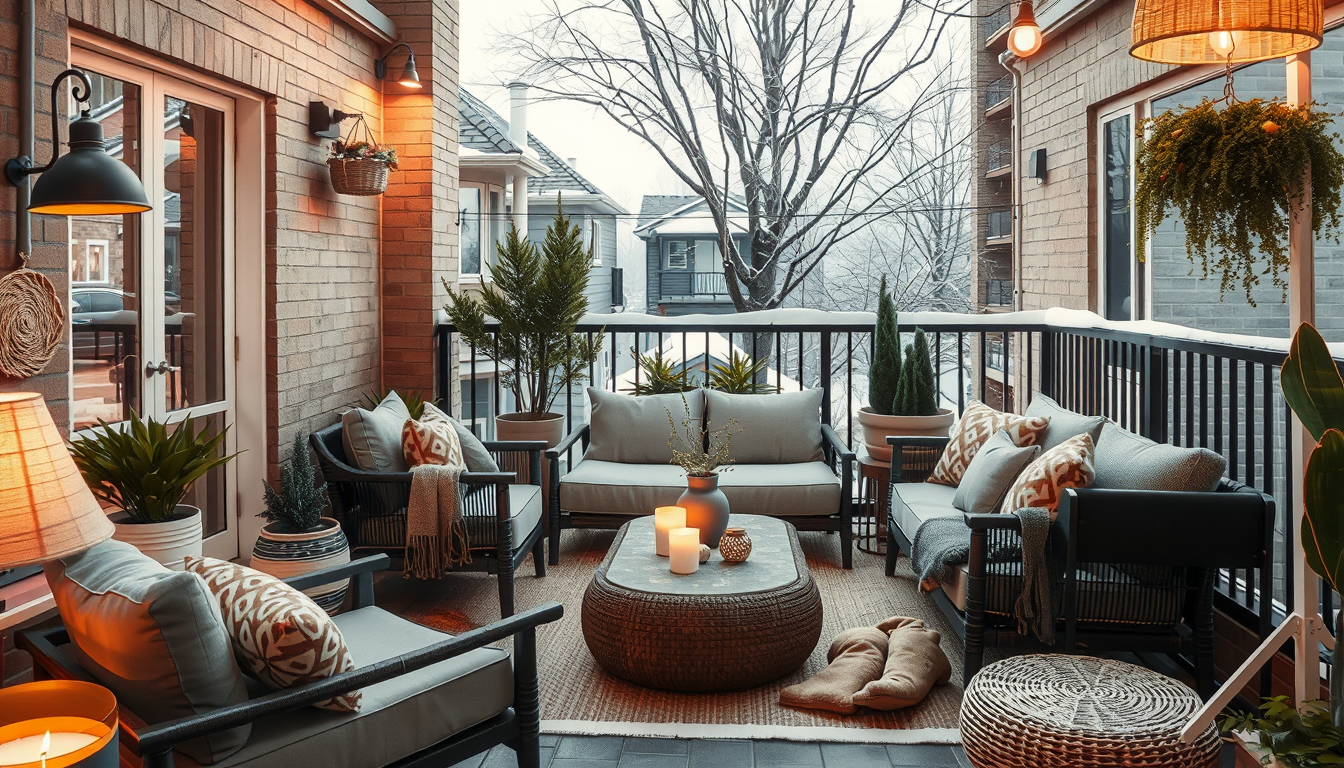
Finding the best outdoor furniture Toronto weather can’t destroy is the single most practical design decision you’ll make this spring. Toronto puts patio sets through a punishing gauntlet that most North American cities never approach: our annual temperature swing spans roughly 55°C, from –25°C January lows to 30°C-plus August humidity. That’s not a climate — it’s a stress test. Add 40 to 60 freeze-thaw cycles per winter, lake-effect moisture, and road-salt drift that creeps into every backyard south of Bloor, and you start to understand why that “weather-resistant” set from a big-box store cracked after two seasons. At Toronto Interior Designer, we’ve learned that choosing outdoor furniture here isn’t about style versus durability — it’s about finding materials engineered for both.
Why Most Outdoor Furniture Fails in Toronto Weather
The core problem is freeze-thaw cycling. Water seeps into porous materials — untreated wood grain, low-density wicker weave, hollow steel tubing — then expands as it freezes overnight and contracts when the afternoon sun hits. Repeat that 40 to 60 times between November and March , and micro-cracks become structural failures. Rust accelerates the damage on any ferrous metal, especially when municipal road salt drifts onto balconies and patios within a few blocks of major roads.
The second killer is UV degradation during our surprisingly intense summers. Toronto logs more annual sunshine hours than London or Seattle, and that sustained UV exposure fades dyed fabrics, breaks down resin binders in cheap wicker, and dries out untreated wood until it splinters. Between freeze-thaw below and UV above, Toronto outdoor furniture faces a two-front assault that most products simply aren’t built to withstand.
The takeaway: if a material can’t handle both extremes in the same year, it doesn’t belong on a Toronto patio.
5 Best Outdoor Furniture Materials Ranked for Toronto’s Freeze-Thaw Cycle
Shop Balcony and Patio Pieces That Fit
Toronto outdoor spaces are often tight, so look for stackable seating, slim tables, and weather-ready textiles first.
Toronto Interior Designer may earn a commission if you shop through these links at no extra cost to you.
Not all “outdoor-rated” materials perform equally in our climate. Here’s how the top five stack up against Toronto-specific conditions:
| Material | Freeze-Thaw Resistance | UV / Humidity Resistance | Maintenance Level | Lifespan (Toronto) | Budget Range (CAD) |
|---|---|---|---|---|---|
| Marine-grade HDPE lumber | Excellent — non-porous, no water absorption | Excellent — UV-stabilized, won’t fade | Near zero — hose off annually | 20+ years | $800–$3,000 per set |
| Powder-coated aluminum | Excellent — no rust, minimal thermal expansion | Very good — resists salt and humidity | Low — occasional touch-up paint | 15–20 years | $1,200–$4,500 per set |
| Grade-A teak | Very good — dense grain resists water penetration | Good — silvers gracefully, structurally sound | Low-medium — oil annually or let patina | 15–25 years | $2,000–$7,000 per set |
| All-weather resin wicker (on aluminum frame) | Good — if frame is aluminum, not steel | Good — varies by UV stabilizer quality | Low — wipe down seasonally | 8–12 years | $600–$2,500 per set |
| Wrought iron | Fair — prone to rust at joints and welds | Fair — needs annual sealing in Toronto humidity | High — sand and repaint every 1–2 years | 10–15 years with upkeep | $1,000–$5,000 per set |
The clear winners for Toronto are HDPE lumber and powder-coated aluminum. HDPE is manufactured from recycled plastic engineered to be completely non-porous — water literally cannot penetrate it. C.R. Plastic Products, based in Stratford, Ontario, builds specifically for Canadian winters and backs their pieces with 20-plus-year warranties against cracking, peeling, and fading. Powder-coated aluminum outperforms wrought iron because it resists both salt corrosion and thermal expansion cracking — two forces that destroy iron furniture at joints and welds within a few seasons.
“Grade-A teak is the one natural material that earns its place on a Toronto patio. It silvers beautifully and stays structurally sound through winter without a cover — but stick to Grade A. Lower grades can crack within two to three seasons if left exposed.”
If you’re weighing material choices for other parts of your home, the same climate-first logic applies indoors — our guide to small Toronto condo living room ideas covers how to pick finishes that handle humidity swings from winter heating.
Designer-Approved Outdoor Furniture Picks for Every Toronto Budget
With materials sorted, here’s where Toronto Interior Designer narrows the field to specific recommendations that balance aesthetics and survival:
- Under $1,000 — C.R. Plastic Products Adirondack set (HDPE). Made in Ontario, zero maintenance, available in 20-plus colours. The recycled material won’t splinter, crack, or fade. Best for small patios and balconies.
- $1,000–$2,500 — Castlery Sorrento aluminum dining set. Clean modern lines, powder-coated frame, removable Sunbrella cushions. Ships to Toronto and sits well on a standard 8×10 condo terrace.
- $2,500–$4,500 — Gloster Kay collection (powder-coated aluminum with woven rope). Scandinavian-inspired design built for commercial-grade durability. The rope detailing softens the industrial aluminium without compromising weather resistance.
- $4,500–$7,000 — Kingsley Bate Algarve teak dining set. Grade-A plantation teak, mortise-and-tenon joinery, and a silhouette that looks as good silvered as it does oiled. A genuine heirloom set for covered or uncovered patios.
- Balcony-specific pick — Article Telo outdoor lounge chair (steel frame with weather-resistant cord). Compact footprint for tight condo balconies, ships from Vancouver, and the low profile keeps it sheltered from wind. Bring cushions inside over winter.
For indoor-outdoor flow, consider how your patio palette connects to your kitchen or dining room — our kitchen renovation ideas guide covers sightline continuity between cooking and entertaining spaces.
Toronto Seasonal Care Guide: Store, Cover, or Leave Out
The right material reduces maintenance, but a few seasonal habits extend any set’s life significantly:
- November (first hard frost): Bring all cushions and fabric accessories inside. Store in a dry basement or closet — not a garage, which often has temperature swings nearly as extreme as outdoors.
- December–March: HDPE and teak can stay out uncovered. Aluminum should stay out but benefits from a breathable cover to prevent ice pooling at joints. Wrought iron must be covered or stored.
- April (after final frost): Hose down all frames. Check aluminum joints for any powder-coat chips and touch up with manufacturer-matched paint. Oil teak if you prefer the warm honey tone over silver patina.
- May–September: Clean fabric cushions monthly with mild soap. Reposition sets to avoid prolonged direct sun on one side — this prevents uneven fading on wicker and rope details.
- October: Apply a UV-protective spray to any resin wicker. Tighten all hardware — thermal cycling loosens bolts over summer.
Where to Buy the Best Outdoor Furniture in the GTA
Skip the seasonal pop-up tent sales. These GTA retailers specialize in materials proven for our climate:
- Decorium (Castlefield Design District) — curated teak and aluminum collections, designer trade pricing available.
- DERA Design (Scarborough) — one of the largest outdoor furniture showrooms in Ontario, strong on Gloster and Kingsley Bate.
- C.R. Plastic Products (direct or via local dealers) — Ontario-made HDPE, order online or visit Stratford.
- CB2 / Crate & Barrel (Yorkdale, Square One) — accessible powder-coated aluminum options with Sunbrella fabrics.
- InsideOut Patio (Mississauga) — family-run, heavy on weather-tested Canadian brands.
Browse our outdoor category for more seasonal updates on patio design and care.
What to Do Next
Choosing the best outdoor furniture for Toronto’s climate is a material decision first and a style decision second. Start with the climate, then design around it.
- Audit what you own: check all joints, welds, and wood grain for micro-cracks before this season starts.
- Set your budget tier: use the table above to match material to price range before you visit a showroom.
- Pick one hero material: HDPE for zero maintenance, teak for warmth, aluminum for modern versatility.
- Visit at least one GTA specialist: sit in the furniture, inspect weld quality, and ask about Toronto-specific warranties.
- Calendar your seasonal care: set phone reminders for the five-step annual maintenance cycle above.
Toronto’s climate is brutal on outdoor furniture, but it’s also a useful filter. If a material survives here, it survives anywhere — and your patio becomes a genuine extension of your home, not a disposable seasonal experiment.
Layer the Outdoor Room
Lighting, planters, and textiles can stretch a short summer season and make even a small balcony feel intentional.
Toronto Interior Designer may earn a commission if you shop through these links at no extra cost to you.
Sources
- Environment Canada climate normals — https://climate.weather.gc.ca/climate_normals/
Frequently Asked Questions
What outdoor furniture material lasts longest in Toronto weather?
Marine-grade HDPE lumber lasts 20+ years in Toronto’s freeze-thaw climate with near-zero maintenance. It’s completely non-porous, so water cannot penetrate and cause cracking. Powder-coated aluminum is a close second at 15–20 years, resisting both salt corrosion and thermal expansion.
Can you leave outdoor furniture outside during a Toronto winter?
HDPE and Grade-A teak can stay outside uncovered all winter. Powder-coated aluminum benefits from a breathable cover to prevent ice pooling at joints. Wrought iron and resin wicker should be covered or stored indoors to prevent rust and cracking from 40–60 annual freeze-thaw cycles.
Where can I buy weather-tested outdoor furniture in the GTA?
Top GTA retailers include Decorium in the Castlefield Design District for teak and aluminum, DERA Design in Scarborough for Gloster and Kingsley Bate, and InsideOut Patio in Mississauga for Canadian brands. C.R. Plastic Products sells Ontario-made HDPE directly or through local dealers.