
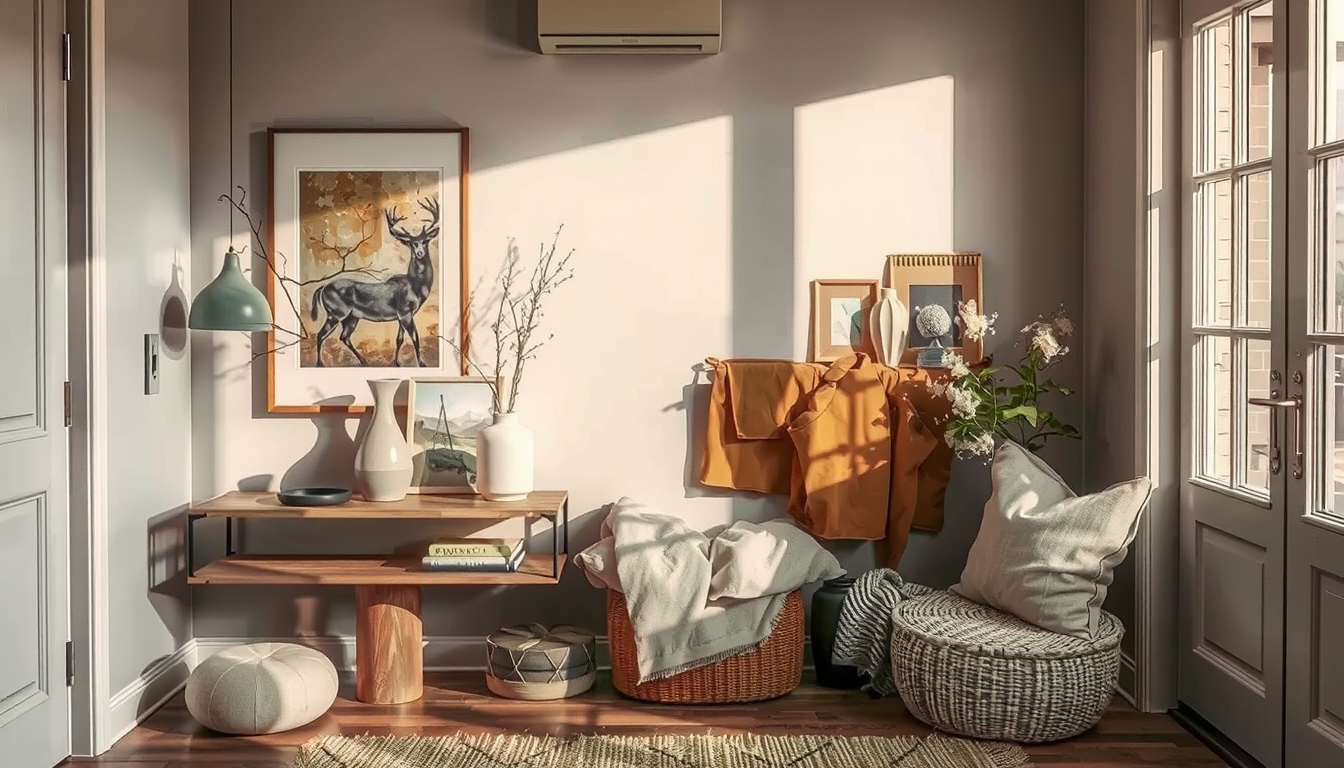
If you have searched for entryway storage ideas toronto residents swear by, you already know the generic advice falls short. Most design publications assume your biggest entryway challenge is tossing a light jacket on a hook. In Toronto, the reality involves salt-crusted boots dripping onto hardwood, three parkas per person, a rotation of toques and mitts, and an umbrella collection that rivals a small shop. Your entryway has to manage all of it — from November slush through April rain — without looking like a sporting-goods locker. This guide delivers storage solutions designed for Toronto housing types, Canadian weather, and real budgets.
Why Toronto Entryways Demand Harder-Working Storage
Toronto receives an average of 105 cm of snow per year, which means wet outerwear and footwear are a daily storage problem for roughly five months . Add the road salt the city spreads liberally — over 100,000 tonnes across municipal roads each winter — and any entryway surface that is not moisture-resistant will deteriorate fast. Calcium chloride and sodium chloride leave white residue that eats into grout, warps unsealed hardwood, and stains leather within weeks.
The housing stock compounds the challenge. Over 45 percent of Toronto homes were built before 1960, an era when Victorian semis, wartime bungalows, and early postwar houses rarely included dedicated mudrooms or entryway closets . You are often working with a narrow hallway, a small landing, or — in many condos — a foyer that barely qualifies as a room.
“The best Toronto entryways treat winter gear as a design input, not an afterthought. When you plan around parkas and boots from the start, the whole space looks intentional.”
That constraint is actually an opportunity. When you design storage around specific seasonal demands, you end up with a system that feels purposeful rather than cluttered. The key is matching the solution to the home you actually live in.
Best Entryway Storage Ideas for Toronto Victorian Semis
Find the Finishing Pieces
Accent lighting, ceramics, mirrors, and small furniture often make the biggest difference in builder-grade rooms.
Toronto Interior Designer may earn a commission if you shop through these links at no extra cost to you.
Victorian semis are the signature Toronto home — and the most challenging for entry storage. The typical layout drops you into a narrow hallway, roughly 90–100 cm wide, with a staircase immediately to one side. There is no room for a freestanding console or bulky coat tree, and the original baseboards and mouldings limit what you can mount flush to the wall.
The solution is vertical, wall-mounted storage that keeps the floor clear:
| Element | Recommendation | Budget Range (CAD) | Works Best In |
|---|---|---|---|
| Wall-mounted coat rail | Stacked double rail (high for coats, low for kids) | $80–$200 | Narrow hallways under 100 cm wide |
| Floating shoe shelf | Tilted wall shelf, 15 cm deep, holds 3–4 pairs | $60–$150 | Tight landings near the front door |
| Slim built-in bench | Custom bench with lift-top boot storage, 30 cm deep | $1,500–$3,500 | Hallways with at least 110 cm width |
| Overhead cubby shelf | Open shelf above the coat rail for hats and bags | $100–$250 | Any hallway with 8-ft+ ceilings |
| Drip tray or boot mat | Heavy-duty rubber tray with raised edges | $30–$80 | Every Toronto entryway, no exceptions |
A drip tray sounds basic, but it is the single most important item on this list. Without one, snowmelt and salt will damage hardwood within a single season — and refinishing Toronto hardwood floors currently runs $3 to $5 per square foot. Toronto designers increasingly specify porcelain tile or luxury vinyl plank in entryway zones specifically to handle this moisture load, a practical swap that national design magazines almost never mention.
If you are renovating a semi, consider the same vertical-storage mindset that works in small bedroom storage for Toronto condos. The principles translate directly: use the walls, go vertical, and make every centimetre count.
Condo Foyer Storage Solutions: Maximize Under 30 Square Feet
Moving from semis to high-rises, the constraints shift from narrow hallways to sheer lack of square footage. The average Toronto condo foyer measures roughly 25 to 35 square feet — barely enough for two people to remove their shoes at the same time . Yet this space needs to handle coats, boots, bags, keys, mail, and a dog leash.
Here is a five-step system that works in nearly any condo foyer:
- Install a slim wall-mounted cabinet (12–14 inches deep) with doors to hide coats and bags. IKEA’s PLATSA or EKET lines can be configured for under $600.
- Add a pull-out shoe drawer beneath the cabinet or use a wall-mounted tilted rack that angles footwear to save floor space.
- Mount a magnetic strip inside the cabinet door for keys, sunglasses, and small metal items — a simple hack that clears counter clutter instantly.
- Place a narrow floating shelf at waist height for mail, wallet, and phone. This becomes your daily landing strip.
- Use a washable runner in a dark pattern to catch salt and dirt without showing every mark. Swap it out each spring.
Custom built-in entryway cabinetry in Toronto typically costs $3,000 to $8,000 installed, while well-planned IKEA-hack alternatives run $400 to $1,200 . For most condo owners, the IKEA route delivers 80 percent of the function at a fraction of the price. Toronto Interior Designer regularly recommends this approach for condos where a full renovation is not in the budget.
Mudroom Storage Systems Built for Canadian Winters
If you have a side entrance, a back porch, or a garage entry, you have the space to go beyond wall-mounted workarounds and build a proper mudroom-style setup — one that genuinely transforms how your household handles winter.
The essentials for a Toronto-ready mudroom start from the ground up: a waterproof floor surface (porcelain tile with a matte, slip-resistant finish is ideal), a built-in bench with closed storage below for boots, upper hooks rated for heavy coats, and at least one open cubby per household member. A heated floor mat near the door is a worthwhile upgrade — it dries boots overnight and costs roughly $150 to $300 for a small zone, paying for itself in saved boot leather by the second season.
Pair your mudroom planning with ideas from our guide to warm living room layers for Canadian winters. The transition from a cold, functional entryway into a warm living space is one of the most satisfying design sequences you can create in a Canadian home, and the material choices in each room should feel connected rather than jarring.
Toronto Interior Designer recommends treating the mudroom as a true room with its own material palette, not just a dumping ground. Choose a durable wall paint in a colour you actually like, add a pendant light, and include a mirror. When the space looks good, your household will keep it organized.
What to Do Next
Finding entryway storage that actually works means starting with your specific home type and your specific climate demands — not copying a California-lifestyle mood board. Whether you live in a Victorian semi, a downtown condo, or a postwar bungalow, the formula is the same: waterproof the floor, go vertical with storage, and give every item a designated spot.
For more project guides and practical advice, browse our renovation tips library at Toronto Interior Designer.
Your action checklist:
- Measure your entryway width, depth, and ceiling height before buying anything
- Install a rubber drip tray or boot mat immediately if you do not already have one
- Decide between custom built-ins ($3,000–$8,000) or an IKEA-hack system ($400–$1,200) based on your budget
- Switch entryway flooring to porcelain tile or LVP if you are still walking on unprotected hardwood
- Add a wall-mounted rail system for coats before the next winter season
- Book a consultation with a local designer if your layout needs a custom solution
Source Warm, Livable Staples
Natural textures and simple silhouettes are easier to layer when you start with timeless foundational pieces.
Toronto Interior Designer may earn a commission if you shop through these links at no extra cost to you.
Sources
- Environment Canada climate normals — https://climate.weather.gc.ca
- City of Toronto Open Data — https://open.toronto.ca
- Toronto Regional Real Estate Board listing data — https://trreb.ca
- Houzz Canada cost guides — https://www.houzz.com/magazine/cost-guides
Frequently Asked Questions
What is the best entryway flooring for Toronto winters?
Porcelain tile with a matte finish or luxury vinyl plank are the best entryway flooring options for Toronto homes. Both resist moisture from snowmelt and road salt, unlike unprotected hardwood which can deteriorate within a single season.
How much does custom entryway storage cost in Toronto?
Custom built-in entryway cabinetry in Toronto typically costs $3,000 to $8,000 installed. Budget-friendly IKEA-hack alternatives run $400 to $1,200 and deliver about 80 percent of the function at a fraction of the price.
How do you add entryway storage to a narrow Toronto Victorian semi?
Use vertical, wall-mounted storage to keep the floor clear. Install a stacked double coat rail, floating shoe shelves at 15 cm deep, and overhead cubby shelves. A slim built-in bench with lift-top boot storage works in hallways at least 110 cm wide.