
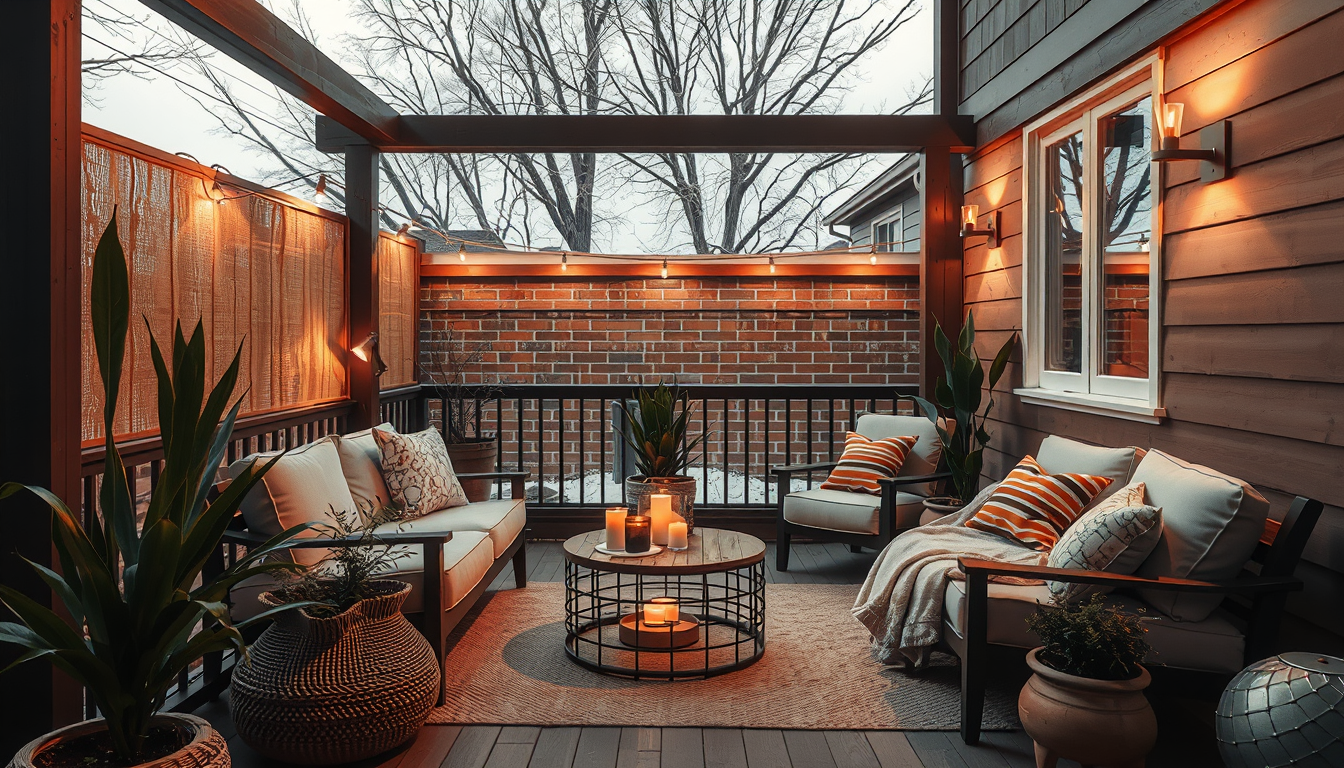
If you’re searching for backyard privacy ideas Canada homeowners can rely on through every season, the honest truth is that most online advice won’t survive a single Ontario winter. American listicles recommend bamboo screens that snap at −25°C and deciduous hedges that leave you exposed for five months of the year. What works here is different — your materials must handle freeze-thaw cycles, your fence height must comply with municipal bylaws, and your plantings need to screen in January, not just July. This guide covers what actually holds up in Canadian backyards, from bylaw-compliant fences to evergreen hedges rated for our hardiness zones, with real 2026 pricing.
Canadian Fence and Privacy Bylaws: Essential Height Limits You Must Know
Before you price out materials, check your municipality’s fence bylaws — they’re stricter than most homeowners expect. In Toronto, Chapter 447 of the municipal code limits backyard fences to 2.0 metres (roughly 6.5 feet) and front- or side-yard fences to just 1.0 metre without a variance application . Other Ontario cities follow similar rules: Ottawa allows 2.0 m in rear yards, while many suburban municipalities default to 1.8 m.
The practical takeaway: a standard 6-foot privacy fence is legal in most Ontario backyards, but anything taller — lattice toppers, trellis extensions, or tall planters mounted on the fence — may push you over the limit and trigger a neighbour complaint. If you need more than 2 metres of screening, the workaround is layering: a code-compliant fence plus tall plantings behind it. We cover that strategy in detail below.
One detail people miss: if your property borders a public lane or park, setback and height rules often change. Call your local building department before you commit to a design. A 15-minute phone call can save you a teardown order.
Best Privacy Screen Materials Built for Canadian Winters
Shop Balcony and Patio Pieces That Fit
Toronto outdoor spaces are often tight, so look for stackable seating, slim tables, and weather-ready textiles first.
Toronto Interior Designer may earn a commission if you shop through these links at no extra cost to you.
The five-month stretch between November and March is where cheap privacy solutions fail. Here’s how the most common materials perform through Canadian freeze-thaw cycles:
| Material | Freeze-Thaw Durability | Lifespan | Cost per Linear Foot (Installed, 6 ft) | Best For |
|---|---|---|---|---|
| Western Red Cedar | Excellent — naturally rot-resistant | 15–25 years | $55–$85 | Traditional full-privacy fences |
| Composite (e.g., Goodfellow Terrafence) | Excellent — no cracking or warping | 25+ years (warranty-backed) | $90–$140 | Low-maintenance modern panels |
| Aluminum slat screens | Excellent — no expansion/contraction | 30+ years | $100–$160 | Contemporary horizontal designs |
| Pressure-treated SPF | Good with maintenance | 10–15 years | $40–$65 | Budget-friendly full fences |
| Vinyl/PVC | Poor below −20°C — brittle, cracks | 10–20 years (if no cracking) | $50–$80 | Mild-climate zones only |
Cedar remains the workhorse of Canadian fencing. It’s sourced domestically, weathers to a silver-grey if left unstained, and handles temperature swings without the brittleness of vinyl. Pressure-treated SPF is cheaper upfront, but lumber prices have swung 30–40% since the pandemic-era peaks, so lock in quotes early in the season .
Composite and aluminum screens are gaining ground fast in the GTA. Brands like Permacon and Goodfellow carry 25-year warranties specifically tested for Canadian conditions. The upfront cost is higher, but you’ll never stain, seal, or replace warped boards. For a modern outdoor space that needs zero seasonal maintenance, these materials are worth the premium.
A privacy fence is only as good as its worst season. In Canada, that means designing for January — bare branches, low sun angles, and materials that won’t crack at minus twenty.
Year-Round Evergreen Privacy Plants for Canadian Hardiness Zones
Here at Toronto Interior Designer, we always tell clients: the best privacy isn’t a wall — it’s a living screen that adds texture, absorbs sound, and improves with age. But in Canada, “living screen” must mean evergreen. Deciduous hedges like privet or lilac look lush in summer and leave you completely exposed from November through April.
Toronto sits in Plant Hardiness Zone 6b, with some sheltered microclimates pushing into 7a according to Natural Resources Canada’s updated zone map . That classification opens up more options than many homeowners realize.
Five reliable evergreen privacy plants for Ontario backyards:
- Emerald Cedar (Thuja occidentalis ‘Smaragd’) — The gold standard. Hardy to Zone 3, grows 30–60 cm per year, and reaches 4–5 m at maturity. Native to Ontario and available at every nursery. Plant 60–90 cm apart for a dense screen within 3–5 years.
- Eastern White Pine (Pinus strobus) — Faster-growing than cedar with soft, feathery texture. Reaches 6+ m but needs more space. Best for larger lots where you want a naturalistic, woodsy screen.
- Columnar Blue Spruce (Picea pungens ‘Fastigiata’) — Tight columnar form makes it ideal for narrow side yards. Hardy to Zone 2, salt-tolerant, and virtually maintenance-free.
- English Boxwood (Buxus sempervirens) — Now viable in Zone 6b–7a Toronto microclimates. Slower-growing (10–15 cm/year) but dense enough to block sightlines at just 1.2 m. Perfect for layering in front of a fence.
- English Holly (Ilex aquifolium) — A broadleaf evergreen newly viable in warming Toronto zones. Glossy foliage, dense habit, and the bonus of winter berries. Needs sheltered placement and well-drained soil.
This approach to bringing nature into your living environment extends biophilic design principles beyond interior walls and into the yard — something we explore often in our outdoor design work.
Layered Backyard Privacy Design: Fences, Screens and Plantings Combined
Single-layer privacy — one fence, one hedge row — works in theory but often falls short in practice. A 6-foot fence doesn’t block views from a neighbour’s second-storey deck. A cedar hedge takes years to fill in. The Toronto Interior Designer approach is to think in layers, the same way you’d layer lighting or textiles inside a room.
A proven three-layer formula:
- Ground layer (0–1.2 m): Dense shrubs like boxwood or low ornamental grasses. These soften the base of a fence and hide raw lumber or concrete footings.
- Mid layer (1.2–2.0 m): The fence or screen itself — cedar boards, composite panels, or aluminum slats at the legal maximum height.
- Canopy layer (2.0–5.0 m): Tall evergreen trees planted 30–60 cm behind the fence line. Emerald cedars or columnar spruce extend screening well above the fence without violating any bylaw, since living trees are generally exempt from fence-height limits.
This layered strategy also handles the low winter sun angles that send sightlines slicing under tree canopies. The mid-layer fence blocks what the canopy misses, and the ground layer ensures there are no gaps where fencing meets uneven grade.
2026 Budget Breakdown: Backyard Privacy Costs Across Canada
Pricing varies by region, but here are realistic GTA ranges for a 50-linear-foot privacy installation — roughly one full property line:
| Solution | Cost for 50 Linear Feet (CAD) | Timeline to Full Privacy |
|---|---|---|
| Cedar privacy fence (installed) | $2,750–$4,250 | Immediate |
| Composite panel fence (installed) | $4,500–$7,000 | Immediate |
| Emerald cedar hedge (professionally planted) | $1,250–$2,250 | 3–5 years |
| Layered design (fence + hedge + shrubs) | $4,500–$7,500 | Partial immediate, full in 2–3 years |
The sweet spot for most Canadian homeowners is the layered approach: install a mid-range cedar fence for immediate screening, then plant a cedar hedge behind it for long-term, self-maintaining privacy that only improves with time. As the hedge matures, it extends your screening height well beyond the 2-metre fence cap. For more guidance on making smart renovation investments, our archives cover budgeting for Canadian projects in detail.
What to Do Next
Now that you have a practical framework for backyard privacy that works in every Canadian season, here’s your action checklist:
- Check your municipal bylaw for fence height limits before designing anything — call your local building department or search your city’s municipal code online.
- Decide on your timeline: if you need privacy this summer, start with a fence or screen; if you can wait 3–5 years, a hedge is cheaper and more beautiful.
- Get three contractor quotes by mid-April — fence installers and landscapers book up fast once the ground thaws.
- Choose evergreens over deciduous plants for any privacy planting in Zones 3–7; deciduous hedges leave you exposed for nearly half the year.
- Layer your approach — combine a bylaw-compliant fence with tall evergreen plantings behind it to maximize screening without needing a variance.
- Budget $55–$150 per linear foot depending on materials, and factor in the long-term maintenance savings of composite or aluminum if your budget allows.
Layer the Outdoor Room
Lighting, planters, and textiles can stretch a short summer season and make even a small balcony feel intentional.
Toronto Interior Designer may earn a commission if you shop through these links at no extra cost to you.
Sources
- City of Toronto Municipal Code Ch. 447 — https://www.toronto.ca/legdocs/municode/toronto-code-447.pdf
- Canadian Home Builders’ Association lumber market updates — https://www.chba.ca
- Natural Resources Canada Plant Hardiness Zones — https://planthardiness.gc.ca
Frequently Asked Questions
What is the maximum fence height allowed in Ontario backyards?
Most Ontario municipalities allow backyard fences up to 2.0 metres (6.5 feet). Toronto’s Municipal Code Chapter 447 sets this limit, while front- and side-yard fences are typically capped at 1.0 metre. Always confirm with your local building department before building.
What are the best evergreen trees for privacy in Canada?
Emerald Cedar (Thuja occidentalis ‘Smaragd’) is the top choice, hardy to Zone 3 and reaching 4–5 metres at maturity. Eastern White Pine, Columnar Blue Spruce, and English Boxwood also provide reliable year-round screening in Canadian hardiness zones.
How much does a privacy fence cost in Canada in 2026?
For a 50-linear-foot installation in the GTA, expect $2,750–$4,250 for cedar, $4,500–$7,000 for composite panels, or $4,500–$7,500 for a layered design combining fencing with evergreen plantings.