
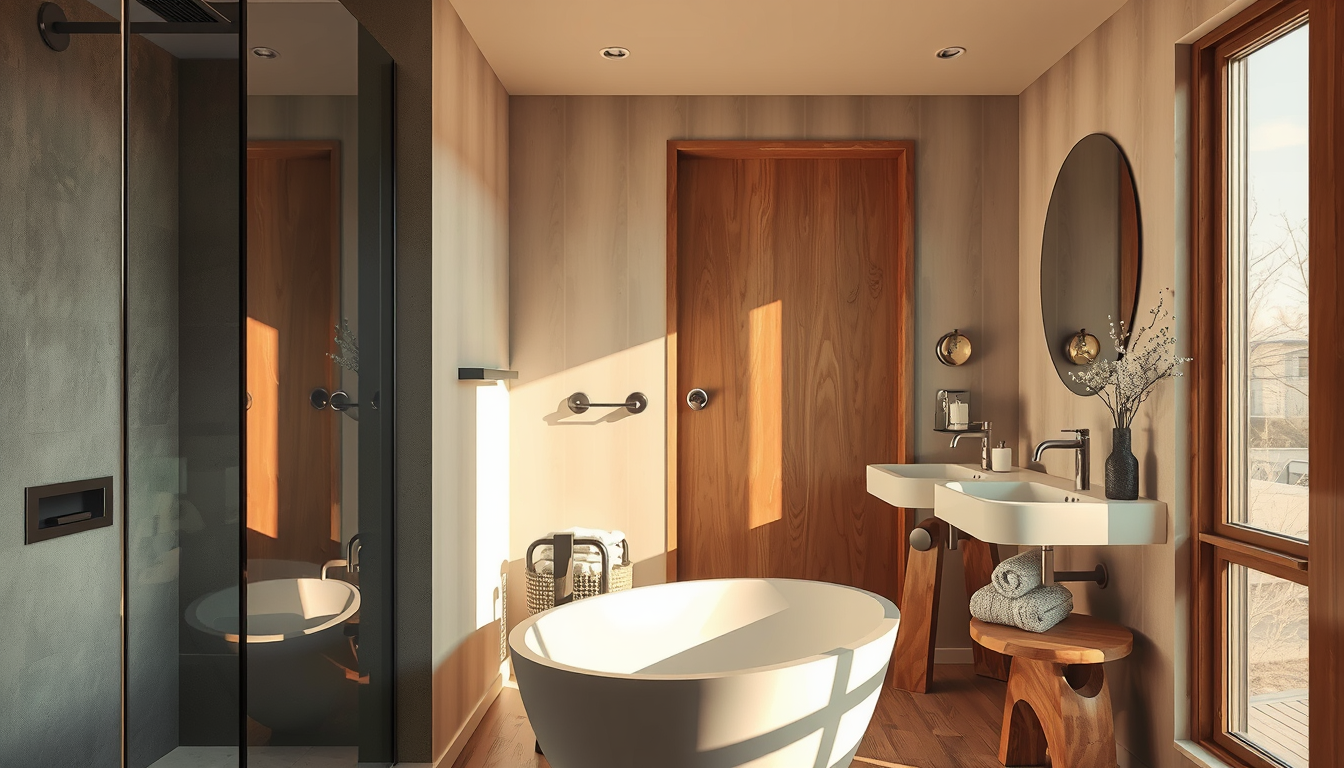
Every solid bathroom renovation checklist canada homeowners can rely on starts with the same truth: the decisions you make before a single tile is removed will determine whether your project finishes on time, on budget, and up to code. Too many Canadian homeowners jump straight to choosing finishes — scrolling through vanity styles and shower tile — while skipping the regulatory, financial, and structural planning that actually makes or breaks a renovation. In Ontario alone, unpermitted work can trigger fines exceeding $25,000, and poor ventilation planning is the leading cause of post-renovation mould complaints. This guide walks you through the planning steps that matter most, in the order you should tackle them.
Bathroom Renovation Permits: Ontario Building Code Requirements You Cannot Skip
Before you call a contractor or visit a showroom, find out whether your project needs a building permit. In Ontario, any bathroom renovation that involves plumbing relocation, electrical changes, or structural modifications requires a permit from your local municipality . Cosmetic updates like replacing a vanity, repainting, or swapping out hardware typically do not require one.
Here is a quick reference for common bathroom projects:
| Project Scope | Permit Required? | Typical Timeline | Budget Range (CAD) |
|---|---|---|---|
| Cosmetic refresh (paint, fixtures, hardware) | No | 1–2 weeks | $2,000–$6,000 |
| Vanity and countertop replacement | Usually no | 2–3 weeks | $4,000–$10,000 |
| Shower/tub replacement (same location) | Check with municipality | 3–5 weeks | $8,000–$18,000 |
| Full gut with plumbing relocation | Yes | 6–12 weeks | $20,000–$40,000+ |
| Barrier-free/accessibility conversion | Yes (structural + plumbing) | 6–10 weeks | $15,000–$35,000 |
Average bathroom renovation costs in Canada range from $15,000 to $40,000 depending on scope, with Toronto trending toward the higher end due to elevated labour and material costs . Determine your permit requirements first — they shape your budget, timeline, and contractor requirements.
“The most expensive bathroom renovation mistake in Canada isn’t choosing the wrong tile — it’s discovering halfway through that you needed a permit you never pulled.”
If you are planning broader changes to your home alongside the bathroom, our renovation tips archive covers everything from budgeting frameworks to contractor selection.
Bathroom Renovation Costs in Canada: Setting a Realistic Budget
Upgrade the Details That Change Everything
Lighting, mirrors, and matte hardware can make a modest bathroom renovation feel far more custom.
Toronto Interior Designer may earn a commission if you shop through these links at no extra cost to you.
With permits sorted, the next step is building a budget that reflects what Canadian renovations actually cost — not what Pinterest suggests. Canadian renovation budgets need to account for expenses that online inspiration boards never mention: HST (13% in Ontario), permit fees ($100–$500+ depending on scope), and the reality that supply-chain pricing for plumbing fixtures fluctuates seasonally.
Complete this budgeting checklist before requesting quotes:
- Define your scope in writing — cosmetic refresh, partial remodel, or full gut. This single decision sets your entire cost range.
- Get three itemized quotes — never accept a single lump-sum number. Each quote should break out labour, materials, permits, and disposal separately.
- Add a 15–20% contingency fund — hidden water damage behind walls is common in Toronto homes built before 1990, and repair costs are unpredictable.
- Factor in HST — that $30,000 quote becomes $33,900 after Ontario’s 13% harmonized sales tax. Budget on the tax-included number.
- Price your fixtures before committing to a design — a freestanding soaker tub can range from $800 to $5,000+ in Canada. Know your numbers before you fall in love with a product.
- Research available rebates early — government programs can offset thousands in costs (covered below).
Two line items homeowners consistently underestimate: waterproofing (a properly done Schluter or liquid membrane system adds $1,500–$3,000 to a shower build) and ventilation upgrades. Both are non-negotiable for a renovation that lasts.
Hiring a Licensed Contractor in Ontario: What to Verify Before Signing
Once your budget is set, the next critical decision is choosing who will do the work. Contractor vetting in Canada carries high stakes. Ontario requires licensed trades for plumbing and electrical work — a general contractor can coordinate the project, but the hands doing the plumbing must hold a valid 306A Certificate of Qualification .
Before you sign any contract, verify the following:
- Trade licences — Search the SkilledTradesOntario portal to confirm your plumber and electrician hold current certifications.
- WSIB coverage — Ask for a valid Workplace Safety and Insurance Board clearance certificate. Without it, you could be liable if a worker is injured on your property.
- Liability insurance — Request a minimum of $2 million in commercial general liability coverage. Reputable contractors carry this as standard.
- Written contract with payment schedule — Never pay more than 10–15% upfront. Payments should be tied to project milestones, not calendar dates.
- References from completed Ontario projects — Ask for at least two recent local references, and actually call them.
A contractor who resists providing any of the above is not worth the risk. Licensed, insured professionals ensure your renovation meets Ontario Building Code standards — which matters when you sell, since unpermitted work can derail a real estate transaction.
Plumbing, Ventilation, and Waterproofing: Essential Layout Decisions
With your contractor selected, layout planning is where design and building science meet. Moving a toilet or shower even a few feet means relocating drain lines, which adds significant cost and requires a permit. Before finalizing any floor plan, address these three non-negotiable systems.
Plumbing: Keep wet walls consolidated whenever possible. In most Toronto condos and houses, the drain stack is fixed — designing your layout around existing plumbing locations saves thousands and avoids structural complications. If you are converting a tub to a walk-in shower, confirm that your floor assembly can accommodate the new drain slope.
Ventilation: Ontario Building Code requires a minimum 50 CFM exhaust fan for standard bathrooms, vented to the exterior — not into the attic . Inadequate ventilation is the primary driver of mould and moisture damage after renovation. If your current bathroom has no exterior vent path, factor in the cost of running new ductwork.
Waterproofing: Every tiled shower enclosure needs a continuous waterproof membrane behind the tile. Cement board alone is not waterproof — a common and costly misconception. Budget for a proper system and insist your contractor documents the waterproofing installation with photos before tiling begins.
For ideas on creating a restful retreat in adjacent rooms, our guide to achieving better sleep with the right bedding layers pairs well with bathroom wellness planning.
Canadian Rebates and Tax Credits for Bathroom Renovations
Before you finalize material selections, investigate the government programs that can meaningfully reduce your out-of-pocket costs. While the original Canada Greener Homes Initiative (which offered up to $5,000 for energy-efficient upgrades) has closed to new applications, successor programs at the federal and provincial levels continue to evolve . Check the current status of programs in your province before finalizing your budget.
Ontario’s Home Accessibility Tax Credit allows you to claim up to $10,000 in eligible expenses for accessibility renovations, including barrier-free showers, grab bars, and walk-in tubs . If you are renovating for aging in place or have a family member with mobility challenges, this credit directly applies to bathroom work.
Municipal rebates for water-efficient fixtures are also available — several Ontario municipalities offer rebates for installing low-flow toilets and showerheads. Toronto’s programs have varied year to year, so check your municipality’s current offerings before purchasing fixtures.
Research rebate eligibility before construction begins — it can influence which fixtures and systems you choose, and the savings are real.
What to Do Next
A bathroom renovation checklist canada homeowners can actually follow comes down to doing the unglamorous planning work first. Permits, budgets, contractor vetting, and building-science decisions determine whether your finished bathroom holds up for twenty years or causes headaches within two.
Here is your action plan:
- This week: Determine your project scope and check permit requirements with your municipality
- Within two weeks: Research current rebates and tax credits that apply to your planned work
- Before requesting quotes: Complete the six-point budgeting checklist above and prepare your list of contractor verification questions
- Before signing a contract: Verify trade licences, insurance, and WSIB coverage for every trade on the job
- Before demolition begins: Confirm your ventilation and waterproofing plan in writing with your contractor
For more ideas on creating functional, beautiful spaces throughout your home, explore our bathroom design inspiration — and when you are ready to plan, start with the checklist above.
Keep Small Bathrooms Working Hard
Compact storage, simple shelving, and clean-lined accessories are the fastest way to add polish without crowding the room.
Toronto Interior Designer may earn a commission if you shop through these links at no extra cost to you.
Sources
- City of Toronto Building Permits — https://www.toronto.ca/city-government/planning-development/building-permits/
- HomeStars Cost Guide — https://homestars.com/cost-guides/bathroom-renovation
- SkilledTradesOntario — https://www.skilledtradesontario.ca/
- Ontario Building Code Section 9.32 — https://www.ontario.ca/laws/regulation/120332
- Natural Resources Canada — https://www.nrcan.gc.ca/energy-efficiency/homes
- Ontario Ministry of Finance — https://www.ontario.ca/page/ontario-home-accessibility-tax-credit
Frequently Asked Questions
Do I need a permit for a bathroom renovation in Ontario?
Yes, if your bathroom renovation involves plumbing relocation, electrical changes, or structural modifications, you need a building permit from your local municipality. Cosmetic updates like painting, replacing hardware, or swapping a vanity typically do not require one.
How much does a bathroom renovation cost in Canada?
Average bathroom renovation costs in Canada range from $15,000 to $40,000 depending on scope. A cosmetic refresh starts around $2,000, while a full gut renovation with plumbing relocation can exceed $40,000 in cities like Toronto due to higher labour costs and HST.
Are there Canadian rebates available for bathroom renovations?
Yes. Ontario’s Home Accessibility Tax Credit lets you claim up to $10,000 for accessibility upgrades like barrier-free showers and grab bars. Several Ontario municipalities also offer rebates for water-efficient fixtures such as low-flow toilets and showerheads.