
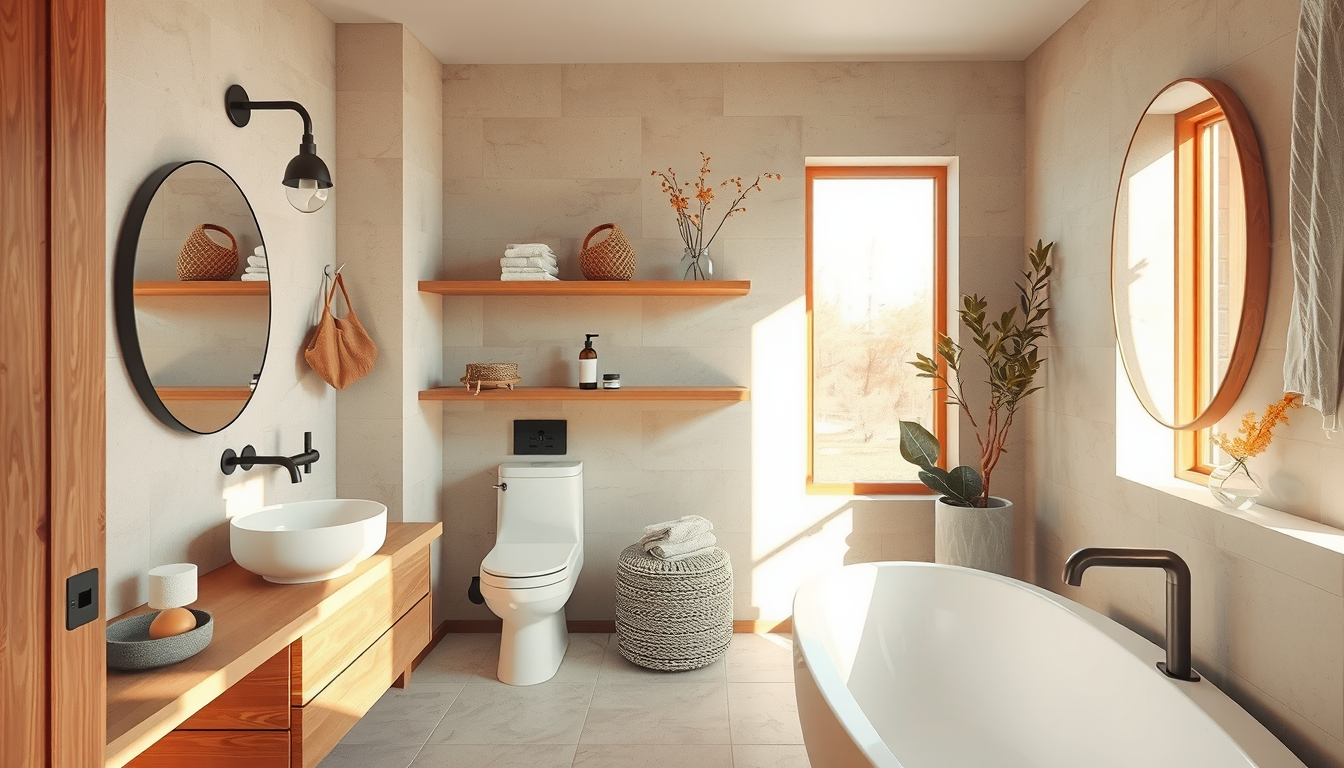
If you’re searching for bathroom shelf ideas Canada homeowners can trust through every season, start with one truth most design blogs skip: your shelves need to survive a climate that swings from bone-dry forced-air winters to muggy July humidity — sometimes in the same week. That dual stress eliminates most Pinterest-pretty options sold south of the border. When you choose the right materials, mounting method, and layout for Canadian conditions, bathroom shelving becomes one of the highest-impact, lowest-cost upgrades in any renovation. Here at Toronto Interior Designer, we see shelving decisions transform cramped condo bathrooms into spaces that feel curated rather than cluttered.
Best Floating Bathroom Shelf Materials for Canadian Humidity
Floating shelves look clean and modern, but they fail fast when the material can’t handle moisture cycling. In Ontario, bathroom humidity can spike above 80 percent during a summer shower, then plummet below 30 percent when the furnace kicks on in January. That constant expansion and contraction warps MDF and delaminates particleboard within a year or two.
Stick with these materials for longevity:
| Material | Humidity Performance | Weight Capacity | Budget Range (CAD) | Best For |
|---|---|---|---|---|
| Solid walnut | Excellent — natural oils resist moisture | 30–50 lbs per shelf | $120–$250 per shelf | Primary bathrooms, statement pieces |
| White oak | Excellent — tight grain repels water | 30–50 lbs per shelf | $100–$200 per shelf | Any bathroom, pairs well with brass hardware |
| Marine-grade plywood | Very good — cross-grain layers resist warping | 25–45 lbs per shelf | $60–$120 per shelf | Budget-friendly installs, painted finishes |
| Solid surface (Corian) | Impervious to moisture | 20–35 lbs per shelf | $150–$300 per shelf | Wet zones, shower-adjacent walls |
| Tempered glass | Impervious to moisture | 15–25 lbs per shelf | $80–$180 per shelf | Small powder rooms, minimalist layouts |
Solid walnut and white oak — both sustainably harvested in Ontario — outperform MDF in high-humidity bathrooms by a wide margin in lifespan, making them a worthwhile investment even at a higher upfront cost.
Mounting matters just as much as material. Canadian homes built before 1970 commonly have plaster-and-lath walls, which crumble around standard drywall anchors. Use toggle bolts or snap-toggle anchors rated for at least 50 lbs per point. For newer drywall-over-stud construction, locate studs with an electronic finder — Canadian framing typically runs 16 inches on centre, though some builders use 24-inch spacing, which changes your bracket placement entirely. If you’re planning a full bathroom renovation, map your stud layout before finalizing shelf positions.
Built-In Niches and Recessed Bathroom Shelf Ideas for Small Spaces
Upgrade the Details That Change Everything
Lighting, mirrors, and matte hardware can make a modest bathroom renovation feel far more custom.
Toronto Interior Designer may earn a commission if you shop through these links at no extra cost to you.
Where floating shelves add storage to the wall surface, recessed shelving steals space from inside the wall — and in Toronto’s typical 5×8-foot condo bathrooms, that 3.5 inches of reclaimed depth is a game-changer. A recessed niche between standard 2×4 studs gives you a shelf roughly 14.5 inches wide and 3.5 inches deep without losing a single square inch of floor space.
Built-in niches are the single most requested upgrade we see in Toronto condo bathroom renovations. They cost a fraction of moving plumbing, but they completely change how the room functions and feels.
Three recessed formats that work well in Canadian homes:
- Shower niche — Tiled to match your surround, typically 12×24 inches. A waterproof membrane behind the niche is non-negotiable; use Schluter Kerdi or equivalent. Place it between chest and eye height for daily-use products.
- Medicine cabinet recess — A flush-mount cabinet recessed between studs keeps toiletries hidden and mirrors the clean-line look of floating shelves. Look for Canadian-rated electrical options if you want integrated lighting.
- Open display recess — Installed above the toilet or beside the vanity, these work beautifully for rolled towels, a single plant, or curated objects. Line the interior with a contrasting tile or painted wood for visual depth.
For those exploring wet room designs, niches become even more critical — they keep products accessible without cluttering open shower floors.
How to Choose Shelf Materials That Survive Ontario’s Climate
Material selection is where most bathroom shelf projects succeed or fail. Beyond the floating-shelf table above, use this decision checklist for Canadian conditions:
- Test the finish, not just the wood. A sealed walnut shelf performs beautifully; an unfinished one will stain within weeks. Use marine-grade polyurethane or a penetrating tung oil rated for wet environments.
- Avoid raw iron brackets in shower-adjacent zones. Humidity causes rust quickly. Choose stainless steel, brass, or powder-coated steel instead.
- Consider thermal movement. Metal shelves and brackets expand and contract with temperature shifts. Leave a 1/16-inch gap at wall-mount points to prevent cracking grout or paint.
- Match your grout to your niche tile. Epoxy grout resists mould far better than cement-based grout in humid Canadian bathrooms — it costs roughly $15–$25 more per bag but eliminates the annual re-grouting cycle.
- Skip peel-and-stick solutions for permanent installs. Adhesive-mounted shelves marketed as “no drill” rarely survive a full Canadian heating season. The adhesive softens in humidity and brittles in dry cold.
The average Canadian bathroom renovation runs between $15,000 and $35,000 CAD, and shelving upgrades sit at the affordable end of that range — often under $500 for materials when you’re adding two to three well-built shelves .
Where to Buy Bathroom Shelving in Toronto and the GTA
Renovating in the Greater Toronto Area gives you access to suppliers who understand local conditions. Here are our go-to sourcing options:
- Ciot (multiple GTA locations) — Natural stone and porcelain tile for built-in niche linings, with showroom staff who advise on waterproofing compatibility.
- DERA Design (Toronto) — Custom hardware and modern shelf brackets in brass, matte black, and stainless finishes.
- Local millwork shops — Independent shops in the Junction, Leslieville, and Etobicoke stock kiln-dried Ontario walnut and white oak. Custom-cut floating shelves typically run $100–$250 per piece, finished.
- Home Hardware / RONA — For marine-grade plywood, toggle bolts, and Schluter waterproofing products. Widely available across Ontario.
- Etsy Canada and local makers — Handmade live-edge shelves from Ontario woodworkers who use locally harvested lumber.
Buying locally sourced hardwood means shorter supply chains, lower embedded carbon, and wood already acclimated to Ontario’s moisture levels.
Bathroom Shelf Installation: Weight Limits, Wall Types, and Ontario Code
Even the best shelf fails if the install is wrong. Keep these fundamentals in mind:
Wall type determines your anchor strategy. Drywall over wood studs (most homes built after 1970) accepts standard lag screws into studs. Plaster-and-lath (pre-1970) needs toggle bolts. Concrete or block walls in condo buildings require masonry anchors and a hammer drill.
Weight limits are non-negotiable. A floating shelf on two brackets into studs can safely hold 30–50 lbs. The same shelf on drywall anchors alone? Often under 15 lbs. Know the difference before you load it with ceramic bottles and hardcover books.
Accessibility and code. Ontario Building Code Section 3.8 sets accessibility standards for bathroom fixtures. If you’re designing a barrier-free bathroom, shelf placement heights must accommodate seated reach ranges — typically 15 to 48 inches above the finished floor. This applies to new builds and major renovations seeking permits.
For more ideas on making functional spaces beautiful, explore our renovation tips for guidance tailored to Canadian homes.
What to Do Next
Whether you’re refreshing a powder room or gutting a primary ensuite, the bathroom shelf ideas Canada renovators rely on come down to material honesty, proper mounting, and climate-smart choices. Here’s your action plan:
- Measure your walls and identify your wall type (drywall, plaster-and-lath, or concrete) before shopping for hardware.
- Choose a humidity-resistant material — solid walnut, white oak, marine-grade plywood, or solid surface for wet zones.
- Map your stud layout and plan shelf positions around 16- or 24-inch on-centre framing.
- Source locally — visit Ciot, DERA, or a GTA millwork shop to see and feel materials before committing.
- Waterproof every recessed niche with a membrane system rated for continuous moisture exposure.
- Check OBC Section 3.8 if your renovation requires barrier-free accessibility compliance.
At Toronto Interior Designer, we believe the best bathroom shelving disappears into the design while making daily life easier. Start with the right material, mount it properly, and let the space do the rest.
Keep Small Bathrooms Working Hard
Compact storage, simple shelving, and clean-lined accessories are the fastest way to add polish without crowding the room.
Toronto Interior Designer may earn a commission if you shop through these links at no extra cost to you.
Sources
- CHBA renovation cost survey — https://www.chba.ca
Frequently Asked Questions
What is the best material for bathroom shelves in Canada?
Solid walnut and white oak harvested in Ontario offer the best humidity resistance for Canadian bathrooms. Marine-grade plywood is a budget-friendly alternative that resists warping through seasonal moisture swings from forced-air heating to summer humidity.
How much weight can floating bathroom shelves hold?
Floating shelves mounted into wood studs with lag screws safely hold 30 to 50 pounds per shelf. The same shelf on drywall anchors alone typically holds under 15 pounds, so always locate studs before installing in Canadian drywall-over-stud construction.
Are recessed shower niches worth it in a condo bathroom?
Yes. A recessed niche between standard 2×4 studs reclaims 3.5 inches of depth without losing floor space, making it the most requested upgrade in Toronto condo bathroom renovations. Waterproofing the niche with a membrane like Schluter Kerdi is essential.