
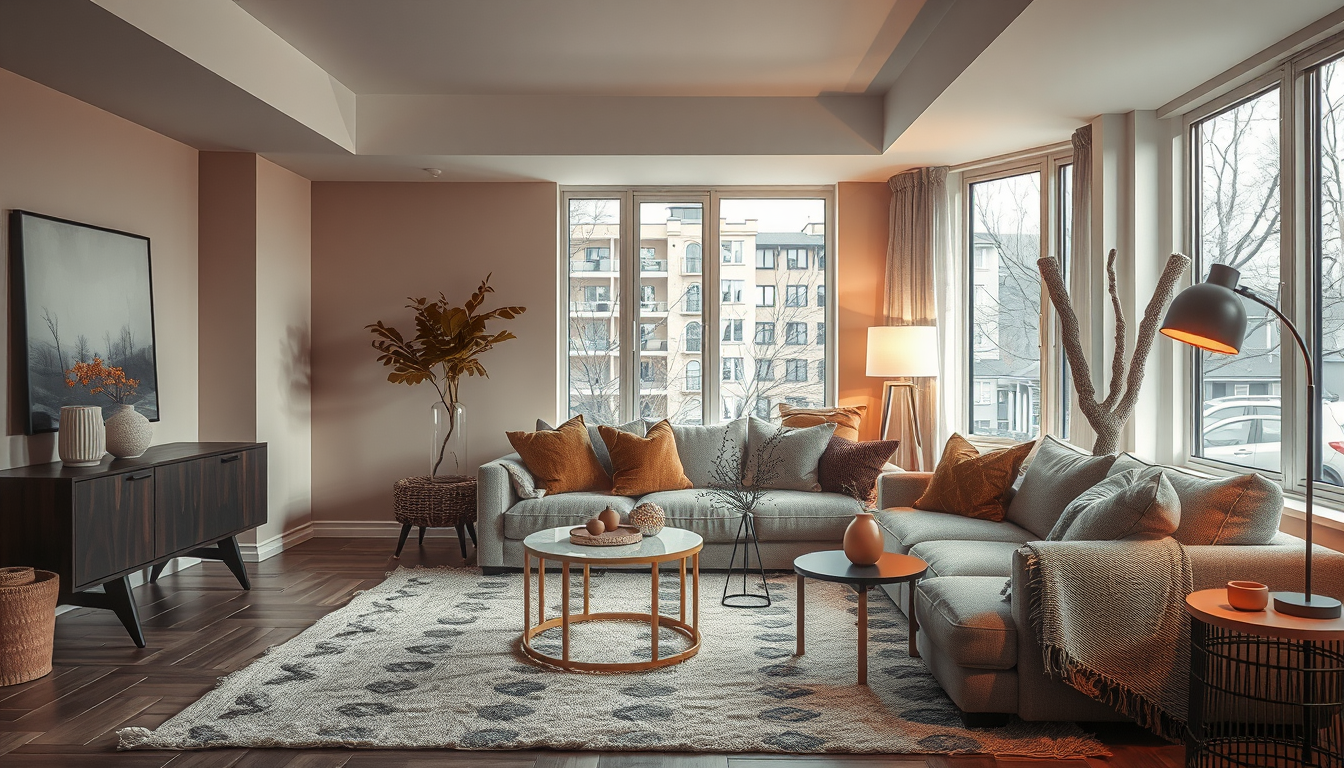
If you’re searching for bay window living room ideas Canada homeowners can actually use, start with this truth: your bay window is not just an architectural detail — it is one of the hardest-working features in a Canadian home. Toronto gets roughly 83 sunny days per year, which means every square inch of glass facing the street is a light-harvesting tool during months of grey skies . In a city where Victorian and Edwardian row houses define entire neighbourhoods, the bay window also adds 4 to 10 square feet of usable floor space without a single permit application. That is rare, practical square footage in homes where the main floor often sits around 1,100 square feet.
Here at Toronto Interior Designer, we see the bay window as a climate asset first and a style opportunity second. The five strategies below will help you treat yours the same way.
Why Bay Windows Are Essential in Canadian Living Rooms
Most bay window advice online comes from US publications writing for mild climates and open-plan houses. Canadian homeowners face a different reality. Heat loss through windows accounts for 25 to 30 percent of residential heating energy use according to Natural Resources Canada . A three-panel bay that juts out from the building envelope is especially vulnerable, which means ignoring it costs real money every winter.
But that same projection catches low-angle winter sun that a flat wall would miss entirely. In January, Toronto’s sun angle hovers around 24 degrees above the horizon. A bay window’s angled side panels pull in light from directions a single flat pane cannot reach — delivering more natural daylight during the season you need it most, which research consistently links to better mood and sleep quality.
The takeaway is simple. A bay window in a Toronto living room is a thermal liability if you leave it untreated and a genuine wellness asset if you dress it properly. Every idea below balances those two sides.
5 Bay Window Living Room Ideas Canada Homeowners Can Build This Weekend
Source Scaled-Right Living Room Pieces
Start with apartment-scale sofas, nesting tables, and layered lighting that fit Toronto floor plans without overwhelming them.
Toronto Interior Designer may earn a commission if you shop through these links at no extra cost to you.
A bay window alcove is wasted if you just push a sofa against it. These five layouts convert that bump-out into functional living space, ranked by effort.
| Layout | Best For | Effort Level | Budget Range (CAD) | Works Best In |
|---|---|---|---|---|
| Floating reading nook with a single armchair and floor lamp | Small living rooms under 200 sq ft | Low — no build required | $300–$800 | Victorian semis, Annex row houses |
| Built-in window seat with under-seat storage | Families needing toy or blanket storage | Medium — basic carpentry | $1,200–$3,500 | Edwardian homes, Leslieville detached |
| Dining banquette replacing a separate dining area | Condos and open-plan main floors | Medium — custom upholstery | $2,000–$4,500 | Cabbagetown, Riverdale semis |
| Home office desk spanning the bay | Remote workers needing natural light | Low to medium | $400–$1,500 | Any home with a south- or east-facing bay |
| Plant shelf and indoor garden tier | Light-starved north-facing rooms | Low — shelving only | $150–$600 | Any orientation, especially north |
The built-in window seat deserves special attention. In Ontario, adding a seat with storage underneath a bay window typically does not require a building permit because it does not alter the structural envelope. That makes it one of the most cost-effective living room upgrades available — you gain storage and seating without touching your home’s footprint. If you are exploring ways to make your window areas work harder, the same logic applies to a home office setup in the bay.
“The best bay window designs in Toronto don’t fight the architecture — they lean into the angles and let the light do the decorating.” — Toronto Interior Designer editorial team
Best Window Treatments for Bay Windows in Canadian Winters
Once you have settled on a layout, the next step is controlling the glass itself. This is where most homeowners get it wrong. Heavy drapes look cozy in a magazine spread, but in a Canadian bay window they block the low winter sun you desperately need. The goal is a layered system that insulates at night and opens completely during the day.
- Start with cellular (honeycomb) shades. Their trapped-air pockets provide measurable insulation — roughly R-2 to R-5 depending on cell size — while still allowing full retraction during daylight hours.
- Add interior storm panels for older single-pane bays. Companies like Indow and Canadian-made Magnetite offer magnetic acrylic panels that press-fit inside the window frame. They cut drafts dramatically without altering heritage trim.
- Use side-mounted curtain panels for evening warmth. Choose a thermal-lined fabric in a warm neutral — ochre, sage, or warm white are all trending for 2026 and complement the wood trim typical of Toronto bay window millwork .
- Skip top-down, bottom-up blinds if your bay faces south. They look neat but limit your ability to harvest full sun in winter. Cellular shades that retract completely into a headrail are more practical.
- Seal the gaps. Bay windows in older Toronto homes often have air leaks where the angled panels meet the wall returns. A bead of paintable caulk and fresh weatherstripping cost under $30 and can noticeably reduce drafts.
When layering textures around your bay window seat, a well-chosen throw blanket adds warmth and visual weight without the bulk of heavy drapery.
How to Style a Bay Window Seat for Four-Season Canadian Living
With the glass insulated and the light controlled, you can turn your attention to the seat itself. A window seat that works in July but feels frigid in January is a failed design. Build yours for all four seasons with these principles.
Cushion fabric matters. Choose a performance fabric rated for at least 30,000 double rubs — Sunbrella and Crypton both make indoor lines that resist fading from direct sun exposure and clean up easily after winter boot season. Stick with mid-tone colours; they hide wear better than pure white and feel warmer than charcoal during dark months.
Depth and height are non-negotiable. A seat shallower than 18 inches feels like a shelf. Aim for 20 to 24 inches deep with the cushion top sitting 17 to 18 inches off the floor — standard chair height. If your bay is deeper than 24 inches, add bolster pillows at the back wall so sitters are not leaning against cold glass.
Storage underneath should be accessible. Hinged tops beat drawers in a bay window because the angled side panels make drawer slides awkward to install. Use the space for seasonal items: extra blankets in summer, board games in winter.
Add a reading light. A swing-arm sconce mounted on the wall return beside the bay keeps the seat usable after sunset without a floor lamp cluttering the alcove.
What Toronto Designers Get Right About Bay Windows
Walk through the Annex or Roncesvalles and you will notice a pattern in the best-renovated homes: the bay window is treated as a room within a room. It has its own lighting, its own surface — a sill deep enough to hold a coffee cup or a small trailing pothos — and its own purpose separate from the rest of the living room. The flooring might shift from hardwood to a layered rug, or the paint colour on the window return might run a shade warmer than the main wall, subtly marking the alcove as its own zone.
That intentionality is what separates a bay window that photographs well from one that actually improves daily life. Whether you choose a reading nook, a banquette, or a plant-filled light garden, commit to the function first and layer the style on top.
For broader living room layout inspiration beyond the bay, browse our living spaces collection for ideas tailored to Canadian homes.
What to Do Next
Now that you have a working list of bay window living room ideas Canada designers recommend, put them into action:
- Measure your bay. Record the width across the front, the depth from the wall line to the glass, and the sill height. These three numbers determine which layout ideas will fit.
- Check your weatherstripping. Hold a lit candle near the window edges on a windy day. Flickering means air leaks you should seal before investing in cushions or built-ins.
- Pick one function. Decide whether your bay will be a reading nook, a dining spot, a desk, or a plant station. Trying to make it do everything guarantees it does nothing well.
- Budget for insulation first, style second. Cellular shades or storm panels pay for themselves in heating savings and comfort — prioritize them over decorative pillows.
- Consult a local designer. A Toronto-based professional understands heritage home constraints and can recommend trades who work with older bay window framing without damaging original millwork.
Your bay window is already doing more than you think. Give it the right treatment and it becomes the most functional corner of your Canadian living room.
Finish the Room With Texture
Layer in rugs, side tables, and decor accents that warm up condo living rooms without adding clutter.
Toronto Interior Designer may earn a commission if you shop through these links at no extra cost to you.
Sources
- Environment Canada — https://climate.weather.gc.ca/
- Natural Resources Canada — https://natural-resources.canada.ca/
- House & Home 2026 colour trends — https://houseandhome.com/
Frequently Asked Questions
Do I need a permit to add a window seat in a bay window in Ontario?
In most cases, no. Adding a built-in seat with storage underneath a bay window does not alter the structural envelope, so it typically does not require a building permit in Ontario. However, always check with your local municipality if you are unsure.
What are the best window treatments for bay windows in Canadian winters?
Cellular (honeycomb) shades are the top choice because they insulate at R-2 to R-5 while retracting fully during the day to let in low-angle winter sun. Pair them with thermal-lined curtain panels for evening warmth and seal any air gaps with caulk and weatherstripping.
How deep should a bay window seat be for comfortable seating?
Aim for 20 to 24 inches deep with the cushion top at 17 to 18 inches off the floor, which matches standard chair height. Anything shallower than 18 inches feels more like a shelf than a seat.