
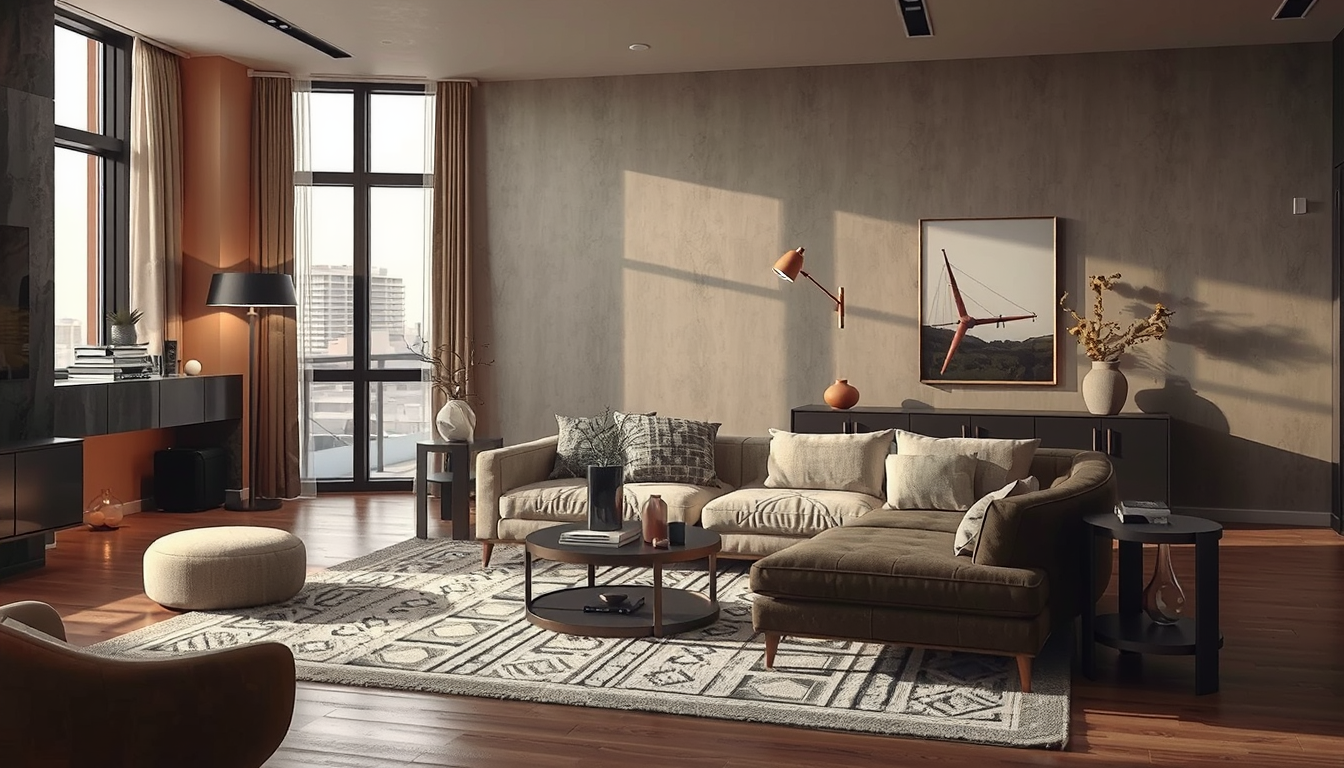
The best cat scratch wall solution is a rigid, replaceable sisal-fabric panel at least 90 cm high, installed beside the surface your cat already targets. It permits a full vertical stretch while protecting drywall and preserving approximately 0.18 square metres of floor space compared with a 30 × 60 cm floor scratcher (International Cat Care; Toronto Interior Designer layout review, 2026).
Last updated: April 1, 2026
Affiliate disclosure: Toronto Interior Designer does not receive commissions from the products or retailers mentioned in this guide.
A well-designed panel treats scratching as a permanent feline need rather than a behaviour to hide. Its frame can coordinate with millwork, paint, or furniture while shielding drywall, outside corners, and door casings (AAFP/ISFM Environmental Needs Guidelines; Toronto Interior Designer design review, 2026).
For more compact-home strategies, browse our living-spaces guides and Toronto product buyer guides.
Why Do Cats Scratch Walls, and Why Are Deterrents Not Enough?
Cats scratch to maintain their claws, stretch and exercise their bodies, and leave visible and scent-based territorial marks (AAFP/ISFM Environmental Needs Guidelines). A wall beside a doorway or sofa may therefore be more relevant than a scratching post placed in an unused corner (AAFP/ISFM Environmental Needs Guidelines).
Deterrents alone do not provide an acceptable outlet for those behaviours. Feline-welfare guidance recommends placing stable scratching surfaces where cats already scratch, rest, or travel through the home (AAFP/ISFM Environmental Needs Guidelines).
How tall should the scratching surface be?
Begin with a panel approximately 30 cm wide and 90 cm high, then measure the cat at full extension before ordering or fabricating it (Toronto Interior Designer design recommendation, 2026). Larger cats may require a height of 105–120 cm to stretch without reaching beyond the scratching field (International Cat Care; Toronto Interior Designer design recommendation, 2026).
The panel must remain stable under the cat’s weight and repeated pulling force (International Cat Care). Mounting it to an appropriate backer also prevents the textile and its fasteners from directly damaging drywall (Home Depot Canada and RONA installation specifications).
Treat scratching like coat storage or charging cables: give the recurring activity a deliberate, good-looking place in the room.
Which Cat Scratch Wall Solution Is Best for Each Problem Area?
Source Scaled-Right Living Room Pieces
Start with apartment-scale sofas, nesting tables, and layered lighting that fit Toronto floor plans without overwhelming them.
Toronto Interior Designer may earn a commission if you shop through these links at no extra cost to you.
The correct assembly depends on the damaged surface, mounting restrictions, and visibility within the room. Sisal fabric on a removable backer is the strongest general-purpose option because the rigid layer protects the wall while allowing the worn textile to be replaced separately (Toronto Interior Designer material review, 2026).
These April 2026 planning allowances are in Canadian dollars and exclude HST, shipping, tools, and installation. They reflect listed materials from IKEA Canada, Home Depot Canada, RONA, and FLOR Canada; prices and availability vary by GTA postal code (retailer listings accessed April 1, 2026).
| Problem area | Recommended assembly | Suggested size | 2026 materials allowance |
|---|---|---|---|
| Flat drywall | Sisal fabric over plywood | 30 × 90 cm | $85–$145 CAD |
| Rental wall | Scratching mat on a removable backer | 25 × 63 cm | $45–$85 CAD |
| Living-room feature wall | Carpet tile in a framed panel | 30 × 90 cm | $70–$130 CAD |
| Painted outside corner | Two-sided upholstered corner guard | 20 × 90 cm per side | $110–$220 CAD |
| Wood door casing | Replaceable poplar or oak strip | 15 × 90 cm | $95–$190 CAD |
Pricing methodology: April 2026 retail-list comparisons from IKEA Canada, Home Depot Canada, RONA, and FLOR Canada. Taxes, tools, shipping, and professional labour are excluded.
What works beside a sofa?
A 30 × 90 cm sisal-fabric panel is usually the most practical choice beside a sofa because it provides a continuous vertical surface without adding a cat-tree footprint (Toronto Interior Designer layout review, 2026). Wrap tightly woven sisal around an 11–18 mm plywood backer, finish the textile edges at the rear, and use fasteners or anchors approved for the wall assembly (Home Depot Canada; RONA).
Install the panel beside the sofa arm or wall the cat already approaches. Scratching resources positioned at established targets are more likely to be relevant than isolated alternatives (AAFP/ISFM Environmental Needs Guidelines).
For visual order, align the panel with the sofa arm or another strong architectural edge. Our Rosedale statement-mirror placement guide applies the same alignment principle to decorative wall-mounted elements.
What protects an outside corner?
Use two narrow backers joined as a removable L-shaped guard around an exposed drywall corner (Toronto Interior Designer design recommendation, 2026). A replaceable corner profile protects the panel’s leading edge while allowing the original metal or vinyl corner bead to remain untouched.
A practical starting size is 20 × 90 cm on each face, with the scratching textile secured away from exposed staples or sharp fasteners (Toronto Interior Designer design recommendation, 2026). In a compact CityPlace corridor, specify rounded outer edges and verify that the finished assembly does not obstruct the required exit path (Ontario Building Code).
What protects a wood door casing?
A replaceable 15 × 90 cm poplar or oak strip can protect a targeted casing while reading as intentional trim (Toronto Interior Designer design review, 2026). It must be securely fastened, smoothly finished, and inspected for splintering or loose edges that could injure paws (Canadian Veterinary Medical Association).
In a Junction semi, the strip can repeat traditional wood casing. In a contemporary downtown condo, a slimmer paint-matched profile will usually integrate more quietly with flush doors (Toronto Interior Designer design guidance, 2026). Find related finish strategies in our decor and accent coverage.
How Can You Make a Cat Scratch Wall Solution Look Built-In?
A scratching zone appears integrated when its dimensions align with existing architecture. Centre it on a wall return, match its width to a cabinet door, or align its upper edge with nearby trim or furniture (Toronto Interior Designer design guidance, 2026).
Use a shallow frame, concealed French cleat, or screwed backer that allows the scratching layer to be removed independently (Toronto Interior Designer design recommendation, 2026). Do not cover outlets, switches, ventilation grilles, or access panels; electrical equipment must remain safely installed and accessible (Electrical Safety Authority).
Which colours and details work best?
Choose a frame finish already present in the room. Black can repeat metal lighting, white oak can connect with pale flooring, and a wall-coloured frame can reduce visual contrast (Toronto Interior Designer design guidance, 2026).
Medium natural sisal generally disguises loose fibres more successfully than very dark material (Toronto Interior Designer material review, 2026). Tightly woven sisal fabric also creates a flatter perimeter than loosely wrapped rope and can be replaced as one rectangular insert (Toronto Interior Designer material review, 2026).
Keep the decorative frame outside the active scratching field. A border of approximately 20 mm can visually finish the panel, while a recessed mounting lip helps retain the textile edge (Toronto Interior Designer design recommendation, 2026).
How much floor space can a wall panel save?
In our layout review, we measured a 30 × 90 cm wall panel against a 30 × 60 cm floor scratcher. Moving the scratching surface onto the wall returned 0.18 square metres of usable floor area without reducing its vertical height (Toronto Interior Designer layout review, 2026).
That difference is modest but useful in narrow GTA dens and entry corridors. New condominium unit sizes in the region have trended smaller, increasing the value of wall-mounted functions (Urbanation, GTA condominium market reports).
The same constraint-led approach appears in our Rosedale windy-condo balcony guide and Toronto row-house design ideas.
How Can Toronto Renters Install a Cat Scratch Wall Solution Safely?
Toronto renters should favour a furniture-mounted backer, freestanding compression system, or landlord-approved mechanical installation. Tenants can be responsible for undue damage beyond ordinary wear, and Ontario’s standard lease does not provide blanket authorization for drilling (Ontario Residential Tenancies Act; Ontario Standard Lease Guide).
Do not assume a “removable” adhesive is harmless. Performance depends on paint condition, preparation, humidity, adhesive strength, load, and removal technique (adhesive manufacturer specifications).
Which removable setup works in a compact condo?
A furniture-mounted panel is often the least disruptive option because it can occupy the side of a bookcase or storage cabinet without consuming additional walking space (Toronto Interior Designer layout review, 2026). Modify furniture only when its manufacturer permits it, and secure the unit against tipping according to its installation instructions (manufacturer installation guidance).
A floor-to-ceiling compression post is an alternative where furniture mounting is unavailable. Confirm the product’s height range and ceiling requirements, and never brace it against a suspended ceiling, sprinkler component, bulkhead access panel, or fragile decorative finish (manufacturer specifications; Ontario Building Code).
What approvals should a renter obtain?
Photograph the wall before installation and request written landlord approval for drilling or high-strength adhesives (Ontario Standard Lease Guide). A Toronto condo tenant may also require condominium approval because declarations and rules can regulate alterations, construction noise, delivery access, and working hours (Condominium Authority of Ontario).
Confirm both approvals before ordering custom work. Our renovation-tips library provides further guidance for planning work in occupied Toronto homes.
Which Cat Scratch Wall Solution Mistakes Should You Avoid?
The most common mistakes are selecting a panel that is too short, allowing it to wobble, or installing it far from the existing scratch target (International Cat Care; AAFP/ISFM Environmental Needs Guidelines). A useful surface must be tall enough for a complete stretch and stable during repeated use (International Cat Care).
Avoid looped textiles that can catch claws, exposed staples, loose rope ends, splintered timber, and unfinished plywood edges (Canadian Veterinary Medical Association; manufacturer safety guidance). Inspect the assembly regularly and replace it when its fasteners loosen or fibres create snagging hazards (manufacturer maintenance instructions).
When is professional review appropriate?
Identify the wall construction before drilling, particularly in a Toronto condominium where demising walls may contain regulated fire separations or building services (Ontario Building Code; Condominium Authority of Ontario). Obtain the approvals required by the condominium declaration and rules before altering shared or regulated components (Condominium Authority of Ontario).
A surface-mounted decorative panel generally does not require a City building permit. Work affecting structure, plumbing, electrical systems, or required fire separations may require permits or qualified professional review (City of Toronto; Ontario Building Code).
Our Rosedale basement permit guide explains the distinction between decorative finish work and regulated alterations.
What Does Toronto Interior Designer Recommend?
For most Toronto homes, choose a 30 × 90 cm replaceable sisal-fabric panel mounted to a rigid, mechanically secured backer (Toronto Interior Designer design recommendation, 2026). Increase the height to 105–120 cm when needed for a complete stretch (International Cat Care; Toronto Interior Designer design recommendation, 2026).
Use a furniture-mounted mat in a rental, a framed carpet-tile insert in a formal living room, an L-shaped guard at an outside corner, or sacrificial wood trim where a cat targets a casing (Toronto Interior Designer design review, 2026).
Custom-millwork costs vary with materials, wall construction, installer, and mounting method. Request three written quotations when concealed mounting or made-to-measure trim is involved, and obtain landlord or condominium approval before work begins (Toronto Interior Designer procurement guidance, 2026; Condominium Authority of Ontario).
What Should You Check Before Installation?
- Measure the cat at full vertical stretch before choosing the panel height (International Cat Care).
- Start with a 30 × 90 cm panel and increase it to 105–120 cm when required (Toronto Interior Designer design recommendation, 2026).
- Place the panel beside an existing scratch target, sleeping area, or regular route (AAFP/ISFM Environmental Needs Guidelines).
- Confirm that the backer cannot wobble, tip, or expose sharp fasteners (International Cat Care).
- Check for outlets, wiring, plumbing, fire separations, and access panels (Electrical Safety Authority; Ontario Building Code).
- Obtain written landlord and condominium approval before drilling (Ontario Standard Lease Guide; Condominium Authority of Ontario).
- Use a replaceable scratching insert instead of permanently carpeting the wall (Toronto Interior Designer design recommendation, 2026).
- Photograph the original wall and completed installation (Toronto Interior Designer documentation guidance, 2026).
- Inspect edges, fibres, and mounting hardware every 30 days (Toronto Interior Designer maintenance recommendation, 2026).
- Retain spare material from the same dye lot for future replacement (Toronto Interior Designer material guidance, 2026).
Which Sources Inform This Guide?
- AAFP/ISFM Feline Environmental Needs Guidelines
- International Cat Care: Scratching
- Canadian Veterinary Medical Association, household cat-care and pet-safety guidance
- City of Toronto: When a Building Permit Is Required
- Condominium Authority of Ontario
- Ontario Standard Lease Guide
- Ontario Residential Tenancies Act
- Ontario Building Code
- Electrical Safety Authority
- Urbanation, GTA condominium market reports
- IKEA Canada, LURVIG product listings, accessed April 1, 2026
- Home Depot Canada, plywood and mounting-hardware listings, accessed April 1, 2026
- RONA, plywood, lumber, and mounting-hardware listings, accessed April 1, 2026
- FLOR Canada, modular carpet-tile listings, accessed April 1, 2026
What Do Toronto Homeowners and Renters Ask Most Often?
How tall should a wall-mounted cat scratcher be?
Choose a panel at least 90 cm high for an average adult cat, then increase it to 105–120 cm if the cat cannot stretch fully within the scratching field. The surface should accommodate a complete vertical stretch and remain stable during use (International Cat Care).
How much does a built-in cat scratching panel cost in Toronto?
Budget approximately $85–$145 CAD for a DIY 30 × 90 cm sisal-and-plywood panel, excluding HST, tools, delivery, and labour. This April 2026 allowance reflects listed materials from Home Depot Canada, RONA, and Canadian pet-product retailers (retailer listings accessed April 1, 2026).
Can a Toronto tenant drill into a wall for a scratching panel?
Yes, but a Toronto tenant should obtain written landlord approval before drilling even when the panel is only 30 cm wide. Condo tenants may also require authorization under their corporation’s rules, while tenants can be responsible for undue damage beyond ordinary wear (Ontario Residential Tenancies Act; Condominium Authority of Ontario).
Will one wall panel stop a cat from scratching furniture?
No panel can guarantee that furniture scratching will stop, but placing one stable vertical surface at each repeatedly targeted location makes the alternative relevant to the cat’s existing routine. Begin with at least 1 panel beside each active target and allow a complete stretch (AAFP/ISFM Environmental Needs Guidelines; International Cat Care).
How often should a sisal scratching panel be replaced?
Inspect the panel every 30 days and replace it when fabric detaches, fasteners loosen, or fibres create snagging hazards. A removable 30 × 90 cm insert lets you renew the worn textile without refinishing the entire wall (Toronto Interior Designer maintenance recommendation, 2026).
Does a cat scratching panel require a Toronto building permit?
A surface-mounted decorative panel generally does not require a Toronto building permit. Permit or professional review may be necessary if the installation affects structural components, electrical or plumbing systems, or a required fire separation (City of Toronto; Ontario Building Code).
Toronto Interior Designer Editorial Team | Toronto Residential Design Research
The Toronto Interior Designer Editorial Team develops practical, evidence-led guidance for homeowners, condo residents, and renters across the GTA. Its research focuses on compact layouts, durable materials, Ontario requirements, and Toronto-specific renovation constraints.
(/author/toronto-interior-designer/)
Finish the Room With Texture
Layer in rugs, side tables, and decor accents that warm up condo living rooms without adding clutter.
Toronto Interior Designer may earn a commission if you shop through these links at no extra cost to you.
Frequently Asked Questions
How tall should a wall-mounted cat scratcher be?
Choose a panel at least 90 cm high for an average adult cat. Increase the height to 105–120 cm if your cat cannot stretch fully.
How much does a cat scratching wall panel cost in Toronto?
Budget $85–$145 CAD for a DIY 30 × 90 cm sisal-and-plywood panel. This estimate excludes HST, tools, delivery, and professional installation.
Can Toronto renters install a cat scratch wall solution?
Yes, but renters should use a furniture-mounted or landlord-approved panel. Obtain written permission before drilling and document the wall condition with dated photographs.
Toronto Interior Designer is editorially independent. Our recommendations are based on research and editorial judgment, not brand sponsorships.