
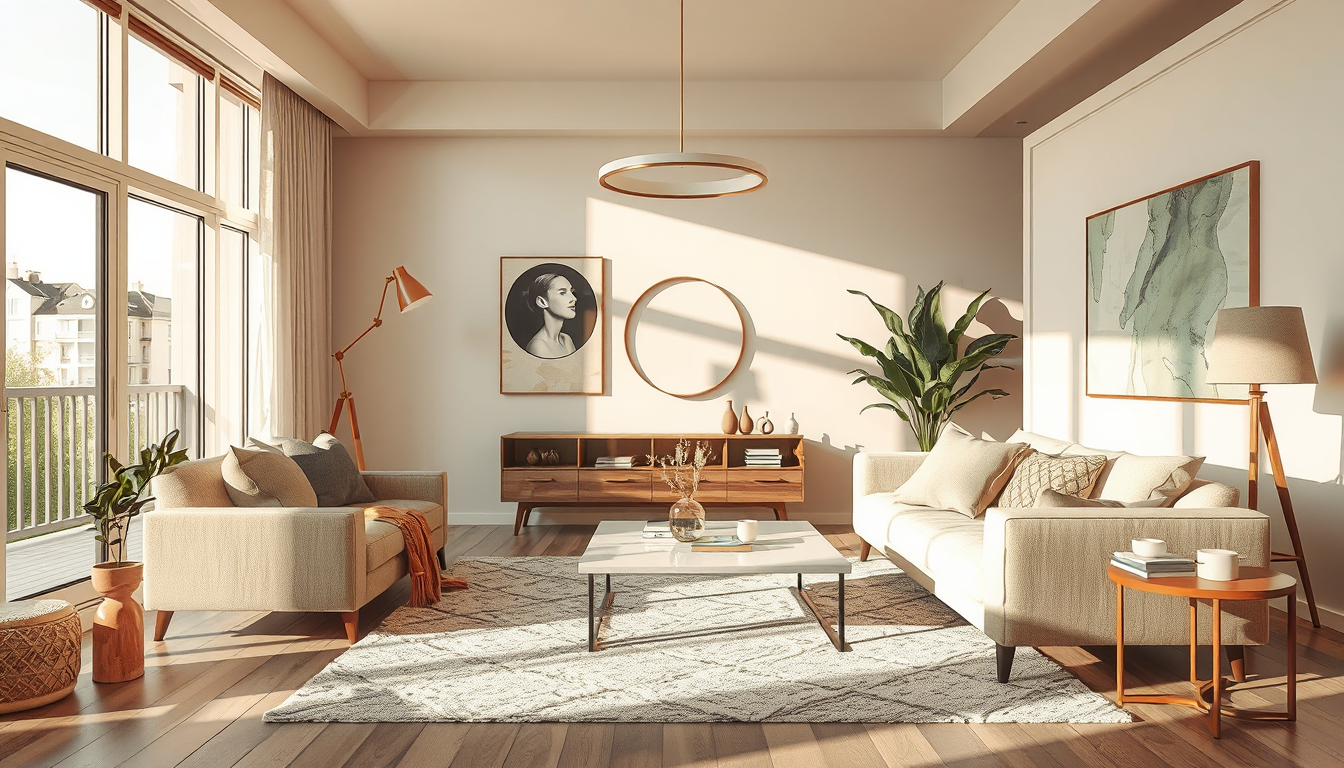
The best cozy living room ideas Canada homeowners can steal in 2026 don’t come from Pinterest mood boards — they come from understanding how our winters actually feel. Toronto gets roughly 2,066 sunshine hours annually, but by December daylight shrinks to about 8.5 hours, and the low-angle northern light casts long shadows through Victorian bay windows and condo floor-to-ceiling glass alike . That reality demands more than a few throw pillows. It demands a full strategy — what we call Canadian hygge: the Nordic art of cozy living, adapted for our architecture, our light, and our locally sourced materials. Here’s how Toronto designers are making it work.
What Is Canadian Hygge? Cozy Living Room Ideas Canada Homeowners Need
Hygge (pronounced “hoo-gah”) entered mainstream North American design vocabulary around 2016, and Google Trends data shows Canadian searches for “cozy living room ideas” still peak every October through November, with a second spike in January . But too often, Scandinavian hygge gets transplanted into Canadian homes without adaptation — and that’s a missed opportunity.
Toronto’s housing stock is nothing like Copenhagen’s. We have narrow Victorian row houses with deep floor plans and limited side light. We have post-war bungalows with generous square footage but low ceilings. And we have modern condos averaging 700–750 square feet where every piece of furniture must earn its place . Canadian hygge accounts for all of this. It keeps the Scandinavian principles — warmth, texture, candlelight, presence — but filters them through the realities of Canadian climate, Canadian architecture, and Canadian craft.
The difference is practical, not just aesthetic. Where a Danish hygge guide might suggest an open-plan reading nook, a Toronto designer would recommend building warmth into the bones of the room: radiant undertones in your wall colour, layered window treatments that insulate and diffuse our harsh winter light, and furniture arrangements that create intimacy in tight layouts.
Layering Textures: Wool, Wood, and Stone for Cozy Canadian Living Rooms
Source Scaled-Right Living Room Pieces
Start with apartment-scale sofas, nesting tables, and layered lighting that fit Toronto floor plans without overwhelming them.
Toronto Interior Designer may earn a commission if you shop through these links at no extra cost to you.
Texture is the engine of hygge, and Canada has a material advantage most homeowners overlook. Ontario and Quebec produce a significant share of Canada’s hardwood lumber, making locally sourced reclaimed wood both sustainable and surprisingly accessible for Toronto renovations . A reclaimed-oak accent wall or a live-edge walnut shelf doesn’t just look warm — it connects your living room to the Canadian landscape outside.
Here’s a practical layering framework any Toronto homeowner can use:
| Element | Recommendation | Budget Range (CAD) | Works Best In |
|---|---|---|---|
| Walls | Warm earth tones — amber, warm grey, deep forest green | $80–$200 (paint per room) | Any home type |
| Sofa throw | Chunky merino or alpaca-blend knit | $120–$350 | Condos and bungalows |
| Area rug | Wool or wool-blend, low pile, 8×10 minimum | $400–$1,200 | Victorian living rooms |
| Accent wood | Ontario reclaimed barnboard or walnut floating shelves | $300–$800 (installed) | Condos and row houses |
| Cushions | Mix linen, boucle, and velvet in 3–4 tonal shades | $40–$90 each | Universal |
| Stone or ceramic | Matte-finish pottery, soapstone coasters or trivets | $30–$150 | Coffee tables, mantels |
The key is mixing matte and tactile finishes. Avoid anything glossy or plasticky — hygge thrives on surfaces that feel good under your hand. House & Home’s 2026 paint colour trends confirm this direction, favouring warm earth tones and deep, enveloping hues that wrap a room rather than open it up .
“A cozy room isn’t decorated — it’s composed. Every surface should invite you to touch it, sit on it, or curl up next to it.”
Lighting Strategies for Cozy Living Rooms in Toronto’s Low-Light Seasons
Lighting is where Canadian hygge diverges most sharply from generic cozy advice. Our winter light is unique: low-angle, often grey-filtered, and gone by 5 p.m. for months. The standard “add a floor lamp” advice misses the point entirely.
Follow these five lighting rules for a genuinely warm Toronto living room:
- Layer three light heights. A floor lamp, a table lamp, and either a pendant or wall sconce. Never rely on a single overhead fixture — it flattens everything and kills intimacy.
- Choose 2700K bulbs or warmer. Anything above 3000K reads cold against warm wall colours and wood tones. Check the Kelvin rating on every bulb you buy.
- Use real candles — generously. This is non-negotiable in hygge design. Group three to five pillar candles on a tray. The flicker and warmth are irreplaceable.
- Install dimmer switches. A $25 retrofit dimmer on your main light transforms a room’s mood more than a $500 fixture. Prioritize this before buying new lamps.
- Maximize what daylight you get. Swap heavy drapes for sheer linen panels that diffuse light without blocking it. In Victorian homes, keep window trim painted light to bounce light deeper into the room.
The same layered-lighting principles apply throughout your home — see our guide to bathroom paint colours that work in small Canadian spaces for complementary colour and light advice.
Small-Space Cozy Living Room Ideas for Toronto Condos and Bungalows
A 2024 Houzz Canada survey found that living rooms remain the top room homeowners invest in for comfort upgrades, with 68% of respondents prioritizing warmth and comfort over style and aesthetics . In Toronto’s compact condos and bungalows, that investment needs to be strategic.
Small spaces actually have a hygge advantage: intimacy is built in. The challenge is avoiding clutter while maintaining warmth. Here’s how experienced Toronto projects typically approach it:
Furniture selection. Choose a sofa with a low back and rounded arms — it feels substantial without dominating sightlines. Apartment-scale sofas in the 72–80 inch range work for most Toronto condos. Upholster in a warm mid-tone fabric like camel boucle or charcoal wool-blend.
Storage as decor. Replace a basic TV console with a closed-front credenza in walnut or oak veneer. Open shelving creates visual noise; in hygge design, a calm background lets your textured layers do the work.
Rug sizing. In a small room, go bigger than you think. An undersized rug makes a space feel fragmented. An 8×10 that slides under the front legs of your sofa anchors the whole seating area.
Walls that work harder. If you’re considering an accent wall, wall art strategies for Canadian homes can help you add visual warmth without eating into floor space — a critical advantage in sub-800-square-foot layouts.
Where to Shop Canadian-Made Cozy Furniture and Decor
Supporting Canadian makers isn’t just a feel-good move — it’s a practical design decision. Shorter supply chains mean faster lead times, and domestic hardwoods and textiles are naturally tuned to our aesthetic and climate. Here are reliable starting points:
- EQ3 (Winnipeg-based): Well-priced modern sofas and case goods with warm material options.
- Mjolk (Toronto, Junction): Curated Scandinavian and Japanese craft objects — perfect for hygge accent pieces.
- Barter Design (Toronto): Custom upholstery using Canadian and European fabrics.
- Arhaus and Crate & Barrel Canada: Accessible options for textured throws, ceramics, and warm-toned lighting.
- Local makers on Etsy.ca: Search “reclaimed wood shelf Ontario” or “hand-knit throw Canada” for one-of-a-kind pieces at fair prices.
For more room-by-room design direction, browse our living spaces collection for ideas beyond the living room.
Your Cozy Living Room Action Plan for 2026
The core of Canadian hygge is simple: build warmth into the room’s structure, not just its accessories. This isn’t a passing trend — it’s a climate-responsive design strategy that makes five months of winter feel intentional rather than endured.
Start here:
- Audit your lighting. Count your light sources and their Kelvin ratings. Add layers and swap anything above 3000K.
- Pick one texture upgrade. A wool area rug or a set of linen-and-boucle cushions will shift the room’s feel overnight.
- Choose a warm wall colour. Test three swatches from the amber-to-forest-green range in your actual winter light before committing.
- Source one Canadian-made piece. A reclaimed-wood shelf, a hand-thrown ceramic vase, or a locally upholstered cushion connects your room to this place.
- Declutter one surface. Hygge needs breathing room. Clear your coffee table down to a candle tray, one book, and one object you love.
At Toronto Interior Designer, we believe the best rooms aren’t decorated for photographs — they’re built for the people who live in them, through every season.
Finish the Room With Texture
Layer in rugs, side tables, and decor accents that warm up condo living rooms without adding clutter.
Toronto Interior Designer may earn a commission if you shop through these links at no extra cost to you.
Sources
- Environment Canada climate normals — https://climate.weather.gc.ca/
- Google Trends — https://trends.google.com/
- CMHC Housing Market Data — https://www.cmhc-schl.gc.ca/
- Natural Resources Canada — https://www.nrcan.gc.ca/
- House & Home 2026 decorating trends — https://houseandhome.com/
- Houzz Canada annual trends study — https://www.houzz.com/
Frequently Asked Questions
What is Canadian hygge and how does it differ from Scandinavian hygge?
Canadian hygge adapts Nordic coziness principles — warmth, texture, candlelight — for Canadian architecture and climate. It accounts for Toronto’s narrow Victorian row houses, compact condos, and long low-light winters with strategies like layered window treatments, radiant wall colours, and locally sourced Canadian hardwoods.
What is the best lighting for a cozy living room in Canada?
Layer three light heights — floor lamp, table lamp, and pendant or sconce — using 2700K bulbs or warmer. Add real candles, install dimmer switches, and use sheer linen panels to maximize scarce winter daylight. Avoid single overhead fixtures, which flatten the room.
How do I make a small Toronto condo feel cozy without clutter?
Choose a low-back sofa in the 72–80 inch range, use an oversized area rug to anchor the seating area, and replace open shelving with closed-front storage. Stick to three to four tonal texture layers and clear surfaces down to a few intentional objects.