
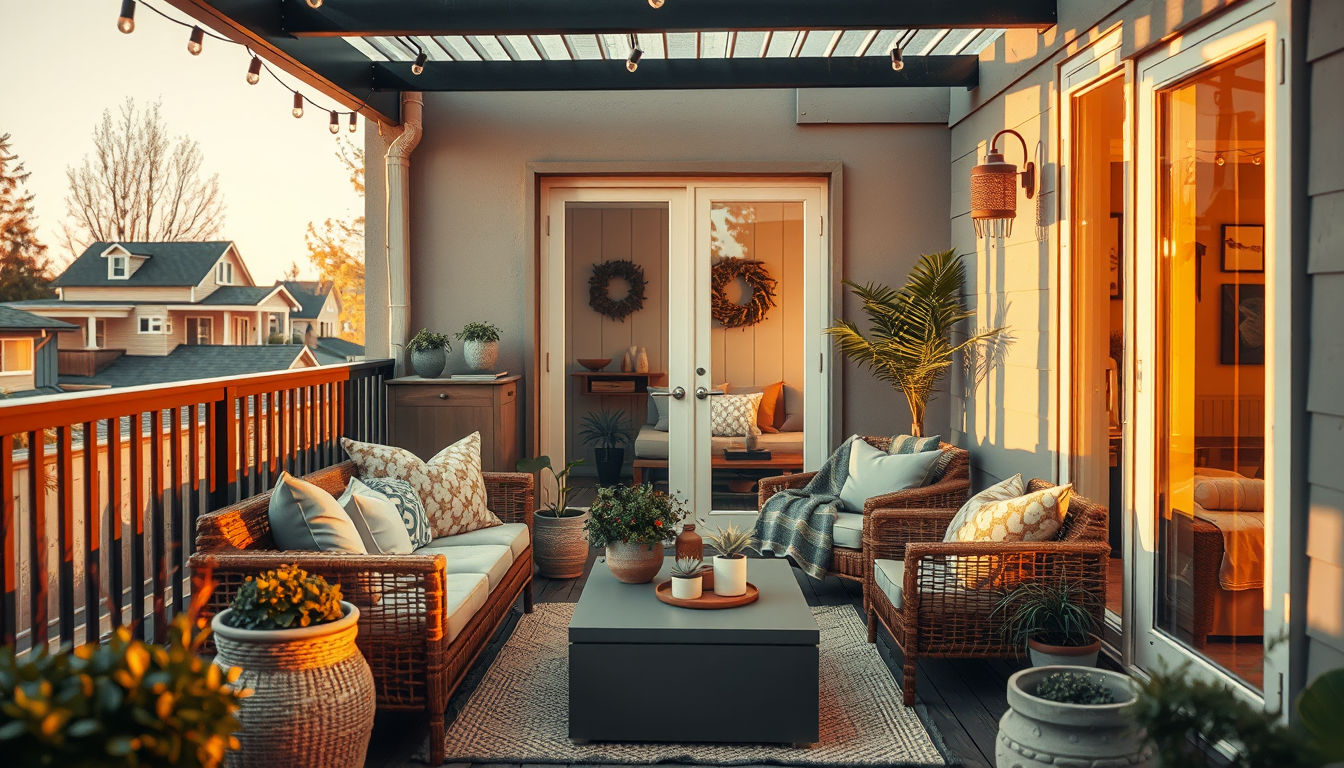
If you’re searching for the best outdoor string lights Canada has to offer, the real question isn’t which ones look prettiest on Instagram — it’s which ones will survive a Toronto January and still glow come patio season. Most buying guides skip the details that matter north of the border: CSA certification, IP65+ weatherproofing for freeze-thaw cycles, and the practical reality of a May-to-October installation window. At Toronto Interior Designer, we’ve tested and specified outdoor lighting for dozens of backyard projects across the GTA, and the gap between a good strand and a failed one almost always comes down to three factors: certification, bulb type, and how you hang them.
Here’s everything you need to choose, install, and style string lights that actually last in a Canadian climate.
What to Look for in Outdoor String Lights for Canadian Weather
Not all outdoor-rated lights are created equal — and “outdoor rated” in Arizona means something very different than it does in Ontario. When you’re shopping, focus on these specs before aesthetics:
IP rating: Look for IP65 or higher. This means the fixture is fully protected against dust ingress and low-pressure water jets from any direction. For year-round outdoor use in regions with snow, ice, and sustained sub-zero temperatures, IP65 is the minimum recommendation . Anything below IP44 should stay under a covered porch at best.
Bulb technology: LED is non-negotiable. LED string lights use up to 80% less energy than incandescent equivalents and last approximately 25,000 to 50,000 hours . That translates to roughly 8–15 seasons of regular evening use. Incandescent bulbs also generate heat that accelerates wear on wiring insulation through thermal cycling in cold weather.
Wire material: Look for heavy-duty rubber or silicone-coated wiring, not standard PVC. PVC becomes brittle at sustained temperatures below -10°C, which makes it prone to cracking during Toronto’s coldest weeks. Silicone-coated cables, by contrast, remain flexible down to approximately -40°C and resist UV degradation over multiple seasons.
Colour temperature: Stick to warm white in the 2200K–2700K range. Anything above 3000K reads clinical and harsh in an outdoor entertaining setting. The sweet spot for that golden, candlelit look is around 2200K.
“The best outdoor spaces feel like a natural extension of the living room. String lights at the right colour temperature are the single easiest way to make a patio feel like a room — not just a slab of concrete.” — Toronto Interior Designer editorial team
CSA vs UL Certification: What Every Canadian Homeowner Must Know
Shop Balcony and Patio Pieces That Fit
Toronto outdoor spaces are often tight, so look for stackable seating, slim tables, and weather-ready textiles first.
Toronto Interior Designer may earn a commission if you shop through these links at no extra cost to you.
Getting the specs right is only half the equation — the certification behind those specs matters just as much. This is where most US-centric buying guides fall short. In Canada, electrical products used in permanent or semi-permanent outdoor installations should carry CSA (Canadian Standards Association) or cUL (UL Listed for Canada) certification. A product with only a UL mark — without the “c” prefix — is technically certified for the US market only and may not meet Canadian electrical safety standards .
Here’s a quick reference:
| Certification Mark | Valid in Canada? | What to Look For on Packaging |
|---|---|---|
| CSA | Yes | CSA logo or “CSA approved” |
| cUL or cULus | Yes | “c” prefix before UL mark |
| UL (no “c” prefix) | No | UL mark only — US standard |
| ETL / cETL | Yes (with “c”) | Intertek certification |
| No mark / generic “CE” | No | Avoid for outdoor electrical use |
If you’re hiring an electrician to hardwire a dedicated outdoor circuit — which we recommend for any installation over 4 strands — they’ll typically require CSA or cUL-certified products to sign off on the work. Check the packaging carefully; some Amazon listings show US-only certifications in the main images but bury the Canadian status in the fine print.
7 Best Outdoor String Lights Available in Canada for 2026
With certification and specs covered, here are the strands that actually deliver. After testing durability, light quality, and ease of installation across GTA projects, these are our top picks. All are available through Canadian retailers with CSA or cUL certification.
- Brightech Ambience Pro (48 ft, LED) — The workhorse. IP65-rated, 2500K warm white, heavy-duty rubber cord. Available at Amazon.ca. Budget: $45–$55 CAD.
- Newhouse Lighting Outdoor LED String Lights (48 ft) — Shatterproof acrylic bulbs, cULus certified, and a commercial-grade cord. Budget: $50–$65 CAD.
- Feit Electric 48 ft LED String Lights — Widely available at Costco Canada. Solid IP65 rating and replaceable bulbs. Budget: $40–$50 CAD.
- Enbrighten Café LED Lights by Jasco (48 ft) — Impact-resistant bulbs rated to -20°C. Lifetime warranty. Budget: $55–$70 CAD.
- SUNTHIN 96 ft LED String Lights (2-pack) — Best value for larger patios. End-to-end connectable. Budget: $60–$75 CAD for 96 ft.
- Hampton Bay 24 ft Solar LED String Lights — No wiring required. Best for small balconies and condos where running an extension cord isn’t practical. Budget: $30–$40 CAD.
- Globe Electric Designer Series (36 ft) — ST64 Edison-style bulbs, 2200K for that ultra-warm glow. Slightly shorter strand length works well for intimate condo terraces. Budget: $50–$60 CAD.
Edison-style LED bulbs in the ST58 or ST64 format remain the most popular aesthetic for outdoor entertaining spaces, trending consistently across designer portfolios and platforms through 2025–2026. If you’re building a full deck setup, match your light style to your railing and furniture finish for a cohesive look.
How to Hang Outdoor String Lights: Step-by-Step Patio Guide
Choosing the right lights is only worthwhile if you hang them properly. The average Canadian patio runs 200–400 square feet, which typically requires 2–4 strands at 48 feet each for adequate ambient coverage. Here’s our recommended installation method:
- Map your layout. Sketch the hanging path on paper. A zigzag pattern across the patio gives the most even coverage. Straight parallel lines work better for narrow spaces like condo balconies.
- Choose your anchor points. Use the house wall, fence posts, pergola beams, or freestanding poles. For freestanding poles, 4×4 cedar posts set in concrete sleeves work well and won’t rot through a Canadian winter.
- Install screw-in hooks or guide wires. Heavy-duty cup hooks (stainless steel, not zinc-plated) at each anchor point. For spans over 20 feet, run a steel guide wire between anchors and clip the light strand to it — this prevents sagging under ice load.
- Create a drip loop. Where the cord meets your outdoor outlet, leave a U-shaped drip loop so water runs off the cord instead of into the connection point.
- Use outdoor-rated extension cords and timers. A weatherproof outdoor timer saves energy and extends bulb life. Set lights to run from dusk to 11 PM for the best balance.
- Test before final securing. Plug in and check every bulb before you commit to permanent hook placement. Replacing a dead bulb mid-strand is much easier before everything is tightened down.
For more ideas on creating a cohesive outdoor entertaining space, browse our full outdoor design archive.
Designer Tips for Layering Outdoor String Lights Into Your Space
Once your string lights are up, the real design work begins. String lights work best as one layer of a broader lighting plan — professional designers call it the three-source rule. At Toronto Interior Designer, we typically combine string lights with two other sources to create depth and dimension:
Task lighting at the grill or prep station — a single shielded downlight or rechargeable LED lantern keeps cooking areas functional without flooding the whole patio in harsh light.
Accent lighting at ground level — solar path lights or LED tape under bench seating adds depth and makes the space feel larger after dark. This layering technique borrows directly from interior design principles we use in living room projects.
Practical styling tip: Hang string lights at 8–10 feet above the seating area. Lower than 8 feet and guests will bump them; higher than 10 feet and you lose the intimate glow that makes them worth installing in the first place.
What to Do Next
Whether you’re refreshing a downtown condo balcony or lighting up a Scarborough backyard, here’s your action checklist:
- Verify certification. Confirm CSA or cUL marking before purchasing — check the physical packaging, not just the listing.
- Measure your space. Calculate total linear feet needed based on your layout sketch, then buy one extra strand as backup.
- Choose IP65 or higher. Don’t compromise on weatherproofing for any light that stays outside through winter.
- Install between May and mid-June. The best window for outdoor string lights Canada homeowners can count on is early season, before summer entertaining peaks.
- Layer your lighting. Combine string lights with task and accent sources for a space that functions as well as it photographs.
- Budget $150–$250 CAD total for a standard 200–400 sq ft patio setup including lights, hooks, guide wire, and a timer.
String lights are one of the highest-impact, lowest-cost upgrades you can make to an outdoor space — but only if you buy the right ones for our climate. Start with the specs, get the certification right, and the ambiance takes care of itself.
Layer the Outdoor Room
Lighting, planters, and textiles can stretch a short summer season and make even a small balcony feel intentional.
Toronto Interior Designer may earn a commission if you shop through these links at no extra cost to you.
Sources
- International Electrotechnical Commission — https://www.iec.ch
- Natural Resources Canada — https://natural-resources.canada.ca
- CSA Group — https://www.csagroup.org
Frequently Asked Questions
Do outdoor string lights need CSA certification in Canada?
Yes. For permanent or semi-permanent outdoor installations in Canada, string lights should carry CSA or cUL (UL Listed for Canada) certification. Products with only a US UL mark may not meet Canadian electrical safety standards and could cause issues if an electrician is wiring the circuit.
Can outdoor string lights stay up all winter in Toronto?
They can if you choose IP65-rated LED lights with heavy-duty rubber or silicone-coated wiring. Avoid PVC cords, which become brittle below -10°C. Look for bulbs rated to at least -20°C and use stainless steel hooks and guide wires to handle ice load.
How many strands of string lights do I need for a standard patio?
A typical Canadian patio of 200 to 400 square feet requires 2 to 4 strands at 48 feet each. Sketch your layout first, use a zigzag pattern for even coverage, and buy one extra strand as backup. Budget roughly $150 to $250 CAD for a complete setup including hardware.