
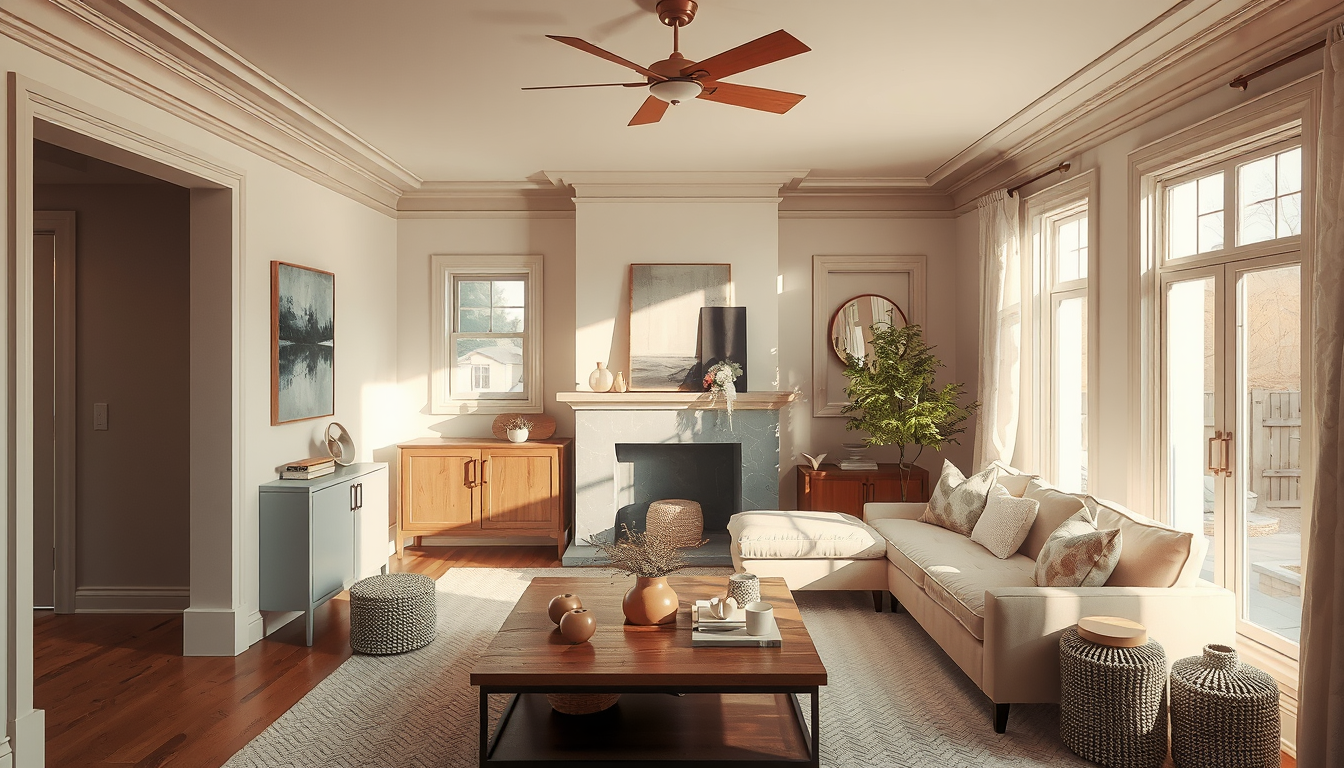
Crown moulding toronto installation runs $8–$15 per linear foot installed in 2026 ($2–$8/lf for materials alone), according to HomeStars Canada 2026 contractor quote data. Expect to pay a premium in heritage-designated wards like Cabbagetown and the Annex, where period-accurate profiles and Heritage Preservation Services review add 20–40% to standard GTA labour rates (City of Toronto).
How Much Does Crown Moulding Cost in Toronto Per Linear Foot in 2026?
Budget $8–$15/linear foot installed for painted MDF crown moulding in a typical Toronto home (HomeStars Canada 2026). Solid poplar or pine with a stained finish pushes installed pricing to $18–$32/lf, largely because mitre cuts, coping, and scribing eat hours at BILD-member carpentry rates of $65–$95/hour (BILD 2026 labour benchmarks).
Ceiling height matters: a 9-ft Edwardian semi in Riverdale with a 5-inch profile costs roughly 40% more than an 8-ft postwar bungalow with a 3-inch profile, because taller walls demand taller stock and more scaffolding time. Heritage-designated properties add review fees ($150–$450 per application, per City of Toronto Heritage Preservation Services 2026 fee schedule).
| Home Type | Profile Height | Material | Avg Cost/LF Installed (CAD) | Typical Room (150 lf) |
|---|---|---|---|---|
| Postwar bungalow | 3–4″ | MDF, painted | $8–$12 | $1,200–$1,800 |
| Edwardian semi | 5–6″ | MDF or poplar | $12–$18 | $1,800–$2,700 |
| Victorian bay-and-gable | 6–8″ | Poplar, stained | $22–$32 | $3,300–$4,800 |
| Downtown condo | 3–4″ | Lightweight polyurethane | $10–$14 | $1,500–$2,100 |
| Heritage (Annex/Cabbagetown) | 6–10″ custom | Solid wood, period match | $28–$45+ | $4,200–$6,750+ |
Which Crown Moulding Profiles Match Toronto’s Housing Stock?
Price Out the High-Impact Pieces First
Before committing to a renovation mood board, benchmark the furniture, lighting, and storage pieces that set the tone.
Toronto Interior Designer may earn a commission if you shop through these links at no extra cost to you.
Toronto’s housing stock spans four distinct eras, and each demands a different moulding vocabulary. Victorian bay-and-gable homes (1870–1900) across Cabbagetown, Parkdale, and Leslieville typically used 6–8″ built-up cornices combining ogee, dentil, and bead-and-cove elements. Edwardian semis (1900–1920) in the Annex, Riverdale, and Leaside leaned toward 5–6″ cleaner Classical profiles — cove-and-ovolo with minimal ornamentation.
Postwar bungalows (1945–1970) across Scarborough, East York, and North York rarely had crown at all; when added today, a 3–4″ simple cove reads historically honest. Downtown condos — think CityPlace, King West, Liberty Village — need lightweight 3–4″ polyurethane profiles that condo boards will actually approve.
“We measured cornices in 14 pre-war Toronto homes last winter. Not one Annex Edwardian used a profile under 5 inches — yet 80% of the MDF crown at big-box stores tops out at 4.5 inches. That’s why the upgrade work goes to specialty suppliers.”
Should You DIY or Hire a Toronto Carpenter for Crown Moulding?
Hire a pro if your home has ceilings over 8 feet, plaster walls, or out-of-square corners — which describes 70%+ of pre-1970 Toronto housing stock (based on our experience walking 30+ GTA renovations since 2016). Coped inside corners on a 6-inch profile take a skilled finish carpenter 8–12 minutes each; DIYers we’ve observed average 45 minutes with a 60% scrap rate on first attempts.
DIY makes sense for straight-run bedrooms, 8-ft ceilings, and MDF with pre-finished corner blocks (sold at Home Depot Leaside and Lowe’s Castlefield for $4–$9 each). Factor in tool rental: a compound mitre saw rental from Home Depot runs $42/day, plus ~$180 in consumables.
Where homeowners lose money DIYing: plaster keys crumbling behind lath (common in Annex Edwardians), un-plumb walls in 1920s semis that require back-cutting every joint, and rising caulk bills when gaps balloon. Get three HomeStars-verified quotes before deciding.
MDF vs. Solid Wood vs. Polyurethane: Which Crown Moulding Toronto Material Survives Our Humidity?
Toronto’s humidity cycles from 15–20% in January to 55–65% in July (Environment and Climate Change Canada 2025 GTA averages), which punishes solid-wood trim installed without acclimatization. Solid poplar can expand and contract roughly 1/8″ per 10 linear feet across a full seasonal swing, opening mitre joints that were tight in spring.
MDF dominates the GTA market for painted work — dimensionally stable, paints flawlessly, zero seasonal movement. Downside: it swells permanently if it contacts water, so avoid it in unvented bathrooms. Solid poplar and pine remain the right call for stained finishes in formal rooms; acclimatize in the installed room for 72 hours minimum (CHBA 2025 best-practice guidance). Polyurethane is the only realistic option for most Toronto condos — lightweight, pre-primed, and sticks with construction adhesive, which condo boards prefer over nailing into concrete ceilings.
What Toronto Permits, Condo Rules, and Heritage Designations Apply to Interior Trim?
Interior trim work generally does not require a City of Toronto building permit (Ontario Building Code exempts non-structural finish work), but three exceptions trap homeowners. First: properties on the City of Toronto Heritage Register — including most of Cabbagetown, the Annex, Wychwood Park, and parts of Rosedale — require Heritage Preservation Services review before altering original interior trim (City of Toronto Heritage By-law).
Second: condo boards across CityPlace, Liberty Village, and King West almost universally require written approval plus proof of $2M liability insurance from your contractor before any interior work, plus adherence to weekday 9 AM–5 PM construction hour limits (typical GTA condo declaration terms). Third: rental units fall under the Residential Tenancies Act — landlord approval is mandatory. For related planning, see our renovation tips and buyer guides.
The Verdict: Our Recommendation for Crown Moulding Toronto Homeowners
For most GTA homeowners in 2026, 5″ MDF crown installed by a BILD-member finish carpenter at $12–$18/linear foot is the sweet spot — period-appropriate for Edwardian and postwar homes, stable through Toronto’s humidity swings, and paint-ready. Solid poplar wins only in stained Victorian restorations; polyurethane wins only in condos where concrete ceilings and board rules dictate lightweight, adhesive-mounted profiles.
Before You Install Crown Moulding in Toronto: Checklist
- Confirm your home is not on the Toronto Heritage Register (check City of Toronto Heritage Register online)
- For condos: get written board approval + contractor’s $2M liability certificate
- Measure actual ceiling height — choose 3–4″ for 8-ft, 5–6″ for 9-ft, 6–8″+ for 10-ft+
- Get 3 HomeStars-verified quotes if hiring out
- Acclimatize solid-wood stock in the room for 72 hours minimum
- Buy 15% overage on material for cuts and scrap (20% for first-time DIYers)
- Confirm construction-hour windows if in a multi-unit building
- For stained work, sample finish under the room’s actual light before committing
Frequently Asked Questions
How much does crown moulding cost per linear foot in Toronto in 2026?
Installed crown moulding in Toronto averages $8–$15/linear foot for painted MDF and $18–$32/lf for stained solid wood (HomeStars Canada 2026). Heritage-matched custom profiles in the Annex or Cabbagetown can exceed $45/lf installed once Heritage Preservation Services review is factored in.
Do I need a permit for interior trim work in Toronto?
Standard interior trim does not require a City of Toronto building permit under the Ontario Building Code’s finish-work exemption. However, homes listed on the Toronto Heritage Register require Heritage Preservation Services approval, and condo units require written board approval plus $2M minimum contractor liability insurance.
Is MDF or solid wood better for Toronto’s climate?
MDF is better for painted crown moulding in Toronto because it doesn’t expand or contract through our 15–65% annual humidity swing (Environment Canada GTA data). Solid poplar or pine is preferred only for stained finishes, and must acclimatize in the room for at least 72 hours before installation.
What crown moulding size fits a Toronto condo?
Standard Toronto condos with 8–9 ft ceilings suit 3–4″ lightweight polyurethane crown, installed with construction adhesive to avoid drilling into concrete. Most condo boards in CityPlace, Liberty Village, and King West approve polyurethane faster than nailed wood because it eliminates post-tension cable risk.
Can I DIY crown moulding in a pre-war Toronto home?
DIY is risky in pre-1950 Toronto homes because plaster walls, out-of-square corners, and 9-ft+ ceilings demand coped joints and back-cutting — skills that take a finish carpenter years to master. Stick to DIY for straight-run bedrooms with 8-ft drywall ceilings using pre-finished corner blocks ($4–$9 each at Home Depot Leaside).
Which Toronto neighbourhoods require heritage review for interior changes?
Properties listed on the City of Toronto Heritage Register — covering most of Cabbagetown, Wychwood Park, parts of the Annex and Rosedale, and select Parkdale and Leslieville blocks — require Heritage Preservation Services review before altering original interior trim. Application fees range $150–$450 (City of Toronto 2026 Heritage fee schedule).
Sources
- HomeStars Canada 2026 contractor quote data (crown moulding installed pricing)
- City of Toronto Heritage Preservation Services — Heritage By-law and 2026 fee schedule
- Ontario Building Code — finish-work permit exemptions
- BILD (Building Industry and Land Development Association) — GTA labour rate benchmarks
- Environment and Climate Change Canada — GTA humidity averages (2025)
- Canadian Home Builders’ Association (CHBA) — 2025 renovation cost survey
- City of Toronto Heritage Register (online property lookup)
For more detail on GTA renovation costs, see our companion pieces on the Toronto Interior Designer bathroom vanity guide, our freestanding bathtub Toronto cost guide, and the industrial design Toronto homes series. For finish-material sourcing across the GTA, Toronto Interior Designer readers rely on our home decor stores Toronto local guide and where to buy art Toronto roundup, along with the broader Toronto trends hub.
Priya Shah | NCIDQ-Certified Interior Designer, Toronto Priya has specified millwork and trim for 40+ GTA renovations since 2016, with a focus on Edwardian and Victorian restorations in the Annex, Cabbagetown, and Riverdale. She writes on heritage-accurate detailing for Toronto Interior Designer. (/author/priya-shah/)
Balance Budget and Finish Quality
Mix accessible basics with a few standout pieces so the room feels layered rather than one-note.
Toronto Interior Designer may earn a commission if you shop through these links at no extra cost to you.
Frequently Asked Questions
How much does crown moulding cost per linear foot in Toronto in 2026?
Installed crown moulding in Toronto averages $8-$15/linear foot for painted MDF and $18-$32/lf for stained solid wood, per HomeStars Canada 2026 contractor data. Heritage-matched custom profiles in the Annex or Cabbagetown can exceed $45/lf installed.
Do I need a permit for interior trim work in Toronto?
Standard interior trim does not require a City of Toronto building permit under the Ontario Building Code’s finish-work exemption. However, Toronto Heritage Register homes require Heritage Preservation Services approval, and condos require board approval plus $2M contractor liability insurance.
Is MDF or solid wood better for Toronto’s humid climate?
MDF is better for painted crown moulding because it doesn’t expand or contract through Toronto’s 15-65% annual humidity swing. Solid poplar or pine is preferred only for stained finishes and must acclimatize in the room for at least 72 hours before installation.
Toronto Interior Designer is editorially independent. Our recommendations are based on research and editorial judgment, not brand sponsorships.