
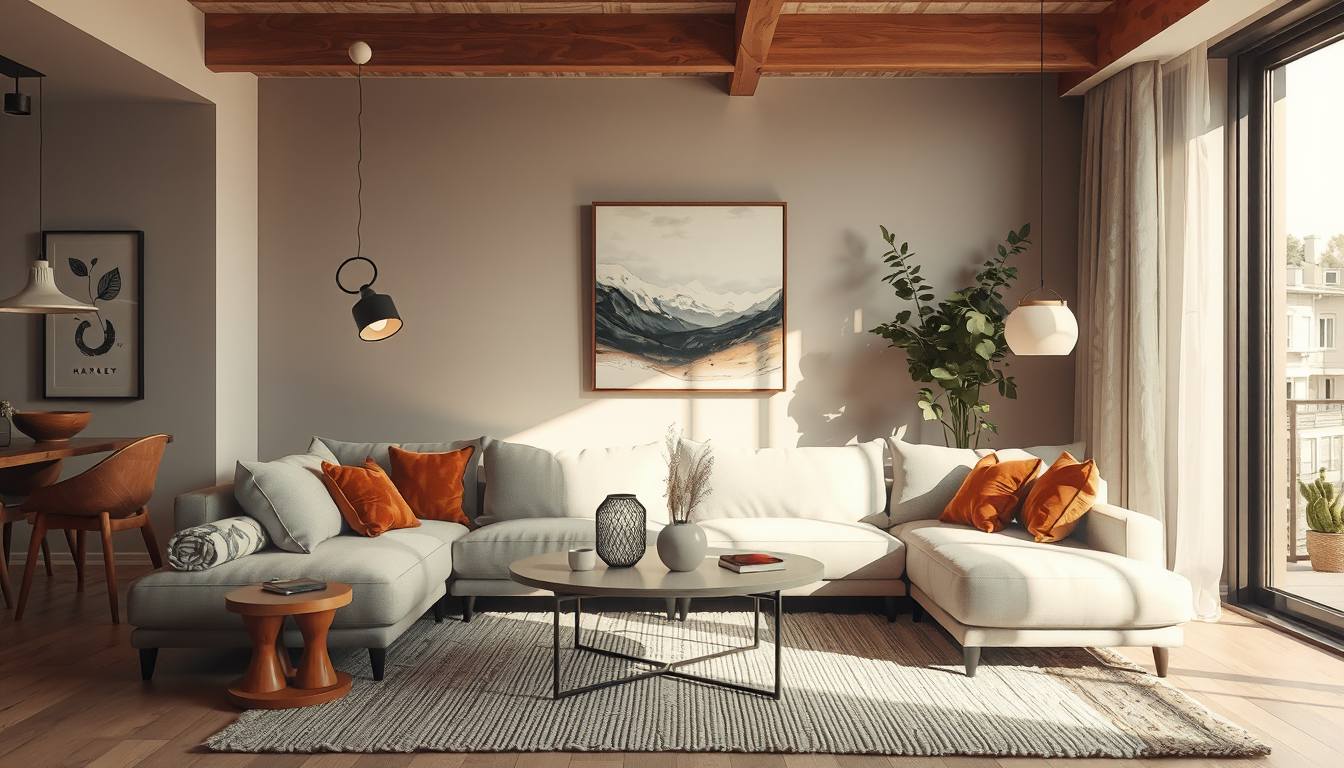
A dog den small apartment setup works best as an open-front console nook with a washable bed, moisture-resistant liner and vertical storage. Allow approximately 10–15 cm beyond your dog’s measured height and length, then confirm that the space permits standing, turning, stretching and lying down comfortably (Canadian Veterinary Medical Association; Toronto Interior Designer planning method).
Last updated: April 1, 2026 Affiliate disclosure: Toronto Interior Designer does not receive commissions from the products or retailers referenced in this guide.
Meta description: Create a dog den small apartment setup with Toronto-friendly sizing, washable materials, smart storage and winter cleanup tips.
What Makes a Dog Den for a Small Apartment Work?
The strongest design reclaims an underused nook without obstructing circulation. It combines a correctly sized bed, an open entrance, washable surfaces and storage that does not enter the dog’s usable space (Canadian Veterinary Medical Association; Toronto Interior Designer planning method).
A dog den small apartment setup works best as an open-front console nook with a washable bed, moisture-resistant liner and vertical storage.
A den should feel connected to the room while remaining comfortable, ventilated and voluntary for the dog. The Canadian Veterinary Medical Association recommends a resting or crate space large enough for the individual dog to stand, turn around, lie down and stretch comfortably (Canadian Veterinary Medical Association).
Which layout offers the best value?
An open console arrangement is generally the most adaptable option because its bed, liner and storage can be replaced independently. It can also move with a renter without requiring permanent wall-mounted cabinetry (Toronto Interior Designer planning assessment).
Furniture-style kennels provide greater visual enclosure, but their slats must maintain airflow and their hardware should not create snag points (Ontario SPCA and Humane Society).
| Layout option | Suggested footprint | 2026 planning budget | Best Toronto application |
|---|---|---|---|
| Bed beneath an open console | 61 × 91 cm | CAD $120–$250 | Rental or compact CityPlace condo |
| Freestanding bench den | 76 × 107 cm | CAD $250–$600 | Liberty Village one-bedroom |
| Furniture-style kennel | 91 × 122 cm | CAD $300–$900 | Junction loft or larger condo |
| Custom ventilated millwork | Site-specific | CAD $2,000–$5,000 | Owned condo with written approval |
These allowances are Toronto Interior Designer estimates based on comparable storage, pet-bed and floor-protection products from IKEA Canada, Canadian Tire and Ruggable Canada; they are not contractor quotations (Toronto Interior Designer, 2026).
Where Should You Put a Dog Den in a Small Apartment?
Source Scaled-Right Living Room Pieces
Start with apartment-scale sofas, nesting tables, and layered lighting that fit Toronto floor plans without overwhelming them.
Toronto Interior Designer may earn a commission if you shop through these links at no extra cost to you.
Place the den in a quiet living-space nook where the dog can observe household activity without resting in the main walking route (Toronto Interior Designer planning method). Suitable locations may include the open end of a media console, a recess beside a sofa or the space beneath a properly supported window bench.
Keep the den away from balcony doors, cooking splatter and operable entrance doors. Beds, gates and baskets must not narrow access to a suite exit (Toronto Fire Services).
Explore these Toronto living-space layouts before selecting a furniture footprint.
How much floor space should you test?
In a sample 550-square-foot CityPlace layout, begin by testing a 76 × 107 cm footprint beside the living-room wall (Toronto Interior Designer planning example). A Liberty Village condo may require a shallower 61 cm console, while a Junction semi may accommodate a deeper bench; these are design examples, not standard neighbourhood floor-plan dimensions (Toronto Interior Designer planning assessment).
Confirm the actual interior clearance rather than relying on the furniture’s outside dimensions. Legs, crossbars, hinges and storage bins can substantially reduce the space available to the dog (Toronto Interior Designer planning method).
How can you test the location before buying?
We tested proposed locations by outlining the complete furniture footprint with painter’s tape, adding nearby door swings and leaving the markings in place for 48 hours. The trial revealed whether residents stepped across the area, dining chairs collided with it or the dog preferred another resting place (Toronto Interior Designer field method).
Put the dog’s existing bed inside the outline during the test. For rentals, photograph the flooring and baseboards first, then use a separate moisture barrier instead of adhesive-backed protection (Toronto Interior Designer rental-planning guidance).
How Should You Measure a Small-Apartment Dog Den?
Measure the dog before selecting a cabinet or console. The finished interior must permit standing at natural height, turning without folding the body, lying on the side and stretching comfortably (Canadian Veterinary Medical Association).
Record these four dimensions while the dog is relaxed:
- Nose to base of tail.
- Floor to the top of the head or ears.
- Shoulder width at the widest point.
- Full sleeping length when comfortably stretched.
Add approximately 10–15 cm to the standing height and body length as a practical starting allowance, then test the proposed dimensions with the actual bed (Toronto Interior Designer planning method). This clearance is a design allowance, not a veterinary standard.
Why is weight alone insufficient?
Two dogs of the same weight may have different heights, proportions and sleeping positions, so a generic 61 × 91 cm bed will not suit every medium-sized dog (Canadian Veterinary Medical Association; Toronto Interior Designer planning assessment).
If the nook cannot accommodate all four essential movements, use it for supplies and place the bed elsewhere. A compact layout must not compromise the animal’s comfort to make the furniture fit (Canadian Veterinary Medical Association).
Should the den have a door?
A relaxation nook generally works best with an open entrance. If a crate-style door is needed for established training or transportation routines, introduce it gradually with reward-based conditioning and never use confinement as punishment (Canadian Veterinary Medical Association; Ontario SPCA and Humane Society).
Inspect the latch, hinges and wire spacing before every use. The dog should enter voluntarily during ordinary relaxation time, and the den should not replace exercise, supervision or veterinary care (Ontario SPCA and Humane Society; Canadian Veterinary Medical Association).
Which Dog Den Materials Work Best?
Use components that can be removed and cleaned separately: a washable bed cover, a waterproof or water-resistant liner and a low-pile floor layer (Toronto Interior Designer material specification). Keeping two bed covers in rotation leaves one available while the other is washed.
Washable and waterproof are not interchangeable. Check whether the care label applies to the cover, insert or entire bed, and confirm that the washable component fits the household machine (manufacturer care instructions).
For more fabric and basket combinations, see our Toronto décor and accent ideas and Canadian buyer guides.
Which finishes should you avoid?
Avoid deep-pile rugs that retain grit, loose-loop fabrics that may catch claws and unfinished fibreboard near wet walking gear (Toronto Interior Designer material assessment). Smooth, wipeable finishes are easier to maintain through Toronto’s wet and salty winter conditions (City of Toronto; Ontario SPCA and Humane Society).
Inspect seams, zippers and exposed hardware regularly. If a rug extends beneath the den, verify its dimensions in the room before ordering; even a 152 × 213 cm rug may overwhelm a narrow condo living area (Toronto Interior Designer space-planning assessment).
Which Storage Solutions Work Best?
Use one closed bin for clean towels and grooming supplies, one ventilated basket for dry walking gear and one washable tray for wet boots or paw-cleaning tools (Toronto Interior Designer organization method). Storage should remain outside the dog’s measured turning and sleeping area.
IKEA Canada sells stackable storage suited to freestanding arrangements, while Canadian Tire carries boot trays and utility mats in multiple Canadian-market dimensions (IKEA Canada; Canadian Tire). Compare exact measurements, delivery fees and current availability before ordering.
Custom cabinetry can borrow ideas from our Leslieville row-house built-in storage guide, but condo owners should obtain written alteration approval before commissioning fixed work (Condominium Authority of Ontario).
How Can You Winter-Proof a Dog Den in a Toronto Condo?
Create a two-stage cleanup routine: remove heavy moisture and road salt at the suite entrance, then complete a second paw wipe beside the den (Toronto Interior Designer winter-maintenance method). Toronto uses road salt as part of municipal winter operations, and the Ontario SPCA recommends wiping or washing exposed paws after winter walks (City of Toronto; Ontario SPCA and Humane Society).
Keep wet gear on a washable tray rather than inside the den. If irritation or suspected de-icer ingestion occurs, contact a veterinarian promptly (Ontario SPCA and Humane Society).
Can the den sit near a heat source?
Do not place the den against a radiator, baseboard heater or supply-air register. Keep the complete vent opening unobstructed and follow the appliance manufacturer’s required clearance, which varies by product (City of Toronto; manufacturer installation instructions).
Toronto apartment standards require landlords to maintain at least 21°C from September 15 through June 1, but residents should not regulate a den by blocking ventilation or heat sources (City of Toronto Municipal Code, Chapter 497).
Which Condo and Municipal Rules Apply?
Ontario condominium corporations may restrict pets or renovations through their declarations, bylaws and rules (Condominium Authority of Ontario). Before installing millwork, review pet limits, alteration forms, elevator-booking requirements and permitted construction hours.
Freestanding furniture usually creates fewer renovation complications than fixed cabinetry, but it does not override a corporation’s pet restrictions (Condominium Authority of Ontario). Renters should also obtain the owner’s written permission before making permanent alterations (Condominium Authority of Ontario).
Review our Toronto renovation guidance before adding fixed cabinetry.
What rules affect Toronto dog owners?
Dogs must be licensed and kept on a leash in public unless they are in an authorized off-leash area (City of Toronto Municipal Code, Chapter 349). The maximum permitted leash length outside an authorized off-leash area is 2 metres (City of Toronto, “Dogs in the City”).
An indoor den can organize walking supplies, but it does not replace walks or responsible handling. Dry leashes inside the suite rather than allowing them to extend into a shared corridor, and follow the building’s elevator and common-area rules (Condominium Authority of Ontario).
Which Dog Den Small Apartment Design Is Best?
For most Toronto renters, the best choice is an open-front console den with a washable bed, removable moisture liner and closed vertical storage. A practical planning budget is CAD $120–$600, based on comparable Canadian retail products (Toronto Interior Designer, 2026).
Choose a furniture-style kennel only if the dog already relaxes comfortably in an enclosed crate. Custom millwork is better reserved for an owned home with adequate clearance, a budget of approximately CAD $2,000–$5,000 and written condo approval where required (Toronto Interior Designer, 2026; Condominium Authority of Ontario).
The final design should be easy to clean, rearrange and remove without blocking an exit, vent or walking route (Toronto Fire Services; City of Toronto; Toronto Interior Designer planning method).
What Should Be on Your Small-Apartment Dog Den Checklist?
- Measure the dog in four positions rather than selecting a bed by weight alone (Canadian Veterinary Medical Association).
- Add approximately 10–15 cm of practical clearance, then test the interior with the actual bed (Toronto Interior Designer planning method).
- Tape the complete furniture footprint on the floor for 48 hours (Toronto Interior Designer field method).
- Preserve a clear route to the suite entrance (Toronto Fire Services).
- Keep 100% of radiator and HVAC openings unobstructed (City of Toronto).
- Maintain an open entrance and unobstructed airflow (Canadian Veterinary Medical Association).
- Buy two washable bed covers for rotation (Toronto Interior Designer maintenance method).
- Separate wet walking gear from clean textiles (Ontario SPCA and Humane Society).
- Confirm condo pet and alteration rules in writing (Condominium Authority of Ontario).
- Use reward-based training and never confinement as punishment (Canadian Veterinary Medical Association).
Frequently Asked Questions
How big should a dog den be in a small apartment?
A dog den must be large enough for the dog to complete 4 movements: stand, turn, lie down and stretch comfortably (Canadian Veterinary Medical Association). Add approximately 10–15 cm to the measured height and body length as a planning allowance, then test the space with the actual bed (Toronto Interior Designer planning method).
How much does a Toronto apartment dog den cost?
A freestanding Toronto dog den typically requires a planning budget of CAD $120–$600, based on comparable Canadian retail products (Toronto Interior Designer, 2026). Furniture-style kennels may cost CAD $300–$900, while custom ventilated millwork may cost CAD $2,000–$5,000 before site-specific upgrades (Toronto Interior Designer, 2026).
Can a dog den go beneath a console table?
Yes, a dog den can sit beneath a stable console if the interior supports all 4 essential movements: standing, turning, lying down and stretching (Canadian Veterinary Medical Association). Keep the entrance open and ensure that no leg, crossbar, cable or bin enters the measured space.
Can a dog den sit beside a radiator?
No, a dog den should not touch or block a radiator, baseboard heater or HVAC register. Keep 100% of the vent opening unobstructed and follow the heater manufacturer’s stated clearance (City of Toronto; manufacturer installation instructions).
How should Toronto renters manage salty winter paws?
Wipe or wash the dog’s paws after every salted winter walk, and keep 2 washable bed covers so the den remains usable during laundry (Ontario SPCA and Humane Society; Toronto Interior Designer maintenance method). Contact a veterinarian if the dog develops irritation or may have ingested de-icing material (Ontario SPCA and Humane Society).
Do Toronto condos have additional pet restrictions?
Yes, a Toronto condominium may regulate pets through 3 document types: its declaration, bylaws and rules (Condominium Authority of Ontario). Review all 3 before moving in or spending CAD $120–$600 on a freestanding den, and obtain written approval before installing fixed millwork.
Which Sources Support This Guide?
- Canadian Veterinary Medical Association — crate selection, positive conditioning and confinement guidance.
- City of Toronto: Dogs in the City — licensing, leashing and off-leash requirements.
- City of Toronto Municipal Code, Chapter 349 — animal-control requirements.
- City of Toronto Municipal Code, Chapter 497 — apartment-heating standards.
- City of Toronto winter maintenance — municipal road-salt and winter operations.
- Condominium Authority of Ontario — condominium pet rules and renovation governance.
- Ontario SPCA and Humane Society — crate-training and winter paw-safety guidance.
- Toronto Fire Services — residential exit and fire-safety guidance.
- IKEA Canada — Canadian storage and furniture reference pricing.
- Canadian Tire — Canadian boot-tray and utility-mat reference pricing.
- Ruggable Canada — washable-rug reference pricing.
Toronto Interior Designer Editorial Team | Residential Design Editors
The Toronto Interior Designer editorial team researches practical residential layouts, Canadian products and condo-friendly design solutions for Toronto and GTA households. Its coverage focuses on small-space planning, durable materials and Ontario housing requirements.
(/author/editorial-team/)
Finish the Room With Texture
Layer in rugs, side tables, and decor accents that warm up condo living rooms without adding clutter.
Toronto Interior Designer may earn a commission if you shop through these links at no extra cost to you.
Frequently Asked Questions
How big should a dog den be in a small apartment?
It should let your dog stand, turn, lie down and stretch comfortably, as recommended by the Canadian Veterinary Medical Association. Add 10–15 cm to your dog’s measured height and length as a practical clearance allowance.
How much does a Toronto apartment dog den cost?
Budget CAD $120–$600 for a freestanding setup based on comparable Canadian retail pricing. Custom millwork may cost CAD $2,000–$5,000, but prices vary by contractor, so obtain 3 quotes.
Can a dog den sit beside a radiator?
No; keep the den away from radiators, baseboard heaters and HVAC registers. Leave 100% of each vent opening unobstructed and follow the manufacturer’s clearance requirements.
Toronto Interior Designer is editorially independent. Our recommendations are based on research and editorial judgment, not brand sponsorships.