
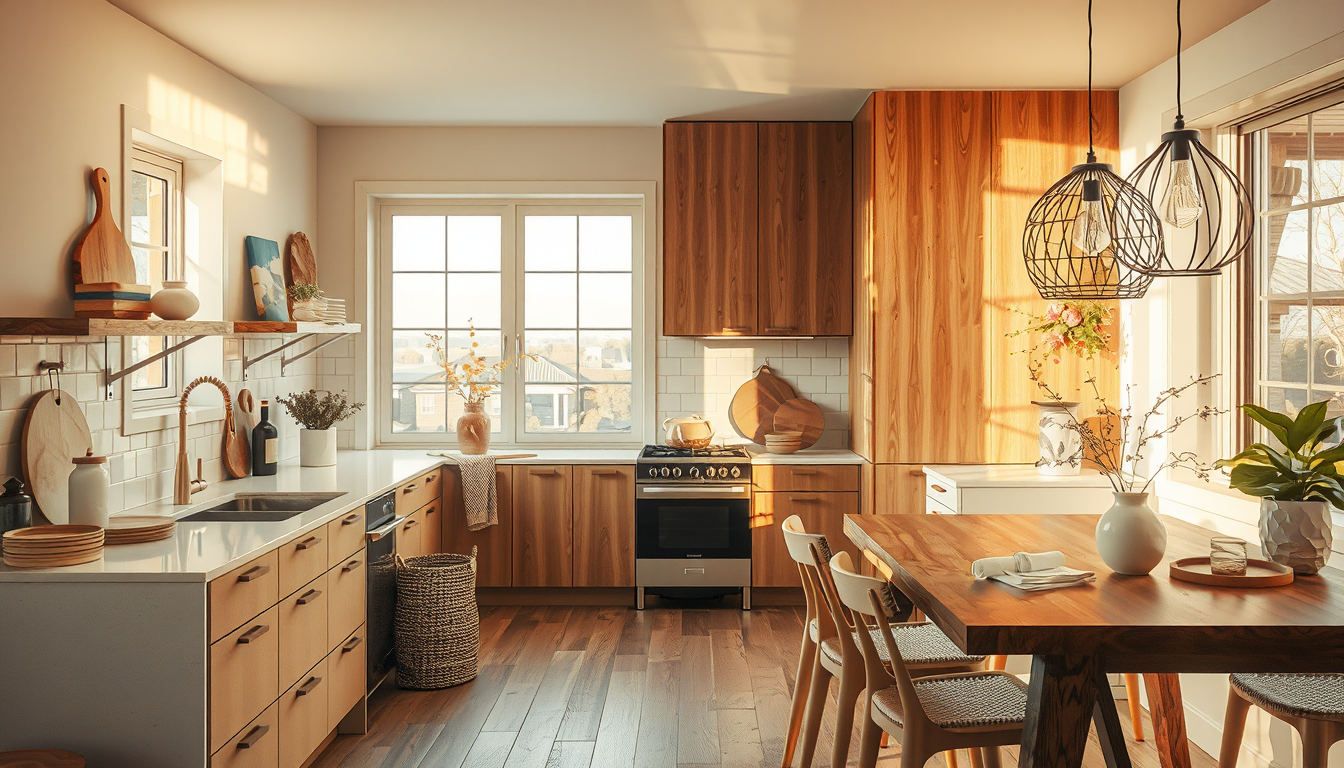
If you’re searching for galley kitchen ideas Canada homeowners actually use, here’s the thesis most design sites won’t give you: the galley layout isn’t a compromise — it’s the most efficient kitchen format in the country, and it deserves purpose-built solutions rather than generic small-space advice. More than half of Toronto condos built between 2005 and 2020 feature galley or single-wall kitchens, a direct result of unit footprint constraints in our vertical city . The same layout appears in postwar bungalows across the GTA and Victorian row houses from Cabbagetown to the Junction. At Toronto Interior Designer, we treat these kitchens as a specific Canadian typology — and the strategies below reflect that.
Why Galley Kitchens Dominate Canadian Homes
The galley kitchen persists across Canadian housing stock for a simple reason: it works. Two parallel counters place everything within a step or two, eliminating the wasted centre space of larger L- or U-shaped layouts. For condo dwellers managing 500–700 square feet, that efficiency is non-negotiable.
The format also aligns with how Canadians actually cook. Meal prep, batch cooking for the week, and holiday baking all benefit from a tight workflow triangle where the fridge, sink, and range sit within arm’s reach. The National Kitchen and Bath Association recommends a minimum corridor width of 42 inches for one cook and 48 inches for two — dimensions that most galley kitchens can meet or exceed with smart appliance selection .
The real advantage? Galley renovations cost less. Average kitchen renovation costs in Canada sit between $35,000 and $75,000, but galley-specific projects routinely come in 20–40 percent lower because there are fewer linear feet of cabinetry, no island to construct, and rarely any structural walls to move .
5 Layout Rules for the Best Galley Kitchen Workflow
Shop Dining Pieces for Narrow Layouts
Extendable tables, slim dining chairs, and compact pendants make a bigger impact than oversized statement pieces.
Toronto Interior Designer may earn a commission if you shop through these links at no extra cost to you.
Good galley design comes down to appliance placement and circulation. Follow these five rules to get the workflow right:
- Place the sink and range on opposite walls. This creates a natural pivot between prep and cooking without crossing the corridor repeatedly.
- Keep the fridge at one end of the galley, near the entrance. Groceries go in without disrupting someone cooking at the far end — critical in homes where the kitchen doubles as a hallway.
- Choose 24-inch appliances where space is tight. Compact ranges, dishwashers, and refrigerators from Bosch, Miele, and Fisher & Paykel save 12–18 inches of linear counter space compared to standard 30-inch models, all while delivering full functionality. These brands are widely available through Canadian retailers.
- Maintain at least 15 inches of counter on each side of the range. This is a code-compliant landing zone that also gives you room to set down a hot pot safely.
- If the galley is open at both ends, resist the urge to add a peninsula. An open pass-through keeps sightlines long and makes a narrow space feel connected to the rest of the home.
A galley kitchen isn’t a problem to solve — it’s a format to master. Every inch has a job, and the best ones feel like a cockpit: everything exactly where your hands expect it.
Galley Kitchen Storage Ideas That Maximize Every Inch
Storage is where galley kitchens either thrive or frustrate, and the right built-ins make all the difference. Pantry cabinets are now the single most-requested built-in feature among kitchen renovators . In a galley, that translates to tall, narrow pull-out pantry units — 12 to 15 inches wide — that use vertical space standard base cabinets ignore.
Here’s a breakdown of the highest-impact storage upgrades for Canadian galley kitchens:
| Storage Element | Recommendation | Budget Range (CAD) | Works Best In |
|---|---|---|---|
| Pull-out pantry tower | 12″–15″ wide, full-height with adjustable shelves | $1,200–$2,500 installed | End-of-run cabinet positions |
| Drawer-style base cabinets | Replace door-and-shelf bases with deep drawers | $800–$1,800 per run | Below-counter zones on both walls |
| Under-cabinet hooks and rails | Magnetic knife strips, rail-mounted spice jars | $50–$200 | Backsplash area between counter and uppers |
| Inside-cabinet door organizers | Lid racks, cutting board dividers, wrap holders | $30–$120 each | Upper cabinets near the range |
| Toe-kick drawers | Slim pull-out drawers in the kickplate zone | $300–$600 per drawer | Below the sink or range base |
The common thread: vertical and hidden storage beats countertop clutter every time. In a galley, clear counters aren’t just an aesthetic choice — they’re the difference between a functional workspace and a frustrating one. For more ideas on built-in storage strategies that work in tight Canadian spaces, see our guide to bedroom storage ideas — many of the same principles apply to kitchen cabinetry.
Lighting and Colour Tricks to Widen a Narrow Kitchen in Canada
Canada gets four to five months of limited natural daylight, and galley kitchens — often interior rooms with one window at best — feel it the most. Lighting is the single highest-impact upgrade you can make, and it costs the least relative to what it transforms.
Under-cabinet LED task lighting should be your first move. Drawing only 8–12 watts per linear foot, LED strips eliminate the shadows that overhead pot lights cast in narrow corridors. Install them along both walls to create even, shadow-free work surfaces. Warm white (2700K–3000K) keeps the space from feeling clinical.
Colour strategy matters. Light-coloured cabinetry paired with reflective backsplash materials — polished ceramic subway tile, glass mosaic, or even stainless steel — can make a narrow kitchen appear significantly wider. This effect is especially valuable during Toronto’s grey winter months when natural light drops sharply. The “sidesplash” trend, which extends backsplash material up the sides of window frames and around corners, adds continuity that tricks the eye into reading the room as larger.
For flooring, run planks lengthwise down the corridor to emphasize depth. Light oak or pale maple in a matte finish reads warm without absorbing the light you’ve worked to create. Avoid dark grout lines — they visually chop the floor into segments and shorten the room.
If you’re considering broader renovation tips for your home, these same colour and lighting principles scale well beyond the kitchen.
Real Galley Kitchen Renovation Costs in Canada
Budgeting a galley renovation is more straightforward than larger kitchen projects because the scope is naturally contained. Here’s what Toronto Interior Designer typically sees for galley-specific work:
- Cosmetic refresh (paint, hardware, lighting, backsplash): $5,000–$12,000
- Cabinet refacing with new countertops: $15,000–$25,000
- Full gut and rebuild with new appliances: $28,000–$50,000
These numbers run below national averages precisely because galley kitchens involve less material, fewer trades, and no structural demolition in most cases. If you’re swapping to 24-inch appliances, factor in $2,000–$5,000 in savings versus 30-inch equivalents — plus the counter space you gain back.
For complementary projects that add value alongside a kitchen renovation, our built-in home office ideas guide covers similar space-maximizing strategies for adjacent rooms.
What to Do Next
The best galley kitchen ideas Canada homeowners can act on start with measurement, not Pinterest. Here’s your checklist:
- Measure your corridor width. If it’s under 42 inches, prioritize 24-inch appliances and slim-profile cabinetry before anything cosmetic.
- Audit your storage vertically. Count unused inches above your current upper cabinets and below your base cabinets — that’s where your next 20 percent of storage lives.
- Install under-cabinet LED lighting first. It costs under $200 for a full galley run and immediately changes how the space feels and functions.
- Get three contractor quotes. Galley renovations are scoped tightly enough that quotes should be comparable — wide variance usually signals unclear scope.
- Bring your floor plan to a design consultation. A professional eye catches workflow issues and code constraints that mood boards miss.
The galley kitchen is Canada’s workhorse layout. It doesn’t need to be opened up, knocked down, or apologized for — it needs to be designed with the precision its format demands.
Start With Functional Basics
For budget-friendly kitchen and dining updates, focus on stools, storage, and lighting before decorative extras.
Toronto Interior Designer may earn a commission if you shop through these links at no extra cost to you.
Sources
- Urbanation condo market data — https://www.urbanation.ca/
- NKBA Kitchen Planning Guidelines — https://nkba.org/
- HomeStars renovation cost guide — https://homestars.com/
- Domino kitchen trends — https://www.domino.com/
Frequently Asked Questions
How wide should a galley kitchen be in Canada?
The National Kitchen and Bath Association recommends a minimum corridor width of 42 inches for one cook and 48 inches for two. Most Canadian galley kitchens meet these dimensions with proper appliance selection, including 24-inch compact models that free up extra space.
How much does a galley kitchen renovation cost in Canada?
A cosmetic refresh runs $5,000–$12,000 CAD, cabinet refacing with new countertops costs $15,000–$25,000, and a full gut renovation with new appliances typically falls between $28,000–$50,000 — well below national averages for larger kitchen layouts.
What is the best storage solution for a narrow galley kitchen?
Pull-out pantry towers (12–15 inches wide) and drawer-style base cabinets deliver the highest impact. Vertical and hidden storage such as toe-kick drawers and inside-cabinet door organizers maximize every inch without adding countertop clutter.