
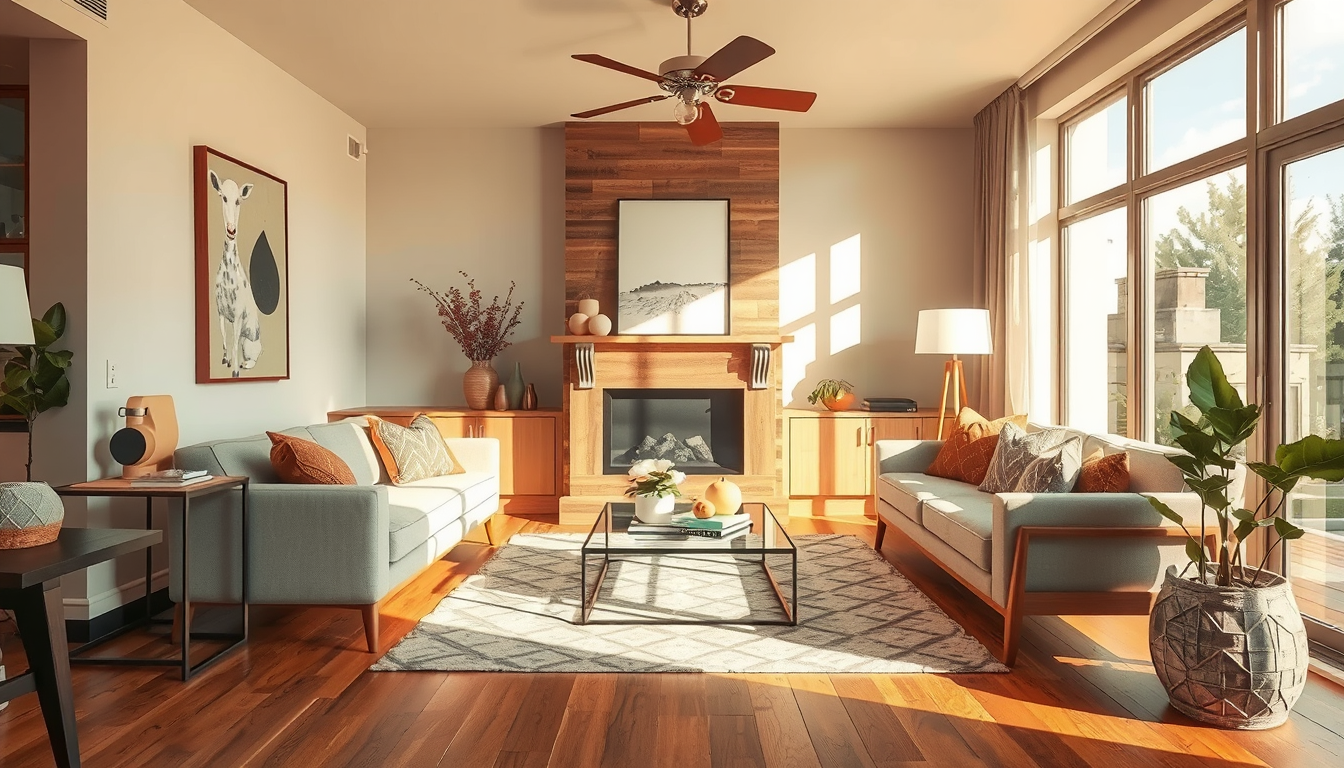
If you’re weighing hardwood vs engineered wood flooring Canada homeowners face a decision that goes far beyond aesthetics. Your floors are the single largest surface in any room, and in a climate where indoor humidity swings from 15% in January to 80% in August, the wrong choice warps, gaps, and costs you thousands. Here at Toronto Interior Designer, we’ve watched engineered wood quietly overtake solid hardwood in urban renovations — and the reason isn’t trend-chasing. It’s physics. Engineered wood’s cross-layer construction delivers roughly 70–80% more dimensional stability than solid hardwood through those brutal seasonal humidity cycles . This guide breaks down exactly when each option makes sense for Canadian homes.
Solid Hardwood vs Engineered Wood Flooring: The Real Difference
Solid hardwood is exactly what it sounds like: a single plank of wood, typically 3/4-inch thick, milled from one species. It’s been the gold standard in Canadian homes for over a century.
Engineered wood uses a real hardwood top layer — called the wear layer — bonded to multiple cross-grain plywood or HDF layers underneath. That layered construction is what gives it superior stability. Think of it like plywood logic applied to a premium finish.
The visual difference? Almost none. A quality engineered plank with a 4mm wear layer looks and feels identical underfoot. The performance difference, however, is significant — especially in Canada.
| Option | Typical Toronto Cost (CAD) | Best For | Notes |
|---|---|---|---|
| Solid hardwood (red oak, maple) | $8–$14/sq ft installed | Heritage homes, main-floor living areas | Requires acclimatization; not radiant-heat compatible |
| Engineered hardwood (standard) | $6–$10/sq ft installed | Condos, basements, open-concept layouts | Works over radiant heat and concrete subfloors |
| Engineered hardwood (premium 4mm+ wear layer) | $10–$12/sq ft installed | High-traffic family homes wanting refinish options | Can be sanded and refinished 3–5 times |
| Solid hardwood refinish (existing floors) | $3–$5/sq ft | Homeowners preserving original floors | Often the most cost-effective move in older Toronto homes |
| Wide-plank engineered (7″+ width) | $11–$14/sq ft installed | Modern condos, Neo Deco styling | On-trend for 2026; wider planks show more grain character |
Pricing reflects 2026 GTA contractor estimates. Always get three quotes.
How Canadian Winters Damage Hardwood Floors (and Why Engineered Wins)
Price Out the High-Impact Pieces First
Before committing to a renovation mood board, benchmark the furniture, lighting, and storage pieces that set the tone.
Toronto Interior Designer may earn a commission if you shop through these links at no extra cost to you.
This is where the conversation shifts from preference to performance — and where most U.S.-centric design advice falls short.
Forced-air heating drops indoor relative humidity to 15–25% in winter, then summer pushes it back to 60–80%. Solid hardwood expands and contracts with every shift. Over a few seasons, you’ll see gapping between boards in winter and cupping in summer, especially in wider planks over 5 inches. In older Toronto homes with inconsistent HVAC, these cycles hit even harder.
Engineered wood handles this far better. The cross-grain layers counteract each other’s movement, keeping the plank dimensionally stable through those swings. This is why engineered hardwood now accounts for an estimated 60% or more of new residential flooring installations in Canadian urban markets.
“In Toronto condos with radiant in-floor heating, we almost always specify engineered hardwood. Solid wood over radiant heat is a warranty issue waiting to happen — the sustained bottom-up warmth dries the wood unevenly and accelerates movement.”
Radiant heating compatibility is a major factor. Many new Toronto condos come equipped with hydronic or electric radiant systems. Engineered wood is approved for radiant installations; solid hardwood generally is not recommended by manufacturers or installers. If you’re renovating a condo, this alone may make the decision for you.
Avoid This Mistake
Don’t install solid hardwood in a below-grade basement — even a finished one. Toronto’s clay-heavy soil and spring water table create moisture conditions that solid wood can’t handle long-term. Engineered wood over a proper vapour barrier is the correct spec. We cover more basement and living space renovation strategies in our living spaces guide.
Hardwood vs Engineered Wood Flooring Cost in Toronto (2026 Pricing)
For a typical 800-square-foot main-floor installation in the GTA, here’s what the numbers look like:
Solid hardwood (domestic red oak): $6,400–$11,200 installed, including subfloor prep, materials, and finishing. Add $800–$1,500 if your subfloor needs levelling — common in Toronto homes built before 1970.
Engineered hardwood (mid-range): $4,800–$8,000 installed. The lower labour cost comes partly from click-lock installation options that reduce time on-site.
Engineered hardwood (premium wide-plank): $8,800–$11,200 installed. At this tier, you’re getting a thick wear layer and species options like white oak or walnut that rival any solid plank.
The long-term math matters too. Solid hardwood can be refinished 8–10 times over its lifespan — we’re talking 100+ years of floor. Engineered wood with a 4mm+ wear layer gets 3–5 refinishes, which still translates to 40–60 years of service. For most homeowners, that’s the life of the home.
One hidden cost advantage of engineered: it can go directly over concrete subfloors, eliminating the need for sleepers or a plywood subfloor layer. In condo renovations, this saves $2–$4 per square foot in prep work.
Best Flooring by Room: Toronto Condos, Basements, and Family Homes
Main-floor living and dining areas: Either option works well here. If you own a detached home, plan to stay long-term, and want maximum refinish potential, solid hardwood is a strong choice. For condos or homes with open-concept layouts over concrete, engineered wins on stability and installation flexibility.
Kitchens: Engineered hardwood handles the moisture fluctuations near sinks and dishwashers better than solid. If you’re planning a kitchen renovation, pairing engineered floors with practical cabinetry — like the layouts in our IKEA kitchen ideas guide — keeps the overall budget in check.
Basements: Engineered only. No debate. The moisture and temperature conditions below grade rule out solid hardwood entirely.
Bedrooms: Solid hardwood’s warmth and quiet feel underfoot make it lovely here, but engineered with a quality underlay feels just as good and costs less. Your call.
Condos with radiant heat: Engineered hardwood is the only responsible recommendation. Toronto Interior Designer consistently specs engineered in condo projects for this reason.
For rooms where you’re also selecting furniture and finishes, the warm wood tones trending in 2026’s Neo Deco aesthetic pair beautifully with quiet luxury material choices — think matte brass hardware, bouclé textiles, and fluted millwork over rich oak or walnut floors.
Why Toronto Designers Choose Engineered Wood Flooring in 2026
The shift is real. Among Toronto Interior Designer projects completed in the past two years, engineered hardwood has been specified in the majority of residential renovations. The reasons stack up: radiant heat compatibility, superior performance through humidity cycling, lower installed cost, and virtually identical appearance.
That said, solid hardwood still earns its place. In century homes with existing solid floors, refinishing rather than replacing is almost always the smarter investment — both financially and aesthetically. And for homeowners building a forever home with controlled humidity (whole-house humidifier, HRV system), solid hardwood’s unlimited refinish potential is a genuine long-term advantage.
The practical answer for most Toronto homeowners in 2026: choose engineered hardwood with a 4mm+ wear layer in a Canadian species like white oak or maple. You get the look, the durability, and the climate resilience — at a lower price point.
What to Do Next
When you’re ready to make a decision on hardwood vs engineered wood flooring for your Canadian home, follow these steps:
- Get three quotes from GTA flooring installers. Specify the species, plank width, and wear-layer thickness you want so quotes are comparable.
- Check your subfloor. Concrete slab? Radiant heat? Below-grade space? These conditions point directly to engineered.
- Request samples and live with them for a week. Tape them to your floor in the actual room. See how they look in morning light and at night under your fixtures.
- Ask about acclimatization requirements. Solid hardwood needs 7–14 days to adjust to your home’s conditions before installation. Engineered typically needs less.
- Confirm the wear-layer thickness on any engineered product. Below 3mm, you lose refinish options. Aim for 4mm or above.
- Budget for the unsexy stuff: subfloor prep, vapour barriers, transitions, and baseboards add 15–20% to the material-and-labour quote.
Balance Budget and Finish Quality
Mix accessible basics with a few standout pieces so the room feels layered rather than one-note.
Toronto Interior Designer may earn a commission if you shop through these links at no extra cost to you.
Sources
- National Wood Flooring Association technical guidelines — https://www.nwfacertified.org
Frequently Asked Questions
Is engineered wood flooring better than solid hardwood in Canada?
For most Canadian homes, engineered wood outperforms solid hardwood because its cross-layer construction is 70–80% more dimensionally stable through extreme seasonal humidity swings. It also works over radiant heat and concrete subfloors, making it ideal for Toronto condos and basements.
How much does hardwood vs engineered wood flooring cost in Toronto?
In the GTA, solid hardwood runs $8–$14 per square foot installed, while engineered hardwood ranges from $6–$12 per square foot installed. For an 800 sq ft main floor, that means engineered can save $1,600–$3,200 overall, especially when subfloor prep costs are lower.
Can you install solid hardwood over radiant heat in Canada?
No. Most manufacturers and installers advise against solid hardwood over radiant heating systems. The sustained bottom-up warmth dries wood unevenly and accelerates warping. Engineered hardwood is the approved and recommended option for radiant heat installations in Canadian homes.