
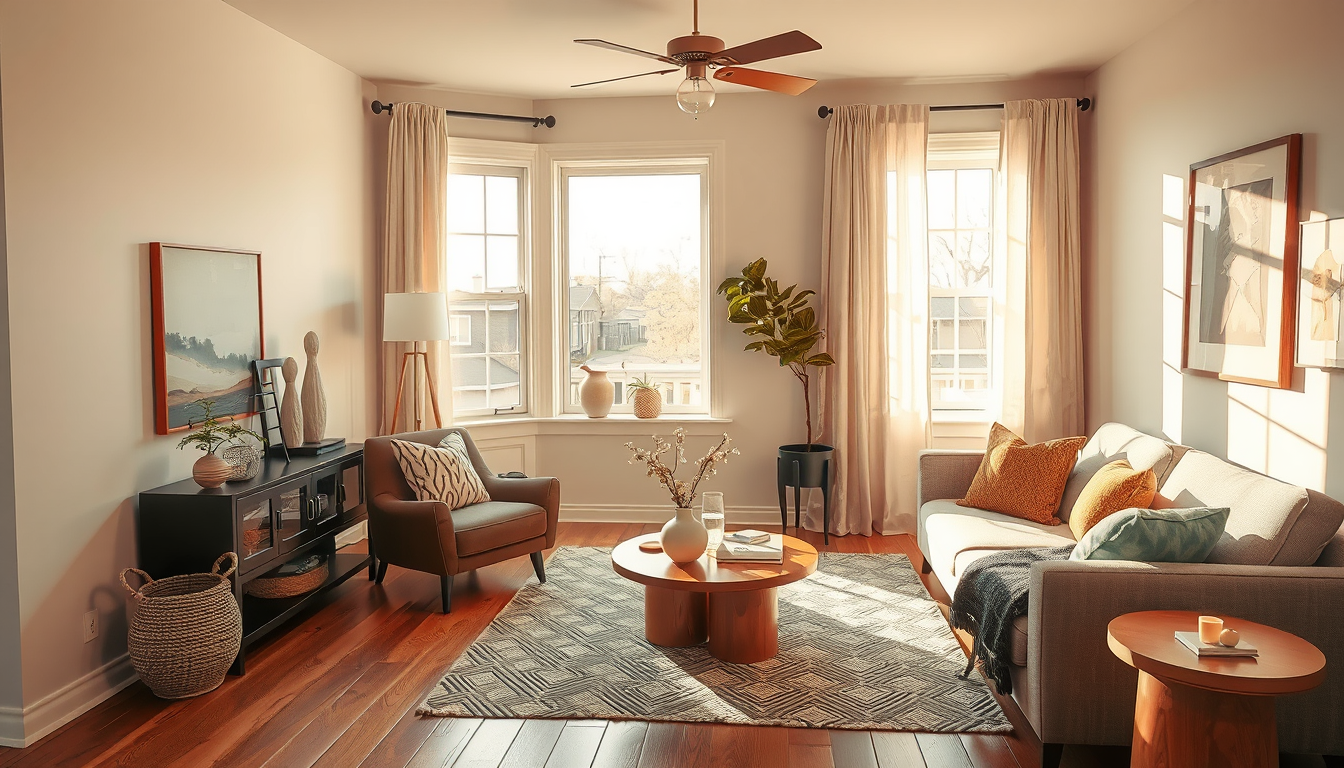
Understanding the home renovation order of operations Canada homeowners need to follow is the single most important step before you pick up a sledgehammer or sign a contractor’s quote. Get the sequence wrong and you’ll pay for it — literally. We’ve seen Toronto homeowners tear out brand-new drywall because they skipped an electrical inspection, or watch $4,000 in hardwood flooring buckle because it was installed before the HVAC rough-in was complete. The correct order isn’t a suggestion; it’s a blueprint that protects your budget, your timeline, and your sanity. Here’s the phase-by-phase guide we use at Toronto Interior Designer for every project we touch.
Toronto Home Renovation Costs: What Each Phase Runs in 2026
Before mapping the sequence, you need realistic numbers. Toronto renovation costs run higher than the national average thanks to permit fees, trade demand, and material logistics in a dense urban core. Canadian renovation spending reached roughly $80 billion in 2025, and GTA kitchen and bathroom projects sit firmly above national averages .
| Upgrade | Typical Toronto Cost (CAD) | Best For | Notes |
|---|---|---|---|
| Full kitchen renovation | $35,000–$75,000 | Homeowners planning to stay 5+ years | Plumbing relocation adds $3K–$8K; small condo kitchens benefit from layout-first planning |
| Full bathroom renovation | $15,000–$40,000 | Dated condos and pre-war homes | Waterproofing and ventilation are non-negotiable in Toronto’s humidity swings |
| Structural work (load-bearing wall removal) | $8,000–$20,000 | Open-concept conversions | Requires engineer’s report + building permit; budget 8–16 weeks for City approval |
| Electrical panel upgrade + rewiring | $4,000–$12,000 | Older homes with 60- or 100-amp service | ESA inspection mandatory before walls close |
| Flooring (hardwood, full home) | $8,000–$18,000 | Any major reno — always install after drywall and paint | Engineered hardwood handles Toronto’s seasonal humidity shifts better than solid |
These ranges assume a typical 800–1,400 sq ft Toronto home or condo. Costs shift fast once you add custom cabinetry, permit complications, or mid-project scope changes — so build a 15–20% contingency into every line item from the start.
Phase 1: Planning, Permits, and Ontario Building Code Requirements
Price Out the High-Impact Pieces First
Before committing to a renovation mood board, benchmark the furniture, lighting, and storage pieces that set the tone.
Toronto Interior Designer may earn a commission if you shop through these links at no extra cost to you.
Every successful renovation starts months before demo day. In Toronto, residential building permits take 8–16 weeks for major work involving structural, mechanical, or plumbing changes. Minor interior permits — think non-structural partition walls or fixture swaps — process faster at 2–4 weeks, but you still need them .
Here’s your planning checklist:
- Define scope and budget. Lock down exactly what you’re changing before contacting trades. Vague scopes produce vague quotes — and vague quotes produce change orders that blow your budget.
- Hire a designer or architect. For anything beyond cosmetic updates, professional drawings speed up permit approvals and reduce contractor confusion.
- Submit permits early. Ontario Building Code requires permits for structural modifications, plumbing relocation, electrical work, and HVAC changes. Apply in late fall or winter to beat the spring rush.
- Confirm HST obligations. Ontario’s 13% HST applies to all renovation labour and materials. Phasing work across calendar years does not reduce HST, but the federal Multigenerational Home Renovation Tax Credit covers up to $50,000 in eligible expenses for qualifying secondary suite additions .
“The homeowners who save the most aren’t the ones who find the cheapest contractor — they’re the ones who finalize every decision before the first wall comes down.”
Phase 2: Structural and Mechanical Rough-Ins — The Critical Sequence
Once permits are approved and demo is complete, the build-back follows a rigid order. Deviating from this sequence triggers failed inspections, rework, and budget overruns.
Step 1: Structural work. Load-bearing wall removals, beam installations, and foundation repairs come first. Nothing else can proceed until the structure is sound and inspected.
Step 2: Electrical, plumbing, and HVAC rough-in. These three trades work in the open wall cavities simultaneously or in quick succession. The critical detail for Ontario homeowners: the Electrical Safety Authority requires a rough-in inspection before any walls are closed. Skip this, and you’ll be tearing out finished drywall to expose wiring for the inspector . Plumbing rough-ins also require municipal inspection in Toronto — your contractor should schedule both inspections within the same window to avoid idle days on-site.
Step 3: Insulation and vapour barrier. After mechanical rough-ins pass inspection, insulation goes in. In Toronto’s climate — where winter lows hit –20°C and summer humidity soars — proper insulation and vapour barrier placement directly affect energy costs and long-term wall health.
Step 4: Drywall. Only after insulation is inspected and approved do drywall crews move in. Taping, mudding, and sanding follow, and this phase needs adequate time to cure before painting — typically three to five days depending on humidity levels.
This sequence protects you from the most expensive renovation mistake in Canada: closing walls before inspections are complete.
Phase 3: Finishes — The Proven Order for Paint, Floors, and Cabinetry
With walls sealed and inspected, the finish phase follows its own precise order:
- Priming and painting. Always paint before flooring goes in. Drop cloths are not a substitute for proper sequencing — paint drips on new hardwood mean sanding and refinishing. If you’re choosing colours, our guide to the best warm neutral paint colours in Canada covers tones that work with Toronto’s natural light conditions year-round.
- Flooring installation. Hardwood, tile, or LVP goes down on clean, painted surfaces. Allow engineered hardwood to acclimatize in the room for 48–72 hours before installation — Toronto’s seasonal humidity swings demand it.
- Cabinetry and millwork. Kitchen cabinets, bathroom vanities, and built-in storage are all installed on finished floors so nothing needs to be shimmed or undercut later.
- Fixtures, hardware, and trim. Lighting, faucets, outlets, baseboards, and door casings complete the space.
- Final paint touch-ups. After trim and fixtures are installed, a final pass catches nail holes and scuffs from the install process.
At Toronto Interior Designer, we tell every client: the finish phase is where your patience pays off. Rushing cabinetry installation before floors are level, or hanging fixtures before final paint, creates a cascade of small problems that add up fast.
Avoid This Costly Mistake
Don’t order materials before your permits are approved. We see this constantly in Toronto: a homeowner orders $12,000 in custom cabinetry based on preliminary drawings, then the permit review requires a layout change. Custom cabinetry is non-refundable. Wait until permits are stamped and your contractor confirms final measurements before committing to any custom orders. The same applies to oversized fixtures in compact Toronto condos — measure the space with final wall positions, not assumptions.
Best Seasonal Schedule for Toronto Home Renovations
Toronto’s construction calendar has a clear rhythm, and smart homeowners use it to their advantage.
- October–January (off-season planning): Finalize designs, submit permits, and book trades. Contractors are more available and some offer 10–15% off-season pricing to keep crews busy through winter.
- February–March (pre-spring lock-in): Confirm your contractor schedule. HVAC contractors book out fastest — lock them in before March if your project includes ductwork or forced-air changes.
- April–June (peak season): Demo and structural work. Longer daylight hours and warmer temps make this ideal for any work involving exterior walls or open structures.
- July–September (finish work): Interior finishes, cabinetry, and painting. Climate-controlled spaces allow proper drying and curing times.
For more ideas on making the most of every room during and after renovation, explore our renovation tips archive.
What to Do Next
Understanding the renovation order of operations that Canadian contractors and inspectors expect isn’t optional — it’s the foundation of every project that finishes on time and on budget. Whether you’re opening up a galley kitchen or gutting a century home, the sequence is your roadmap.
- Start your permit application now — even if construction is months away, the 8–16 week City of Toronto timeline starts the day you submit
- Book your top three trades for quotes — get pricing from at least three licensed contractors for each major phase
- Confirm your inspection requirements with the ESA and your local building inspector before finalizing your schedule
- Set your material budget at 70% of your total — reserve 30% for labour, permits, and the surprises every Toronto renovation delivers
- Lock in off-season trades if your timeline allows a winter start — your wallet will thank you in spring
Balance Budget and Finish Quality
Mix accessible basics with a few standout pieces so the room feels layered rather than one-note.
Toronto Interior Designer may earn a commission if you shop through these links at no extra cost to you.
Sources
- CMHC Housing Market Data — https://www.cmhc-schl.gc.ca/professionals/housing-markets-data-and-research
- City of Toronto Building Permits — https://www.toronto.ca/city-government/planning-development/building-permits/
- Canada Revenue Agency — https://www.canada.ca/en/revenue-agency.html
- Electrical Safety Authority Ontario — https://esasafe.com/
Frequently Asked Questions
What is the correct order of operations for a home renovation in Canada?
The correct home renovation order of operations in Canada follows five phases: planning and permits, structural work, mechanical rough-ins (electrical, plumbing, HVAC), insulation and drywall, then finishes including paint, flooring, cabinetry, and fixtures. Each phase must pass inspection before the next begins.
How long does it take to get a building permit in Toronto?
Major residential building permits in Toronto take 8 to 16 weeks for structural, mechanical, or plumbing changes. Minor interior permits for non-structural work process faster at 2 to 4 weeks. Submitting in fall or winter helps avoid the spring rush.
Should I paint before or after installing flooring in a renovation?
Always paint before installing flooring. Paint drips on new hardwood or tile mean costly sanding and refinishing. Proper sequencing protects your flooring investment and eliminates the need for risky workarounds like drop cloths on finished surfaces.