
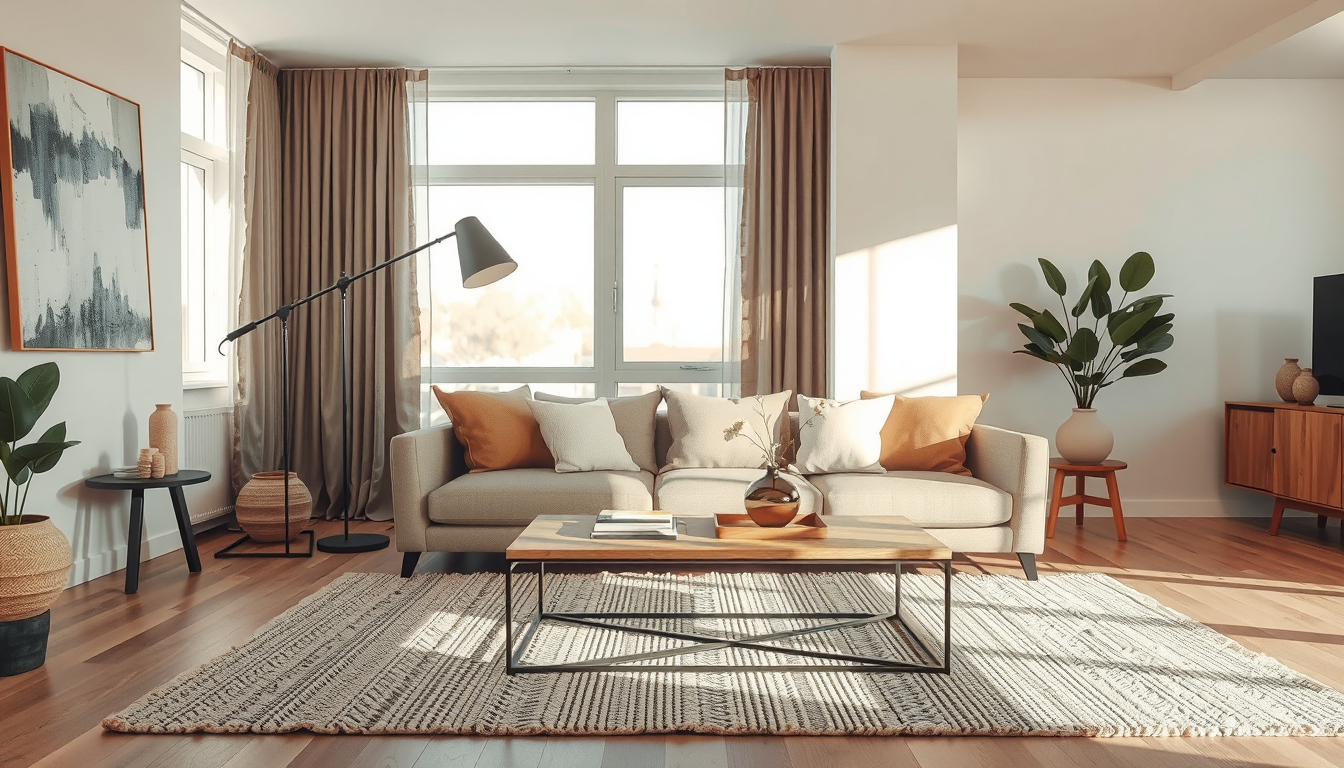
If you are figuring out how to choose coffee table Canada homes deserve, start with one truth most retailers will not tell you: the wrong coffee table can make a well-designed living room feel cramped, cluttered, or disconnected. In Canadian homes — especially Toronto condos averaging 700 to 900 square feet — your coffee table is not just a surface for mugs and remotes. It anchors your seating layout, sets the material tone for the entire room, and needs to survive everything from humid August evenings to salt-crusted winter boots parked nearby. This guide covers the sizing math, material trade-offs, and Canadian sourcing options that actually matter.
How to Size a Coffee Table for Your Canadian Living Room Layout
Getting the proportions right eliminates 80% of coffee table regret. Two rules do the heavy lifting:
The two-thirds rule. Your coffee table should be roughly two-thirds the length of your sofa. A 90-inch sofa pairs with a 60-inch table; a compact 72-inch apartment sofa calls for something closer to 48 inches. Go shorter than two-thirds and the table looks like an afterthought. Go longer and it blocks traffic flow — a real problem in narrow Toronto living rooms where the front door often opens directly into the main seating area.
The height rule. Standard coffee table height sits between 40 and 50 cm (16 to 20 inches), ideally level with or just below your sofa seat cushions. A mismatch of more than 5 cm in either direction feels awkward to reach and looks visually off-balance.
| Sofa Length | Ideal Table Length | Recommended Table Height | Minimum Clearance (All Sides) |
|---|---|---|---|
| 72 in (183 cm) | 46–48 in (117–122 cm) | 40–50 cm (16–20 in) | 40 cm (16 in) |
| 84 in (213 cm) | 54–56 in (137–142 cm) | 40–50 cm (16–20 in) | 40 cm (16 in) |
| 90 in (229 cm) | 58–60 in (147–152 cm) | 40–50 cm (16–20 in) | 40 cm (16 in) |
| Sectional / L-shape | Square or round table | 40–50 cm (16–20 in) | 45 cm (18 in) |
Leave at least 40 cm of clearance between the table edge and surrounding furniture or walls. In tighter layouts, consider a round or oval table — the absence of corners makes a room feel more open and keeps traffic lanes passable. For more layout strategies in compact spaces, check out our living spaces guide.
5 Most Popular Coffee Table Styles in Canadian Homes Right Now
Source Scaled-Right Living Room Pieces
Start with apartment-scale sofas, nesting tables, and layered lighting that fit Toronto floor plans without overwhelming them.
Toronto Interior Designer may earn a commission if you shop through these links at no extra cost to you.
Style trends shift, but these five consistently appear in Toronto Interior Designer projects and across Canadian shelter media. Understanding which silhouette suits your space will narrow your search considerably.
- Mid-century modern with tapered legs. Clean sightlines underneath make small rooms feel bigger. Walnut and white oak are the dominant finishes.
- Minimalist slab or waterfall. A thick solid-wood or concrete top with no visible legs. Dramatic in open-concept condos but heavy — confirm your floor can handle it.
- Round pedestal. Having a moment thanks to the curved-furniture trend. Works beautifully with sectionals and L-shaped seating where a rectangular table would crowd one side.
- Nesting or stacking sets. Two or three tables that tuck together when not in use. Ideal for condo dwellers who need flexible entertaining space.
- Vintage or artisan one-offs. Reclaimed-wood slabs, hand-forged metal bases, and secondhand finds from Facebook Marketplace or Etsy Canada. The “lived-in layered” aesthetic that publications like Domino and Architectural Digest keep featuring .
“A coffee table should be the hardest-working piece in your living room — it holds your morning coffee, your Friday wine, your kid’s homework, and it still needs to look good doing all of it.”
Wood, Stone, Glass, or Metal: Best Coffee Table Materials for Canada
Once you have settled on a style, material selection is where Canadian-specific thinking matters most. Toronto homes experience humidity swings from roughly 15% in winter (when forced-air heating dries indoor air) to 60% or higher in summer . That cycle wreaks havoc on cheap, unsealed wood and porous stone.
Solid hardwood (walnut, maple, white oak). The best all-around choice for Canadian conditions when properly kiln-dried and sealed. Canadian solid-wood furniture typically costs 20 to 40% more than imported engineered-wood equivalents, but lasts three to five times longer — a lifecycle cost argument worth considering before defaulting to the cheapest option. Ontario and Quebec mills produce excellent walnut and white oak stock.
Engineered wood and veneer. Budget-friendly and increasingly well made. Look for quality veneer over MDF rather than paper-thin laminate, and check edge finishing — that is where humidity damage shows up first.
Stone and concrete. Marble and travertine tops are beautiful but require sealing and careful maintenance. Concrete is more forgiving but extremely heavy. Both are cold to the touch through Canadian winters, which some people love and others find uncomfortable.
Glass. Opens up visual space in small rooms but shows every fingerprint and scratch. Tempered glass is non-negotiable for safety. Consider a glass top with a wood or metal base as a compromise.
Metal. Brass, black steel, and powder-coated iron frames are durable and humidity-proof. Pair with a wood top to avoid an industrial-only feel. If you are choosing materials for other high-use surfaces, similar durability logic applies — our quartz vs granite countertops breakdown covers the same sealed-vs-porous trade-off for kitchens.
Where to Buy a Coffee Table in Canada — Prices, Retailers & Shipping
With your size, style, and material locked in, the next step is sourcing. No single competitor guide covers Canadian options well, so here is the lay of the land. All prices are in CAD.
| Retailer | Price Range (Coffee Tables) | Shipping Threshold | Best For |
|---|---|---|---|
| Structube | $150–$600 | Free over $999 | Budget-friendly modern designs |
| EQ3 | $400–$1,500 | Free over $999 | Canadian-designed mid-range |
| Article | $300–$1,200 | Free over $999 | Mid-century and Scandinavian styles |
| CB2 Canada | $400–$2,000 | Varies | Statement and designer-forward pieces |
| Etsy Canada (local makers) | $500–$3,000+ | Varies by seller | Custom, reclaimed, and artisan work |
| Facebook Marketplace / Kijiji | $50–$500 | Pickup | Vintage and secondhand finds |
Toronto shoppers can visit EQ3 (Queen West), Structube (multiple GTA locations), and CB2 (Yorkdale) to see pieces in person before buying. For custom work, search Etsy Canada for “live edge coffee table Ontario” or “reclaimed wood coffee table Toronto” to find local woodworkers who can build to your exact dimensions.
Shipping matters. Cross-border orders from US retailers often add $150 to $400 in duties and brokerage fees, which eliminates any sticker-price savings. Buying from Canadian retailers or makers avoids this entirely.
Coffee Table Mistakes Canadian Buyers Should Avoid
Even with the right size and material in mind, a few common missteps can undermine the purchase. At Toronto Interior Designer, we see these errors repeatedly. Skip them and you will be ahead of most buyers:
- Buying before measuring. Tape out the table footprint on your floor with painter’s tape before ordering. Live with it for a day.
- Ignoring storage. A shelf or drawer underneath keeps remotes, coasters, and magazines out of sight. In small spaces, hidden storage is not optional — it is essential.
- Choosing style over durability. That unsealed reclaimed-wood slab will ring-stain the first time someone sets down a glass without a coaster.
- Forgetting about kids and pets. Sharp corners and glass tops are a liability with toddlers. Round tables with solid bases are safer and easier to clean.
- Skipping the rug. A coffee table without an area rug beneath it floats visually. The rug should extend at least 15 cm beyond the table on all sides.
What to Do Next
Knowing how to choose coffee table Canada shoppers can feel confident about comes down to a short checklist:
- Measure your sofa and floor space — apply the two-thirds and height rules before browsing.
- Decide on material based on your household reality (kids, pets, humidity, maintenance tolerance).
- Set a budget in CAD and compare lifecycle cost, not just sticker price.
- Visit one or two showrooms in person to test height and finish quality — EQ3 and Structube are easy starting points in the GTA.
- Check shipping policies before ordering online to avoid surprise cross-border fees.
- Browse our buyer guides for more sourcing advice on Canadian furniture and decor.
A coffee table is a small purchase with outsized impact on how your living room looks and works. Take the time to get the size, material, and source right — your future self, sitting comfortably with coffee in hand, will thank you.
Finish the Room With Texture
Layer in rugs, side tables, and decor accents that warm up condo living rooms without adding clutter.
Toronto Interior Designer may earn a commission if you shop through these links at no extra cost to you.
Sources
- Domino design trends — https://domino.com
- Environment Canada climate data — https://climate.weather.gc.ca
Frequently Asked Questions
What size coffee table should I get for my sofa?
Your coffee table should be roughly two-thirds the length of your sofa. For example, a 90-inch sofa pairs best with a 58- to 60-inch table. The height should sit between 40 and 50 cm, level with or just below your sofa seat cushions, with at least 40 cm of clearance on all sides.
What is the best coffee table material for Canadian homes?
Kiln-dried and sealed solid hardwood — walnut, maple, or white oak — handles Canada’s extreme humidity swings best. Engineered wood with quality veneer is a good budget alternative. Avoid unsealed porous stone or cheap laminate, which can warp or stain in Canadian climate conditions.
Where can I buy a coffee table in Canada without paying cross-border fees?
Canadian retailers like Structube, EQ3, Article, and CB2 Canada ship domestically and avoid the $150 to $400 in duties and brokerage fees that come with US orders. For custom or artisan pieces, search Etsy Canada for local woodworkers in Ontario or your province.