
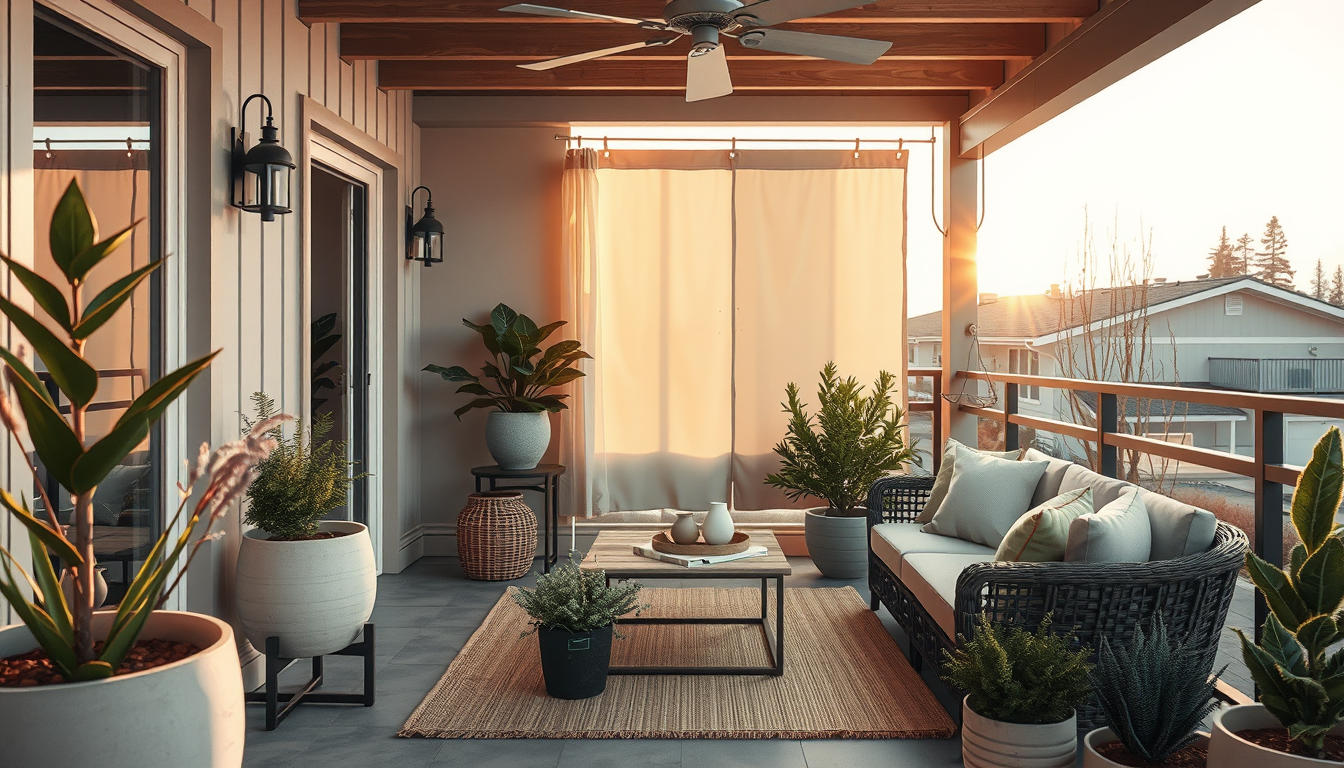
The best outdoor privacy screen ideas Canada homeowners can invest in do two things at once: they block sightlines from neighbours and they look like a deliberate design choice, not an afterthought. In Toronto and across the GTA, that dual mandate comes with a third requirement most US design blogs ignore — your screen has to survive freeze-thaw cycles, ice loads, and the occasional -30°C cold snap without splitting, warping, or fading. Whether you own a detached home with a backyard or a downtown condo with a narrow balcony, the right privacy screen turns exposed outdoor space into a usable room. Here at Toronto Interior Designer, we see this upgrade driving more spring consultations than almost any other exterior project.
Best Privacy Screen Materials That Survive Canadian Freeze-Thaw Cycles
Material choice makes or breaks an outdoor privacy screen north of the border. What works in California will crack in Caledon. Here is how the most common options compare under Ontario conditions:
| Material | Frost Resistance | Maintenance | Lifespan (Years) | Cost per Linear Foot (CAD, Installed) |
|---|---|---|---|---|
| Western red cedar | Excellent — naturally rot-resistant to extreme cold | Stain every 2–3 years | 15–25 | $150–$220 |
| Composite panels (Trex, Fiberon) | Excellent — no moisture absorption | Near zero | 25–30+ | $250–$350 |
| Powder-coated aluminum | Excellent — no expansion/contraction issues | Occasional wash | 30+ | $200–$300 |
| Pressure-treated pine | Moderate — can check and warp after several cycles | Stain every 1–2 years | 10–15 | $120–$180 |
| Tempered glass panels | Good — watch for frame seal integrity | Cleaning only | 20+ | $300–$450 |
Western red cedar, sourced primarily from BC mills, remains the most specified natural wood for Canadian privacy screens thanks to its natural oils that resist rot even in prolonged sub-zero temperatures . Composite panels have grown roughly 18% in Canadian market share since 2023, largely because homeowners are tired of the annual staining cycle . If budget allows, powder-coated aluminum slatted screens deliver a clean modern line with virtually zero upkeep — a favourite in our outdoor design projects.
“The biggest mistake we see is choosing a material based on how it looks in June. The real test is how it looks — and stands — in February.”
Modern Outdoor Privacy Screen Designs Toronto Designers Recommend in 2026
Shop Balcony and Patio Pieces That Fit
Toronto outdoor spaces are often tight, so look for stackable seating, slim tables, and weather-ready textiles first.
Toronto Interior Designer may earn a commission if you shop through these links at no extra cost to you.
Design trends for outdoor screens have shifted hard toward architectural intention. The cheap lattice panel is out. Here is what Toronto designers are reaching for instead:
- Horizontal slatted cedar screens with 10–15 mm gaps — enough airflow to prevent snow load buildup while blocking direct sightlines from neighbouring properties.
- Black aluminum louvre panels that angle light downward, popular in modern Leslieville and Junction Triangle renovations where lot widths sit under 20 feet.
- Cor-Ten steel feature panels with laser-cut geometric patterns — statement pieces that develop a controlled rust patina and pair well with concrete planters and native grasses.
- Living wall screen systems with built-in irrigation channels, planted with cold-hardy ivy or Virginia creeper for summer density. Vertical garden screens can reduce ambient temperature by up to 5°C on adjacent patios, a measurable benefit during Toronto’s increasingly intense July heat .
- Frosted tempered glass with steel framing — the go-to for rooftop decks and modern townhome courtyards where maximizing light matters as much as blocking views.
The common thread across all five is intentionality. Each option reads as a design element rather than a fence. Toronto Interior Designer projects increasingly treat the privacy screen as the anchor piece of the outdoor plan — the equivalent of a feature wall inside the home.
Condo Balcony Privacy Screen Ideas for GTA High-Rise Living
More than half of new housing starts in the GTA are condominiums, which means balcony privacy is its own design category. Condo boards typically restrict permanent modifications, so every solution needs to be reversible, lightweight, and board-approvable.
What works on a 60-square-foot balcony:
- Tension-mounted bamboo or composite roll screens that attach between floor and ceiling without drilling. Most boards approve these because they leave no marks on building surfaces.
- Freestanding planter-and-trellis combos that double as a garden. If you are already exploring balcony greenery, our guide to container gardening in Canada covers soil, drainage, and cold-season storage for exactly this kind of setup.
- Outdoor curtain tracks mounted to the soffit with removable brackets — surprisingly effective and easy to swap seasonally.
- Modular privacy screen panels (companies like Blooma and IKEA’s DYNING line) that clip to existing railings and can be removed for winter storage.
The key constraint is wind. Anything above the 15th floor needs to be either permeable (slatted or mesh) or securely anchored to rated hardware. Solid panels on high-rise balconies act as sails — a safety concern that most condo boards will flag immediately.
Toronto Privacy Screen Bylaws: Height Limits, Setbacks, and Permits
Before you buy a single panel, check the rules. Toronto’s municipal code sets hard limits that apply to privacy screens just as they do to fences:
- Rear yards: Maximum screen height of 2.0 metres, measured from grade .
- Front yards: Maximum 1.0 metre — which rules out most privacy screen applications.
- Corner lots: Additional sightline triangle restrictions within 6 metres of the intersection to maintain driver visibility.
- Setbacks: Screens must be set back from the property line by the distance specified in your zoning category. In many R-zone wards, that means at least 0.6 metres.
If you need extra height — say, to block a second-storey window — you will need a minor variance through Toronto’s Committee of Adjustment. The city received over 1,200 minor variance applications in 2024, with fence and screen height among the top five categories . Applications run $1,800–$2,500 in filing fees plus any professional drawings, so factor that into your budget early.
For renovation projects that involve structural changes near the property line, our renovation tips archive covers permit timelines and contractor vetting in more detail.
Outdoor Privacy Screen Costs in Ontario: 2026 Budget Breakdown
Pricing varies widely, but here is what GTA homeowners are paying in 2026 for professionally installed screens along a typical 24-linear-foot property edge:
- Budget tier (pressure-treated pine, basic design): $2,900–$4,300
- Mid-range (western red cedar, horizontal slat design): $3,600–$5,300
- Premium (composite or aluminum, custom pattern): $6,000–$8,400
- Statement (Cor-Ten steel or glass panel systems): $8,500–$12,000+
DIY installation can cut costs by 30–40%, but only if you are confident setting posts plumb and pouring concrete footings below the frost line — 48 inches minimum in Toronto. A screen that leans after one winter costs more to fix than it saved in labour.
What to Do Next
- Measure your property line and confirm the allowable height with your ward’s zoning map on the City of Toronto website before committing to a design.
- Choose your material based on winter performance first, aesthetics second — the comparison table above gives you a realistic starting point.
- Check your condo board’s modification policy if you are in a high-rise; get written approval before installing anything.
- Get three quotes from GTA contractors who specialize in exterior screening — ask each for a portfolio of installations that have weathered at least two Canadian winters.
- Budget for the variance application if you need anything taller than 2.0 metres in a rear yard.
The best outdoor privacy screen ideas Canada homeowners can act on are the ones that respect both the climate and the local rules. Get those two factors right and the design part becomes the enjoyable half of the project. Toronto Interior Designer covers outdoor living, renovation planning, and material guides year-round — explore more in our outdoor category as you plan your spring upgrade.
Layer the Outdoor Room
Lighting, planters, and textiles can stretch a short summer season and make even a small balcony feel intentional.
Toronto Interior Designer may earn a commission if you shop through these links at no extra cost to you.
Sources
- Canadian Wood Council — https://cwc.ca
- Deck & Railing Magazine Canada — https://deckandrailingmagazine.ca
- National Research Council Canada — https://nrc.canada.ca
- City of Toronto Chapter 447, Fences — https://toronto.ca/legdocs/municode/toronto-code-447.pdf
- City of Toronto Committee of Adjustment — https://toronto.ca/committee-of-adjustment
Frequently Asked Questions
What is the maximum height for a privacy screen in Toronto?
Toronto’s municipal code allows a maximum privacy screen height of 2.0 metres in rear yards and 1.0 metre in front yards. If you need extra height to block a second-storey sightline, you must apply for a minor variance through the Committee of Adjustment, which costs $1,800–$2,500 in filing fees.
What is the best material for an outdoor privacy screen in Canada?
Western red cedar and powder-coated aluminum are the top choices for Canadian climates. Cedar offers natural rot resistance and warmth, while aluminum delivers zero maintenance and a 30-plus-year lifespan with no freeze-thaw damage. Composite panels are a strong mid-range option growing fast in market share.
Can I install a privacy screen on my condo balcony in the GTA?
Yes, but most condo boards restrict permanent modifications. Tension-mounted roll screens, freestanding planter-and-trellis combos, and removable outdoor curtain tracks are popular reversible options. Always get written board approval before installing, and avoid solid panels above the 15th floor due to wind load concerns.