
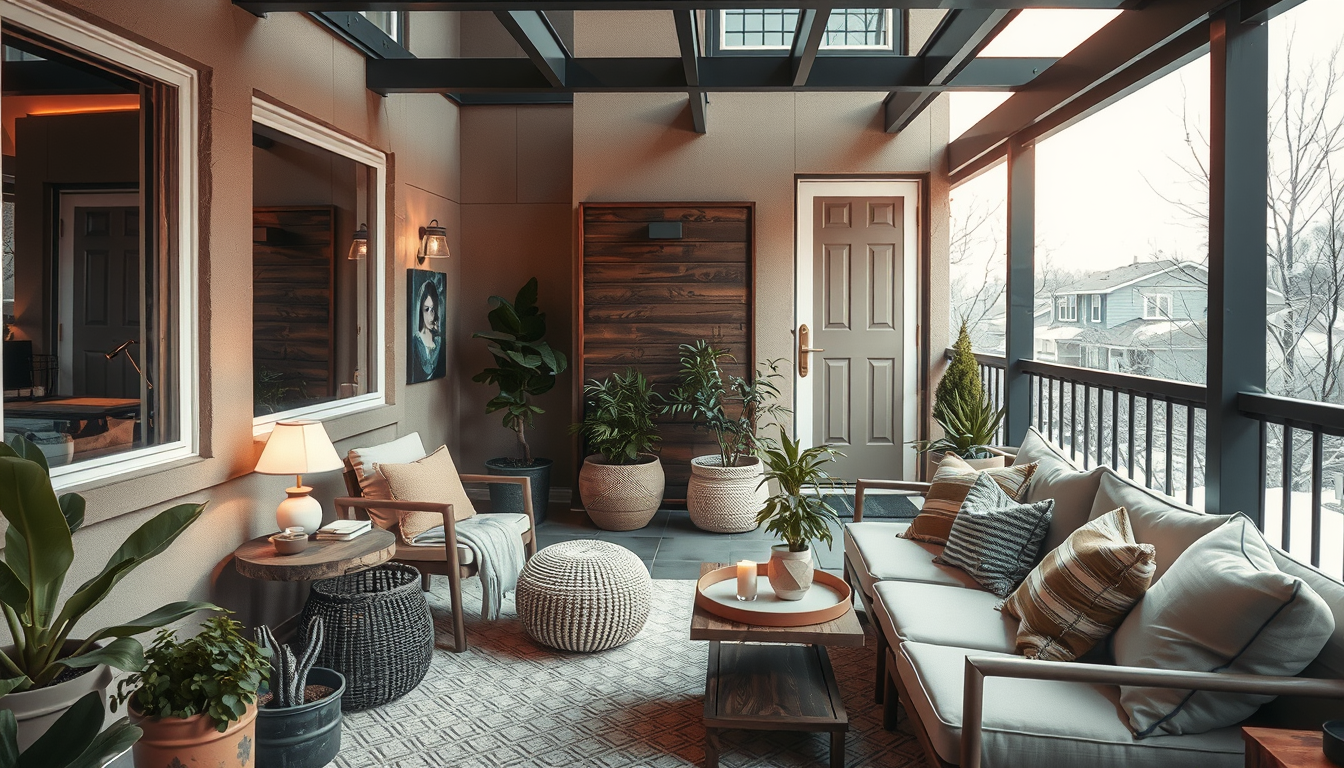
Container gardening Canada is no longer a consolation prize for homeowners without a backyard — it is a genuine design opportunity, especially in Toronto. With over half of new housing starts in the city being condos and apartments, your balcony or patio is likely the only outdoor space you have . The good news: a well-planned container garden can function as a fully designed outdoor room, complete with layered colour, texture, and even edible harvests. The challenge is that most container gardening advice online is written for mild US or UK climates — not for Toronto’s Zone 6a reality, where winters plunge to –23°C and the growing season runs barely five months. This guide bridges that gap.
Why Container Gardening Is the Best Choice for Canadian Balconies
Toronto designers increasingly treat balconies the same way they treat any other room: with a layout plan, a colour palette, and intentional material choices. Container gardening fits perfectly into that framework because every element is movable, replaceable, and scalable to your square footage.
The practical case is just as strong. Containers let you control soil quality — critical in a city where ground-level beds often sit on compacted builder fill. They let you move tender plants indoors when an early October frost warning hits. And they sidestep the drainage and structural concerns that come with built-in planter boxes on older condo balconies.
A balcony garden designed with the same intention as a living room — anchored by structure, softened by texture, edited for colour — will outperform a random collection of pots every time.
Most condo corporations in Toronto permit balcony planters on the floor but restrict hanging containers on railings due to safety and weight concerns. Typical balcony live-load limits range from 40 to 100 pounds per square foot, so lightweight fibreglass or resin planters are your best friend . Check your declaration before you shop. For more ideas on designing functional outdoor spaces within Canadian building realities, see our pergola ideas guide.
Best Container Plants for Canada: What Thrives in Zone 6a Toronto
Shop Balcony and Patio Pieces That Fit
Toronto outdoor spaces are often tight, so look for stackable seating, slim tables, and weather-ready textiles first.
Toronto Interior Designer may earn a commission if you shop through these links at no extra cost to you.
Plant selection is where most generic guides fail Canadian gardeners. Toronto sits in USDA Hardiness Zone 6a, with winter lows between –23°C and –20°C . Container plants are even more vulnerable than in-ground ones because roots freeze faster in an exposed pot. The rule of thumb: choose plants rated at least one zone hardier than your actual zone if you plan to overwinter them outdoors.
Here is what reliably performs in Toronto containers:
| Plant | Type | Sun Needs | Wind Tolerant? | Budget Range (CAD) | Best For |
|---|---|---|---|---|---|
| Boxwood (Buxus) | Evergreen shrub | Part to full sun | Yes | $25–$60 | Year-round structure |
| Karl Foerster grass | Ornamental grass | Full sun | Yes | $15–$30 | Height and movement |
| Proven Winners Supertunia | Annual | Full sun | Moderate | $8–$15 | Seasonal colour |
| Herbs (rosemary, thyme, chives) | Edible | Full sun | Moderate | $4–$10 | Kitchen balcony gardens |
| Coral Bells (Heuchera) | Perennial | Part shade | Yes | $12–$25 | Colour in shaded spots |
| Japanese Yew (Taxus) | Evergreen | Shade tolerant | Yes | $30–$70 | North-facing balconies |
| Sweet potato vine | Annual trailing | Full sun | No | $6–$12 | Spilling over pot edges |
For high-rise balconies above the tenth floor, wind exposure can reach two to three times ground-level speeds. Stick to low-profile, sturdy plants like boxwood, ornamental grasses, and compact shrubs. Tall, leggy annuals will shred in a July wind gust. We recommend anchoring every container arrangement with at least one structural evergreen — it gives the grouping year-round presence and a visual backbone that seasonal flowers can rotate around.
How to Design a Balcony Container Garden Like a Pro
Think of your balcony floor plan the same way you would a small living room. You need an anchor piece — a large statement planter or a pair of matching containers — mid-level supporting elements, and a few trailing or low accents to fill gaps. Odd-numbered groupings of three or five pots read more naturally than symmetrical pairs, and varying pot heights by at least 15 to 20 centimetres between tiers keeps the arrangement from looking flat.
For colour, pull your container palette from your interior scheme. If your living room features warm neutrals and terracotta, carry that outside with clay-toned pots and warm-hued flowers like rudbeckia and marigolds. If your space is cool and modern, opt for matte black or charcoal planters with white and green plantings. Matching your planter material to nearby furniture — powder-coated steel with a metal bistro set, natural wood with teak seating — ties the whole space together.
Layering texture matters more than variety. A single planter with an upright grass, a mounding flowering plant, and a trailing vine creates more visual interest than six identical pots of petunias. This thriller-filler-spiller formula is the container gardening equivalent of a well-styled bookshelf. For more on extending your interior design language to transitional spaces, browse our outdoor design ideas.
Month-by-Month Container Gardening Calendar for Ontario
With your plants and layout planned, timing is everything. Toronto’s average last frost falls between May 9 and May 15, with the first fall frost arriving around October 5 to 10 — roughly a 145-day outdoor season . Here is how to use every week of it:
- April: Clean containers, refresh potting mix with compost, and start seeds indoors for tomatoes, herbs, and flowers. Order planters now — popular styles sell out by May.
- May (after May 15): Move frost-tender annuals and herbs outside. Harden off seedlings by placing them outdoors for a few hours daily before transplanting.
- June: Plant warm-season edibles like peppers and cucumbers. Begin a weekly liquid fertilizer schedule — container soil depletes faster than garden beds.
- July–August: Water daily, twice on days above 30°C. Self-watering containers reduce frequency by roughly half and are worth every dollar during heat waves. Deadhead flowers to extend blooms.
- September: Replace spent annuals with fall mums, ornamental kale, or asters for colour through Thanksgiving.
- October: Wrap overwintering containers with burlap or bubble wrap insulation. Move ceramic and terracotta pots indoors to prevent freeze-cracking. Compost spent annuals.
Essential Planters, Soil, and Wind Protection for Condo Gardens
Getting the hardware right prevents most first-year failures. Choose containers with drainage holes — no exceptions. If your favourite planter lacks them, drill your own or use it as a cachepot over a functional inner pot. For soil, use a premium container mix rather than garden soil, which compacts and drowns roots in a confined pot. Look for mixes containing perlite or coconut coir for the right balance of drainage and moisture retention.
Wind protection on exposed balconies makes or breaks your garden. A simple acrylic or tempered-glass wind screen mounted to your railing can cut wind speed dramatically without blocking light. Alternatively, position your tallest, sturdiest containers along the windward edge to create a living windbreak for more delicate plants behind them. Weigh down lightweight pots with a layer of gravel at the bottom — it doubles as drainage insurance.
If you are designing a ground-level patio rather than a balcony, you have more freedom with weight and scale. Consider pairing your container garden with a small seating area to create a true outdoor room. Our guide to she shed studios covers year-round outdoor structure ideas that complement container plantings beautifully.
What to Do Next
Container gardening Canada style means working with our climate, not against it. A thoughtful setup now pays off with months of colour, greenery, and a balcony that feels like a real extension of your home.
- Measure your balcony and sketch a basic floor plan before buying a single pot.
- Check your condo bylaws for planter restrictions, weight limits, and railing rules.
- Choose three to five plant varieties max — editing creates better design than variety for variety’s sake.
- Invest in self-watering containers to survive July and August without daily panic.
- Set a calendar reminder for May 15 — that is your green light to move everything outdoors.
- Wrap or store containers by mid-October to protect your investment through winter.
Start small, design intentionally, and treat your container garden as the outdoor room it is. That is how container gardening in Canada becomes not just a hobby, but a genuine extension of your home’s design.
Layer the Outdoor Room
Lighting, planters, and textiles can stretch a short summer season and make even a small balcony feel intentional.
Toronto Interior Designer may earn a commission if you shop through these links at no extra cost to you.
Sources
- CMHC Housing Market Insight — https://www.cmhc-schl.gc.ca/professionals/housing-markets-data-and-research
- Ontario Condo Act declarations — https://www.ontario.ca/laws/statute/98c19
- Natural Resources Canada Plant Hardiness Zone Map — https://planthardiness.gc.ca/
- Environment Canada Climate Normals — https://climate.weather.gc.ca/climate_normals/
Frequently Asked Questions
What plants survive winter in Canadian containers?
Choose plants rated at least one hardiness zone below your area. In Toronto (Zone 6a), boxwood, Japanese yew, and Karl Foerster grass reliably overwinter in containers when pots are insulated with burlap or bubble wrap by mid-October.
When can I put container plants outside in Ontario?
Toronto’s average last frost falls between May 9 and May 15. Harden off seedlings in early May by placing them outdoors for a few hours daily, then transplant frost-tender annuals and herbs after May 15.
Are container gardens allowed on Toronto condo balconies?
Most Toronto condo corporations permit floor-level planters but restrict hanging containers on railings for safety reasons. Check your condo declaration for specific weight limits, which typically range from 40 to 100 pounds per square foot, and use lightweight fibreglass or resin planters.