
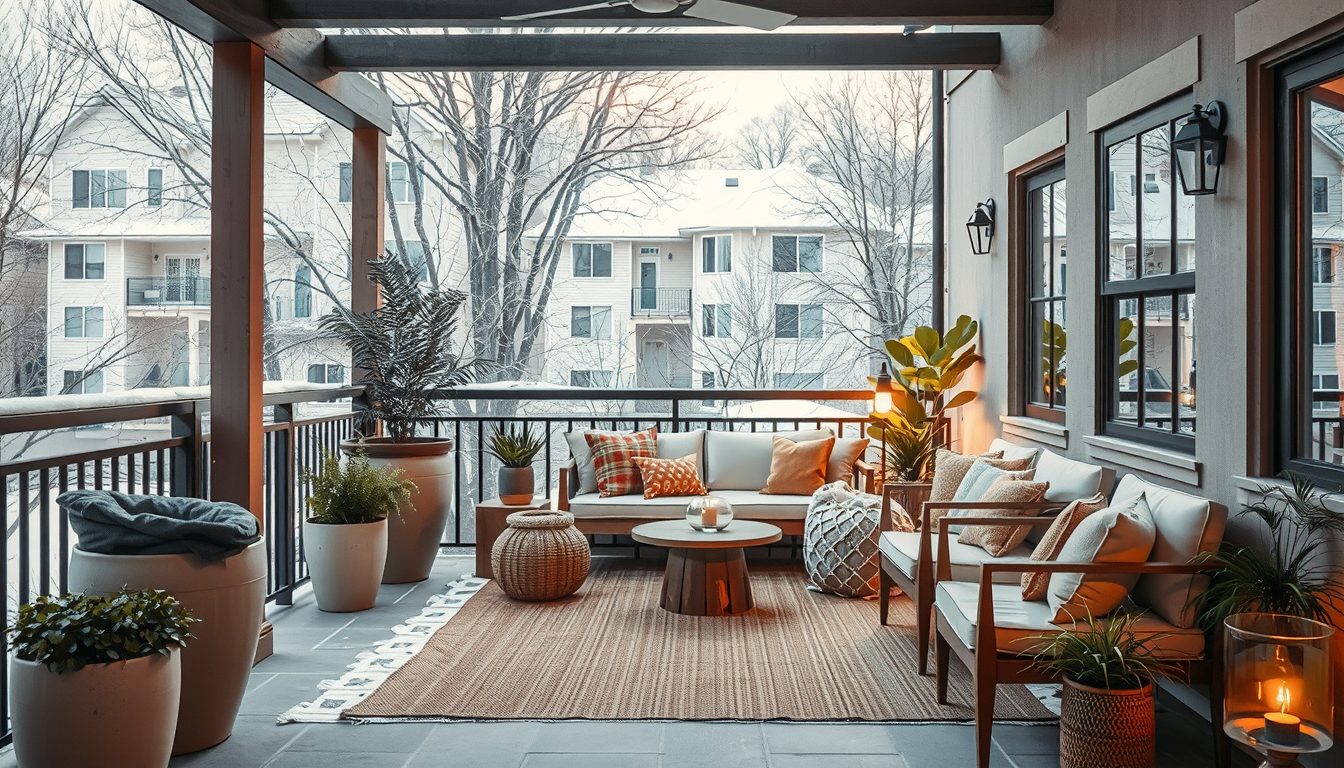
Choosing patio stones Canada homeowners can trust through brutal freeze-thaw cycles is the single most important outdoor decision you will make this year. A patio is not just a slab — it is an outdoor room, and the material you pick determines whether that room looks sharp in year five or crumbles after year two. The difference between a patio that survives a -30°C January and one that spalls apart comes down to water absorption rates, base preparation, and honest material selection. This guide breaks down the six most common stone types available at Canadian retailers, what they actually cost in the GTA, and how to match your outdoor hardscape to the interior style of your home.
6 Best Patio Stone Types Available in Canada
Not every stone sold at your local Home Depot or landscape supply yard is built for Canadian winters. Here is what you will find, and what actually performs.
| Stone Type | Freeze-Thaw Rating | Price Range (CAD/sq ft installed) | Best For | Maintenance Level |
|---|---|---|---|---|
| Interlocking concrete pavers | Excellent | $12–$20 | Driveways, patios, walkways | Low — resand joints every 3–5 yrs |
| Natural flagstone (Ontario limestone) | Good to Excellent | $15–$25 | Organic, cottage-style patios | Medium — occasional relevelling |
| Porcelain pavers (20mm) | Excellent | $20–$35 | Modern, minimal outdoor rooms | Very low |
| Travertine | Fair to Poor | $18–$30 | Sheltered, covered patios only | High — sealing required annually |
| Stamped concrete | Good | $10–$18 | Budget-friendly large areas | Medium — resealing every 2–3 yrs |
| Permeable interlocking pavers | Excellent | $14–$22 | Stormwater-managed properties | Low — vacuum joints annually |
A critical number to remember: stones with a water absorption rate above 5% are at serious risk of spalling in Ontario winters. Interlocking concrete, porcelain, and permeable pavers consistently fall well below that threshold. Travertine, with its naturally porous structure, is the riskiest choice for exposed Canadian installations .
If you are drawn to warm, earthy tones for your outdoor space, the same material instincts that guide terracotta decor indoors apply outside — just make sure the product is rated for exterior freeze-thaw exposure.
Patio Stones Canada Cost Guide: 2026 GTA Price Breakdown
Shop Balcony and Patio Pieces That Fit
Toronto outdoor spaces are often tight, so look for stackable seating, slim tables, and weather-ready textiles first.
Toronto Interior Designer may earn a commission if you shop through these links at no extra cost to you.
Budget transparency matters, especially when a single material choice can swing your project cost by thousands of dollars. Here is what a standard 200 sq ft patio costs fully installed in the Greater Toronto Area as of early 2026:
- Poured concrete (basic broom finish): $2,400–$3,600
- Interlocking concrete pavers: $2,400–$4,000
- Permeable interlocking pavers: $2,800–$4,400
- Natural flagstone (dry-laid on gravel base): $3,000–$5,000
- Porcelain pavers (pedestal or mortar-set): $4,000–$7,000
- Natural flagstone (wet-laid on concrete slab): $4,500–$7,000
These ranges include excavation, gravel base, edging, polymeric sand, and labour. They do not include steps, retaining walls, or drainage modifications. Prices have climbed roughly 8–12% year-over-year since 2022 across the Canadian outdoor living market, driven by material inflation and sustained post-pandemic demand for backyard investment .
A patio is the only renovation where the wrong material choice does not just look bad — it physically self-destructs. In Canadian climates, durability is not optional; it is the design.
One cost competitors never mention: polymeric sand maintenance. The jointing sand between your pavers will shift and wash out due to freeze-thaw displacement, and it needs to be reapplied every three to five years at roughly $1.50–$3.00 per square foot. Over a decade, that adds $600–$1,200 to a 200 sq ft patio. Factor it in from day one.
How Canadian Freeze-Thaw Cycles Determine Your Patio Stone Choice
Freeze-thaw cycling is the silent killer of Canadian patios. Water seeps into porous stone, freezes, expands by roughly 9%, and cracks the material from the inside out. In southern Ontario, a typical winter puts your patio through 30–50 freeze-thaw cycles between November and April. Add road salt runoff from adjacent driveways and the chemical attack accelerates deterioration even further.
Here is what this means practically:
Choose interlocking concrete or porcelain pavers if your patio is fully exposed to the elements. Both absorb minimal water and flex with ground movement rather than cracking.
Choose natural flagstone if you want character and are willing to do minor relevelling every few springs. Ontario limestone performs well; imported sandstone does not.
Avoid travertine and soft sandstone unless your patio is covered by a roof structure. These stones look beautiful in Mediterranean climates and fail predictably in ours.
Consider permeable pavers if your property falls within Toronto or Mississauga stormwater management zones. Several Ontario municipalities now offer incentives or require permeable surfaces for new hardscape installations to reduce runoff into aging sewer systems .
At Toronto Interior Designer, we approach outdoor material selection the same way we approach indoor flooring — performance first, aesthetics layered on top. A stone that cannot survive its environment is not a design choice; it is a liability.
DIY vs. Professional Patio Stone Installation in Canada
The base preparation underneath your patio matters more than the stone on top, and this is where Canadian installations differ from anything you will see in a US-based YouTube tutorial.
What a proper Canadian patio base requires:
- Excavation depth of 10–12 inches (vs. 6–8 inches in mild climates) to get below the frost line impact zone
- 6–8 inches of compacted granular A gravel for drainage and frost heave resistance
- 1 inch of bedding sand or screenings, levelled precisely
- Geotextile fabric between native soil and gravel to prevent migration
- Proper slope of at least 1/4 inch per foot away from your home’s foundation
DIY is realistic for a simple 100–150 sq ft interlocking paver patio if you are comfortable renting a plate compactor and committing a full weekend. For anything larger, sloped, or involving natural stone, professional installation pays for itself in longevity. A poorly compacted base will show heaving damage within two winters — and there is no fixing it without tearing everything up.
If you are planning a broader backyard overhaul alongside your patio project, the same phased approach we outline for kitchen renovation timelines applies: sequence the work so each trade builds on a finished substrate, not a construction zone.
How to Match Patio Stones to Your Home’s Interior Style
This is where Toronto Interior Designer’s approach differs from a typical contractor blog. Your patio should feel like a continuation of your interior, not a disconnected grey rectangle.
Modern and minimalist interiors pair naturally with large-format porcelain pavers in grey or charcoal tones. The clean lines and minimal joints echo the polished concrete or wide-plank flooring inside.
Transitional and farmhouse interiors work beautifully with natural flagstone in warm buff or grey tones. The organic variation in flagstone bridges the gap between refined indoor finishes and natural outdoor textures.
Contemporary and mid-century interiors benefit from interlocking concrete pavers in linear or plank-style formats. Many Canadian manufacturers now offer pavers that mimic wood plank dimensions — a strong visual tie to interior hardwood.
For more ideas on extending your interior design language to every part of your home, browse our outdoor design inspiration.
What to Do Next
- Measure your space and calculate square footage — this determines your total material and labour budget before any contractor visit.
- Order samples of your top two stone choices from a local GTA supplier and leave them outside through a full rain-freeze cycle before committing.
- Get three quotes from installers who specifically reference base depth, gravel type, and drainage slope in their proposals — if they skip these details, move on.
- Check your municipality’s stormwater requirements before finalizing material, especially if you are in Toronto or Mississauga.
- Plan your patio as an outdoor room — consider furniture layout, lighting, and sightlines from inside your home before locking in shape and size.
Patio stones Canada families depend on need to survive the climate first and deliver beauty second. Get the material science right, invest in a proper base, and your outdoor room will reward you for decades — not just one summer.
Layer the Outdoor Room
Lighting, planters, and textiles can stretch a short summer season and make even a small balcony feel intentional.
Toronto Interior Designer may earn a commission if you shop through these links at no extra cost to you.
Sources
- CSA Group — https://www.csagroup.org
- Landscape Ontario — https://landscapeontario.com
- City of Toronto — https://www.toronto.ca/services-payments/water-environment/managing-rain-melted-snow/
Frequently Asked Questions
What are the best patio stones for Canadian winters?
Interlocking concrete pavers and 20mm porcelain pavers are the best patio stones for Canadian winters. Both have water absorption rates well below 5%, which means they resist spalling through 30–50 freeze-thaw cycles per season. Natural Ontario limestone flagstone also performs well when dry-laid on a properly prepared 10–12 inch gravel base.
How much do patio stones cost in Canada in 2026?
A 200 sq ft patio in the Greater Toronto Area costs between $2,400 and $7,000 fully installed in 2026, depending on material. Interlocking concrete pavers run $12–$20 per sq ft installed, natural flagstone $15–$25, and porcelain pavers $20–$35. Prices have risen 8–12% annually since 2022 due to material inflation and sustained backyard investment demand.
Can I install patio stones myself in Canada?
DIY patio stone installation is realistic for simple interlocking paver patios up to 150 sq ft. Canadian installations require deeper excavation of 10–12 inches, compacted granular A gravel, geotextile fabric, and polymeric sand. For larger, sloped, or natural stone projects, professional installation is recommended to prevent frost heave damage within the first two winters.