
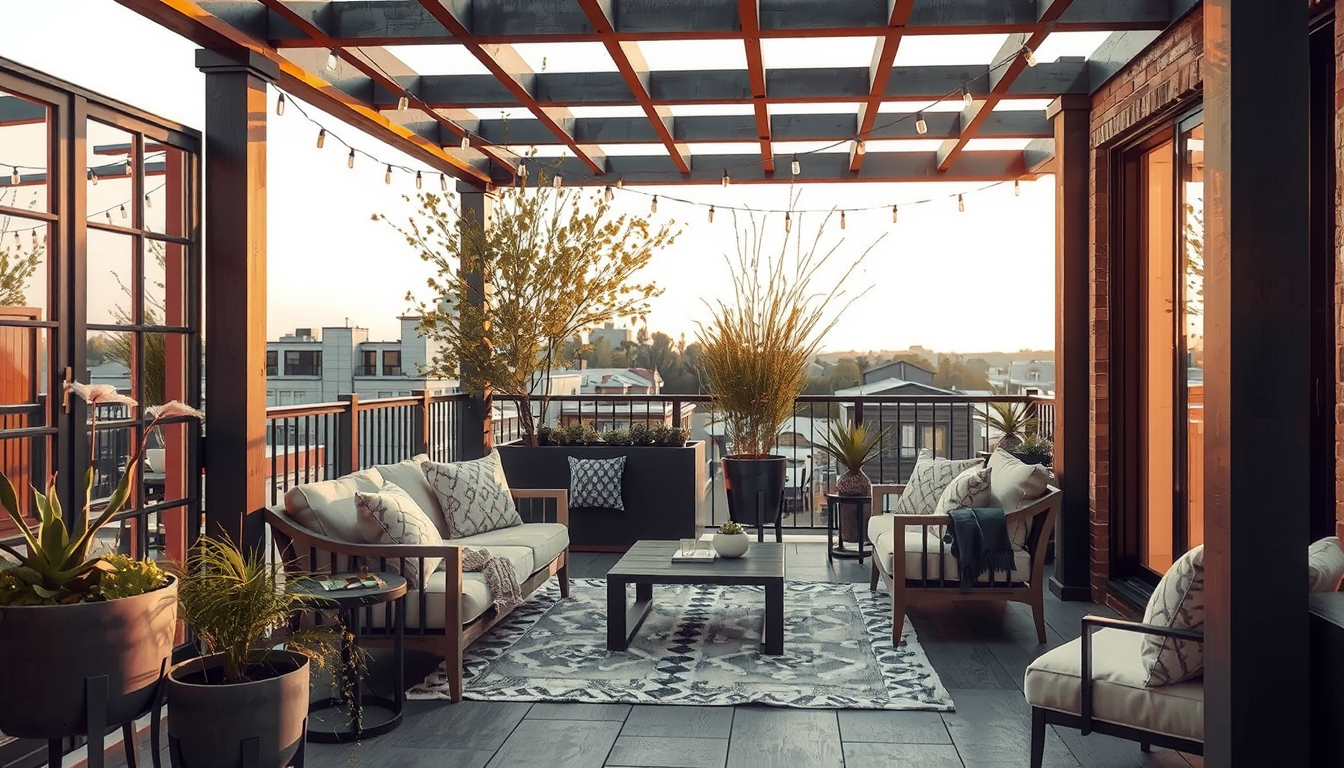
If you’ve searched pergola vs gazebo canada this spring, you’re asking the right question at the right time. With southern Ontario’s outdoor season running roughly May through October — five to six usable months — every dollar you spend on a backyard structure needs to work harder than it would in warmer climates. The real decision isn’t just about looks. It’s about how many months of use you’ll actually get, how each structure survives freeze-thaw cycles, and whether your Toronto lot can even accommodate what you want. Here at Toronto Interior Designer, we frame this choice the way a designer would: function first, beauty built on top.
Pergola vs Gazebo Canada: Key Differences That Affect Your Budget
These two structures solve different problems, and confusing them leads to expensive regret.
A pergola is an open-roof framework — typically four or more posts supporting a lattice of crossbeams and rafters. It defines a zone without enclosing it. You get filtered shade, climbing-vine potential, and an airy feel that suits compact Toronto backyards where a solid structure might feel imposing.
A gazebo is a freestanding, fully roofed structure — usually hexagonal or octagonal — with open or screened sides. It provides complete rain and sun protection, and with sidewall enclosures and a portable heater, it can extend your usable season by four to six weeks into late October or even early November.
| Feature | Pergola | Gazebo |
|---|---|---|
| Roof coverage | Partial (open rafters/lattice) | Full (solid or shingled roof) |
| Rain protection | Minimal unless retractable canopy added | Complete |
| Typical footprint | 2.4 m × 3 m to 4.3 m × 4.9 m | 3 m × 3 m to 4.3 m × 4.3 m |
| Installed cost (CAD) | $3,500–$12,000 | $5,000–$18,000 |
| Usable months (southern Ontario) | 4–5 (sun/shade only) | 5–7 (with heaters/screens) |
| Cost per usable month (mid-range) | ~$1,550 | ~$1,150–$1,900 |
| Best for | Defined dining zones, vine gardens, modern aesthetic | All-weather entertaining, hot tub shelters, screened lounging |
That cost-per-usable-month column matters. A gazebo’s higher upfront price often closes the gap — or even wins — once you factor in the extra weeks of use that enclosure panels and heaters provide .
How Pergolas and Gazebos Survive Canadian Winters
Shop Balcony and Patio Pieces That Fit
Toronto outdoor spaces are often tight, so look for stackable seating, slim tables, and weather-ready textiles first.
Toronto Interior Designer may earn a commission if you shop through these links at no extra cost to you.
Neither structure gets a free pass through a Toronto winter. Freeze-thaw cycling is the enemy, and your material choice determines your maintenance calendar.
Cedar and pressure-treated lumber — the most common Canadian options — need re-staining every two to three years. Budget $300–$800 CAD per cycle depending on structure size and stain quality. Skip a cycle and you’ll see greying, surface cracking, and eventually rot at the joints where moisture collects.
Vinyl and aluminum kits have surged in popularity. Online search volume for these kits from Canadian retailers like Costco Canada and Home Depot Canada has grown significantly year-over-year, driven by homeowners who want low-maintenance options . Vinyl won’t rot, but it can become brittle in extreme cold. Aluminum holds up well but dents more easily under ice or branch loads.
A pergola’s open top lets snow fall through, which sounds like an advantage — until ice builds up on the crossbeams and warps untreated wood. A gazebo’s solid roof sheds snow but needs pitch and drainage designed for Canadian load ratings.
Practical winter prep checklist:
- Remove retractable canopies and cushions before the first frost — store indoors.
- Inspect all hardware (brackets, screws, anchors) for rust or loosening caused by thermal expansion.
- Apply a water-repellent sealant to wood structures every two to three years, ideally in early fall before temperatures drop below 10°C.
- Check roof pitch on gazebos — a minimum 4:12 slope prevents dangerous snow accumulation.
- Clear snow loads exceeding 15 cm from gazebo roofs promptly to avoid structural stress.
- Tighten or replace post anchors if you notice any shifting after spring thaw — frost heave moves concrete footings over time.
For more ideas on making your outdoor space work year-round, explore our backyard fire pit seating guide — fire features pair naturally with both pergolas and gazebos.
Toronto Permit Rules and Setback Requirements for Outdoor Structures
This is where many homeowners get tripped up. Toronto zoning bylaw 569-2013 governs accessory structures, and the rules are specific:
- Structures up to 10 m² (approximately 108 sq ft) generally do not require a building permit, provided they meet setback requirements — typically 0.6 m from side and rear lot lines.
- Anything larger than 10 m² requires a building permit from the City of Toronto’s Building Division.
- Height restrictions apply: most residential zones cap accessory structures at 4 m.
- Lot coverage limits also apply — your new structure plus your house plus any other outbuildings cannot exceed the maximum lot coverage percentage for your zone.
Before you buy materials: call 311 or submit a Preliminary Zoning Review request online. A $100 review now saves you a potential $5,000+ enforcement headache later. If your lot is narrow — common in Toronto’s older neighbourhoods like Leslieville, the Junction, or Riverdale — setback math can eliminate a gazebo footprint entirely, making a wall-mounted pergola your best option.
Pergola vs Gazebo Cost Breakdown: 5-Year Comparison for Canadian Homeowners
Upfront cost tells only half the story. Here’s what the first five years actually look like for a mid-size structure (roughly 3 m × 3.6 m):
| Cost Category | Cedar Pergola | Cedar Gazebo | Aluminum Pergola Kit | Vinyl Gazebo Kit |
|---|---|---|---|---|
| Materials + installation | $6,000–$9,000 | $8,000–$14,000 | $4,000–$7,500 | $6,000–$10,000 |
| Staining (2 cycles over 5 yrs) | $600–$1,600 | $800–$1,600 | $0 | $0 |
| Hardware replacement | $100–$200 | $150–$300 | $50–$100 | $50–$100 |
| 5-year total | $6,700–$10,800 | $8,950–$15,900 | $4,050–$7,600 | $6,050–$10,100 |
| Cost per usable month (5 yrs) | ~$270–$430 | ~$250–$440 | ~$160–$300 | ~$170–$280 |
The kit options win on pure math. But if your design vision calls for custom dimensions, stained cedar detailing that matches your home’s trim, or integrated lighting — and your outdoor living space is central to how you entertain — a custom-built wood structure delivers a cohesion that kits can’t match.
How to Choose the Best Outdoor Structure for Your Toronto Yard
Stop browsing Pinterest and start with these three constraints:
1. Measure your available footprint. Subtract setbacks from your lot dimensions. If you have less than 12 m² of eligible space, a pergola’s slimmer profile — especially a wall-mounted version — is likely your only code-compliant option.
2. Define your primary use. Dining zone with a barbecue? A pergola keeps air flowing and smoke clearing. Screened reading nook or hot tub shelter? A gazebo’s enclosure is non-negotiable.
3. Calculate your honest budget — including maintenance. If you won’t realistically re-stain every two to three years, choose aluminum or vinyl. A neglected wood structure looks worse at year three than a modest kit structure that still looks clean.
At Toronto Interior Designer, we often recommend that clients think of outdoor structures the way they think about kitchen islands — they anchor a zone and dictate traffic flow. A poorly placed pergola or an oversized gazebo disrupts the yard the same way a bad island disrupts a kitchen. If you’re designing your outdoor kitchen or dining area alongside a new structure, plan them as a single layout, not two separate projects.
What to Do Next
- Measure your yard and subtract required setbacks — know your buildable area before you shop.
- Call Toronto 311 or submit a Preliminary Zoning Review to confirm permit requirements for your lot.
- Get three contractor quotes if going custom, or compare at least two kit options from Canadian retailers.
- Calculate five-year total cost, not just purchase price — include staining, hardware, and seasonal prep.
- Decide on enclosure potential — if you want to extend the season past October, a gazebo with screens and a heater is the stronger investment.
- Coordinate with your overall yard plan — place the structure where it connects naturally to your back door, dining zone, or garden path.
The pergola vs gazebo canada decision ultimately comes down to how you live outdoors during our short warm season — and how much maintenance honesty you can muster. Choose the structure that earns every month it stands in your yard.
Layer the Outdoor Room
Lighting, planters, and textiles can stretch a short summer season and make even a small balcony feel intentional.
Toronto Interior Designer may earn a commission if you shop through these links at no extra cost to you.
Sources
- HomeStars contractor pricing data — https://homestars.com
- Google Trends Canada — https://trends.google.ca
- City of Toronto Zoning Bylaw 569-2013 — https://www.toronto.ca/city-government/planning-development/zoning-by-law-preliminary-zoning-reviews/zoning-by-law-569-2013-2/
- HomeStars average project costs, Ontario region — https://homestars.com
Frequently Asked Questions
Do I need a permit for a pergola or gazebo in Toronto?
Structures under 10 m² (about 108 sq ft) generally do not require a Toronto building permit if they meet setback requirements. Anything larger needs a permit from the City of Toronto Building Division. Call 311 or submit a Preliminary Zoning Review to confirm.
Which lasts longer in Canadian winters — a pergola or a gazebo?
Both require maintenance, but a gazebo’s solid roof sheds snow more effectively. Cedar structures need re-staining every two to three years, while aluminum and vinyl kits resist rot and cracking with minimal upkeep through freeze-thaw cycles.
How much does a pergola or gazebo cost in Canada?
A mid-size cedar pergola runs $6,000–$9,000 installed, while a cedar gazebo costs $8,000–$14,000. Aluminum and vinyl kits are cheaper upfront and eliminate staining costs, bringing five-year totals to $4,050–$10,100 depending on material and structure type.