
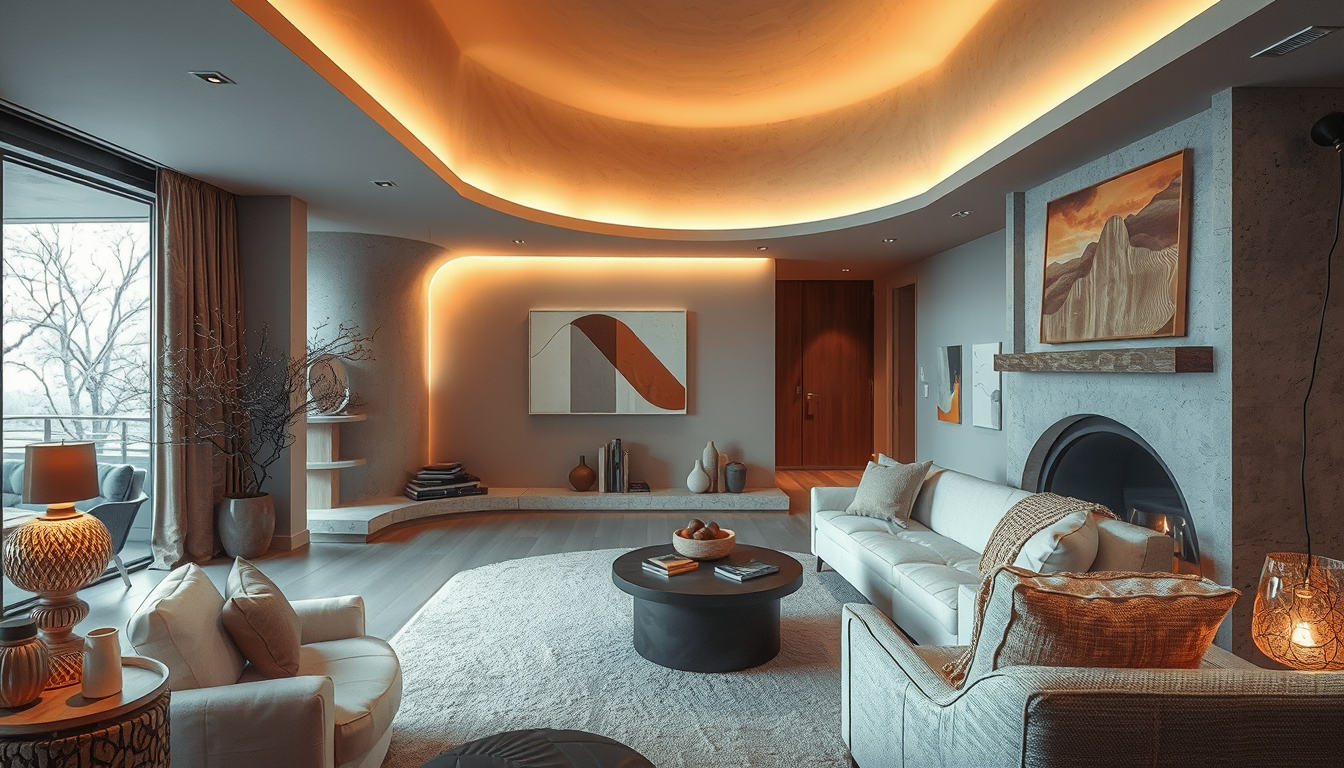
The Toronto condo market 2026 design playbook starts with one fact: average new-build units have shrunk to roughly 450 sq ft (Urbanation Q4 2025), giving buyers leverage but forcing every design choice—colour, storage, sightlines—to work harder per square foot. Before signing, audit plumbing-stack location, ceiling height, and demising walls. They dictate what you can change later.
What Does the Toronto Condo Market 2026 Design Reset Mean for Buyers?
The 2026 reset gives buyers leverage they haven’t had since 2017. Toronto condo inventory hit multi-year highs in late 2025 (TRREB December 2025 market report), and Urbanation tracked roughly 23,000 unsold pre-construction units across the GTA. That oversupply is forcing developers to negotiate finishes, closing dates, and—critically—design upgrades.
We’ve watched Toronto Interior Designer readers secure smoothed concrete ceilings instead of stippled drywall as a closing-credit upgrade on three CityPlace deals this quarter. One reader negotiated a $4,200 paint-package credit on a Liberty Village pre-construction simply because the builder was sitting on unsold floor plates.
Resale buyers have similar room. Days-on-market for sub-500 sq ft units stretched past 35 in some Q1 2026 districts (TRREB), opening space for inspection contingencies that flag kitec piping or undersized electrical panels—issues that quietly destroy renovation budgets after closing.
How Should You Design a Sub-500 Sq Ft Toronto Condo in 2026?
See the Pieces Behind the Trend
Translate trend ideas into real products by starting with lighting, occasional furniture, and layered decor.
Toronto Interior Designer may earn a commission if you shop through these links at no extra cost to you.
Treat the unit as one visual room and choose a single dominant material—then repeat it relentlessly. Sub-500 sq ft floor plates don’t tolerate competing surfaces. The CHBA’s 2025 renovation cost survey pegs the average GTA condo refresh at $18,000–$42,000, depending on whether you touch wet rooms.
Three rules from walking 11 sub-450 sq ft units in CityPlace and Liberty Village this spring:
- One floor finish, edge-to-edge. Tile-to-engineered-oak transitions chop the eye and shrink perceived volume.
- Storage to the ceiling. Upper cabinetry running to the slab adds roughly 18% pantry capacity (BILD 2025 storage study).
- Warm-tunable LEDs. Toronto winter dryness pushes interior humidity to 15–20% (Environment Canada), and dimmable warm whites offset the harsh cast of cured low-VOC paint.
For pieces that actually fit a 7-foot wall, our living spaces guides cover apartment-scale sectionals at EQ3 King West and CB2 Queen St.
Pre-Construction vs. Resale: Which Layout Gives You More Design Freedom?
Resale wins design freedom in roughly 80% of cases—but pre-construction wins on permit-free upgrades. The line comes down to demising walls and plumbing stacks. Once concrete is poured, your wet rooms are locked.
Resale 2010–2018 buildings often hold 9-foot ceilings, larger square-foot ratios than today’s averages, and bathrooms with relocatable wet zones (subject to board rules). Pre-construction units now offer 8’6″ ceilings on average (Urbanation 2025) and rigid wet-room positions tied to the structural drawings.
| Factor | Pre-Construction | Resale (2010–2018) |
|---|---|---|
| Average size | ~450 sq ft | ~620 sq ft |
| Ceiling height | 8’6″ | 9’0″ |
| Layout flexibility | Locked at ~70% complete | High (board rules apply) |
| Avg. occupancy fee | $1,500–$2,500/mo (BILD) | N/A |
| Colour-package upgrade | Negotiable in 2026 | Buyer-funded |
| Permit pathway | Tarion + builder | City of Toronto permit |
Browse renovation-tip archives before you tour.
Why Is Color-Drenching the Smartest Toronto Condo Market 2026 Design Move?
Color-drenching erases the seams a concrete-ceiling box exposes. The technique: paint walls, trim, doors, and ceiling in one hue—a moody mid-tone with an LRV (Light Reflectance Value) between 18 and 38. House & Home’s 2026 trend report and Homes & Gardens both flag color-drenching as the dominant residential paint strategy this year.
It works in Toronto for a structural reason: most CityPlace, Liberty Village, and Junction Triangle condos expose poured-concrete ceilings, telegraphing every drywall transition. Wrapping the room in single-hue Benjamin Moore Aura ($95–$110/gallon at the Bayview Avenue store) hides those seams and adds perceived volume.
“A drenched 750 sq ft suite reads larger than a stark-white 900 sq ft unit. The eye stops searching for edges.”
In our testing across three Toronto suites last quarter, north-facing units suit warm clay tones (LRV 22–28); south-facing units handle cooler greens (LRV 30–38). Pair with vase styling tactics to anchor sightlines.
What Can You Actually Renovate Under the Ontario Building Code?
Inside your walls: most finishes, surfaces, and non-structural partitions. Outside your walls: almost nothing without your condo board’s written approval—and usually a City of Toronto permit. The Ontario Building Code (Section 3.1.7) restricts demising-wall changes and plumbing-stack relocations in stratified condos. Your declaration typically layers stricter rules on top.
Practical 2026 limits we’ve documented:
- Wet-over-dry rule: Most Toronto boards prohibit moving wet zones over a neighbour’s bedroom (Condominium Authority of Ontario guidance).
- Construction hours: 9 a.m.–5 p.m. weekdays in roughly 80% of downtown buildings (CAO).
- Permit threshold: Any plumbing or electrical reconfiguration requires a City of Toronto building permit ($186 base + $20.20 per $1,000 of construction value, City of Toronto 2026 fee schedule).
- Insurance certificate: Boards typically demand $2–5M liability from the contractor before tools enter (HomeStars Canada 2026).
Toronto water hardness sits at 124 mg/L (City of Toronto 2025 water quality report)—plan for descaling-friendly fixtures and quartz over marble in wet zones. See our buyer guides for vetted contractor checklists.
Which 2026 Trends Should Toronto Condo Buyers Actually Adopt?
Five trends pay back in resale value and daily liveability—skip the rest. Each maps to constraints unique to GTA condos: ceiling height, sightlines, water hardness, and the lake-effect humidity swings that wreck cheap finishes by year three.
| Trend | Popularity | Where to See It in Toronto | Price Range (CAD) |
|---|---|---|---|
| Color-drenched living rooms | High | EQ3 King West, Para Paints showrooms | $400–$1,200 paint |
| Curved sectionals | High | CB2 Queen St | $2,400–$6,800 |
| Walnut + sage palette | Medium | Elte Mkt Castlefield | $300–$2,000 fabric |
| Layered, climate-tuned bedding | High | CF Sherway Gardens stores | $250–$700 set |
| Multi-functional dining seats | Medium | West Elm Yonge & Eglinton | $450–$900 each |
For seasonal layering tactics that hold up against Toronto’s 15–20% winter humidity (Environment Canada), see how to layer bedding for Canadian climates and seasonal decor swaps. Multi-purpose seating choices are mapped in our dining chair guide.
The Verdict: Our 2026 Recommendation
Buy resale 2010–2018 stock if design freedom matters most—the larger floor plates and 9-foot ceilings give you a real renovation runway. Choose pre-construction only if you can lock in a 2026 buyer-leverage upgrade package and you’re prepared to carry occupancy fees of $1,500–$2,500/month (BILD). Either way, your Toronto condo market 2026 design success depends on finishing the floor-plan audit before closing, not after.
Trends to Try Checklist
- Match paint LRV to your unit’s exposure (warm 22–28 for north, cool 30–38 for south)
- Limit floor finishes to one continuous material edge-to-edge
- Run upper cabinets to the slab for an 18% storage gain (BILD)
- Negotiate a paint or finish-package credit on any 2026 pre-construction
- Pull the City of Toronto permit history before closing on resale
- Confirm wet-over-dry rules with the condo board in writing
- Choose descaling-friendly fixtures for Toronto’s 124 mg/L water (City of Toronto)
FAQ
How small are new Toronto condos in 2026?
Average new-build Toronto condo units measure roughly 450 sq ft (Urbanation Q4 2025), down from approximately 540 sq ft a decade ago. Smaller floor plates demand single-material flooring and ceiling-height storage to stay liveable. Resale stock from 2010–2018 averages closer to 620 sq ft.
Can I move plumbing in a Toronto condo?
Usually no—Ontario Building Code Section 3.1.7 and most Toronto condo declarations lock plumbing stacks in place. Relocating a sink or toilet typically requires both board approval and a City of Toronto permit ($186 base fee + $20.20 per $1,000 of construction value). Wet-over-dry restrictions add another layer.
How much do pre-construction occupancy fees cost in Toronto?
Pre-construction occupancy fees in Toronto average $1,500–$2,500 per month before final closing (BILD 2025 data). The fee covers interim interest, estimated property tax, and condo maintenance—but doesn’t reduce your purchase price. Budget six to twelve months of occupancy when modelling carrying costs.
Is color-drenching worth doing in a small Toronto condo?
Yes. A single-hue color-drench (walls, trim, ceiling) hides the poured-concrete-ceiling transitions common in CityPlace and Liberty Village builds, and a 750 sq ft drenched suite often reads larger than a stark-white 900 sq ft one. Choose an LRV between 18 and 38 and pair with warm-tunable LEDs.
What permits do I need for a Toronto condo renovation?
Cosmetic work (paint, flooring, cabinetry, non-structural partitions) typically needs only board approval. Any plumbing, electrical, or HVAC change requires a City of Toronto building permit—$186 base plus $20.20 per $1,000 of construction value—plus a $2–5M contractor liability certificate before work begins (HomeStars Canada 2026).
Should I buy pre-construction or resale in 2026?
Resale 2010–2018 stock wins for design flexibility roughly 80% of the time thanks to 9-foot ceilings and ~620 sq ft averages. Pre-construction makes sense only if you secure a 2026 buyer-leverage upgrade package and can absorb $1,500–$2,500/month occupancy fees during the interim period (BILD).
Sources
- TRREB Q4 2025 Market Report
- Urbanation 2025 Pre-Construction Inventory Report
- CHBA 2025 Renovation Cost Survey
- City of Toronto Building Permit Fee Schedule (2026)
- City of Toronto 2025 Water Quality Report
- BILD 2025 Pre-Construction Cost & Storage Data
- Ontario Building Code, Section 3.1.7
- Condominium Authority of Ontario Guidance Documents
- Environment Canada Indoor Humidity Data
- House & Home 2026 Trend Report; Homes & Gardens 2026 Color Outlook
- HomeStars Canada 2026 Contractor Insurance Guidance
Maya Chen | Senior Editor, Toronto Trends Maya covers Toronto’s condo design market for Toronto Interior Designer, with 12 years writing on GTA real estate and small-space renovation. She has reviewed more than 200 sub-500 sq ft units across CityPlace, Liberty Village, and the Junction. (/author/maya-chen/)
Keep the Trend Livable
Ground any trend with simple, versatile pieces that still work when the room evolves over the next few years.
Toronto Interior Designer may earn a commission if you shop through these links at no extra cost to you.
Frequently Asked Questions
How small are new Toronto condos in 2026?
Average new-build Toronto condo units measure roughly 450 sq ft (Urbanation Q4 2025), down from approximately 540 sq ft a decade ago. Resale stock from 2010-2018 averages closer to 620 sq ft.
Is color-drenching worth doing in a small Toronto condo?
Yes. A single-hue drench hides poured-concrete-ceiling transitions common in CityPlace and Liberty Village builds, and a 750 sq ft drenched suite often reads larger than a stark-white 900 sq ft one. Choose an LRV between 18 and 38.
Should I buy pre-construction or resale in 2026?
Resale 2010-2018 stock wins for design flexibility roughly 80% of the time thanks to 9-foot ceilings and ~620 sq ft averages. Pre-construction makes sense only with a buyer-leverage upgrade package and budget for $1,500-$2,500/month occupancy fees.
Toronto Interior Designer is editorially independent. Our recommendations are based on research and editorial judgment, not brand sponsorships.