
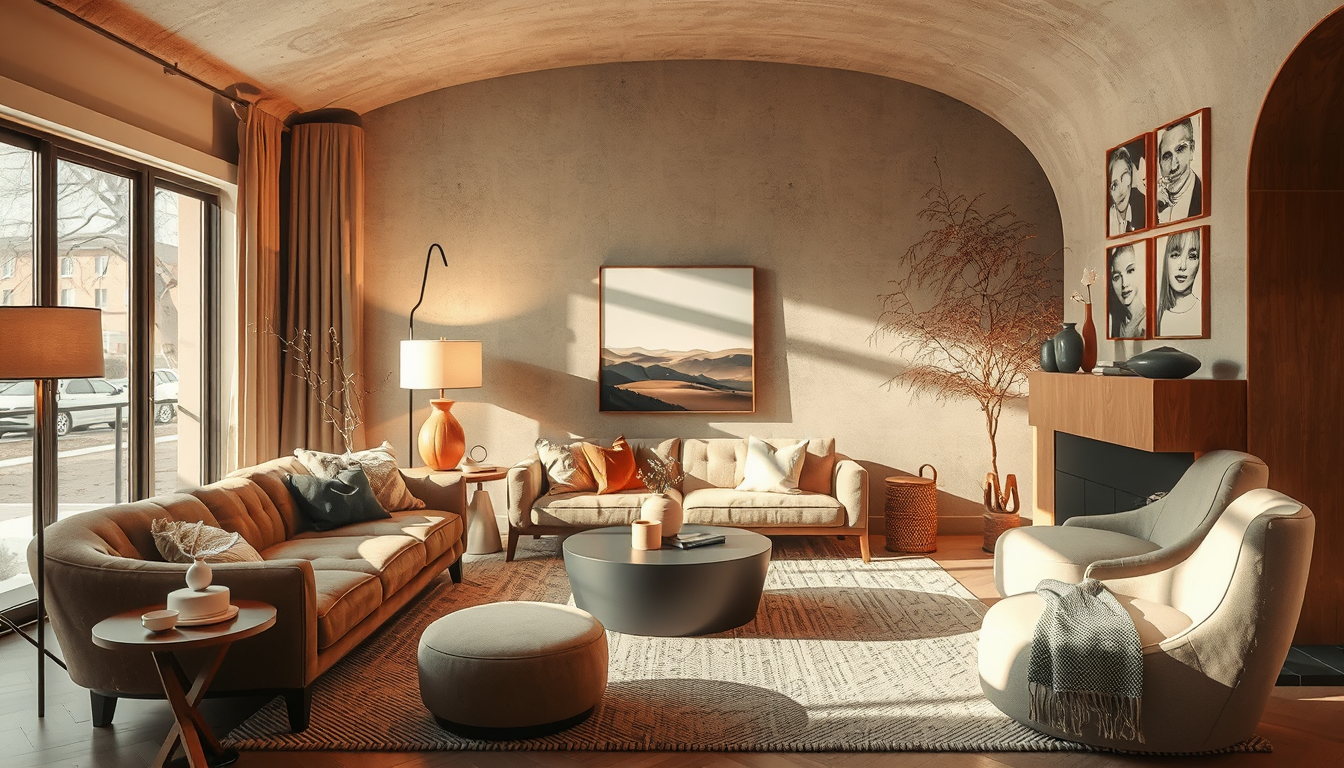
Shopping for toronto design district furniture means you’ve already figured out what most buyers haven’t: the best pieces in this city aren’t found in big-box aisles — they’re found on specific streets, in specific neighbourhoods, made by people who can tell you exactly where the wood was milled. Toronto’s design corridors stretch from Corktown to the Junction, and each cluster has its own personality, price point, and specialty. Whether you’re furnishing a 500-square-foot condo or a Leslieville semi, shopping these districts means coming home with furniture that actually has a story behind it. This is the walking guide we wish someone had handed us years ago.
Why Toronto Design District Furniture Beats Big-Box Stores
The shift away from fast furniture is real — and measurable. A 2024 Deloitte Canada survey found that 62% of Canadian consumers prefer buying from brands that emphasize craftsmanship and sustainability . That preference plays out block by block in Toronto, where independent showrooms, maker studios, and vintage dealers cluster together in walkable strips that reward browsing.
What makes Toronto’s layout unusual is density. Unlike spread-out design centres in Calgary or Vancouver, Toronto packs its best shops into three distinct corridors you can visit in a single weekend. Each neighbourhood attracts different makers and different aesthetics, so knowing which streets to hit first saves you hours and steers you toward exactly the style you’re after.
For anyone pulling together a cohesive room — especially in the compact layouts most of us live with — shopping in person lets you see scale, touch finishes, and ask the maker directly whether that walnut credenza will survive a toddler. If you’re working through your living space design, these districts are where the real options live.
King East and Corktown: Best Toronto Design District for Canadian-Made Furniture
See the Pieces Behind the Trend
Translate trend ideas into real products by starting with lighting, occasional furniture, and layered decor.
Toronto Interior Designer may earn a commission if you shop through these links at no extra cost to you.
The stretch of King Street East between Parliament and River streets is Toronto’s densest furniture corridor, with roughly 20 showrooms and studios concentrated in a few walkable blocks. This is where you go for Canadian-made, built-to-order pieces — dining tables, shelving systems, and upholstered seating from makers who often work out of shops right behind their showrooms.
Expect to spend in the range of $2,500 to $8,000 for a solid-wood dining table from a Corktown studio, compared to $800 to $2,000 for a mass-market equivalent. The price difference buys you material selection (often Ontario hardwoods like walnut, maple, and white oak), custom dimensions for tricky condo layouts, and a piece that won’t end up on the curb in five years.
What to look for here: Live-edge tables, handmade lighting, Canadian-milled lumber furniture, and small-batch upholstery. Several studios offer custom sizing at no extra charge if you order during quieter winter months — typically January through March.
“The best furniture purchase I’ve ever made was a Corktown dining table I watched being built. Seven years later, it’s the only piece that survived two moves and still looks better than anything in a catalogue.”
This district is also where many Toronto Interior Designer professionals source pieces for client projects, so don’t be surprised if you spot a designer with fabric swatches tucked under their arm.
Dupont and the Junction: Vintage Meets Contemporary Design District Furniture
From Corktown, the trail leads northwest to Dupont Street, whose transformation into a design destination has accelerated since 2023. Anchored by established names in Scandinavian and Japanese-influenced design, the corridor blends high-end contemporary showrooms with vintage dealers, creating a strip where a $12,000 Danish credenza sits three doors down from a $400 reclaimed-oak side table.
The Junction, just west along Dundas, adds a grittier creative layer — salvage yards, refinishers, and emerging makers who price more accessibly. This is the neighbourhood for anyone looking to mix eras: pair a mid-century teak sideboard with a locally welded steel-and-glass coffee table.
What to look for here: Scandinavian imports, Japanese joinery, curated vintage mid-century, reclaimed and salvage materials, and contemporary Canadian lighting design. If you’re weighing a home renovation budget, the Junction’s mix of price points gives you room to splurge on one anchor piece and save on the rest.
Queen West to Ossington: Emerging Studios for One-of-a-Kind Toronto Furniture
Queen West earned a spot on Vogue’s list of the world’s coolest neighbourhoods in part because of its concentration of independent design shops . The stretch running west toward Ossington is where you’ll find the most experimental work — ceramicists, textile artists, and furniture designers who blur the line between functional object and art piece.
This district skews younger in both maker age and price point. Expect more accessible entry prices for smaller pieces — stools, shelving, mirrors, accent chairs starting around $150 — while still finding investment-grade work from studios that have outgrown their Etsy origins. Many of these makers share collaborative workshop spaces, which keeps overhead low and prices fair.
What to look for here: Handmade ceramics, textile art, emerging-designer accent furniture, and collaborative studio spaces where you can commission custom work. The annual Toronto Design Offsite Festival (TODO) spotlights many of these makers each January, drawing over 30,000 visitors across the city’s design districts .
5 Toronto Design District Furniture Trends That Actually Last
Not every trend translates well to Toronto homes. Here’s what Toronto Interior Designer editors are seeing across these districts right now — and what holds up long-term in our climate and compact layouts.
| Trend | Why It Works in Toronto Homes | Budget Impact | Best Room |
|---|---|---|---|
| Canadian hardwood live-edge tables | Ontario-sourced materials, warm against long winters | $$$ ($2,500–$6,000) | Kitchen/Dining |
| Japandi minimalism (Dupont corridor) | Clean lines maximize small condos; neutral palettes layer well | $$ to $$$ | Living room |
| Reclaimed/salvage accent pieces | Adds character without bulk; eco-friendly story | $ to $$ ($200–$1,200) | Any room |
| Handmade ceramic lighting | Warm, textural light for dark Canadian winters | $$ ($300–$900) | Bedroom, hallway |
| Multi-use storage furniture | Essential for 500–700 sq ft condo living | $$ to $$$ | Home office, bedroom |
Making these trends timeless: The trick is investing in the material, not the silhouette. A live-edge walnut table reads as classic in ten years; a trendy shape in cheap veneer doesn’t. Stick to neutral palettes and natural materials as your base, then use smaller, less expensive pieces — a ceramic lamp, a salvage-wood stool — to nod at the moment without locking yourself in. When a trend runs its course, you swap a $400 accent, not a $4,000 anchor.
What to Do Next
Toronto design district furniture shopping rewards preparation. Here’s your checklist before you head out:
- Measure first. Bring exact room dimensions and doorway widths — custom makers can adjust on the spot if you have numbers ready.
- Start with one district. King East for Canadian-made investment pieces, Dupont for curated vintage and Scandi design, Queen West for emerging makers and accent finds.
- Set a budget split. Plan to spend 60–70% of your furniture budget on one or two anchor pieces from a maker studio, then fill in with vintage or salvage accents.
- Ask about lead times. Custom Canadian-made furniture typically runs 6–12 weeks; plan accordingly if you’re on a renovation timeline.
- Visit during weekdays. Smaller studios keep limited weekend hours; call ahead or check Instagram for current schedules.
- Bring reference images. Makers appreciate seeing your space and style direction — it opens conversations about customization you won’t find on a website.
Toronto’s design districts are the city’s best-kept advantage for anyone furnishing a home with intention. The pieces are here, the makers are here, and the stories behind them are worth the trip. At Toronto Interior Designer, we’ll keep mapping the shops and studios worth your time — because the best rooms start with furniture you actually chose in person.
Keep the Trend Livable
Ground any trend with simple, versatile pieces that still work when the room evolves over the next few years.
Toronto Interior Designer may earn a commission if you shop through these links at no extra cost to you.
Sources
- Deloitte Canada consumer trends — https://www2.deloitte.com/ca/en.html
- Vogue global neighbourhoods — https://www.vogue.com
- TODO Festival — https://www.tododesign.ca
Frequently Asked Questions
Where are the best Toronto design district furniture shops?
Toronto’s top furniture districts are King East and Corktown for Canadian-made artisan pieces, Dupont Street and the Junction for vintage and Scandinavian design, and Queen West to Ossington for emerging studios and one-of-a-kind accent furniture.
How much does custom furniture cost in Toronto’s design districts?
Custom solid-wood dining tables from Toronto maker studios typically range from $2,500 to $8,000, while vintage and salvage accent pieces start as low as $200 to $1,200. Lead times for custom Canadian-made furniture run 6 to 12 weeks.
Is Toronto design district furniture worth the price compared to big-box stores?
Yes. District furniture offers Ontario-sourced hardwoods, custom sizing for compact condo layouts, and lasting craftsmanship. While a mass-market table costs $800 to $2,000, a maker-studio equivalent at $2,500 to $8,000 outlasts cheaper alternatives by years and holds its value.