
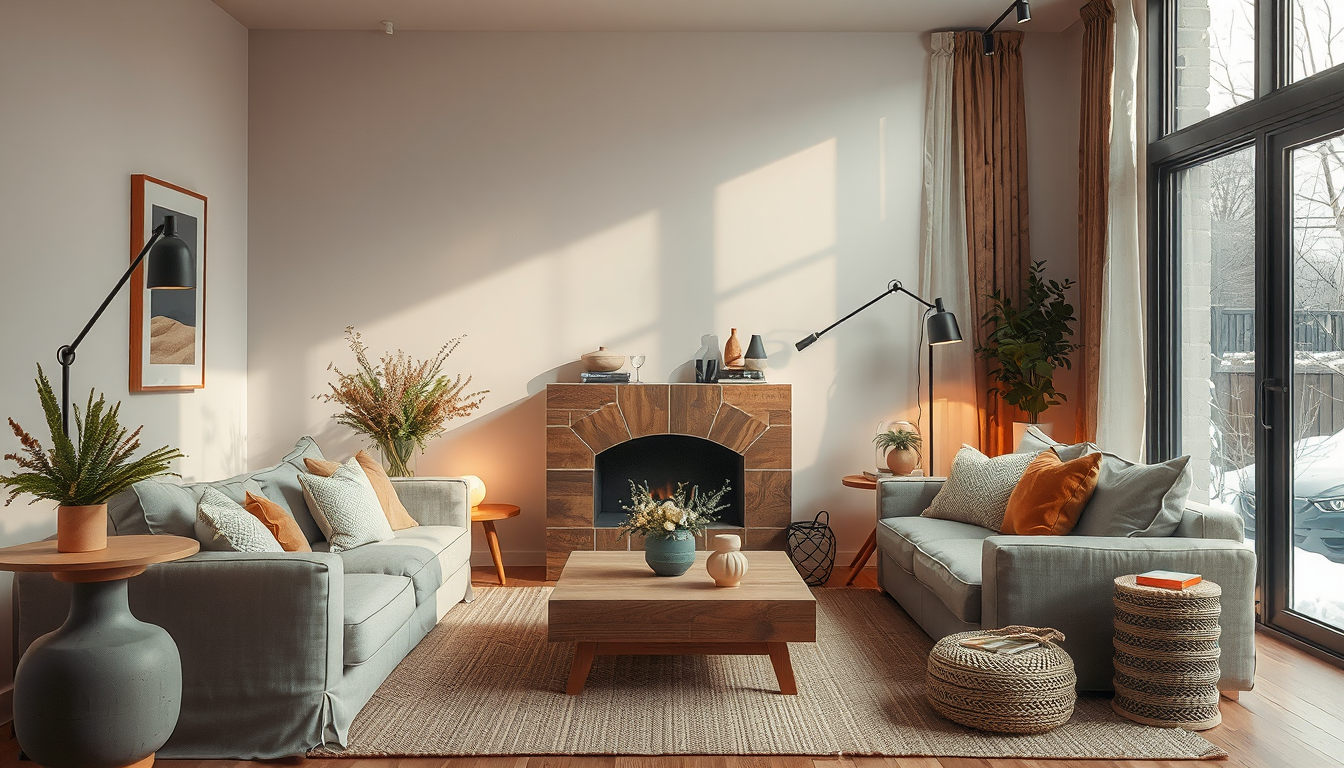
If you’re searching for the best humidifier canada 2026, the real question isn’t just about mist output — it’s about protecting the interiors you’ve invested in. Toronto’s heating season stretches roughly seven months, from October through April, and during that time indoor relative humidity can plummet below 20%. That’s bad for your sinuses, but it’s worse for your hardwood floors, millwork, leather furniture, and framed artwork. Health Canada recommends keeping indoor humidity between 30% and 55% , yet most Canadian homes in winter sit well below that range without active humidification. Here at Toronto Interior Designer, we treat humidity control as a design specification, not an afterthought.
Why Dry Air Threatens Your Toronto Interiors in 2026
Walk through any well-designed Toronto home in February and you’ll hear it: the creak of shrinking hardwood, the faint crack forming along a mitre joint. Dry indoor air doesn’t just cause static shocks and chapped lips — it actively degrades the materials designers and homeowners spend thousands to install.
Canadian hardwood flooring manufacturers like Lauzon and Mirage — both Quebec-based — typically require indoor relative humidity to stay above 35% during heating season to maintain warranty coverage . Drop below that threshold and gaps form between planks, finishes crack, and you risk voiding your warranty entirely.
The damage extends beyond floors. Solid wood cabinetry, musical instruments, leather upholstery, and even oil paintings are all hygroscopic — they absorb and release moisture with their environment. A Toronto condo running forced-air heat at full blast without humidification is essentially a slow-motion kiln for everything inside it.
“We spec humidity control into every renovation now. It’s not optional — it’s the difference between millwork that lasts twenty years and millwork that needs refinishing in three.” — Toronto-based residential designer
If you’ve recently invested in a kitchen renovation with custom cabinetry or upgraded your living spaces with engineered hardwood, protecting that investment with proper humidity control is essential.
Whole-Home vs. Room Humidifiers: Best Setup for Canadian Homes
Compare the Retailers Mentioned Here
Use the same shortlist from the article and compare scale, finish options, and delivery fit before you buy.
Toronto Interior Designer may earn a commission if you shop through these links at no extra cost to you.
Before diving into specific models, you need to decide on an approach. Whole-home and portable room units serve different needs, budgets, and living situations — and choosing the wrong category is a costlier mistake than choosing the wrong model.
Whole-home bypass or fan-powered humidifiers connect directly to your HVAC system. They draw water from your plumbing, distribute moisture through existing ductwork, and require minimal daily maintenance. Installed costs typically run $300–$800 CAD depending on your furnace setup and whether you need a bypass or powered unit . They’re ideal for detached homes with central forced-air heating and reliably cover 2,000–4,000 square feet.
Portable room humidifiers range from compact ultrasonic models for bedrooms to larger evaporative units that handle open-concept living areas. Prices span $50–$500 CAD, and they require regular refilling and cleaning. For Toronto condos without HVAC access, these are often the only option — and the design-conscious models available today are a far cry from the clunky units of a decade ago.
| Product / Brand | Price Range (CAD) | Best For | Design Style |
|---|---|---|---|
| AprilAire 600 (whole-home bypass) | $350–$550 installed | Detached homes with forced-air HVAC | Hidden — integrates into ductwork |
| GeneralAire 1000A (whole-home fan) | $400–$700 installed | Larger homes, high-output needs | Hidden — mounts on furnace |
| Dyson PH04 Purifier + Humidifier | $750–$900 | Condos, open-concept spaces | Sculptural, minimal tower |
| Levoit LV600S Smart Hybrid | $120–$160 | Bedrooms, nurseries | Low-profile matte white |
| Honeywell HCM-350 Cool Mist | $80–$110 | Budget-friendly, easy cleaning | Simple, unobtrusive |
| Canopy Humidifier (bedside) | $180–$220 | Nightstands, small rooms | Design-forward, dishwasher-safe |
| Venta LW25 Airwasher | $350–$450 | Allergy-prone homes | German-engineered, compact cube |
Energy Star does not currently certify humidifiers in Canada, so there’s no government efficiency label to guide your purchase . That makes editorial guidance and manufacturer specs your best tools for comparison.
Use this checklist to match your home to the right solution:
- Detached home with central HVAC and ductwork → Whole-home bypass or fan-powered humidifier (AprilAire, GeneralAire). One-time install, minimal upkeep, covers your entire footprint.
- Condo or apartment without HVAC access → High-quality portable unit (Dyson PH04, Venta LW25). Look for models with built-in hygrostat controls to avoid over-humidifying.
- Single bedroom or nursery → Compact ultrasonic or evaporative unit (Levoit LV600S, Canopy). Quiet operation and easy cleaning matter most here.
- Home with significant millwork, hardwood, or art collections → Whole-home system with a smart hygrostat. Consistent, automated control protects your investment around the clock.
- Budget under $150 CAD → Honeywell HCM-350 or Levoit Classic series. Proven performers without the design premium.
What Interior Designers Look for in the Best Humidifier Canada 2026
At Toronto Interior Designer, we evaluate humidifiers through the same lens we apply to any object entering a curated space: does it solve the problem without creating a visual one?
Hygrostat accuracy matters most. A humidifier without reliable humidity sensing is a liability. Excess humidity above 60% promotes mould growth and causes window condensation — a common problem in older Toronto homes with compromised vapour barriers . Smart models with app-based monitoring (like the Dyson PH04 or Levoit LV600S) let you set precise targets and track conditions remotely.
Noise and footprint come second. In a 500-square-foot condo, a humidifier that sounds like a white-noise machine and occupies a full corner isn’t practical. Designers increasingly favour wall-mountable or furniture-integrated solutions that disappear into the room.
Maintenance frequency is the hidden cost. Ultrasonic humidifiers can leave white mineral dust on dark furniture if you use tap water. Evaporative models need filter replacements. Whole-home units require annual pad changes. Factor these ongoing costs into your decision — a $100 unit that demands weekly deep cleaning may cost more in frustration than a $400 unit you service twice a year.
How to Maintain Ideal Humidity Without Damaging Home Finishes
Getting the humidity level right is a balancing act. Too low and your interiors suffer; too high and you invite mould, peeling paint, and condensation damage. These four principles keep you in the safe zone.
Target 35–45% relative humidity during heating season. This range satisfies flooring warranty requirements, protects millwork, and keeps condensation off windows. Place a standalone hygrometer in your main living area as a secondary check — don’t rely solely on your humidifier’s built-in sensor.
Ventilation is part of the equation. Bathroom and kitchen exhaust fans remove excess moisture from high-humidity zones. Running them consistently prevents localized problems while your humidifier maintains baseline comfort elsewhere. If you’re planning a bathroom refresh, consider upgrading to a humidity-sensing exhaust fan that activates automatically.
Adjust with the seasons. As outdoor temperatures drop below –10°C — a regular occurrence in Toronto from December through February — reduce your target humidity slightly to prevent window condensation. Smart hygrostats handle this automatically; manual units require you to dial back when you see moisture forming on glass.
Clean your unit on schedule. Stagnant water breeds bacteria and mould. Empty portable units daily when not in use, disinfect weekly with white vinegar, and replace filters or evaporative pads according to manufacturer timelines.
Protect Your Space, Starting Now
Humidity control isn’t a luxury add-on — for Toronto homes enduring seven months of forced-air heating, it’s essential infrastructure that protects every surface, finish, and material in your space. The right humidifier matched to your home type, budget, and design standards makes the difference between interiors that age gracefully and ones that deteriorate in silence.
What to Do Next
- Measure your current humidity. Pick up a digital hygrometer ($15–$30 CAD) and check readings in your main living area and bedroom over a few days.
- Decide: whole-home or portable. If you have central HVAC and ductwork, get quotes from two licensed HVAC contractors for a bypass or fan-powered install. No ductwork? Shortlist two portable units from our comparison table.
- Set a target range of 35–45% RH and monitor for condensation on windows during cold snaps.
- Budget for maintenance. Add filter replacements or evaporative pads to your annual home-care calendar.
- Talk to your designer. If you’re planning a renovation, ask your Toronto Interior Designer to spec humidity control into the mechanical scope — it’s far easier to integrate during construction than to retrofit later.
Shop Elevated Alternatives
If you want a step up in materials or silhouette, compare mid-range brands before locking into the first affordable option.
Toronto Interior Designer may earn a commission if you shop through these links at no extra cost to you.
Sources
- Health Canada Indoor Air Quality Guidelines — https://www.canada.ca/en/health-canada/services/air-quality/residential-indoor-air-quality-guidelines.html
- Mirage Hardwood Flooring Warranty — https://www.miragefloors.com/en/warranty/
- HomeStars HVAC Cost Guide — https://homestars.com/cost-guides
- Natural Resources Canada — https://www.nrcan.gc.ca/energy-efficiency/
- Canada Mortgage and Housing Corporation — https://www.cmhc-schl.gc.ca/
Frequently Asked Questions
What humidity level should I maintain in my Canadian home during winter?
Health Canada recommends 30–55% indoor relative humidity. For protecting hardwood floors and millwork during heating season, target 35–45% RH. Monitor with a standalone hygrometer and reduce slightly when outdoor temperatures drop below –10°C to prevent window condensation.
Is a whole-home humidifier worth it in Canada?
Yes, for detached homes with central HVAC. Whole-home bypass or fan-powered humidifiers cost $300–$800 CAD installed, cover 2,000–4,000 square feet, and require minimal daily maintenance compared to portable units that need regular refilling and cleaning.
Do humidifiers damage furniture or cause mould?
Only if used incorrectly. Keeping humidity below 55% prevents mould growth. Ultrasonic models can leave white mineral dust on surfaces if used with tap water—use distilled water or choose an evaporative unit. Clean portable humidifiers weekly and replace filters on schedule.